Intermediate interview questions in UI Design & Figma
How would you show system status during a multi-megabyte file upload?
Tests turning Nielsen's heuristic into concrete frontend patterns for uncertain waits. Cover granular progress like percent and bytes, distinct states for upload versus processing, time estimates, and error recovery.

How do you apply progressive disclosure and hierarchy in complex data tables?
This tests layered UI decomposition. Strong answer: default to essential columns with horizontal dividers; disclose sort and filter on interaction; paginate at 48-56px row height; apply contrast and color cues sparingly.

How does affordance guide choosing a native button over a styled div?
This tests if you see affordance as built-in behavior, not only looks. A strong answer picks the native button for free keyboard, focus, and reader support, noting a div needs tabindex, role, and keydown logic. A red flag is treating it as purely visual.
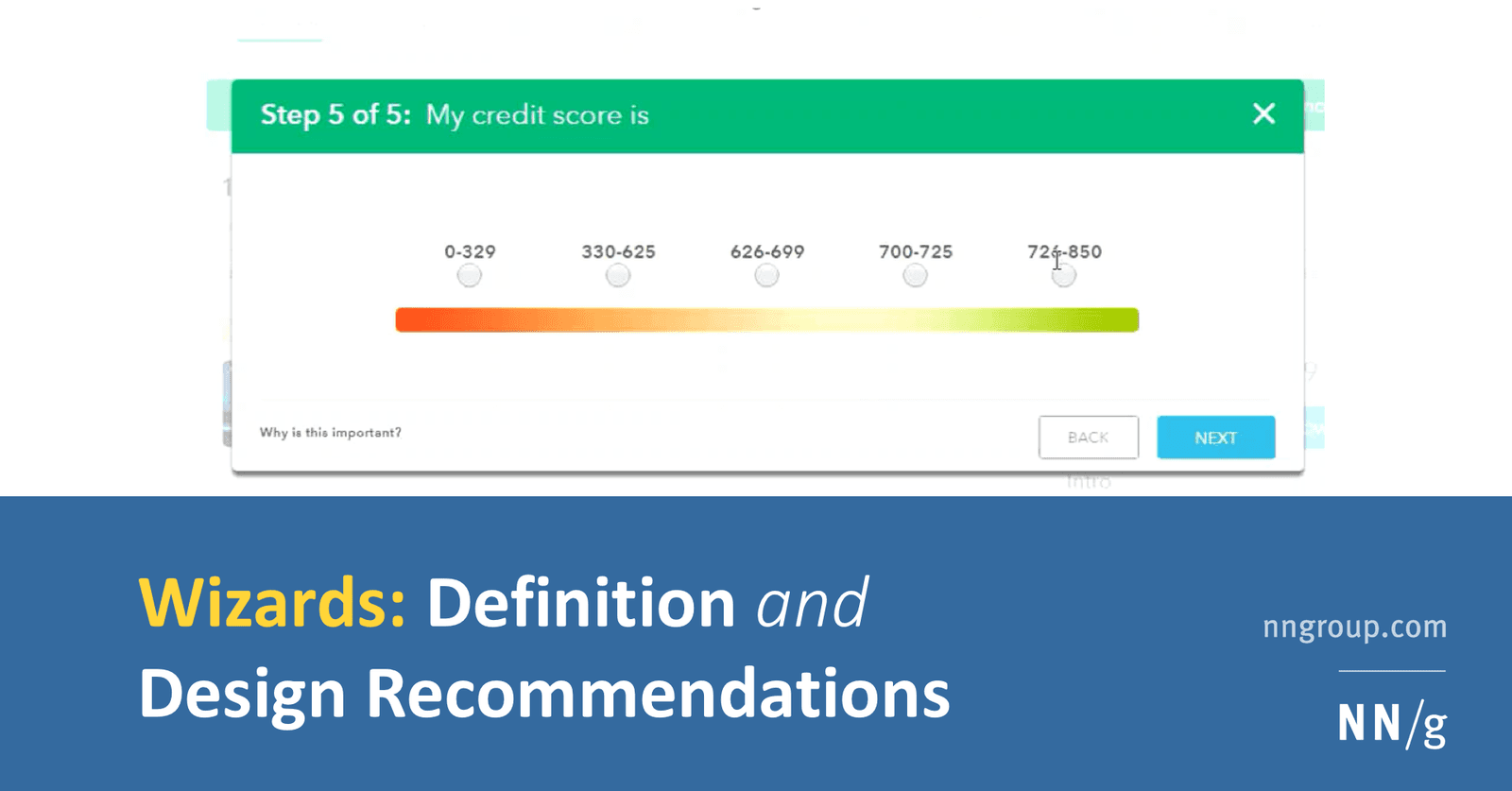
How do you design a low-cognitive-load wizard and implement it technically?
Pairing progressive disclosure with solid architecture. A strong answer hits step validation, URL-synced navigation, and isolated step components.

How would you establish a modular typographic scale for a design system?
This tests systems thinking and contextual ratio choice. A strong answer picks a ratio by contrast—high for marketing, low for dashboards—rounds values, adds sizes for dense UIs, adjusts base size across breakpoints.
Assess WCAG AA contrast for light grey text on off-white
Tests your fluency in WCAG relative luminance and design collaboration. A strong answer extracts sRGB values, computes contrast ratio, checks 4.5:1 or 3:1 by text size, and suggests a darker tint preserving hue.
How would you optimize and implement a full-bleed responsive hero image?
Use srcset with AVIF/WebP, CSS object-fit cover, and width/height to prevent CLS.
Building a scalable icon system in Figma
Standardize a grid, size, and stroke; make each icon a component with consistent naming, use currentColor-friendly single-color paths, and export optimized SVGs.
How do you build a responsive Figma component across breakpoints?
Tests Figma auto layout and constraint logic for responsive components. Strong answers mention nested frames, hug/fill modes, breakpoint variants or variables, and resizing previews. Red flag: copying static frames instead of using constraints.
How do you enforce proximity with Figma Auto Layout and spacing variables?
Tests translating Gestalt proximity into systematic spacing. Strong answers map t-shirt scales to Auto Layout gap and padding, then bind them to Figma spacing variables. Red flag: confusing proximity with alignment or manual nudging.
How do you build a responsive card with Auto Layout?
Tests nested Auto Layout and resizing logic. Answer: vertical hug frame, nested vertical text stack with hug height, image set to fill width, plus padding. Red flag: fixed-height text or absolute positioning breaks responsiveness.
How do you pin a Close icon to a modal's top-right corner?
This tests Figma constraint knowledge for responsive resizing. A strong answer sets horizontal to Right and vertical to Top so the icon pins to the corner as the modal resizes.
How do Hug, Fill, and Fixed resizing behaviors interact?
This tests constraint-based size propagation. Define Hug as shrink-wrapping, Fill as stretching to the parent, and Fixed as explicit; note a Hug parent expands for Fixed or Hug children, but Fill needs a defined parent size.
Profile card with nested Auto Layout sizing
Outer vertical frame set to fixed width and hug height, an inner horizontal frame for avatar and name, and a bio text set to fill width and auto-height so the card grows down.
When would you use absolute position in an Auto Layout frame?
Absolute position lets badges float without pushing siblings; standard flow stacks sequentially and prevents overlap.
What is the most efficient way to update a brand color globally?
This tests Figma variables versus styles for design system maintenance. Store the brand color as a variable, apply it across components, and edit the value once for global propagation. Red flag: manual updates or using a color style for a single raw value.
Explain Figma Smart Animate's core principle and layer matching requirements
Tests Figma's layer-matching logic for prototyping. Great answers cover: name-based matching between frames, compatible layer types, and interpolated properties like position and size.
Build a reusable checkbox with unchecked, checked, and hover states
Tests Figma interactive components. Answer: create a component set with unchecked, checked, and hover variants; wire them with Change to actions using On click and While hovering triggers.
How would you prototype fixed header, footer, and scrollable content?
Make content taller than frame, enable Clip content and vertical overflow, then fix header and footer.

How do you handle versioning and breaking changes in a shared library?
This tests bridging design and engineering workflows. A strong answer covers semantic versioning, a protected main file with branching, a visible changelog, and release alignment with code.
We are hiring for this. Every open role lists the topics its interview covers, so you can prepare for the real thing rather than guessing.
See open roles