All bites
The whole library, newest first. Filter by what you are here for, or pick a topic if you already know.
4247 bites
Page 125

Prophet: Automated Time Series Forecasting
Prophet treats forecasting like decomposing a signal, breaking a time series into trend, seasonality, and holiday effects. It excels at predicting business metrics with strong seasonal patterns, like web traffic.
ARIMA: Forecasting by Modeling Autocorrelation
ARIMA models forecast a time series by learning its "memory"—how past values influence the next. It's used for forecasting sales or server load where patterns are driven by internal dynamics.

Granger Causality: Forecasting, Not Causing
Granger Causality tests if one time series can forecast another, not if it causes it. It's used in econometrics to see if money supply changes predict inflation. The footgun is the name itself: it only shows predictive power, not true cause-and-effect.

LSTMs: Giving Neural Networks a Long-Term Memory
LSTMs give neural networks a selective memory, letting them remember important information over long sequences. This is key for language translation or time-series forecasting where old context matters.
Ensemble Forecasting: Predicting with a Crowd of Models
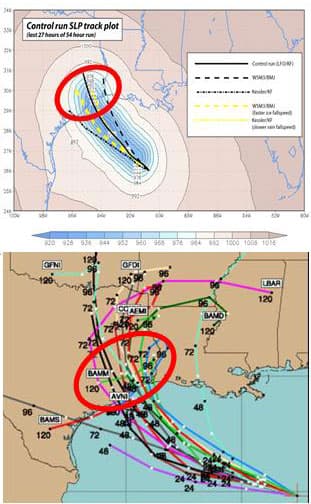
Instead of one 'best guess,' ensemble methods generate many forecasts to map the range of possibilities. This is crucial for complex systems like weather prediction, where a single model is misleadingly precise.
Customer Acquisition Cost: What It Costs to Win a Customer
Customer Acquisition Cost (CAC) is the total price you pay in sales and marketing to get one new customer. Businesses use it to see if their model is viable by comparing it to customer lifetime value (LTV). The footgun is forgetting to include all costs.
MRR: The Subscription Heartbeat
MRR is the monthly pulse of a subscription business. SaaS teams use it to forecast growth and measure churn. Counting one-time fees or annual contracts without proration inflates the metric and misleads stakeholders.
Net Promoter Score (NPS): A Snapshot of Customer Loyalty
NPS distills customer loyalty into one number by asking, "How likely are you to recommend us?" It's a quick pulse check for product teams. The footgun is treating the score as a diagnosis; it tells you *what* customers feel, but not *why*.
Customer Retention Rate: Your Leaky Bucket Metric
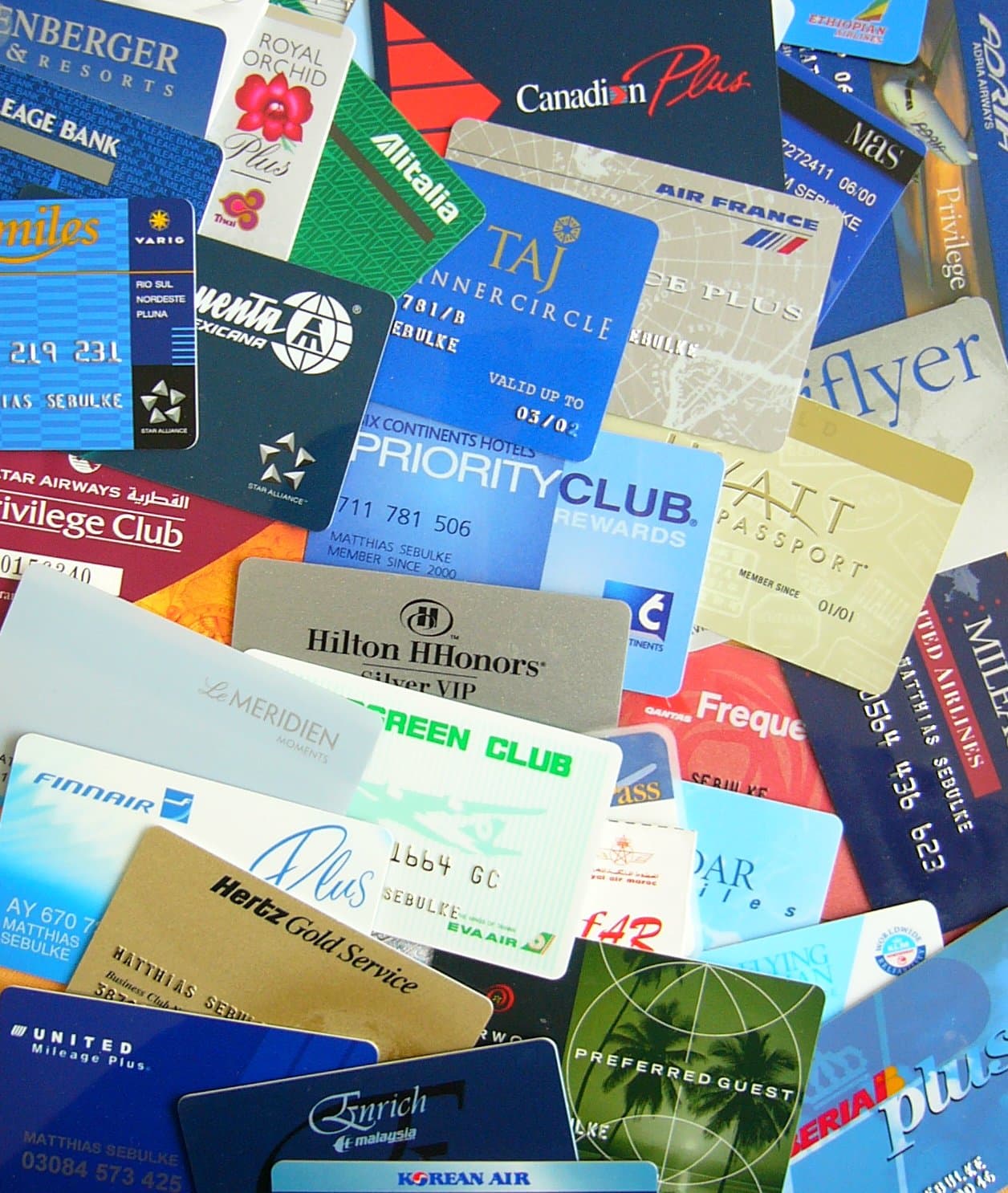
Customer Retention Rate measures how many customers you keep over a period, showing how "leaky" your business's bucket is. It's vital for subscription services and e-commerce to gauge loyalty and predict revenue. A high overall rate can hide dangerous churn.
DAU/MAU Ratio: Measuring Product Stickiness
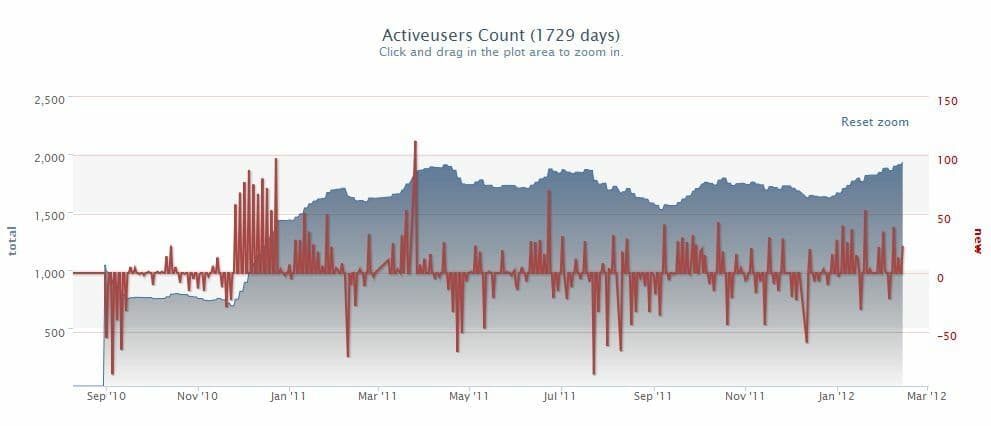
The DAU/MAU ratio measures product stickiness by comparing daily to monthly users. Social media apps aim for high ratios (50%+), while e-commerce expects lower ones. The footgun is comparing ratios without context; a 'good' number varies by product type.
Customer Lifetime Value (CLV): A Customer's Total Worth
Customer Lifetime Value (CLV) predicts the total net profit a customer will generate, not just a single sale's revenue. It's used to set acquisition budgets and guide retention efforts. The footgun is using revenue instead of profit, leading to overspending.

Conversion Rate Optimization (CRO): Get More Value from Existing Traffic
CRO is the science of getting more value from your existing users, not just acquiring new ones. It’s used to increase purchases on e-commerce sites or drive signups for a service.
Burn Rate: Your Startup's Financial Clock
Burn rate is your company's financial countdown timer, showing how fast you're spending cash before you run out. Startups use it to track monthly cash consumption and determine their runway.

Sales Velocity: How Fast Your Pipeline Makes Money
Think of sales velocity as the speedometer for your revenue engine, measuring how quickly your pipeline generates money. Sales leaders use it to forecast revenue and find bottlenecks.
Marketing Mix Modeling (MMM): Isolating Marketing's Impact on Sales
Marketing Mix Modeling (MMM) statistically links aggregate marketing efforts to sales outcomes over time. It's used to determine the ROI of past campaigns, like a TV ad blitz. The main footgun: the model is only as good as the historical data you feed it.
Business Analytics vs. Business Intelligence
Business Analytics predicts the future and prescribes actions, while Business Intelligence describes the past. BI reports last month's sales; BA forecasts next month's demand.
Workforce Analytics: Data-Driven People Decisions
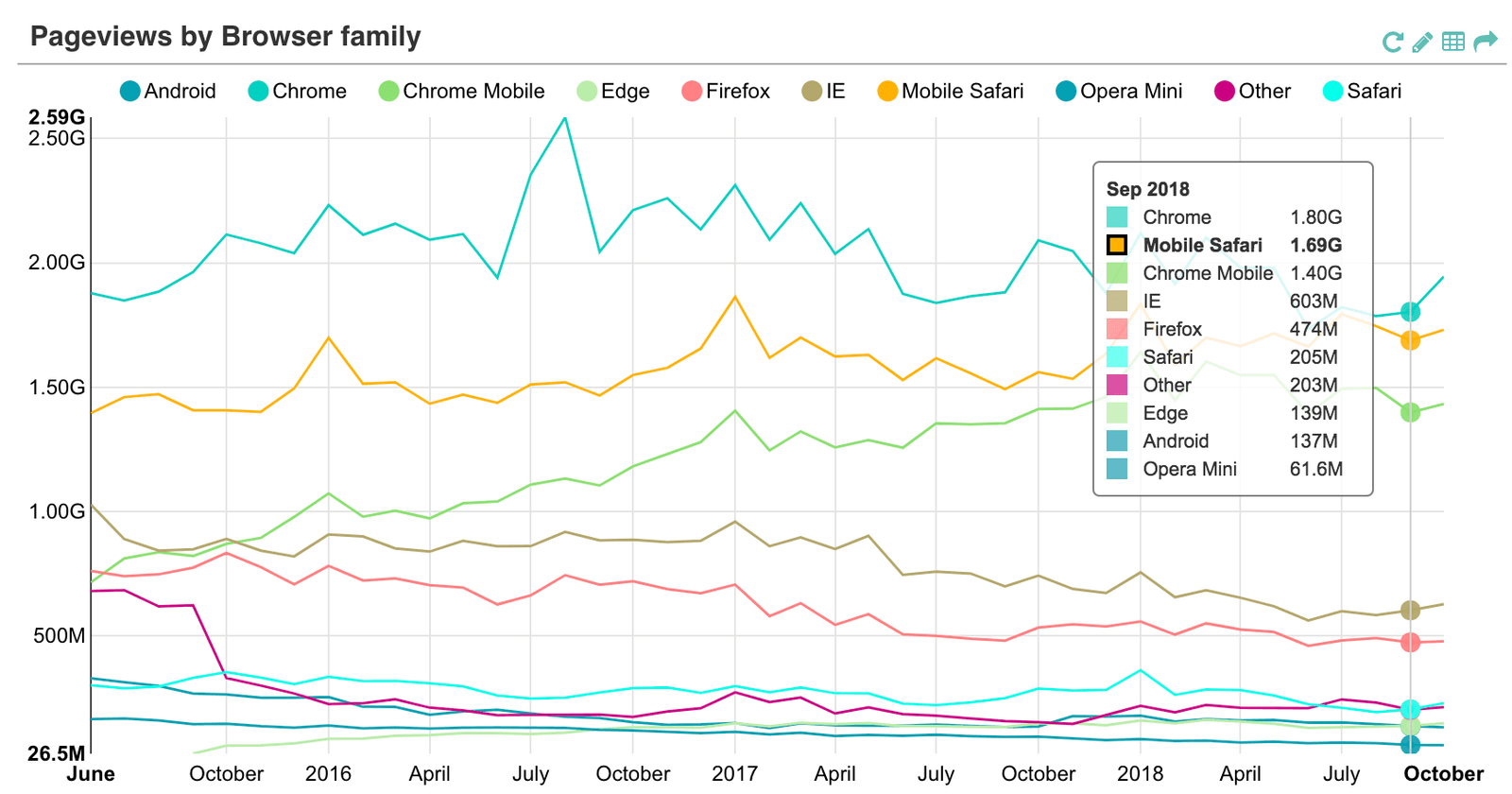
Workforce Analytics applies systematic data analysis to people-related decisions, moving beyond gut feelings for hiring and promotions. It's used to predict turnover or measure training ROI.
Google Analytics 4
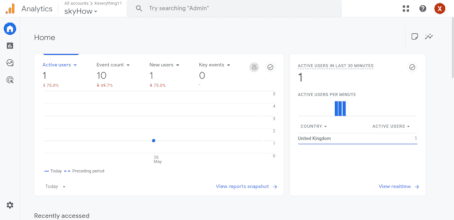
Google Analytics is a service for tracking user activity across websites and mobile apps. It helps measure marketing performance by tracking traffic and user 'events'. The footgun is focusing on raw traffic instead of the events that signal valuable actions.
Jupyter Notebooks: Interactive Code Sandboxes
Jupyter Notebooks are digital lab notebooks for running code, seeing output, and writing notes in one place. Data scientists use them for exploration, visualization, and prototyping.
Google BigQuery: A Serverless Data Warehouse
Think of BigQuery as a massive SQL database you don't have to manage. It's a serverless data warehouse for analyzing huge datasets, like terabytes of application logs. The footgun is treating it like a regular database for real-time transactions.