All bites
The whole library, newest first. Filter by what you are here for, or pick a topic if you already know.
4247 bites
Page 22
Accessible React Forms: Labels, Focus, and Errors
Accessible React forms need real labels, keyboard focus, and error announcements, not just ARIA. Screen reader users must perceive inputs and validation without visual cues. The common footgun is placeholder text or divs instead of label elements with htmlFor.
Zustand Middleware: Intercept Every Set Call
Zustand middleware intercepts set calls to add logging, persistence, or devtools without touching business logic. Use it when updates need the same side effect, like localStorage sync.
Product Strategy: The 'Why' Behind Your Product
Product strategy is the 'why' behind your product, connecting its vision to business goals. It's the compass that guides development, not the feature-by-feature map. The common footgun is confusing strategy (the why) with the roadmap (the what and when).

Strategy vs. Tactics: The Map vs. The Directions
Strategy is your destination and why you're going; tactics are the turn-by-turn directions. A product strategy defines the long-term goal, like 'capture the enterprise market,' while tactics are the specific feature launches to get there.
Product Roadmap: A Strategic Plan, Not a Feature List
A product roadmap is a strategic guide, not a rigid timeline, showing how work achieves long-term goals. It's used to align engineering, product, and leadership on priorities.
Market Segmentation: Don't Sell to Everyone
Market segmentation means you don't sell to everyone. It's about dividing your market into smaller, meaningful groups to target them with tailored strategies. This is used for focused ads or niche product features.

The Strategy Kernel
The strategy kernel, from Richard Rumelt, is the minimal structure of a real strategy: a diagnosis of the actual obstacle, a guiding policy for addressing it, and coherent action that carries it out, separating genuine strategy from a list of goals.

Porter's Five Forces: Is This Industry Worth Entering?
Porter's Five Forces is a framework for analyzing an industry's profit potential. It assesses the competitive environment to determine if a market is attractive or if its structure will drive all profits down to a baseline, like in pure competition.
Go-to-Market (GTM): Your Plan to Enter a Market
A Go-to-Market (GTM) strategy is the complete plan for connecting a product with customers to achieve a competitive advantage. It defines the target market, pricing, and distribution channels. The footgun is treating GTM as just a marketing or sales plan.
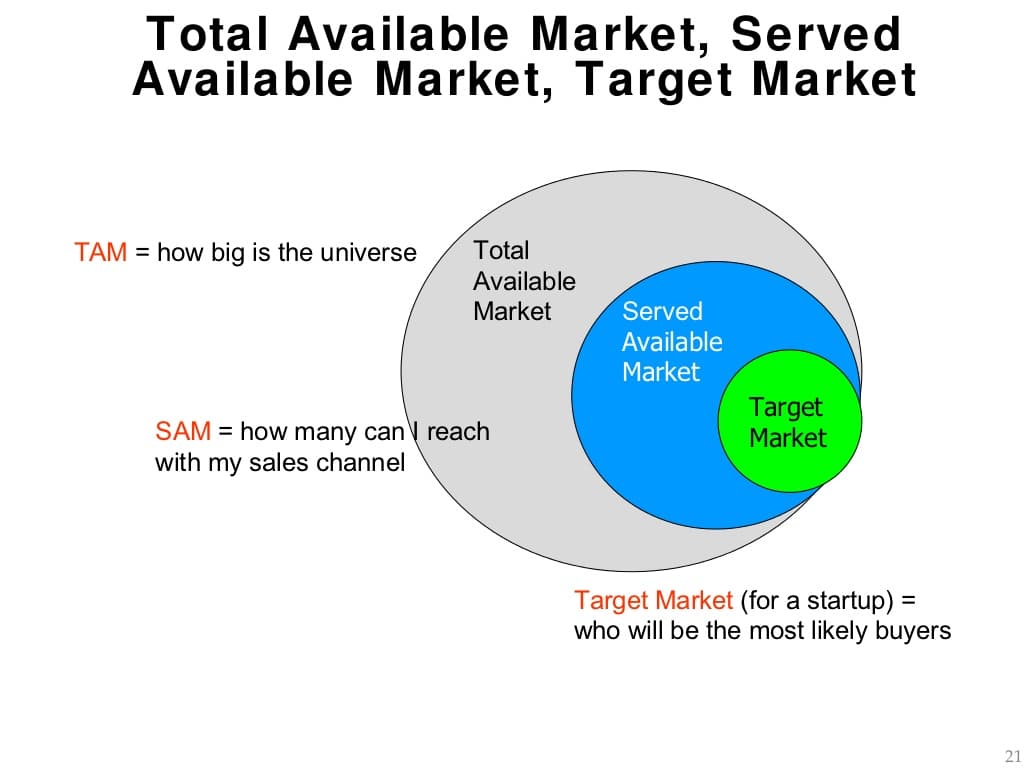
TAM, SAM, SOM: Sizing Your Market Opportunity
TAM, SAM, and SOM are nested filters for market size. TAM is the total demand, SAM is the segment you can serve, and SOM is what you can realistically capture. It's how you go from 'everyone' to 'our first 1,000 users'.
PESTLE Analysis: Mapping Your Business's External World
PESTLE analysis is a strategic checklist for scanning the external world for threats and opportunities you can't control but must react to. It's used for market entry strategy and product development.

User Personas: Build for a 'Who', Not a 'What'
Personas are fictional character sheets for your ideal users, grounding product decisions in human needs, not just features. They guide choices from UI to marketing by asking "What would our user do?".
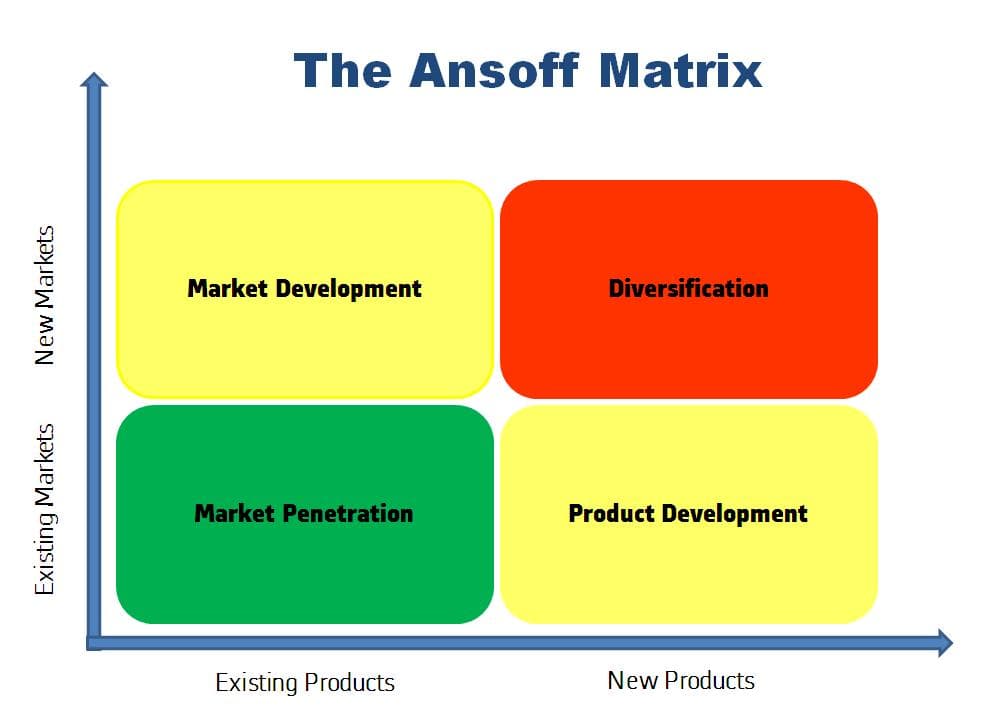
The Ansoff Matrix: Four Paths to Business Growth
The Ansoff Matrix maps growth strategy onto a 2x2 grid of products (new vs. existing) and markets (new vs. existing). It helps you decide whether to sell more of what you have or invent something new. The footgun is underestimating the risk of new ventures.
Blue Ocean Strategy: Make Competition Irrelevant
Instead of fighting rivals in a crowded market ("red ocean"), Blue Ocean Strategy creates new, uncontested space ("blue ocean") that makes competition irrelevant. It applies when you pursue both differentiation and low cost.

Diffusion of Innovations: How Good Ideas Spread
New tech spreads in a predictable S-curve, moving through groups from Innovators to Laggards. Use this model to target the right users at the right time, like focusing on Early Adopters to cross the 'chasm' to the majority.
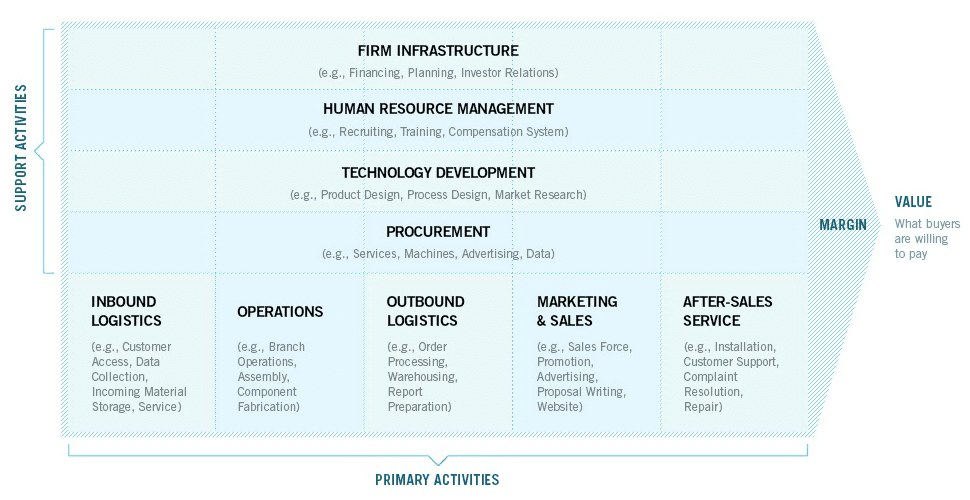
Value Chain Analysis: Find Your Edge by Mapping Your Activities
Value Chain Analysis maps a company's activities to find its competitive edge. Instead of a list of costs, it shows how each step adds value, revealing where you can lower costs or justify higher prices.
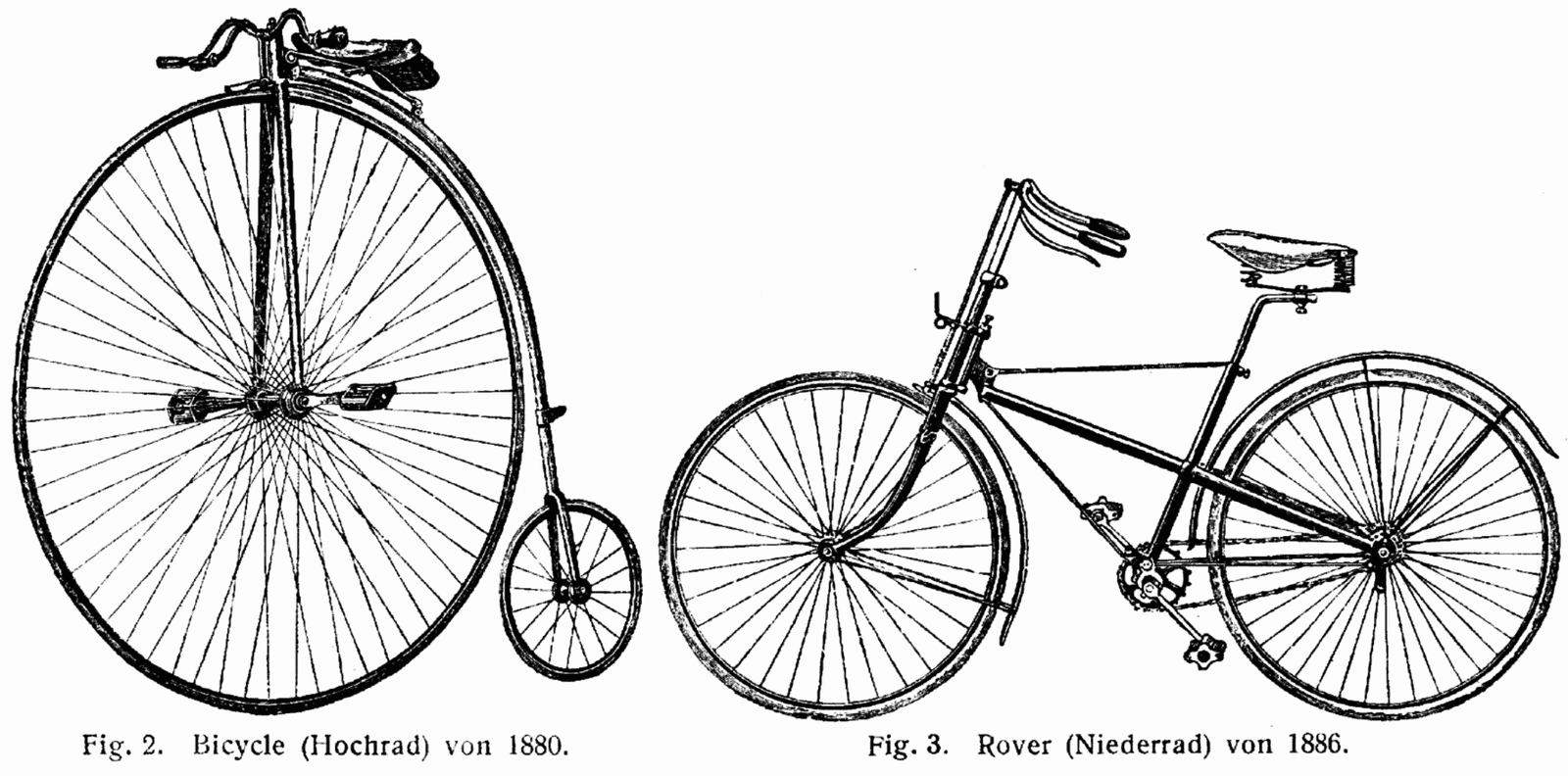
Disruptive Innovation: Why 'Good Enough' Often Wins
Disruptive innovation isn't a better product, but a simpler, cheaper one incumbents ignore. It wins by serving overlooked customers at the bottom of a market, eventually moving up.
Qualitative vs. Quantitative: The 'Why' and the 'How Many'
Quantitative research counts and measures ("how many?"), while qualitative research explores and understands ("why?"). Use quantitative for A/B tests to get statistical proof, and qualitative for user interviews to uncover motivations.
Problem Statement Framing: Define the 'Why' Before the 'What'
Don't just solve the problem, solve the *right* one. Problem framing forces you to deeply understand a user's need before building. It's the first step in product development, ensuring teams don't build something nobody wants.

How Might We: Frame Problems, Not Solutions
“How Might We” questions turn research insights into broad prompts for brainstorming. Use them after user research to frame design challenges before ideating. The biggest footgun is embedding a solution in the question, which kills creativity.