All bites
The whole library, newest first. Filter by what you are here for, or pick a topic if you already know.
8667 bites
Page 312
Cross-Attention: How Models Connect Two Ideas
Cross-attention lets a model, like a translator, focus on relevant parts of an input (e.g., a sentence) to generate an output (the translation). It's used in machine translation and image captioning. The footgun is confusing it with self-attention.
Residual Connections & Layer Norm: The Transformer's Stabilizers
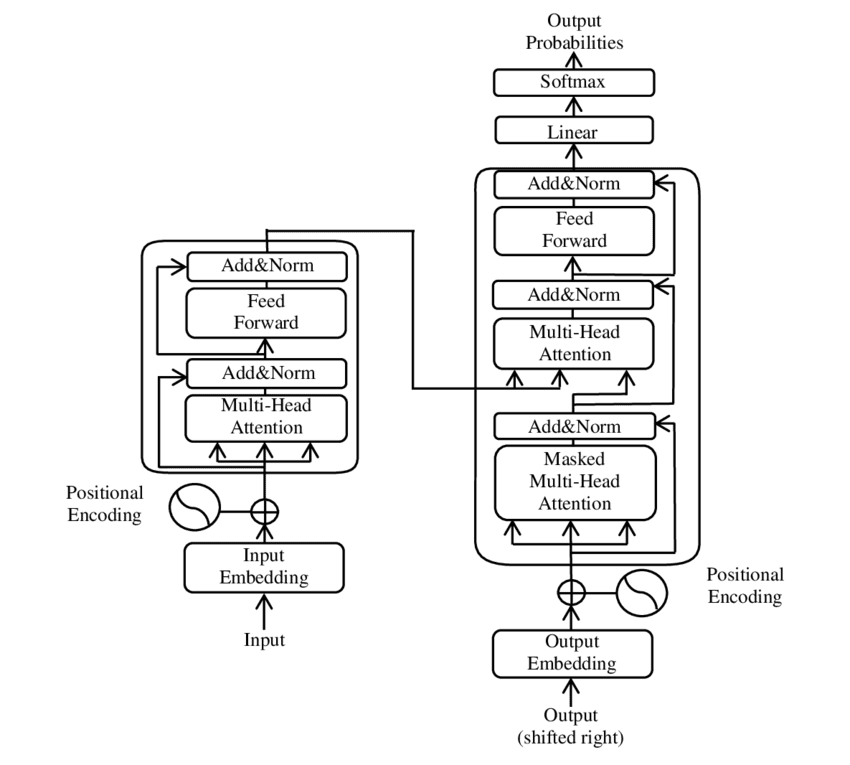
Residual connections are shortcuts that let information bypass layers, while Layer Normalization rescales a layer's outputs. Together, they prevent training from breaking in very deep networks like Transformers, enabling signals to flow without vanishing.
Self-Attention: The Transformer's Core Idea
Self-attention lets a model weigh the importance of different words in a sequence to understand context. This core mechanism of the transformer architecture powers LLMs for translation and generation.
Seq2Seq: Turning One Sequence Into Another
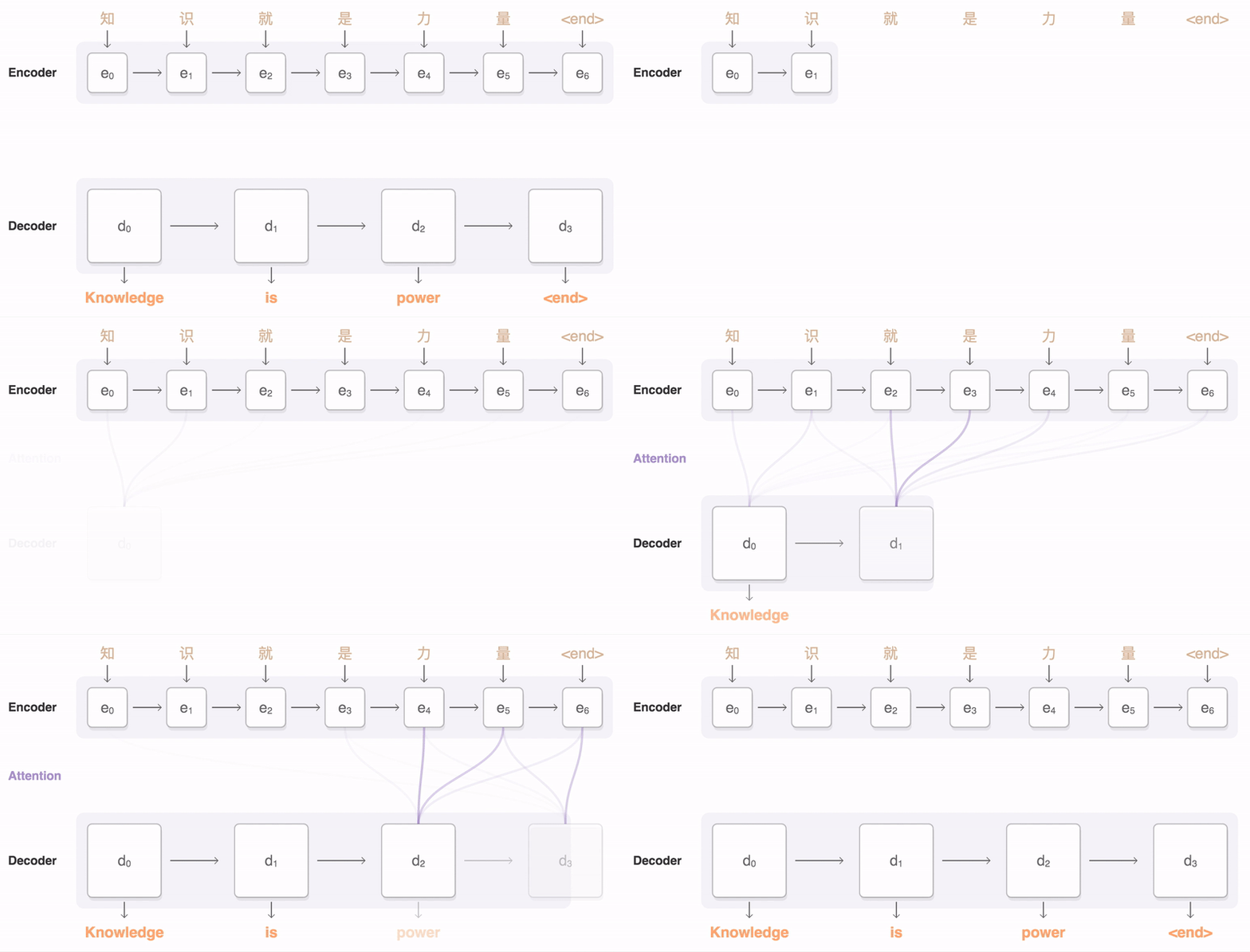
A Seq2Seq model acts like a universal translator, reading one sequence to generate another. It's foundational for machine translation and text summarization. The main footgun is its fixed-size context vector, which can forget details from long inputs.

LSTMs: Giving Neural Networks a Longer Memory
LSTMs give neural networks a longer memory, letting them connect events across long sequences. They excel at tasks like language translation or time-series analysis where distant context is key.
The Vanishing Gradient Problem
Training a deep network is like a game of telephone; the error signal (gradient) gets weaker as it's passed back through layers. This happens in deep networks using sigmoid or tanh activations.
Word2Vec: Word Meaning as a Point in Space
Word2Vec turns words into numerical vectors, where semantic similarity becomes spatial proximity. It powers synonym detection and analogy tasks by learning from a word's context in a large text corpus.

Regularization: Penalizing Complexity to Prevent Overfitting
Regularization penalizes model complexity to prevent overfitting. It's used in training to help models generalize to new data, rather than just memorizing training examples. The footgun is applying too much, causing the model to become too simple and underfit.

Activation Functions: Making Neural Networks Nonlinear
An activation function acts as a gatekeeper for a neuron, deciding what signal to pass on. It introduces non-linearity, allowing networks to learn complex patterns. A network with only linear activations collapses into a simple, less powerful model.
Loss Function: Quantifying 'How Wrong' a Model Is
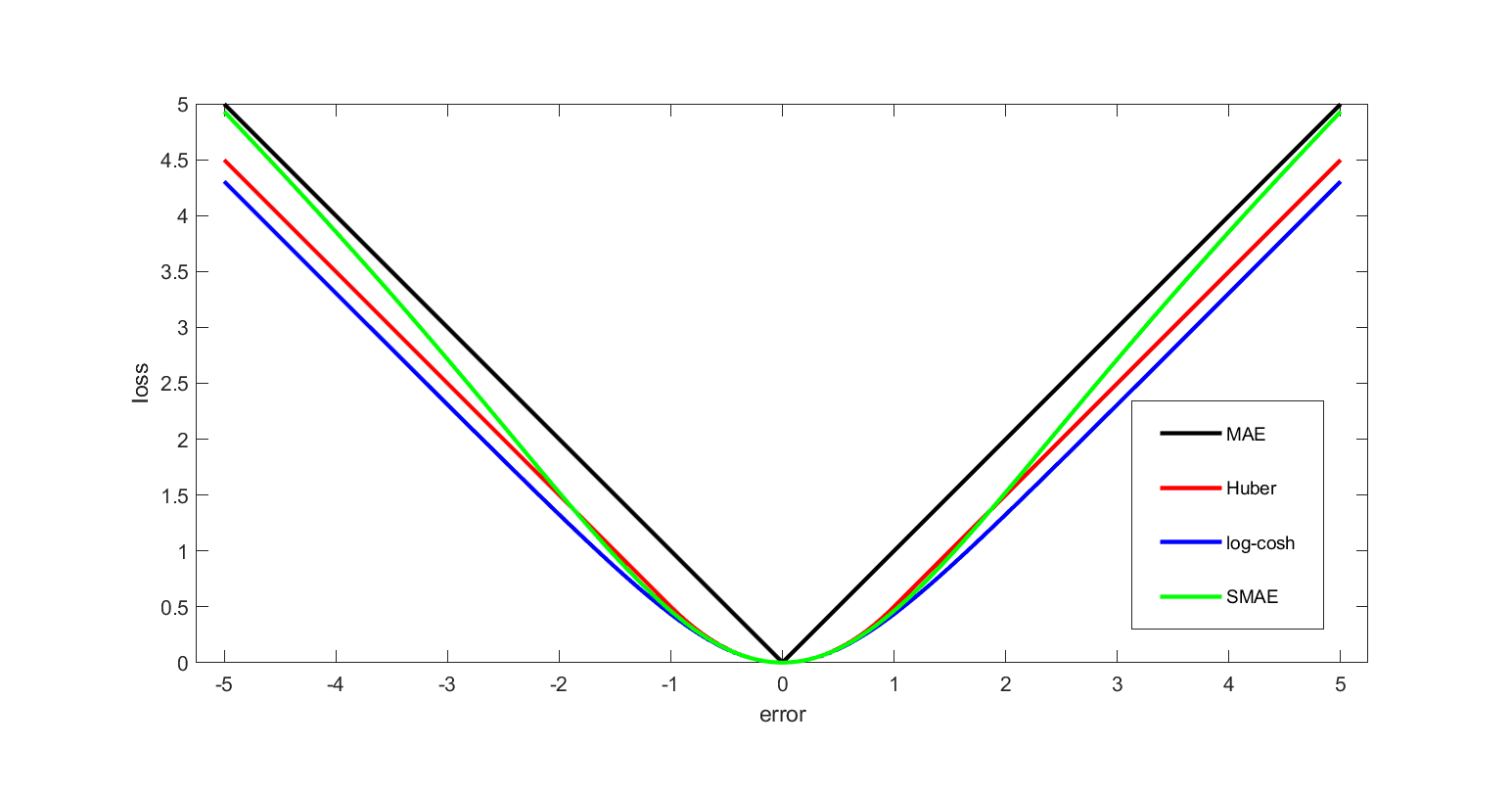
A loss function is a score that tells a machine learning model how wrong its predictions are. The lower the score, the better. It's the engine of training, guiding the model to adjust its parameters to get closer to the correct answers.
The Package.swift Manifest File
Think of Package.swift as a recipe for your code, telling the Swift Package Manager (SPM) what to build, what it needs, and where it can run. You use it to define libraries, list dependencies, and set minimum OS versions.
Swift Property Wrappers: Reusable Logic for Properties
A Swift Property Wrapper is a template for a property's get/set logic, letting you reuse behaviors like data validation without boilerplate. It powers SwiftUI's @State and is great for managing UserDefaults.

Refining Objective-C APIs for Swift with NS_SWIFT_NAME
NS_SWIFT_NAME gives Objective-C code a Swifty alias without changing the original API. Use it to modernize legacy frameworks by removing prefixes for Swift consumption.
Optimizing iOS App Launch Time
An app launch is a race against the system's watchdog timer. The OS loads your app in two phases: pre-main and main. Optimizing both is key. The biggest footgun is ignoring the pre-main phase, where bloated dynamic libraries can kill performance.
Address Sanitizer: Find Memory Bugs at Runtime
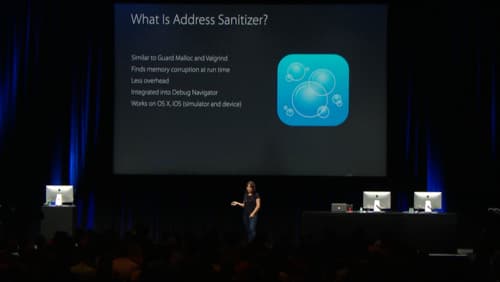
Address Sanitizer (ASan) is a runtime debugging tool that finds memory corruption bugs. Enable it in Xcode to catch buffer overflows and use-after-free errors as they happen, preventing crashes that are hard to trace back to their source.
Swift Errors and the NSError Bridge
Swift's modern Error protocol and Objective-C's NSError are different, but Swift automatically "bridges" them. This is key when calling older Apple APIs, which throw NSErrors.
Lightweight Generics: Type Safety for Objective-C
Lightweight generics bolt type safety onto Objective-C collections like NSArray. This lets Swift see an NSArray<NSString *> as a type-safe [String] instead of [Any], preventing runtime crashes.
Objective-C Nullability: Bridging to Swift's Optionals
Nullability annotations are like adding ? or ! to your Objective-C pointers, telling Swift how to handle nil. They're essential in mixed codebases to bridge Objective-C's pointers to Swift's safe Optionals.
Autorelease Pools: Managing Temporary Object Memory
Think of an autorelease pool as a temporary holding pen for objects. It defers their deallocation until a code block ends. UI frameworks handle this, but you'll add one in tight loops with many temporary objects to reduce peak memory, or on background threads.
Selectors: Objective-C's Function Pointers in Swift
A selector is a lightweight name for a method, not a direct pointer. Swift uses it to call Objective-C code dynamically at runtime. It's common in UIKit for target-action patterns, like button taps. The footgun: forgetting @objc causes a runtime crash.