All bites
The whole library, newest first. Filter by what you are here for, or pick a topic if you already know.
8667 bites
Page 361

Dashboard Design: Guide, Don't Overwhelm
A good dashboard guides users to an insight, not just displays charts. Place your key takeaway in the top-left and limit views to 2-3 to maintain focus. The biggest mistake is including too many views, which clutters the message and slows down the dashboard.
Data Partitioning: Spreading Data for Scalability
Partitioning splits a huge dataset across many machines, like assigning phonebook sections to different librarians. This allows systems to scale beyond a single server.
Spark DataFrame API: SQL Smarts on Distributed Data
The DataFrame API is like giving Spark a schema for your distributed data, letting its Catalyst optimizer plan queries like a database would. Use it for structured data processing with column-based operations.
Data Pipeline Orchestration: Beyond Cron Jobs
Data pipeline orchestration is the conductor for your data workflows, ensuring tasks run in the right order with full dependency awareness. It manages complex chains, like triggering analytics only after an ETL job succeeds.
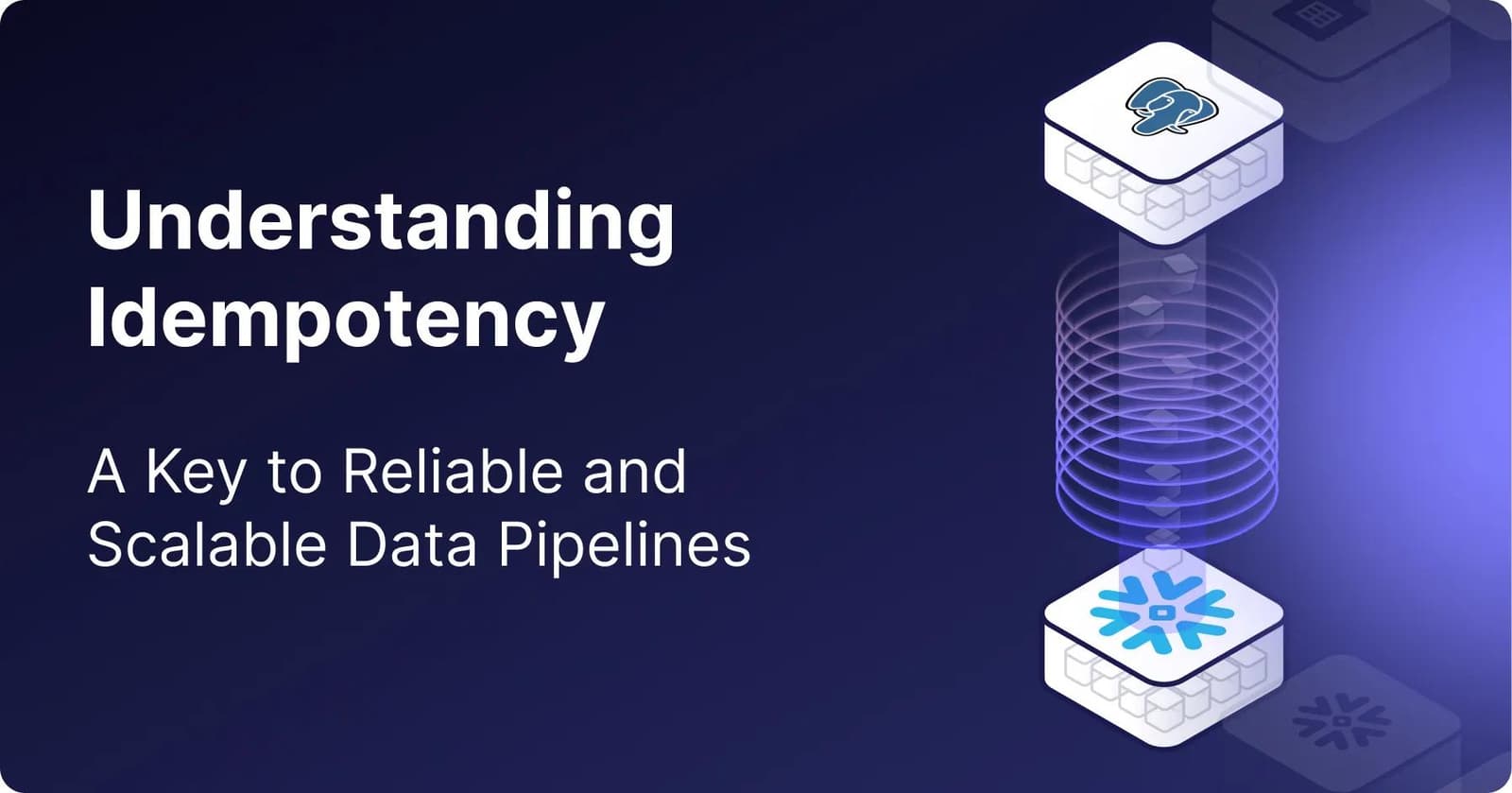
Idempotency: Making Data Pipelines Retry-Safe
Idempotency means an operation has the same effect whether run once or multiple times, like closing an already-closed door. It's essential for data pipelines where retries are common. The footgun is assuming retries are safe, leading to data corruption.
Log Transformation: Taming Skewed Data for Better Models
A log transform tames skewed data by compressing large values and spreading out small ones. It's used on data like income or web traffic to help it meet the assumptions of linear models. The footgun: it fails on zero or negative values.
Missing Data Imputation: Filling in the Blanks
Instead of deleting rows with missing values, imputation makes an educated guess to fill the blanks, preserving your sample size. It's used in survey analysis or time-series data where dropping records would introduce bias.
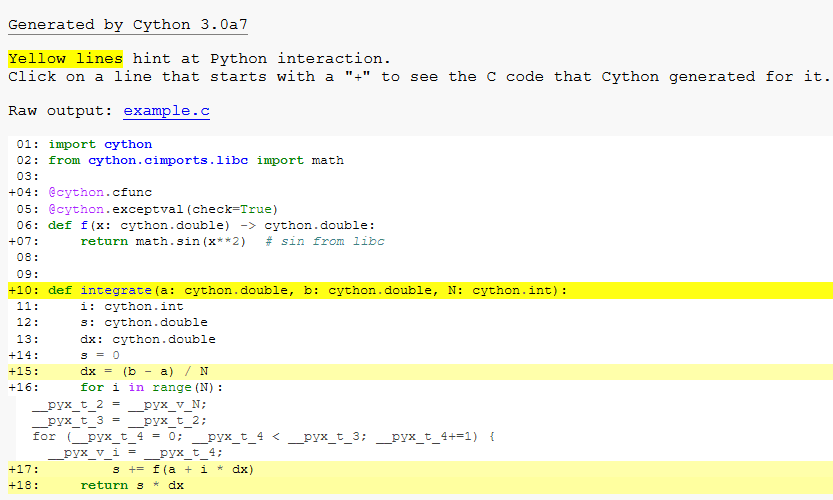
Cython: Static Typing for Faster Python
Cython speeds up Python by compiling it to C, especially when you add static types to bypass Python's dynamic overhead. Use it for CPU-bound bottlenecks like tight loops in numerical code.

Proxy Metrics: Estimate Long-Term Impact Now
A proxy metric uses a model to estimate a slow, long-term outcome, like annual revenue. It lets you quickly judge an A/B test's impact without waiting months for the true result. The footgun is trusting a biased model or ignoring its error, giving you false.
Homomorphic Encryption: Compute Without Decrypting
Homomorphic encryption lets you perform computations on data while it's still encrypted. This allows a third party, like a cloud provider, to process your sensitive data without ever seeing the raw information, ensuring privacy.

Counterfactual Fairness: What if You Were Different?
Asks "what if?" for fairness: would your model's decision change if only a sensitive attribute like race were different? It's used to audit models for hidden bias in areas like hiring.
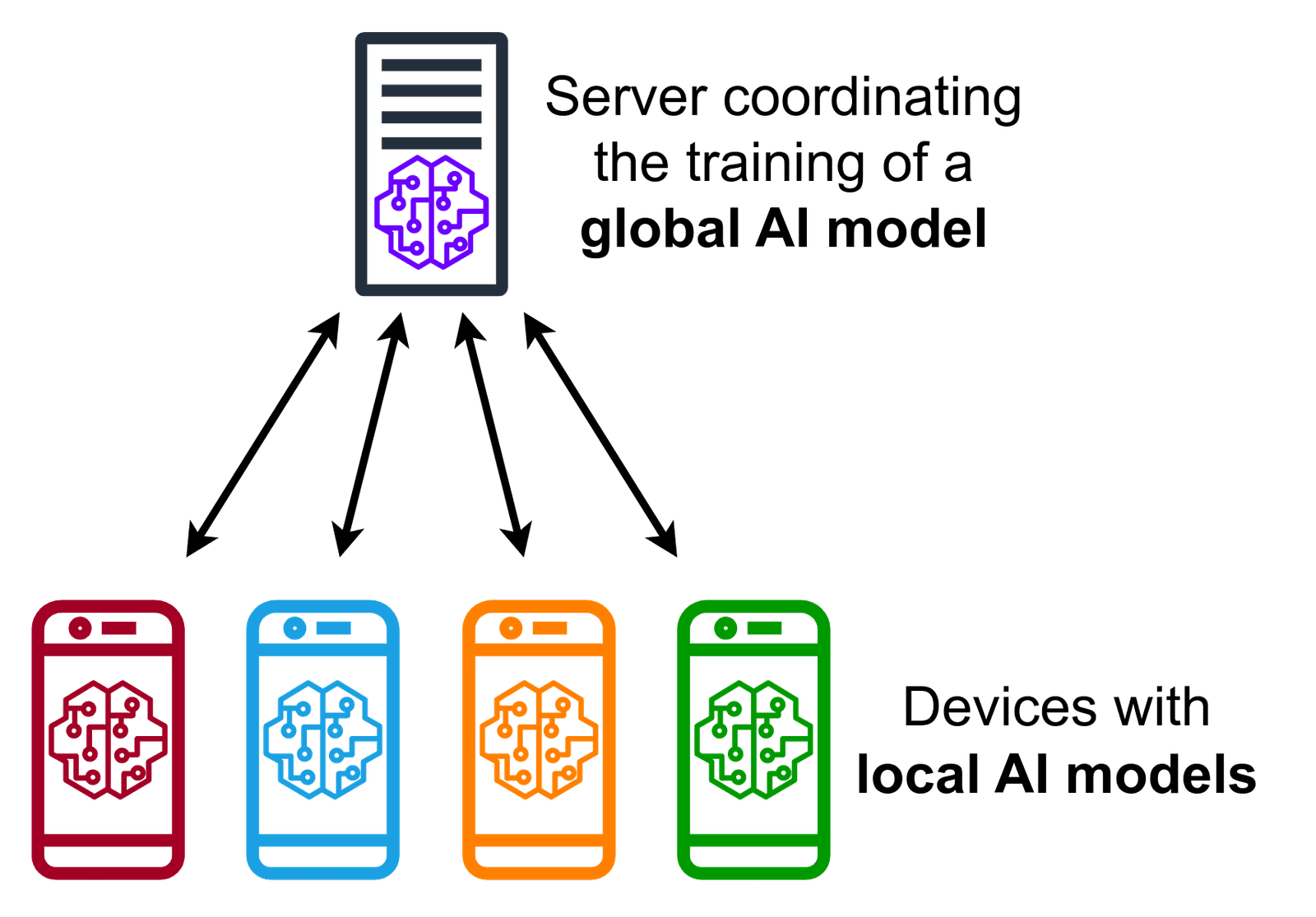
Federated Learning: Train Models on Decentralized Data
Federated learning trains a shared model by sending the model to the data, not the other way around. It's used for training on sensitive, decentralized data like phone keyboards. The main footgun is that non-uniform data across clients can skew the model.
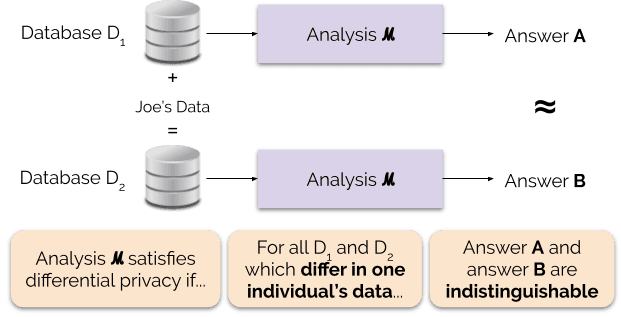
Differential Privacy: Anonymize Data with Math
Differential Privacy adds mathematical noise to data queries, making it impossible to know if one person's data is included. Tech giants use it to learn from user behavior without seeing individual activity.
AI Safety: Preventing Unintended Consequences
AI Safety is the engineering discipline for preventing intelligent systems from causing harm, by accident or misuse. It's crucial for autonomous systems like self-driving cars or large models that can amplify bias.
Datasheets for Datasets: The Nutrition Label for Data
A datasheet is like a nutrition label for a dataset, documenting its origins, contents, and intended use. This is crucial for high-stakes ML systems where hidden biases could cause harm.
Fairness Metrics: Auditing Your AI for Bias
Fairness metrics are statistical checks to see if your model's decisions are biased against certain groups. They're crucial for automated systems in hiring or loan approvals.

AI Accountability: Who's Responsible When AI Fails?
AI accountability means someone is answerable for an AI's actions. It requires organizations to manage risks and trace decisions throughout the AI's lifecycle, ensuring systems function properly and align with human-centric values.
AI Transparency: Explaining the Black Box's 'Why'
AI transparency means seeing the 'why' behind an algorithm's decision, not just its code. It's vital for high-stakes systems like credit scoring or news feeds. The footgun is thinking open-sourcing the model is enough; true transparency explains the logic.
Disparate Impact: When Fair Rules Aren't Fair
Disparate impact is when a neutral rule causes a discriminatory outcome, regardless of intent. This is key in ML fairness, where an algorithm might deny loans to one group more than another, even with objective rules.

Algorithmic Bias: When Code Creates Unfair Outcomes
Algorithmic bias is a mirror reflecting flawed human data, leading to systematically unfair outcomes. It appears in hiring tools favoring one gender or loan systems denying certain groups. The footgun is assuming tech is neutral; the bias is in the data.