All bites
The whole library, newest first. Filter by what you are here for, or pick a topic if you already know.
8667 bites
Page 427

Kanban Board: Visualize Your Workflow
A Kanban board is a visual system for managing work as it moves through a process, making bottlenecks obvious. It's used in software development to track features from 'To Do' to 'Done'.
.png&w=1600&q=75)
Kanban: A Strategy for Optimizing Flow
Kanban isn't just a board with columns; it's a strategy for optimizing the flow of value through your process. It helps teams visualize work, manage bottlenecks, and deliver value predictably.
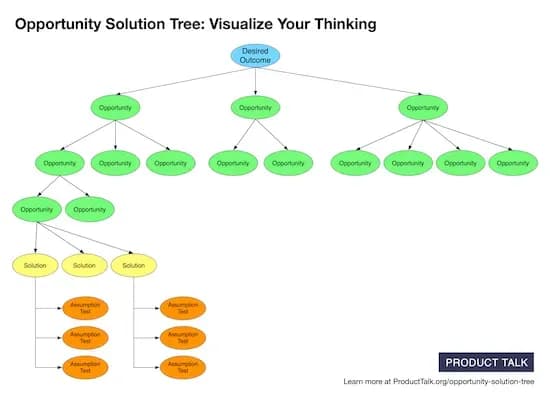
The Opportunity Solution Tree: Connecting Outcomes to Solutions
An Opportunity Solution Tree is a visual map connecting a business goal to the customer problems you could solve to achieve it. Product teams use it to explore paths to an outcome, ensuring features address real user needs.
Product-Market Fit: Why Market Trumps Team and Product
Product-market fit is when a great market pulls a viable product out of a startup, not when a great product creates a market. You'll know you have it when customers are beating down your door.

Pretotyping: Build The Right It, Not Just It Right
Pretotyping tests if anyone wants your product before you build it, ensuring you build 'The Right It.' Use it to validate market demand with minimal resources, gathering real data. The footgun is confusing it with prototyping, which tests implementation.
Dual-Track Agile: Discovery Before Delivery
Dual-Track Agile runs two parallel streams: a Discovery track to quickly validate ideas and a Delivery track to build releasable software. It prevents waste by testing concepts with cheap prototypes before writing code.
OKRs: Set Direction, Not Tasks
OKRs connect ambitious vision (Objectives) to measurable progress (Key Results). Used by companies to align quarterly efforts on high-level goals, not just a feature list.

Design Sprint: From Idea to Prototype in 5 Days
A Design Sprint fast-forwards you to see customer reactions without building a real product. In one week, your team goes from a big question to a realistic prototype and user feedback.
Jobs to be Done: Sell the Hole, Not the Drill
Jobs to be Done (JTBD) says people don't buy a drill, they buy a hole. It focuses on the customer's underlying goal, not your product. This helps uncover new opportunities, but the footgun is defining the job too narrowly, limiting innovation to your current…

Customer Journey Mapping: Walk in Your Customer's Shoes
A customer journey map is a storyboard of a user's experience, showing every interaction from their perspective. Use it to find pain points in a signup flow or support process. The biggest footgun is mapping an ideal path, not the messy reality.

Lean Canvas: A Startup's Reality Check on a Page
A Lean Canvas is a one-page business plan that forces you to define and test your riskiest assumptions first. Startups use it to validate their core idea before building. The biggest mistake is treating it as a one-time exercise instead of a living document.
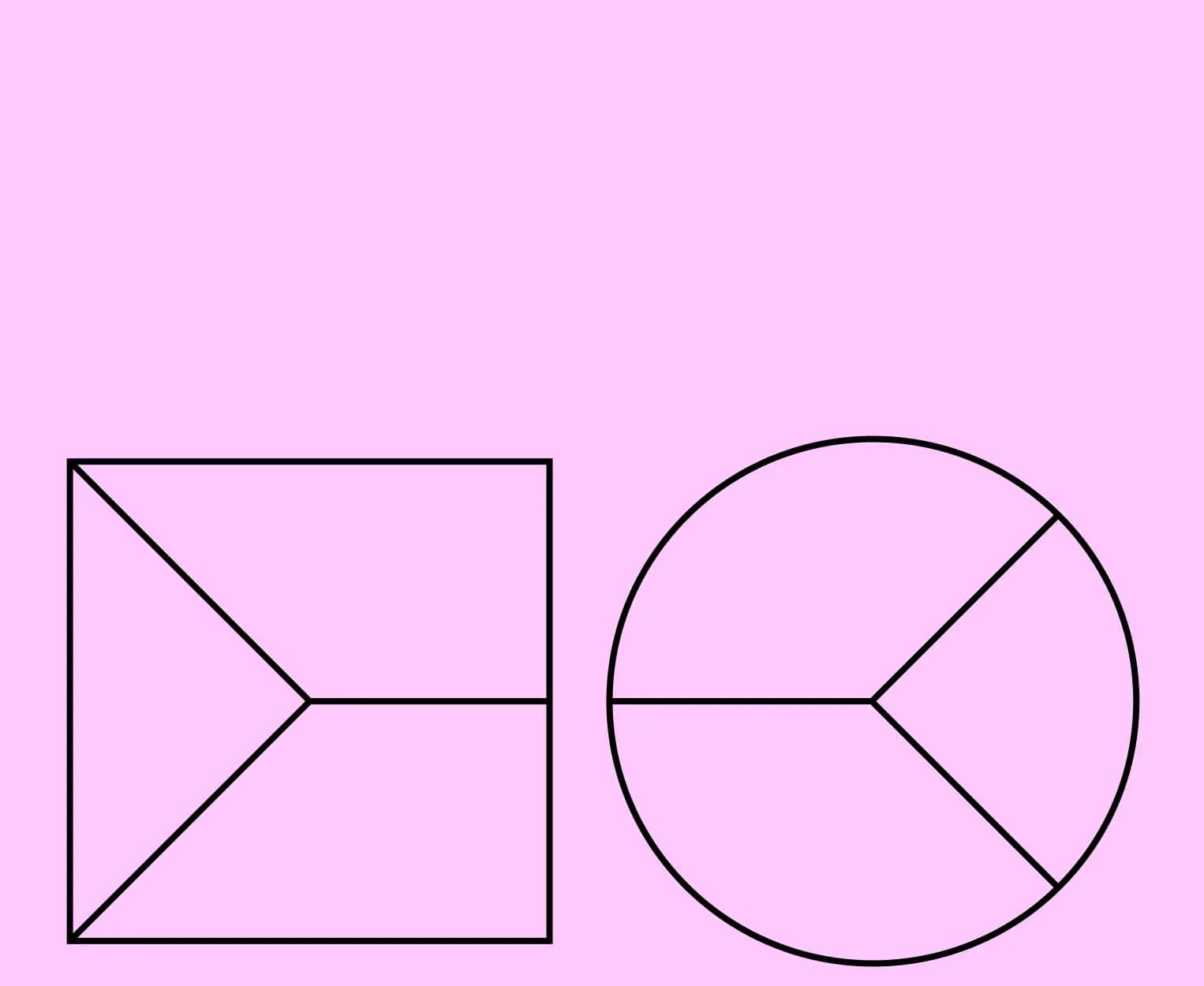
Value Proposition Canvas: Map Customer Needs to Product Features
The Value Proposition Canvas maps customer needs to product features to ensure you're building something people want. It connects customer "jobs," "pains," and "gains" to your product's features.
Empathy Mapping: Seeing Through Your User's Eyes
An empathy map is a tool for a team to build a shared picture of a user's mind, not just their actions. It's used in UX design to align on user needs before building. The footgun is treating it as a one-time checklist instead of.
ATDD: Aligning Code with Business Needs Before You Build
Acceptance Test-Driven Development (ATDD) is a communication framework where business, developers, and testers write acceptance tests together *before* coding begins. This ensures everyone understands the requirements.

Contract Testing: Test Interfaces, Not Integrations
Contract testing ensures services work together without slow integration tests. It's a formal agreement where a 'consumer' defines its needs, and a 'provider' proves it can meet them.

Strangler Fig Pattern: Replace Legacy Systems Safely
The Strangler Fig pattern lets you replace a legacy system by gradually growing a new one around it, eventually choking out the old code. It's used for modernizing critical systems where a "big bang" rewrite is too risky, routing traffic feature by feature.
Code Smells: Indicators of Deeper Problems, Not Flaws
A code smell is a surface-level hint, like a long method, that suggests a deeper design problem. It's an indicator, not a definitive flaw. The footgun is blindly "fixing" every smell; a smell is a reason to investigate, not an automatic command to refactor.
The Test Pyramid: Fast Feedback, Stable Code
The Test Pyramid is a strategy for balancing automated tests: write many fast unit tests, fewer integration tests, and very few slow end-to-end tests. It guides CI/CD pipelines to catch failures quickly. The footgun is over-relying on slow E2E tests.
DRY: Don't Repeat Yourself
DRY means every piece of knowledge has one single, authoritative representation in your system. This applies to business logic, config, or docs; a change in one place updates everywhere.
YAGNI: You Ain't Gonna Need It
YAGNI is a principle of radical simplicity: don't build features now just because you *think* you'll need them later. It forces focus on current requirements, preventing wasted effort on speculative work.