Advanced interview questions in Agile & Scrum, page 3
Trunk-Based Development vs. GitFlow for High-Frequency Releases
This tests your grasp of modern release strategy. Explain how TBD enables frequent merges to main, while feature toggles decouple deployment from release for safety. Contrast this with GitFlow's versioned release model.
Trunk-Based Development vs. GitFlow for High-Frequency Releases
This tests your grasp of modern CI/CD trade-offs. A great answer explains how TBD's frequent merges to main, decoupled from release by feature flags, enable velocity. Then, contrast this with GitFlow's complexity.
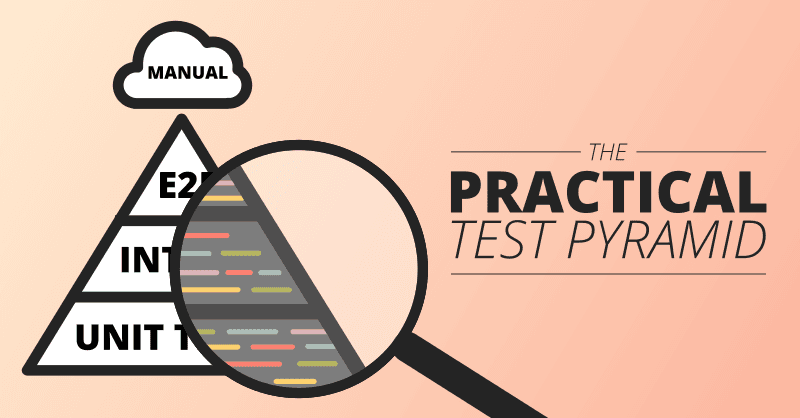
Propose a multi-sprint strategy to fix an inverted test pyramid
Audit E2E for redundancy; scaffold unit/integration tests; migrate per sprint, keep critical E2E; gate on fast feedback.
How do you fix an inverted test pyramid?
This tests your ability to create a pragmatic, multi-sprint plan to improve test suite health. A good answer involves analyzing tests, getting buy-in, then incrementally adding unit/integration tests while refactoring old E2E tests.
How would you refactor an inverted test pyramid?
This tests your ability to create a pragmatic, multi-sprint strategy for tech debt. A good answer includes analyzing the suite, quarantining flaky tests, enforcing new coverage standards, and incrementally refactoring. A red flag is proposing a total rewrite.
When should cross-cutting concerns use a shared versus duplicated solution?
Weigh change frequency and blast radius; decide via fitness function or ADR, not default shared code.
When to formalize a cross-cutting concern?
Tests your judgment on architectural trade-offs. A good answer uses the "Rule of Three," weighs volatility and complexity to decide, and avoids dogmatic DRY. A red flag is immediately abstracting without considering the high cost of a shared solution.
Shared Solution vs. Duplication for Cross-Cutting Concerns
Tests your judgment on trade-offs between duplication, coupling, and velocity. A good answer weighs the cost of premature abstraction against future refactoring, using triggers like the 'Rule of Three' and evaluating the concern's volatility.
Pushing back on a costly, low-value feature
Estimate cost in engineer-weeks, size the expected value, frame it as cost-per-unit-of-value, then propose a cheap experiment to test the hypothesis first.
Quantify and communicate a feature's cost/benefit trade-off
Tests your ability to influence product decisions with data. Quantify engineering cost (time, complexity, risk), then propose cheaper experiments like an MVP or fake door test to validate the hypothesis first.
Handling a High-Cost, Low-Value Feature Request
Tests your ability to influence product using data and lean principles, not just technical objections. Quantify cost in engineer-weeks, ask for value metrics, then propose cheaper experiments (e.g., a fake door test).
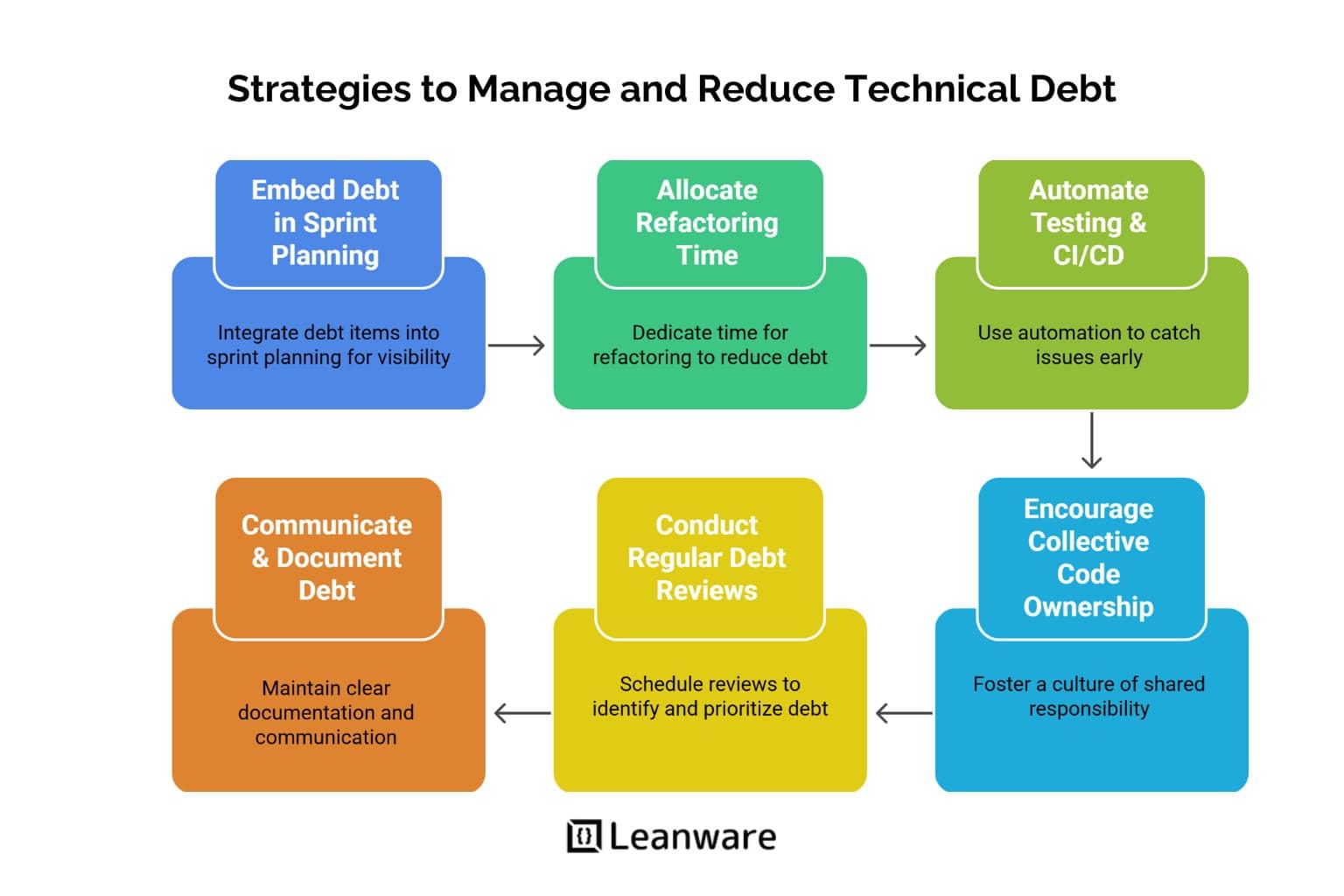
Describe a framework to strategically manage tech debt during product discovery
This tests strategic debt tradeoffs under speed pressure. A strong answer classifies debt by interest, caps MVP debt with guardrails, and reserves fixed sprint capacity for repayment. Red flag: vilifying debt or deferring cleanup without triggers.
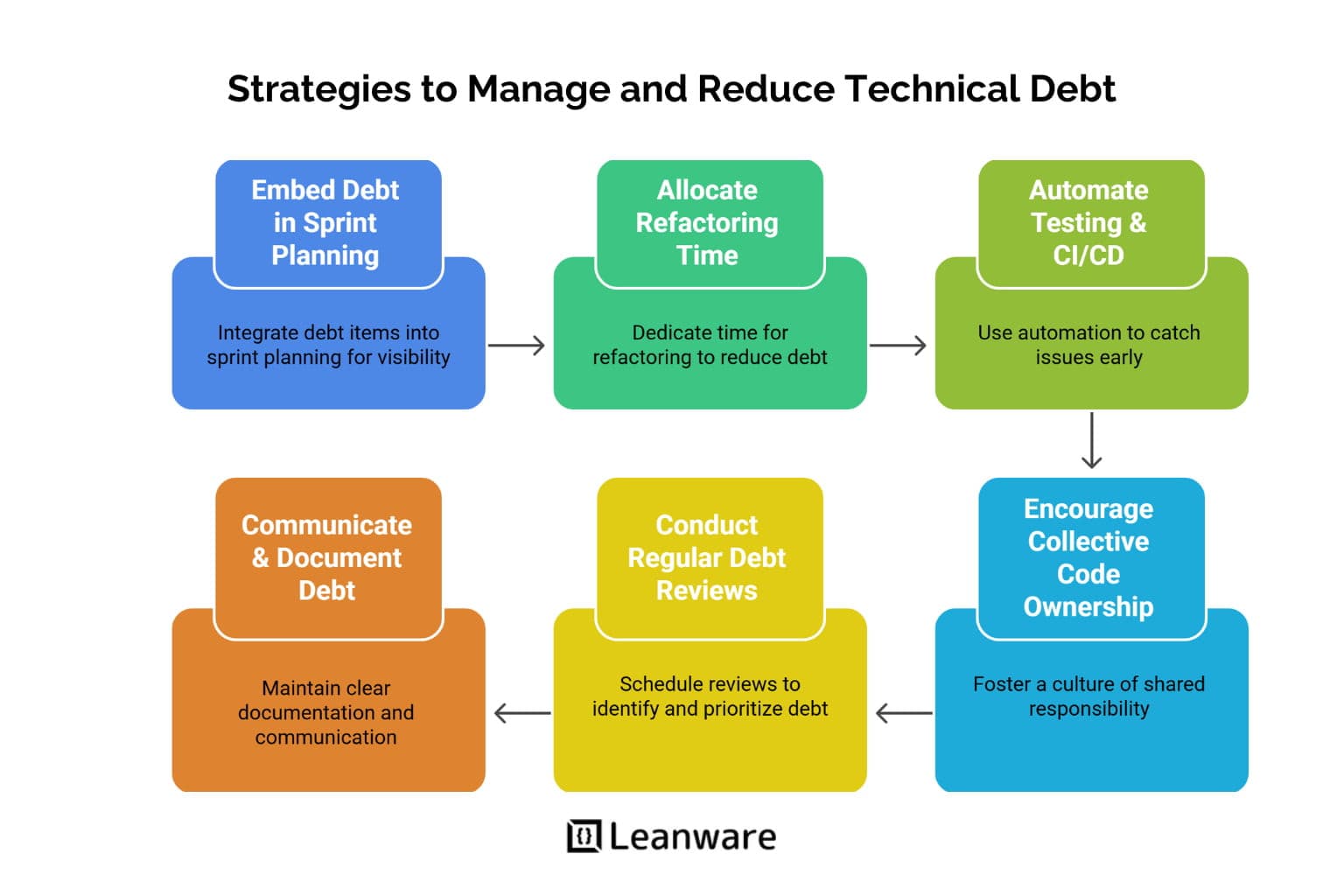
How do you strategically manage tech debt during product discovery?
This tests your strategic view of tech debt. A great answer defines intentional vs. unintentional debt, outlines a framework for tracking and repayment (like a debt backlog), and explains when it's a valid tool for MVPs.
Describe your framework for managing tech debt in product discovery.
Tests your strategic view of tech debt. A good answer frames debt as a tool, describes a framework for categorizing and tracking it, and explains how to tie repayment to product milestones. A red flag is viewing all debt as bad or lacking a concrete.

CFD Testing band widens: what does it indicate and what experiments?
This tests flow metric literacy. A widening Testing band means arrivals exceed departures; propose experiments like smaller batches, automation, or dev-test swarming, then measure cycle time. Red flag: blaming testers or demanding headcount without data.
Diagnosing a Widening CFD 'Testing' Band
Tests your ability to interpret a CFD and propose data-driven experiments. A widening 'Testing' band means work enters faster than it leaves. Diagnose with experiments (e.g., tracking test failures, environment downtime) before proposing solutions.
CFD shows a widening 'Testing' band. What does it mean?
This tests your ability to interpret process metrics and propose data-driven solutions. First, define the bottleneck: work enters testing faster than it leaves. Then, propose experiments to diagnose the cause before suggesting solutions.
Design an Upstream Kanban process for product ideas before development
Tests your grasp of pre-commitment demand shaping. A strong answer maps an option-discovery board, defines the commitment point and triage policies, and ties early filtering to reduced downstream variability.
Design and Implement an Upstream Kanban Process
Tests your understanding of managing demand vs. capability. A great answer defines Upstream Kanban as a pre-commitment filter, outlines board stages and policies, and explains how vetting work improves downstream predictability.
Design an Upstream Kanban for Product Ideas
Tests managing work before commitment. A good answer defines the commitment point, visualizes options on a board, and applies triage discipline to refine ideas. A red flag is describing a simple 'to-do' list without a structured filtering and decision process.
We are hiring for this. Every open role lists the topics its interview covers, so you can prepare for the real thing rather than guessing.
See open roles