Intermediate interview questions in Agile & Scrum, page 9

How do you handle non-functional requirements in a product backlog?
This tests if you can make abstract quality goals concrete. A good answer covers making NFRs explicit backlog items, adding them to the Definition of Done, and creating technical stories. A red flag is treating NFRs as assumed work that doesn't need tracking.
How do you handle non-functional requirements in a product backlog?
This tests your ability to integrate quality attributes (NFRs) into the agile workflow. Make them visible in the backlog, add them to the Definition of Done, and break them into testable sprint tasks. Red flag: treating NFRs as separate, non-sprint work.

Quantify the cost of not addressing technical debt to a Product Owner
Model debt as velocity tax; forecast delays; map time to revenue; scope a slice.
How do you quantify the cost of technical debt?
This tests translating engineering problems into business impact. Calculate the ongoing time cost per sprint, estimate the fix cost, and present a breakeven point to frame the refactor as an investment.
How do you quantify the cost of not addressing technical debt?
Tests your ability to translate technical issues into business impact. A good answer quantifies the slowdown, calculates the 'tax' on new features, and proposes a specific, time-boxed plan. A red flag is complaining about the PO without providing data.
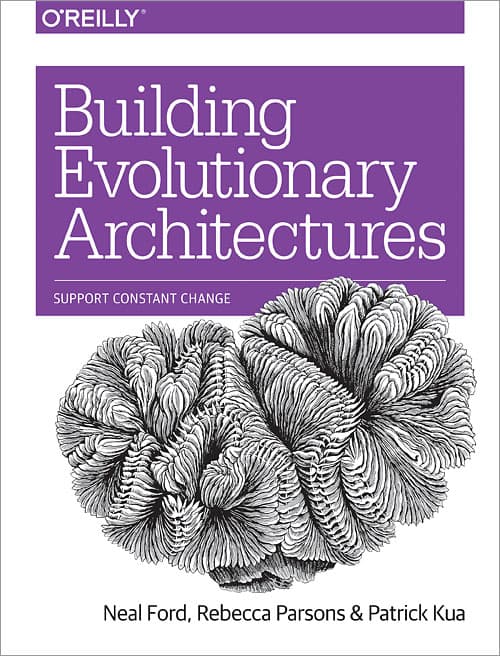
Design a system architecture optimized for rapid product discovery and iteration
Tests architecting for uncertainty via evolutionary principles. Answer: modular granularity, continuous delivery, and automated fitness functions guarding security and data. Red flag: rigid upfront design ignoring orthogonal dimensions or cross-cutting harm.
Design an Architecture for Rapid Product Iteration
This tests your grasp of evolutionary architecture for uncertain markets. Outline how to support guided, incremental change across multiple dimensions (tech, data, security) using fitness functions to protect key characteristics.
How would you design an architecture for rapid product iteration?
Tests your grasp of evolutionary architecture for uncertain markets. A great answer outlines incremental change via modularity and CI/CD, fitness functions to guard qualities like security, and evolving across multiple dimensions (tech, data).
What structural impediments drive Zombie Scrum in agile transformations?
Spot project funding, component silos, absent real stakeholders, HR incentives that punish team autonomy, and a utilization culture killing improvement.
What systemic impediments cause 'Zombie Scrum' in an organization?
This tests your ability to diagnose organizational dysfunction beyond team-level issues. A great answer identifies systemic impediments like a lack of stakeholder involvement, low team autonomy, and a focus on output over value.
What systemic impediments cause 'Zombie Scrum'?
Tests your ability to diagnose systemic issues beyond team-level Scrum mechanics. A great answer identifies four root causes: misunderstood purpose, no stakeholder involvement, fake continuous improvement, and low team autonomy. A red flag is blaming the team.
How should the team handle an oversized user story in Sprint Planning?
Split it vertically with the Product Owner, swarm the top slice, and renegotiate scope rather than overcommitting.
How do you handle a story that's too large for a sprint?
Tests your ability to apply agile principles pragmatically. A great answer prioritizes the Sprint Goal, collaborates with the PO to vertically slice the story into smaller valuable pieces, and then re-plans the sprint backlog.
Handling a user story too large for a sprint
This tests your grasp of vertical slicing and incremental value. A good answer involves collaborating with the PO, splitting the story into smaller, value-delivering slices, and negotiating scope.

What options exist when a story is too large for one sprint?
This tests vertical-slicing discipline versus architectural decomposition. A strong answer covers splitting by user value, checking INVEST criteria, and avoiding task-like layers. A red flag is proposing horizontal database or UI splits that defer feedback.
A story is too large for one sprint. What are your options?
Tests your grasp of incremental value delivery over just task completion. A great answer first re-validates priority with the PO, then discusses vertical splitting strategies and their trade-offs.
A high-priority story is too large for one sprint. What are the options?
This tests your ability to deliver incremental value. A good answer prioritizes vertical slicing (end-to-end functionality) over horizontal (task-based) splits. Discuss trade-offs of different splitting patterns.
Manager wants to attend your Sprint Retrospective. Risk and response?
This tests your grasp of psychological safety in retrospectives. A strong answer cites the observer effect, proposes an alternative forum first, and sets ground rules if attendance is required.
Manager Wants to Attend Your Sprint Retrospective. How Do You Respond?
Tests your grasp of psychological safety and stakeholder management. A good answer identifies the risk to open feedback, proposes other ways to inform the manager, and suggests a structured, one-time experiment if they must attend.
A manager wants to attend your team's Sprint Retrospective. What's the risk?
Tests your grasp of psychological safety in Agile and stakeholder management. A great answer identifies the risk of chilled feedback, diagnoses the manager's underlying need, and proposes an alternative forum.
We are hiring for this. Every open role lists the topics its interview covers, so you can prepare for the real thing rather than guessing.
See open roles