More in Agile & Scrum — page 17
Apply Little's Law to a Kanban system to optimize flow
Tests applying queuing theory to software delivery. Define Little's Law as WIP = Throughput × Cycle Time. Explain how reducing WIP limits directly shortens cycle time for a stable throughput.
CFD 'Code Review' band is widening. What does it mean?
This tests your ability to interpret a CFD and propose actions. A widening 'Code Review' band means work enters faster than it leaves. Diagnose the bottleneck (e.g., review quality, reviewer availability), then propose solutions.
Investigating Variable Sprint Velocity
This tests your ability to diagnose issues by connecting process metrics to technical health. A great answer hypothesizes technical causes (e.g., tech debt, flaky tests), identifies specific data for validation (e.g., cycle time, build logs), and avoids…
Design an Upstream Kanban for Product Ideas
Tests managing work before commitment. A good answer defines the commitment point, visualizes options on a board, and applies triage discipline to refine ideas. A red flag is describing a simple 'to-do' list without a structured filtering and decision process.

CFD shows a widening 'Testing' band. What does it mean?
This tests your ability to interpret process metrics and propose data-driven solutions. First, define the bottleneck: work enters testing faster than it leaves. Then, propose experiments to diagnose the cause before suggesting solutions.
How would you implement Classes of Service in Kanban?
Tests your grasp of risk management and flow optimization in Kanban. A good answer defines classes (Expedite, Fixed Date), explains implementation via swimlanes and WIP limits, and gives an example showing trade-offs.

Lead Time vs. Cycle Time in Kanban
Tests your understanding of core Kanban metrics for process improvement. Define Lead Time (request to delivery) and Cycle Time (work start to completion), noting Cycle Time is a subset. A red flag is confusing the two or being imprecise about start/end points.

What initial columns would you set up on a Kanban board?
Tests your grasp of Kanban's core goal: visualizing workflow. Start with a simple board (To Do, In Progress, Done), explaining how each column represents a work state. A red flag is creating an overly complex board without justifying the need for each stage.
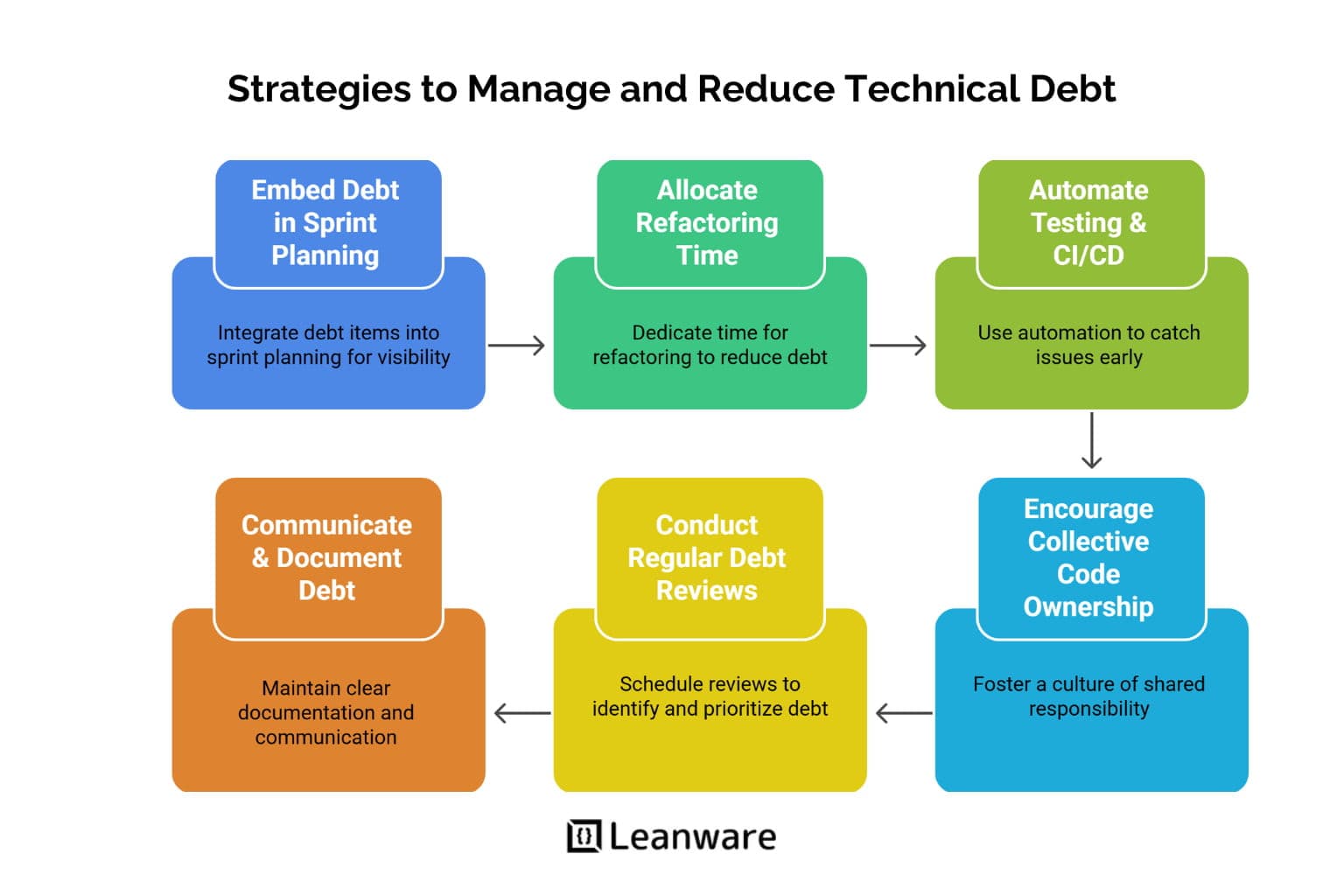
Describe your framework for managing tech debt in product discovery.
Tests your strategic view of tech debt. A good answer frames debt as a tool, describes a framework for categorizing and tracking it, and explains how to tie repayment to product milestones. A red flag is viewing all debt as bad or lacking a concrete.
Handling a High-Cost, Low-Value Feature Request
Tests your ability to influence product using data and lean principles, not just technical objections. Quantify cost in engineer-weeks, ask for value metrics, then propose cheaper experiments (e.g., a fake door test).
How do you measure a new feature's success beyond bugs and uptime?
Tests if you connect engineering to business value. A great answer links success to the feature's original goals, proposes user behavior and business impact metrics, and names specific tools.
How to handle user feedback that invalidates your current sprint's work?
Tests your grasp of Scrum's adaptation principle. A great answer involves immediately notifying the Product Owner, assessing Sprint Goal impact, and proposing technical pivots like feature flagging. A red flag is continuing to build the invalidated feature.

Differentiating an MVP from a throwaway prototype
Tests your grasp of strategic technical investment. Differentiate by intent: an MVP is the first version, a prototype is disposable. A great answer introduces Minimum Viable Architecture (MVA) to support future needs.
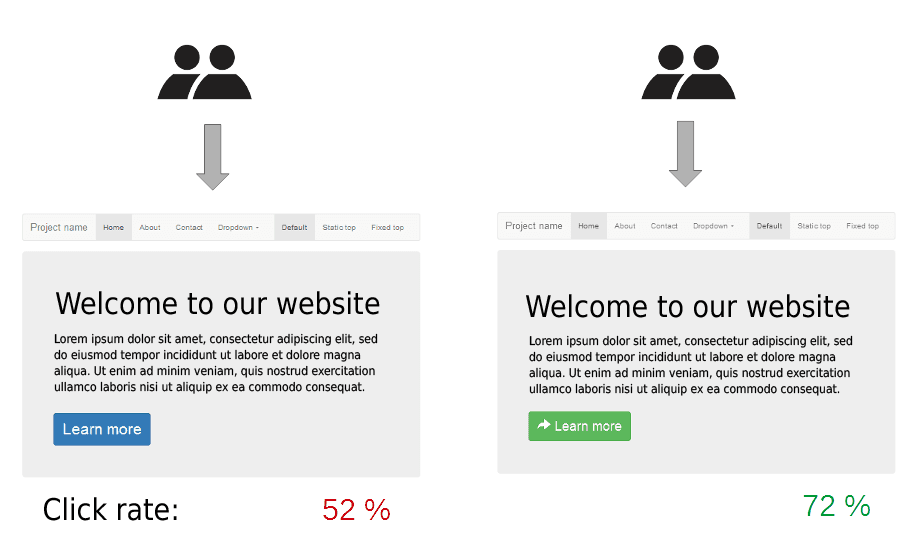
How would you A/B test a redesigned dashboard?
This tests your ability to translate a product goal into a technical plan. A good answer defines "engagement" with metrics, outlines the bucketing and instrumentation strategy, and discusses statistical significance.
What is an engineer's role in story refinement?
Tests your role in translating needs to tech specs. A great answer covers clarifying questions, task breakdown, sizing, and acceptance criteria. A red flag is passively waiting for tasks instead of proactively de-risking the work.

What information do you need in a user story?
This tests your ability to connect engineering work to user value. A great answer covers the user persona (who), their motivation (why), and measurable success criteria (what), explaining how this context informs technical decisions.
Shared Solution vs. Duplication for Cross-Cutting Concerns
Tests your judgment on trade-offs between duplication, coupling, and velocity. A good answer weighs the cost of premature abstraction against future refactoring, using triggers like the 'Rule of Three' and evaluating the concern's volatility.
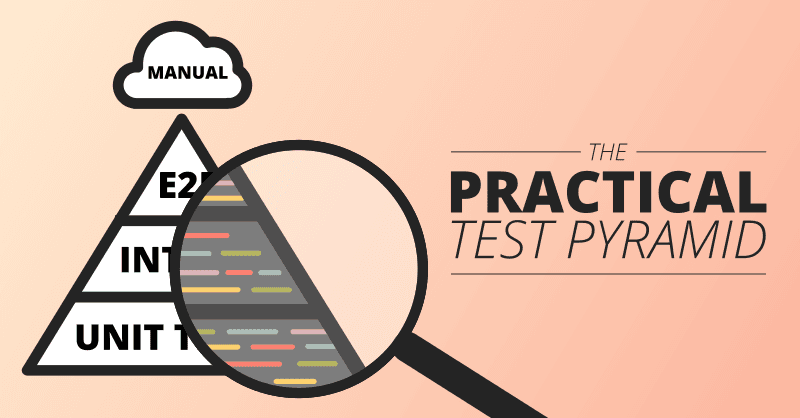
How would you refactor an inverted test pyramid?
This tests your ability to create a pragmatic, multi-sprint strategy for tech debt. A good answer includes analyzing the suite, quarantining flaky tests, enforcing new coverage standards, and incrementally refactoring. A red flag is proposing a total rewrite.
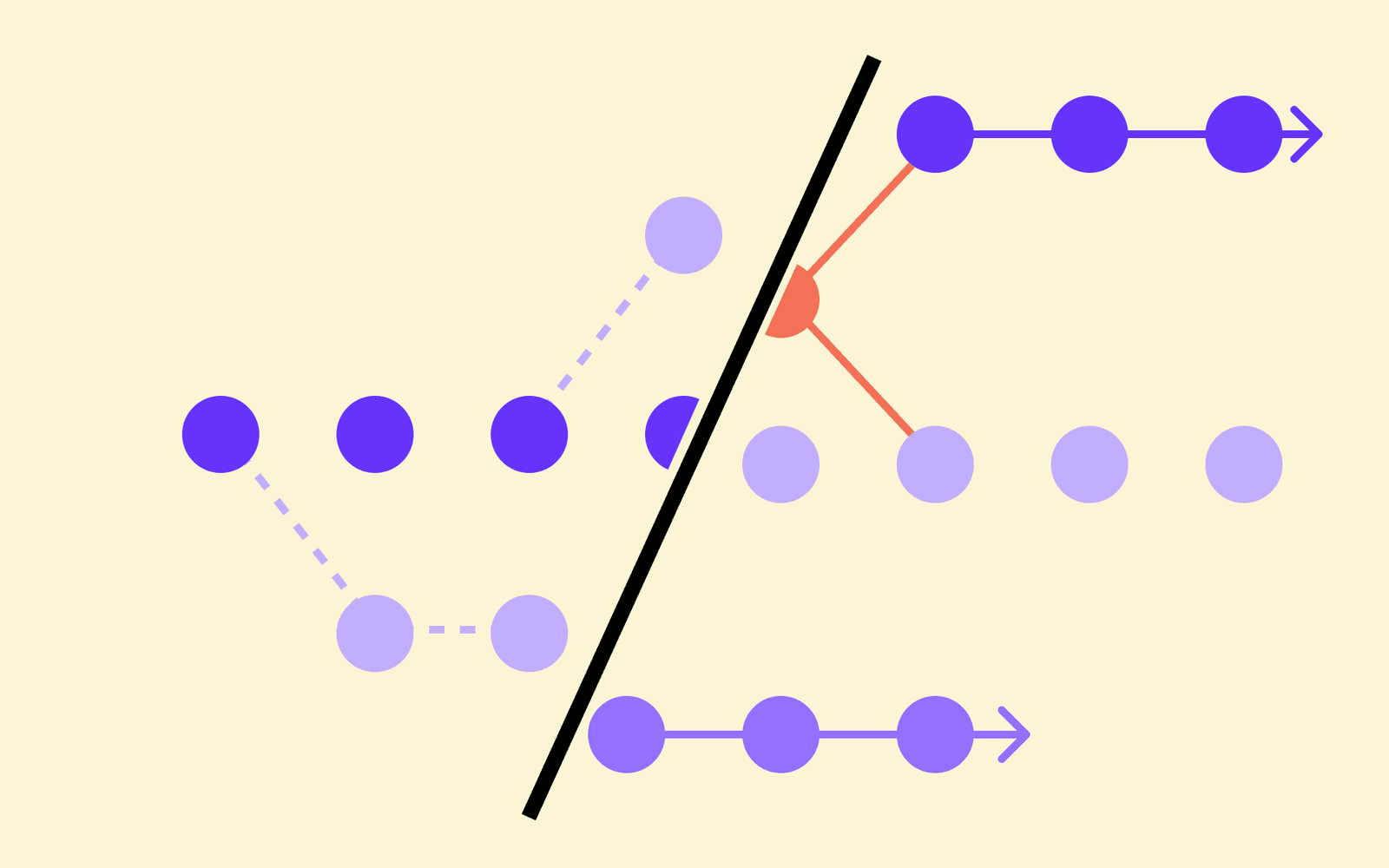
Trunk-Based Development vs. GitFlow for High-Frequency Releases
This tests your grasp of modern CI/CD trade-offs. A great answer explains how TBD's frequent merges to main, decoupled from release by feature flags, enable velocity. Then, contrast this with GitFlow's complexity.

The Strangler Fig Pattern for Legacy System Refactoring
Tests your understanding of gradual legacy modernization and risk management. A great answer defines the pattern (new system grows over old), outlines the process (identify seams, build new, redirect traffic), and contrasts it with risky "big bang" rewrites.