More in Agile & Scrum — page 15

How do you build a business case for technical debt work?
Tests your ability to translate technical issues into business impact. Frame debt as business risk, quantify its impact on velocity and cost, and propose a clear, capacity-based plan.

Distinguish Throughput from Velocity in agile planning
This tests your grasp of outcome (Throughput) vs. effort (Velocity) metrics. Define both: Throughput is item count/time, Velocity is points/sprint. Contrast them by explaining Throughput measures actual delivery, not estimates.

Coaching a team from dependency to self-management
This tests your ability to apply a maturity model (like Tuckman's) to Agile coaching. Outline your shift from directive teaching in Forming to challenging in Performing, retiring basic facilitation as the team matures. A red flag is a static coaching style.
How would you coach a team with fluctuating velocity?
This tests your ability to use metrics for coaching, not just reporting. A good answer reframes the goal to predictability, investigates both qualitative and quantitative data, and proposes experiments. A red flag is treating velocity as a performance metric.

How would you advocate for decentralizing deployment approvals?
This tests your ability to drive organizational change with data. A great answer frames the problem using a decision framework (e.g., SAFe), proposes a phased pilot, and defines metrics like Cycle Time and Change Failure Rate to prove value.
A manager wants to attend your team's Sprint Retrospective. What's the risk?
Tests your grasp of psychological safety in Agile and stakeholder management. A great answer identifies the risk of chilled feedback, diagnoses the manager's underlying need, and proposes an alternative forum.

A high-priority story is too large for one sprint. What are the options?
This tests your ability to deliver incremental value. A good answer prioritizes vertical slicing (end-to-end functionality) over horizontal (task-based) splits. Discuss trade-offs of different splitting patterns.
Handling a user story too large for a sprint
This tests your grasp of vertical slicing and incremental value. A good answer involves collaborating with the PO, splitting the story into smaller, value-delivering slices, and negotiating scope.
What systemic impediments cause 'Zombie Scrum'?
Tests your ability to diagnose systemic issues beyond team-level Scrum mechanics. A great answer identifies four root causes: misunderstood purpose, no stakeholder involvement, fake continuous improvement, and low team autonomy. A red flag is blaming the team.
How would you design an architecture for rapid product iteration?
Tests your grasp of evolutionary architecture for uncertain markets. A great answer outlines incremental change via modularity and CI/CD, fitness functions to guard qualities like security, and evolving across multiple dimensions (tech, data).

How do you quantify the cost of not addressing technical debt?
Tests your ability to translate technical issues into business impact. A good answer quantifies the slowdown, calculates the 'tax' on new features, and proposes a specific, time-boxed plan. A red flag is complaining about the PO without providing data.
How do you handle non-functional requirements in a product backlog?
This tests your ability to integrate quality attributes (NFRs) into the agile workflow. Make them visible in the backlog, add them to the Definition of Done, and break them into testable sprint tasks. Red flag: treating NFRs as separate, non-sprint work.

Blocker vs. Impediment: Definitions and Escalation
Tests your grasp of Scrum terms and escalation. A blocker stops work; an impediment slows it. A good answer defines both, then outlines an escalation path for impediments: visualize, quantify impact, and engage leadership.
Which Scrum event is most critical for a failing team?
This tests your grasp of Scrum's empirical process. A great answer champions the Sprint Retrospective for team self-inspection and process adaptation. A red flag is blaming a role or picking an event without justifying it based on Scrum principles.

How does an EM's role change in an agile model?
This tests your grasp of servant leadership. A great answer explains the shift from directing work to enabling teams by building capabilities, removing impediments, and managing boundaries.
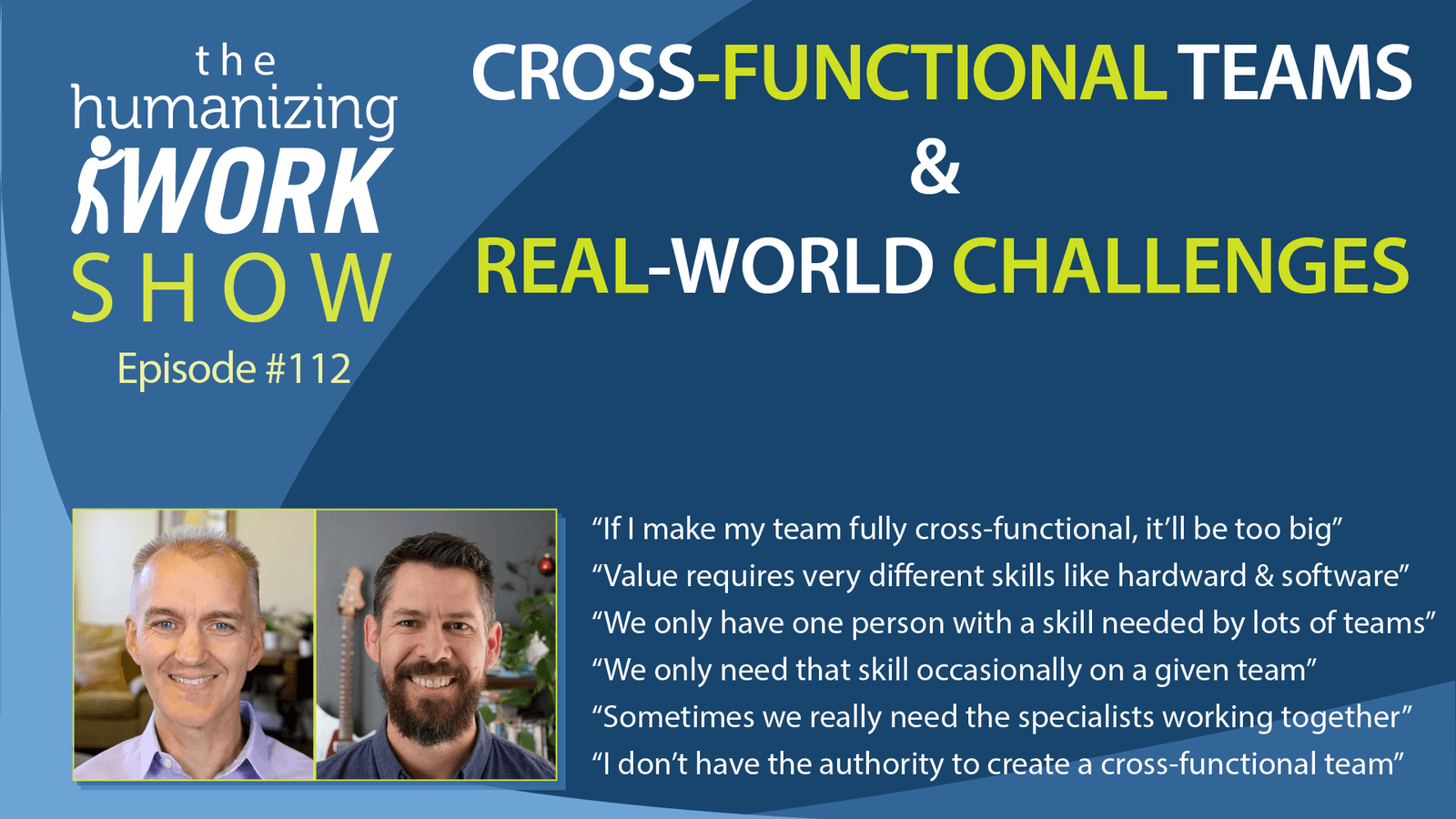
Challenges of Transitioning to Cross-Functional Teams?
This tests your grasp of the friction in agile transitions. A good answer covers skill gaps requiring cross-training, new process demands like CI/CD ownership, and ambiguity over responsibilities like on-call.
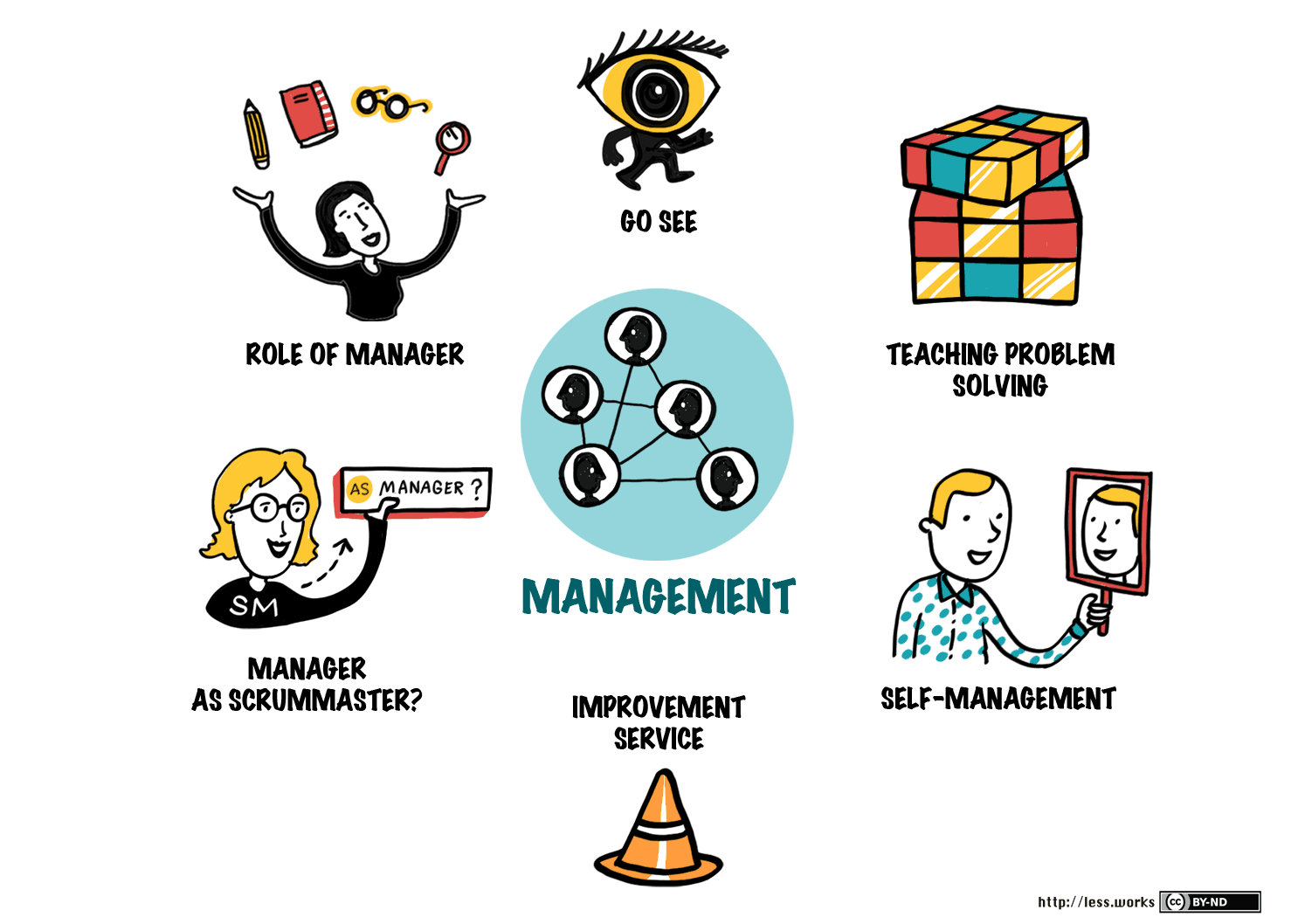
How Management's Role Evolves When Scaling Agile
This tests your grasp of servant leadership vs. command-and-control. A good answer contrasts traditional managers (directing work) with enabling managers (removing impediments, teaching problem-solving) as seen in LeSS.
What is an Architectural Runway and how do you maintain it?
Tests balancing intentional architecture with emergent design in SAFe. Define it as the tech foundation for near-term features, built via Enabler stories. You contribute by identifying and implementing these enablers.

How would you create a probabilistic forecast for a backlog?
This tests your grasp of probabilistic forecasting over single-date estimates. A good answer explains using historical throughput to run a Monte Carlo simulation, then presenting a range of dates with confidence levels (e.g., 50%, 85%).

When does a task's Cycle Time begin and end?
This tests your practical grasp of process metrics. Define Cycle Time as starting when active work begins ('In Progress') and ending when 'Done' (shippable). Contrast it with Lead Time (request to delivery). A red flag is confusing the two or being too vague.