Advanced concepts in AI & ML, page 7
AWS Inferentia and Annapurna Labs
AWS Inferentia is an AWS chip product line. Annapurna Labs, Amazon's semiconductor division acquired in 2015, builds Nitro, Graviton, and Trainium and ranks among TSMC's top five fabless customers. Do not assume Annapurna designs every AWS accelerator.
Compute Abstraction Layer: Run Code Anywhere
A Compute Abstraction Layer is a universal adapter for your code, letting you run it on a laptop, cloud GPU, or cluster without changes. It's used in MLOps to scale a script from local debug to production training. The footgun is a leaky abstraction.
Hybrid Cloud MLOps: Train Anywhere, Deploy Everywhere
Treat your ML infrastructure like your applications—a consistent platform that runs anywhere, avoiding siloed stacks for data science and app dev. Use it to train on cloud GPUs but deploy on-prem for low latency, ensuring dev/prod parity across environments.
Apache ZooKeeper: A Coordinator for Distributed Systems
Think of ZooKeeper as a reliable key-value store for metadata. It provides distributed systems with essentials like configuration management, leader election, and service discovery, ensuring all nodes agree on the system's state.
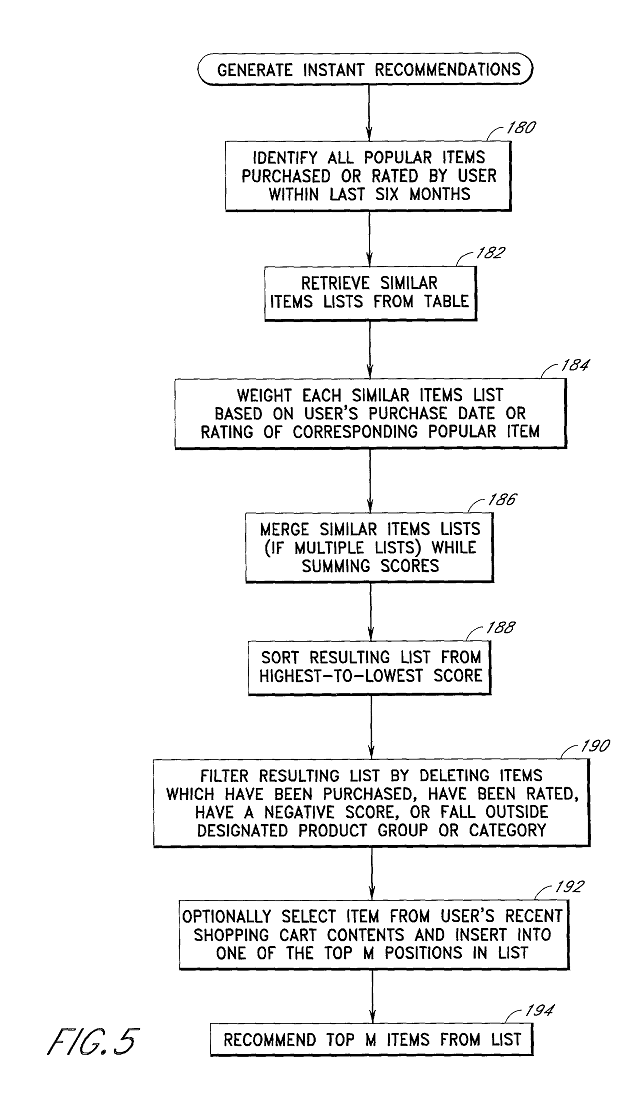
Bias Mitigation Algorithms: Correcting Unfair AI
Bias mitigation algorithms steer AI toward a defined standard of fairness. They're used in high-stakes systems like hiring or loan approvals to counteract harmful, systemic tendencies learned from biased data.
AI Auditing: The OWASP LLM Top 10 Checklist
Think of an AI audit like a building inspection for your LLM app, checking for structural weaknesses. It uses frameworks like the OWASP Top 10 to find risks like prompt injection and data leakage.
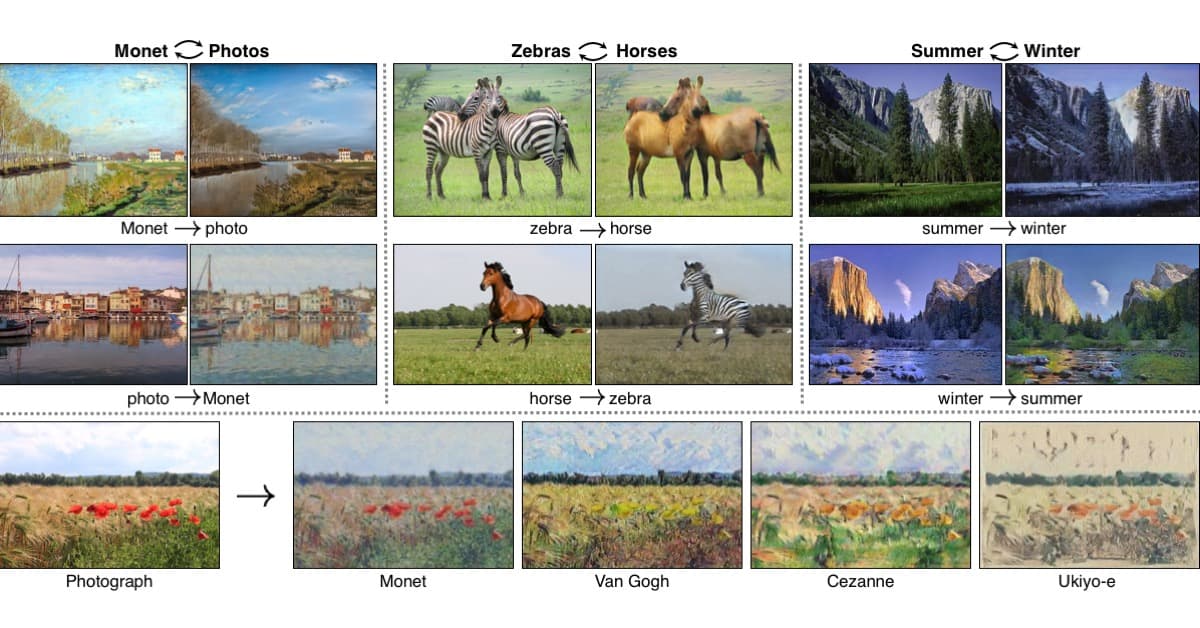
CycleGAN: Image Translation Without Paired Data
CycleGAN translates images between domains (e.g., photos to paintings) without direct 'before' and 'after' examples. It's used for style transfer or turning horses into zebras. The footgun is that it hallucinates details, making it unsafe for critical tasks.
Adversarial Attacks: Fooling Smart Models with Tiny Changes
Adversarial attacks trick ML models with tiny, imperceptible input changes, causing misclassification. It's like a visual illusion for an AI, turning a 'stop sign' into a 'speed limit' sign by altering a few pixels.
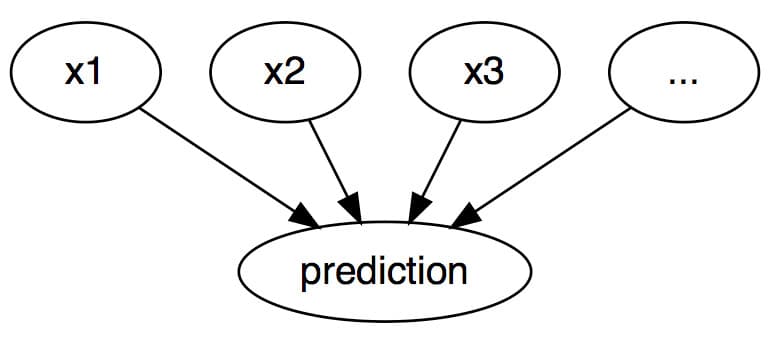
Counterfactual Explanations: How to Change a Model's Mind
A counterfactual explanation finds the smallest input change that flips a model's prediction. It's used to give actionable feedback, like telling a user what to change to get a loan approved.

Interactive Data Viz: Let Users Explore the Data
Interactive data viz turns a static report into a conversation, giving users controls to ask their own questions. It's key for BI dashboards and research tools. The footgun is overwhelming users with too many options, creating confusion instead of clarity.
Normalizing Flows: Shaping Simple Distributions into Complex Ones
Normalizing flows transform a simple probability distribution, like a Gaussian, into a complex one, like images. This allows generative models to explicitly calculate the probability of any data point. The footgun is that the transformation must be invertible.
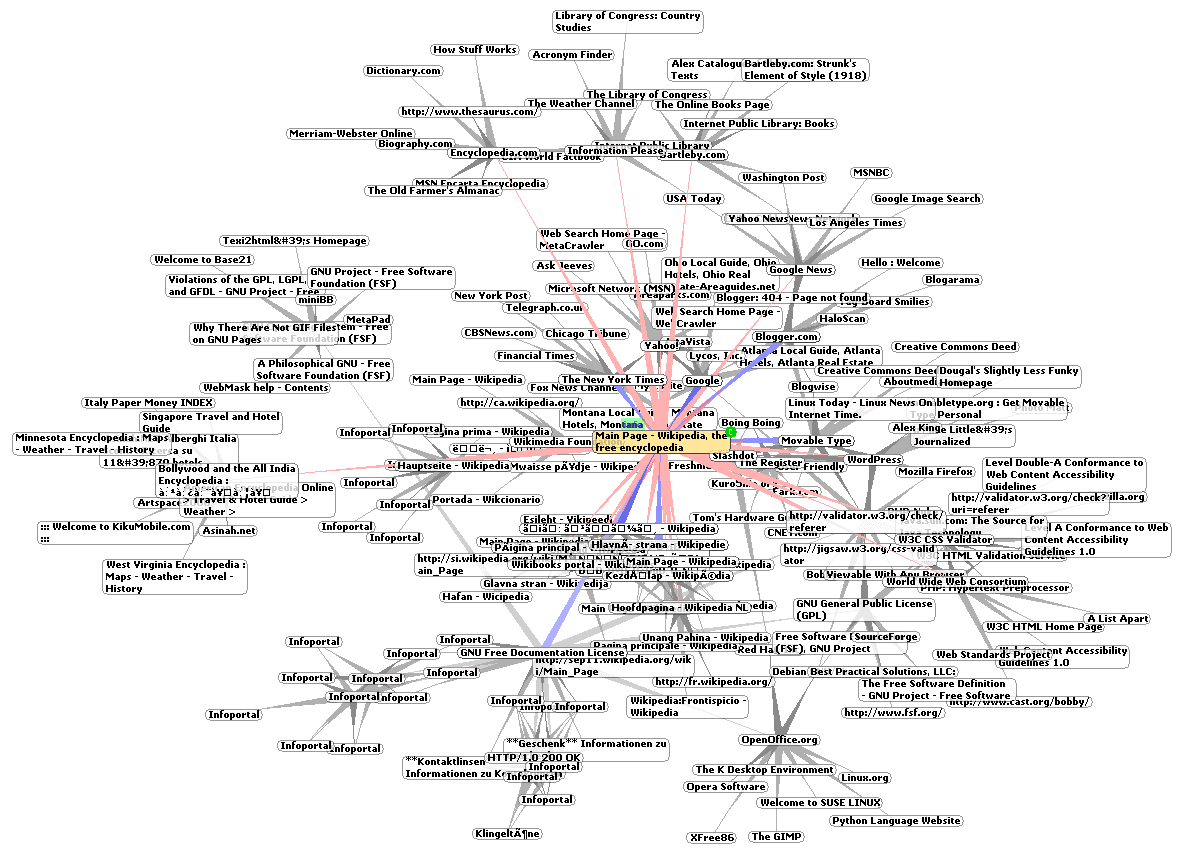
Network Visualization: Making Sense of Connections
Network visualization turns abstract relationships into a 2D map. It's used to see structure in social networks or biological pathways. The footgun is that layout choices can create misleading patterns; a pretty graph isn't always a true one.
GAN Inversion: Editing Real Photos with Fake Image Generators
GAN Inversion finds the latent code "recipe" inside a pre-trained GAN that best recreates a real image. This lets you use a generator's powerful editing features on real photos for tasks like manipulation or restoration.
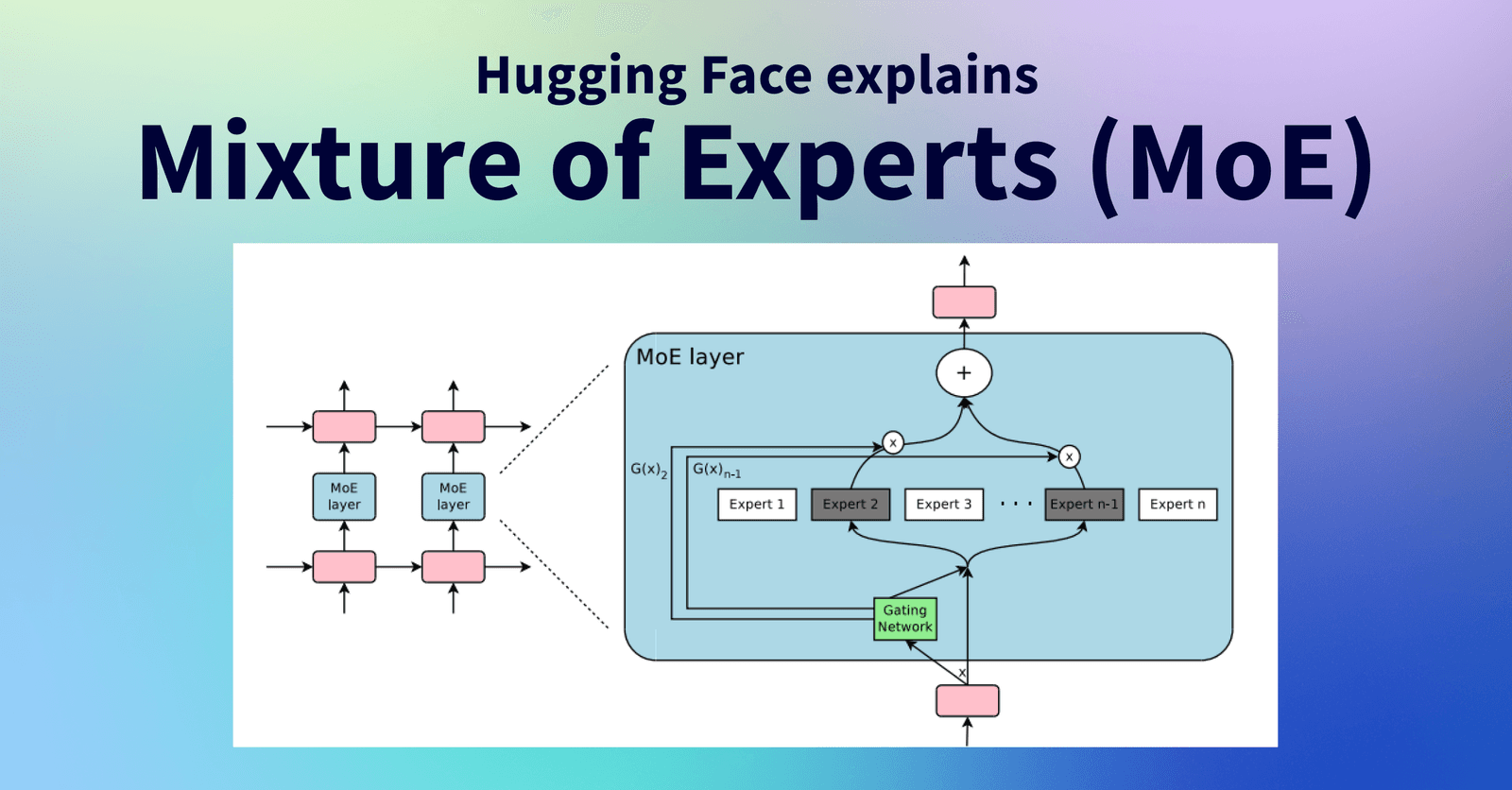
Mixture of Experts: Scaling Models by Activating Specialists
A Mixture of Experts (MoE) model acts like a team of specialists instead of one generalist. A router sends each token to a few expert sub-networks, enabling faster training and inference for massive models.
World Models: An AI's Internal Simulator for Planning
A world model is an AI's internal simulator, letting it 'dream' about how actions change its environment. This powers robots and autonomous cars, letting them plan complex tasks without real-world trial and error.
Scene Graph Generation: From Pixels to Relationships
Scene Graph Generation (SGG) moves beyond just finding objects in an image; it maps out the relationships between them. This enables deeper scene understanding for tasks like advanced image search.
Visual Servoing: Using Eyes to Guide a Robot's Hands
Visual servoing is like how you reach for a cup: your eyes guide your hand. A robot uses a camera to continuously correct its motion toward a target, closing the loop between seeing and doing. It's key for robotic arms, drones, and surgical bots.
Reserved Instances vs. Savings Plans: Pre-pay for Cloud Discounts
Think of Reserved Instances and Savings Plans as buying cloud compute in bulk for a discount. You commit to a certain usage level for 1-3 years to save money on steady-state workloads like production databases.

Affordance Learning: Teaching AI What Objects Do
Instead of just naming objects, affordance learning teaches AI to see potential actions—a chair is for sitting, a knob is for turning. This is crucial for robotics, where a machine must know how to interact with novel items.

Cloud Cost Anomaly Detection: Finding Waste
Think of it as a smoke detector for your cloud bill, distinguishing 'good' growth-related costs from 'bad' waste. It automatically flags unexpected spending spikes from misconfigurations or bugs.
We are hiring for this. Every open role lists the topics its interview covers, so you can prepare for the real thing rather than guessing.
See open roles