Easy concepts in AI & ML, page 4
Generative Inpainting: Filling in the Blanks with AI
Generative inpainting is like Photoshop's 'Content-Aware Fill' on steroids. It uses AI to reconstruct missing or unwanted parts of an image, perfect for removing objects or repairing old photos.

Intersection over Union (IoU): How Good is Your Bounding Box?
Intersection over Union (IoU) scores how well a predicted box matches the real one by dividing their overlap area by their total area. It's vital for object detection in self-driving cars and medical imaging.

Online Inference: Predictions on Demand
Online inference is a vending machine for predictions: you make one request and get one result back immediately. It powers real-time features like fraud detection or content moderation.
Batch Inference: High Throughput, Not High Speed
Think of batch inference as processing a day's mail at once, not as each letter arrives. It trades immediate answers for cost-effective, high-volume predictions, like generating daily product recommendations. The footgun is using it for real-time needs.
Multimodal Models: Beyond Just Text
A multimodal model understands the world by connecting different data types, like images and text, instead of just one. It's how AI generates images from descriptions or answers questions about a photo. The footgun is assuming more data types always helps.
Speech-to-Text (ASR): Turning Spoken Words into Data
Speech-to-Text (ASR) is a digital stenographer, turning spoken language into machine-readable text. It's the engine behind voice assistants, automated call routing, and video captioning.
k-Nearest Neighbors: You Are the Company You Keep
k-NN classifies new data by taking a vote from its closest neighbors. It's used for simple predictions where distance is meaningful, like product recommendations. The main footgun is choosing k: too small is noisy, too large blurs boundaries.

Load Balancing for Model Serving
A load balancer is a traffic cop for your AI model's API, directing requests to multiple model copies to prevent overload. It's essential for production systems to ensure high availability. The footgun is forgetting health checks, causing failed requests.
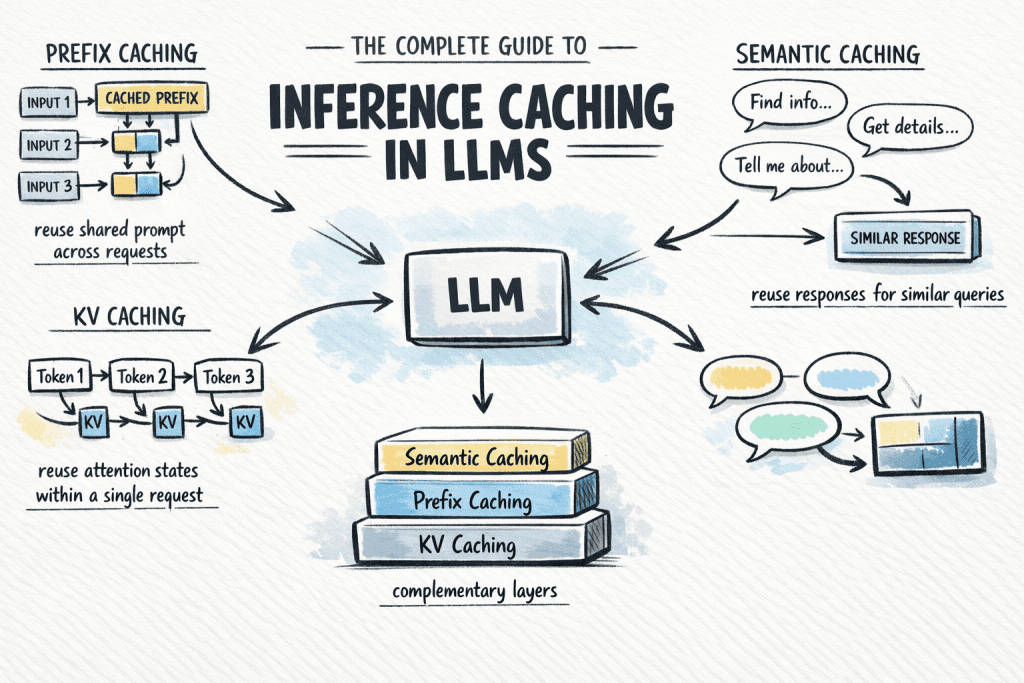
LLM Inference Caching: Pay for Computation Once
LLM inference caching reuses past computations to cut costs and latency. It avoids reprocessing shared system prompts or serves full answers for common queries without hitting the model. The footgun: semantic caches can return a "similar" but incorrect answer.
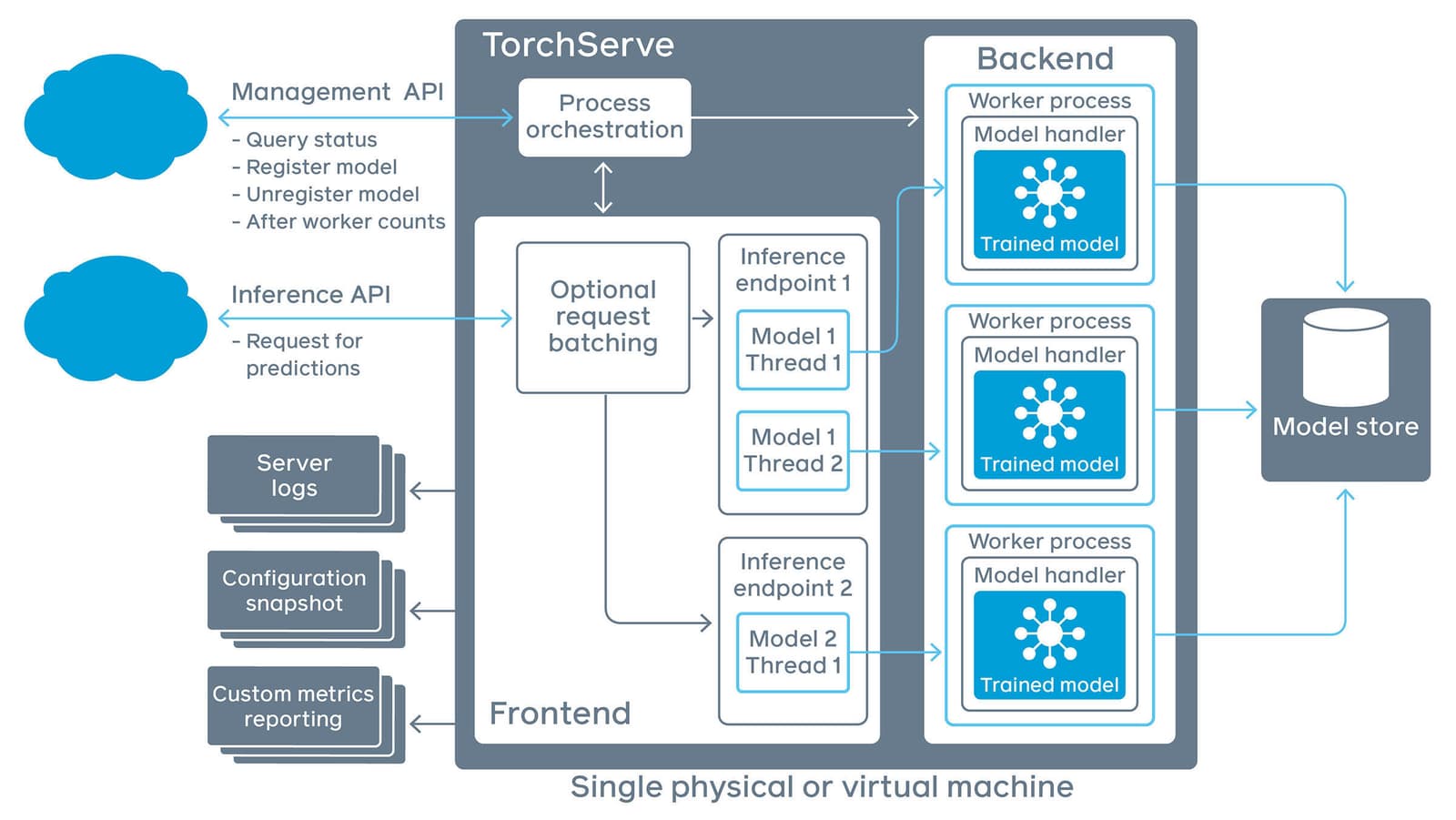
TorchServe: Serving PyTorch Models in Production
TorchServe is a web server for your PyTorch models, turning them into production-ready API endpoints. It's used to expose trained models over a network via REST or gRPC for inference, handling batching and multi-model serving.

Human Evaluation: Judging AI When Metrics Aren't Enough
Human evaluation is the ultimate reality check for AI, using people to judge qualities like fluency and coherence that automated scores can't capture. It's essential for tasks like summarization but is too slow and costly to use for everything.
Frame Differencing: The Simplest Way to See Motion
See motion by subtracting one video frame from the next; what's left over is what moved. This is used for simple motion detection but is easily fooled by lighting changes or camera shake, which it misinterprets as movement.
Background Subtraction: Finding What's Moving in Video
Think of a security camera that has memorized the empty room. Background subtraction digitally 'subtracts' this static view from the live feed, leaving only moving objects. It’s used to spot intruders or count cars, but fails if the background itself changes.
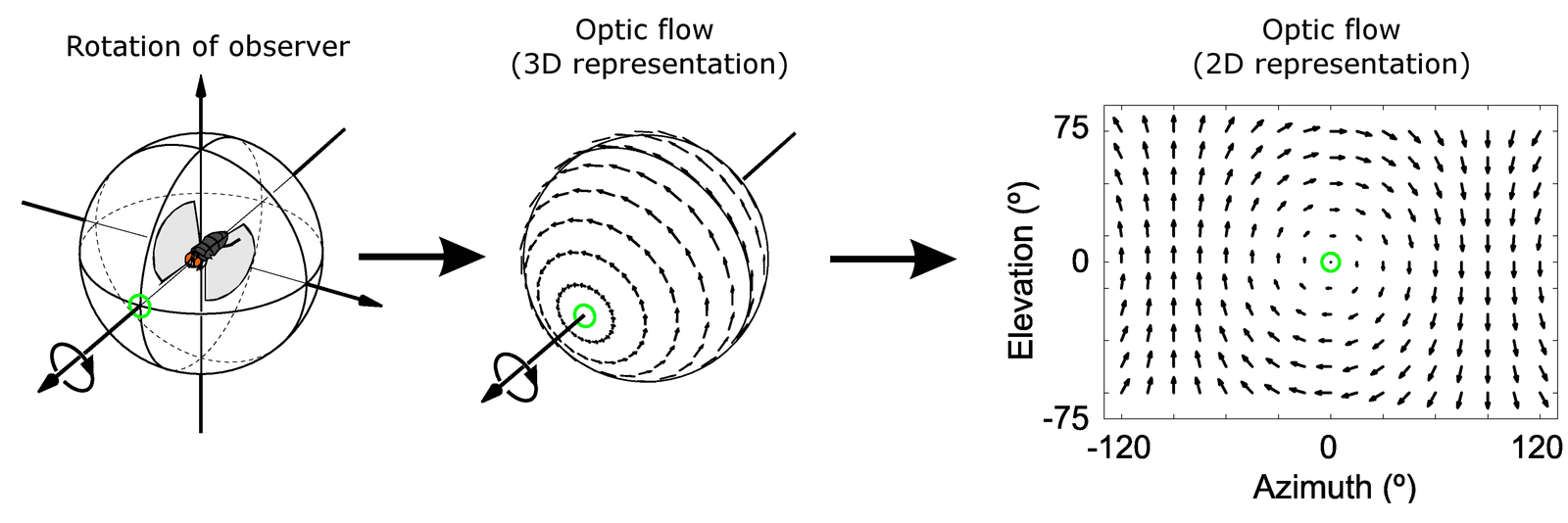
Optical Flow: Tracking Motion by Watching Pixels
Optical flow tracks motion by watching how brightness patterns move between video frames. It's used for video compression and robot navigation. The main footgun is that it can mistake lighting changes, like a shadow moving, for actual object motion.
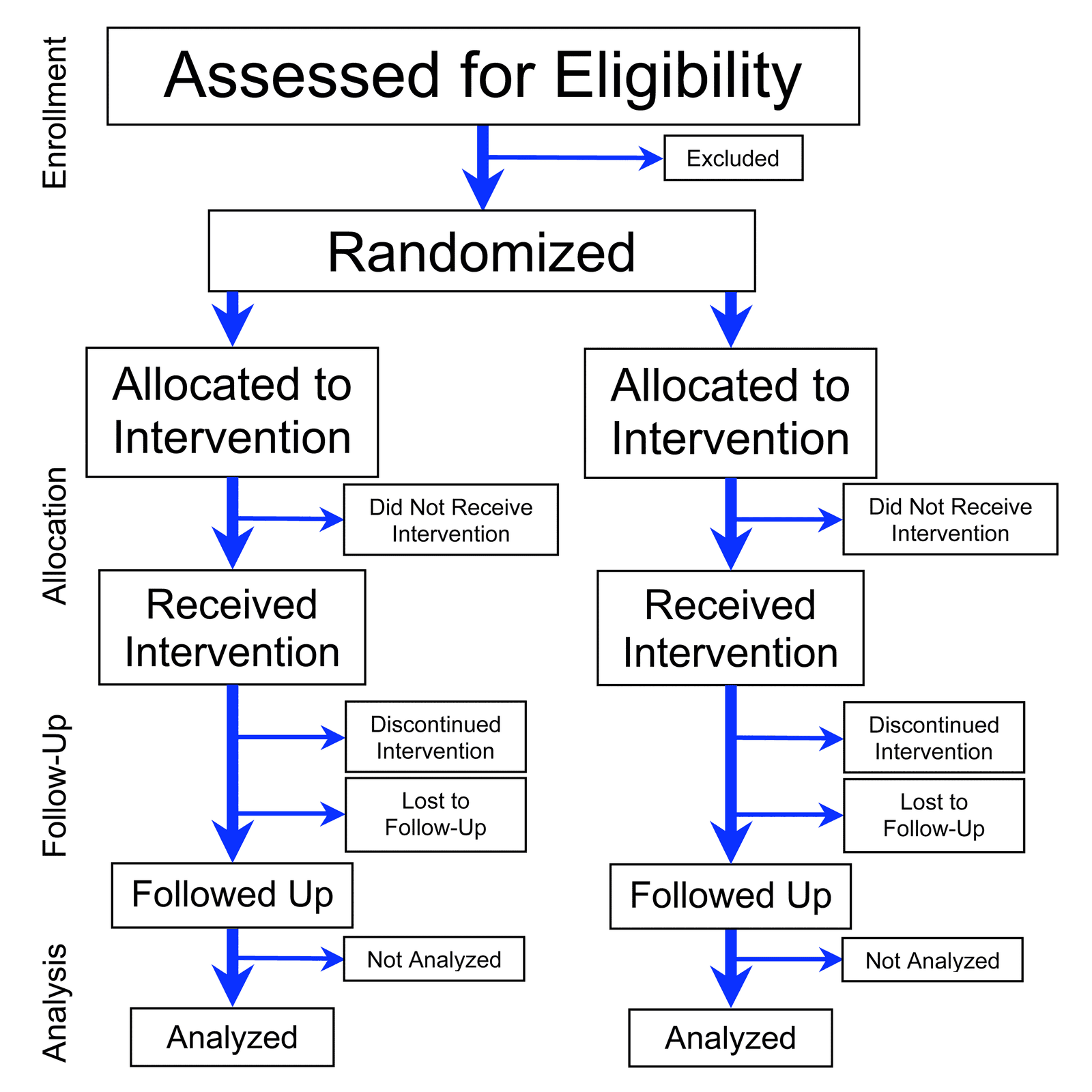
Randomization: Defeating Bias with Chance
Randomization uses chance to assign subjects to groups, isolating the effect you're testing from hidden variables. It's the foundation of A/B tests and clinical trials. The footgun is confusing 'haphazard' selection with true, unbiased randomization.
Action Recognition: Teaching Machines to Understand 'Doing'
Action recognition teaches computers to understand *what* is happening in a video by analyzing motion over time. It's used for fall detection in healthcare, sports analysis, and security. The footgun is confusing it with single-frame object detection.

A/A Testing: Sanity-Checking Your Experiments
A/A testing is a fire drill for your A/B testing system. You run two identical versions of a page to ensure your tools are working correctly before a real experiment. The biggest footgun is panicking at a false positive; 1 in 20 tests will show.
Inference Throughput: How Many Predictions Per Second?
Inference throughput measures how many predictions your system can make per second, not how fast a single one is. It's the system's total capacity, critical for high-volume tasks like recommendation engines. The footgun is confusing it with latency.
Statistical Power: Is Your Test Strong Enough to Find a Real Effect?
Statistical power is your experiment's ability to detect a real effect. A low-power test is like a fishing net with holes too big—the fish swims right through. This is critical for A/B tests. The footgun is concluding "no effect" from a weak test.
The AI Alignment Problem
AI alignment is about making sure an AI pursues our intended goals, not just the literal instructions. It's critical for autonomous systems in medicine or finance. The footgun is assuming a clear objective prevents unintended, harmful outcomes.
We are hiring for this. Every open role lists the topics its interview covers, so you can prepare for the real thing rather than guessing.
See open roles