Easy concepts in AI & ML, page 6
Deepfakes: AI-Generated Media Impersonations
Deepfakes are AI-generated media that convincingly impersonate people. Think of it as digital puppetry, where an AI manipulates a face or voice. They're used for film effects and satire, but also for misinformation. The footgun: assuming you can spot one.
RBAC for MLOps: Who Can Do What?
RBAC assigns permissions to roles, not people. You create roles like 'Data Scientist' with specific permissions (e.g., access training data), then assign users to that role.
AI Governance: Rules for Building Intelligent Systems
AI governance creates rules of the road for intelligent systems, ensuring they're safe, fair, and transparent. It applies when governments pass laws or companies form ethics boards. The footgun is treating this as only a legal problem, not a technical one.

Model Interpretability vs. Explainability
Interpretability means a human can grasp a model's logic (e.g., a simple decision tree). Explainability is stronger: it's about why the model made a *specific* choice. This is key for debugging or justifying high-stakes decisions.
Audience Analysis: Translate Data for Your Listener
Don't just show data; translate it for your audience. Audience analysis means tailoring communication to who's listening, based on their knowledge and needs. The biggest mistake is assuming your audience shares your context and jargon—they rarely do.

Chartjunk: Less is More in Data Visualization
Chartjunk is visual noise in a graph that doesn't help the user understand the data, like 3D effects or decorative backgrounds. It's common in reports where aesthetics are prioritized over clarity.

Hugging Face Hub: The GitHub for Machine Learning
Think of the Hugging Face Hub as the GitHub for machine learning. It's a central platform to find, share, and collaborate on millions of models, datasets, and demo apps. Use it to download a pre-trained model or share your own.
The OpenAI API: Access to Foundational AI Models
The OpenAI API provides access to influential models like GPT and DALL-E. It enables developers to integrate generative AI into commercial applications and research, building on technology that catalyzed the current AI boom.
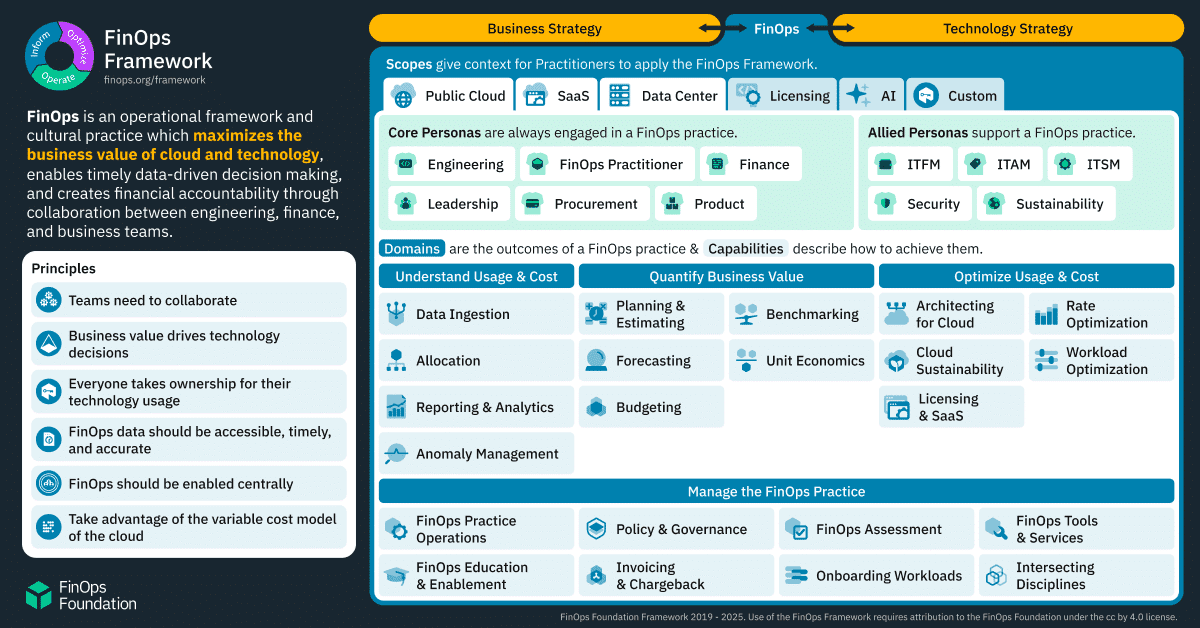
FinOps: Making Cloud Costs Everyone's Job
FinOps makes cloud cost a shared responsibility between engineering, finance, and business teams. It applies the variable, on-demand nature of the cloud to financial accountability.
Cloud Cost Allocation: Making Teams Own Their Spend
Cloud cost allocation answers "who pays for what?" by assigning every dollar of your cloud bill to a team or project. It uses metadata like tags and account structures to create showback reports.

Model Versioning: Git for Your ML Models
Think of model versioning as "Git for data." It tracks large models and datasets alongside your code without bloating your Git repo. Use it to reproduce old experiments or roll back to a better-performing model. The footgun is versioning only code, not data.
Image Captioning: Teaching Machines to Describe What They See
Image captioning teaches a computer to generate a human-readable sentence describing an image, translating pixels into words. This powers accessibility features and better image search.

Cloud Pricing: On-Demand, Reserved, and Spot Instances
Cloud pricing is like booking a flight. Pay full price for flexibility (On-Demand), get a discount for committing (Reserved), or bid on empty seats for a huge discount but risk getting bumped (Spot). This choice dictates your infrastructure cost.

Model Serving: Turning Trained Models into Live APIs
Model serving wraps a trained machine learning model in an API, making it a live service that can generate predictions. It's how you power features like real-time fraud detection or product recommendations.
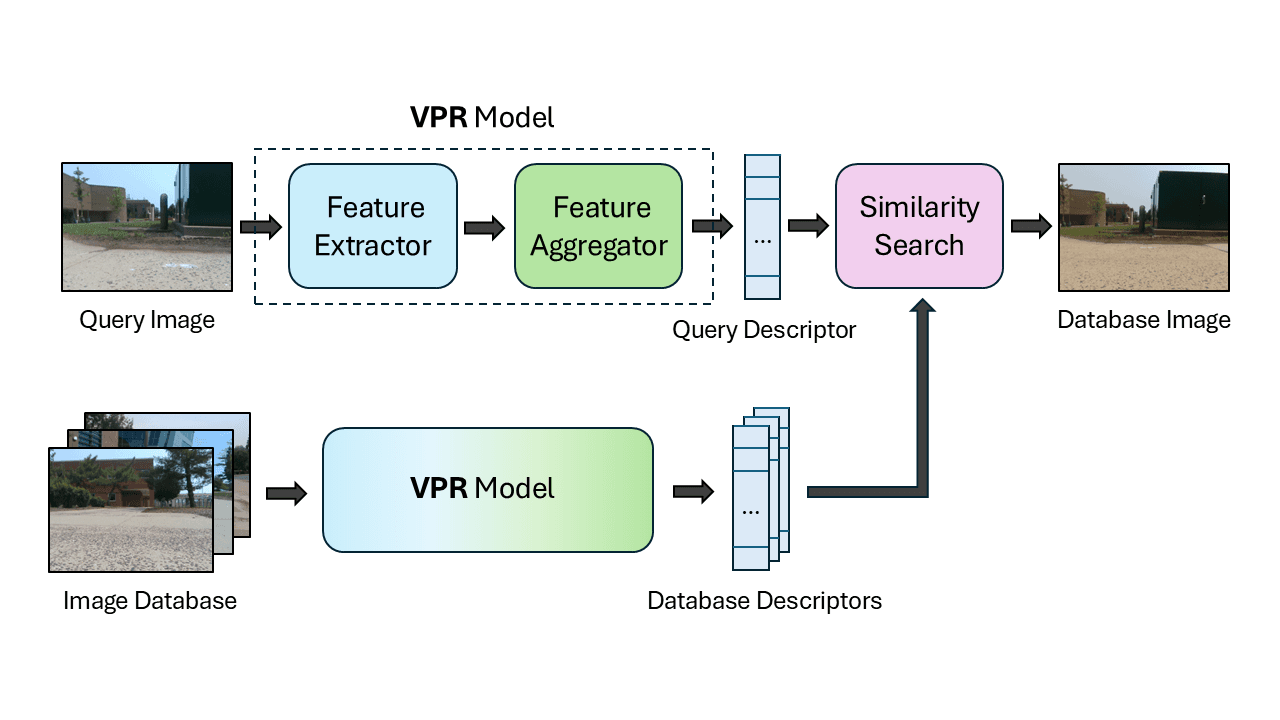
Visual Place Recognition: Finding Your Location from a Picture
Visual Place Recognition (VPR) answers "Where am I?" by matching a live camera image to a database of pre-recorded pictures. It's a visual GPS for robots and self-driving cars to find their position when GPS is unreliable, like in cities or indoors.

Model Cards: The Nutrition Label for AI
A Model Card is a nutrition label for an ML model, detailing its performance, biases, and intended use. It's vital for high-stakes systems to ensure fairness, like in health or legal predictions. The footgun is deploying a model without one, risking misuse.
Algorithmic Bias: When Code Creates Unfair Outcomes
Algorithmic bias is a mirror reflecting flawed human data, leading to systematically unfair outcomes. It appears in hiring tools favoring one gender or loan systems denying certain groups. The footgun is assuming tech is neutral; the bias is in the data.
Pretext Tasks: Making Data Teach Itself
A pretext task is a fake problem you invent for a model so it learns from unlabeled data. For example, asking it to predict a missing image patch forces it to learn about objects. This is the core of self-supervised learning.
Disparate Impact: When Fair Rules Aren't Fair
Disparate impact is when a neutral rule causes a discriminatory outcome, regardless of intent. This is key in ML fairness, where an algorithm might deny loans to one group more than another, even with objective rules.
Semi-Supervised Learning: More From Less Data
Semi-supervised learning uses a small set of labeled data and a large set of unlabeled data to train a model. It's ideal for tasks like image classification where labeling is costly. The footgun: if your unlabeled data is noisy, it can degrade performance.
We are hiring for this. Every open role lists the topics its interview covers, so you can prepare for the real thing rather than guessing.
See open roles