Concepts in AI & ML, page 13
Latent Diffusion Models (LDM)
Latent diffusion models denoise in a compressed latent space instead of raw pixels. A pretrained autoencoder shrinks the image first and expands it back after, cutting compute enough to make text to image generation practical on consumer hardware.

Kernel Density Estimation: Beyond the Histogram
A KDE plot is a smoothed histogram, revealing a variable's distribution by summing 'bumps' over each data point instead of using rigid bins. It's great for data exploration, but the 'smoothness' (bandwidth) choice can drastically alter the plot's story.
SSD: Real-Time Detection Without Region Proposals
SSD scores default boxes across multiple scales in one forward pass. It runs real-time robotics and mobile vision where two-stage detectors lag. The footgun is ignoring shallow feature maps, which destroys small object accuracy as early layers carry fine…
Batch Inference: High Throughput, Not High Speed
Think of batch inference as processing a day's mail at once, not as each letter arrives. It trades immediate answers for cost-effective, high-volume predictions, like generating daily product recommendations. The footgun is using it for real-time needs.
Multimodal Models: Beyond Just Text
A multimodal model understands the world by connecting different data types, like images and text, instead of just one. It's how AI generates images from descriptions or answers questions about a photo. The footgun is assuming more data types always helps.

Q-Q Plot: Visually Test if Data Fits a Distribution
A Q-Q plot visually checks if your data fits a theoretical distribution (like normal). If the points form a straight line, it's a match. Use it to validate model assumptions.
Model Server: The MLOps Deployment Bridge
A model server bridges ML training and production, operationalizing models within your release cycle. Use it when models must become first-class CI/CD citizens. The footgun is treating deployment as a one-time handoff rather than repeatable infrastructure.
Speech-to-Text (ASR): Turning Spoken Words into Data
Speech-to-Text (ASR) is a digital stenographer, turning spoken language into machine-readable text. It's the engine behind voice assistants, automated call routing, and video captioning.
Facet Grid: A Visual GROUP BY for Your Data
A Facet Grid is a visual GROUP BY. It creates a matrix of plots, each showing a different subset of your data, to compare relationships across categories. The footgun is forgetting to call .map() to draw the plots; the grid is empty on its own.
Focal Loss: Forcing Models to Learn from Hard Examples
Focal Loss tells your model to ignore the easy examples during training and focus on the hard ones. This is critical for object detection, where thousands of background patches can overwhelm the few actual objects, creating a massive class imbalance.
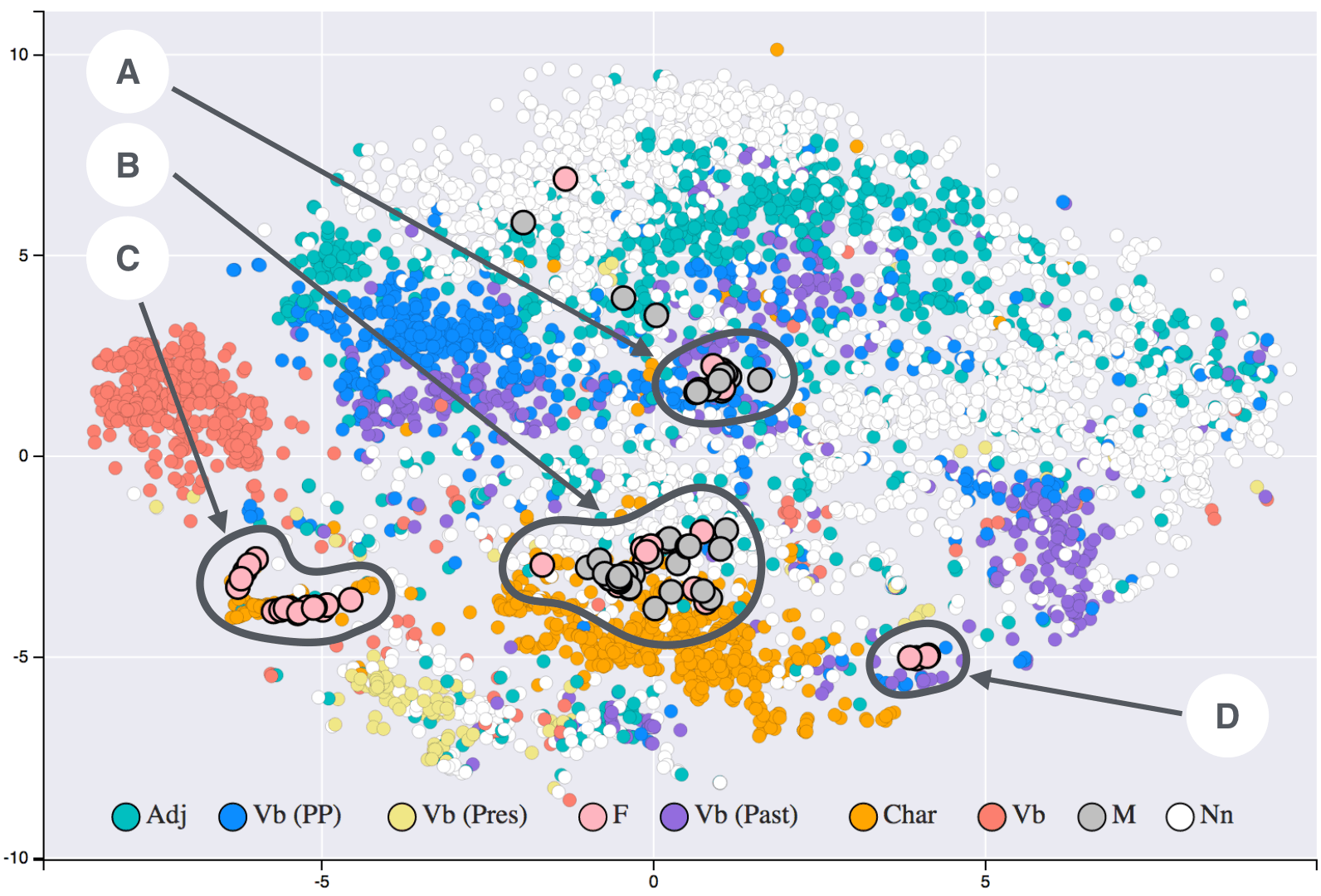
t-SNE: Map High-Dimensional Similarity to 2D
t-SNE turns high-dimensional similarity into 2D or 3D distance: similar points cluster and dissimilar points separate. Use it to visualize complex datasets on a flat map. Do not read exact distances from the plot; it preserves local probability, not geometry.
Serverless Inference: Run ML Models Without Managing Servers
Serverless inference treats ML prediction like a function call, abstracting away servers. You pay for compute time per prediction, not for idle infrastructure.
Joint Embedding Space: A Rosetta Stone for AI
A joint embedding space acts like a Rosetta Stone, mapping different data types—like images and text—to a shared coordinate system where similar concepts are close together. This powers text-to-image models and cross-modal search.
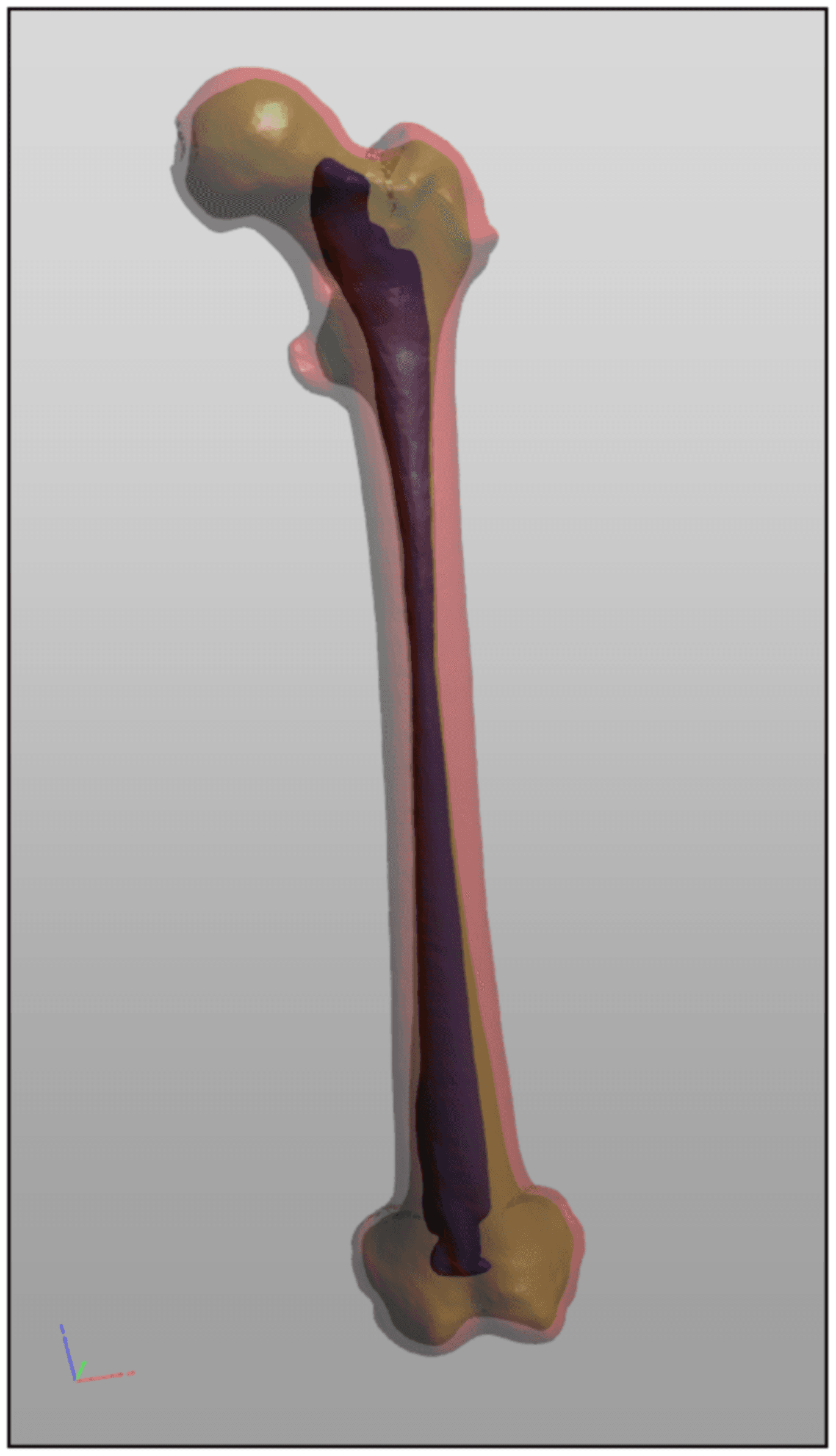
Instance Segmentation: Counting and Outlining Objects
Instance segmentation identifies and outlines each distinct object in an image, labeling 'car 1' and 'car 2' separately. It's crucial for self-driving cars tracking individual pedestrians.
Streaming Inference: Real-Time Model Predictions
Streaming inference makes predictions on data in-flight, not from a database. It's for real-time recommendations or fraud detection where millisecond decisions are critical. The footgun is assuming a single server can handle the load; you must build for scale.
Multimodal Fusion: Combining Senses for AI
Multimodal fusion lets an AI combine data types like text, images, and audio into one understanding, much like a human brain. It's key for visual question answering or analyzing video sentiment.
UMAP: Visualizing High-Dimensional Data's Shape
UMAP projects complex data into a 2D/3D view, preserving local structure like a faithful map of a hilly landscape. Use it to visualize clusters in customer or gene data as a faster t-SNE alternative. Footgun: Cluster sizes and distances are not meaningful.
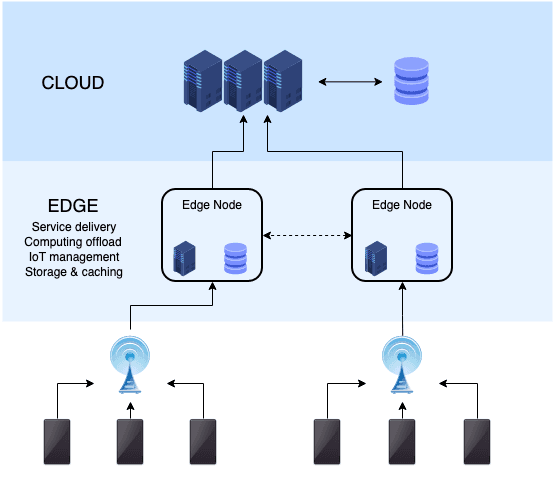
Edge AI: Running Models Where the Data Is
Edge AI runs machine learning models directly on devices, not in a distant cloud. This enables real-time, offline applications like smart cameras or voice assistants. The footgun is underestimating device hardware limits; models must be small and efficient.
Large Multimodal Models (LMMs): Beyond Text
An LMM is like a large language model that can also see and hear. It processes and connects information from multiple sources—like text, images, and audio—to perform tasks like describing a picture or answering questions about a video.
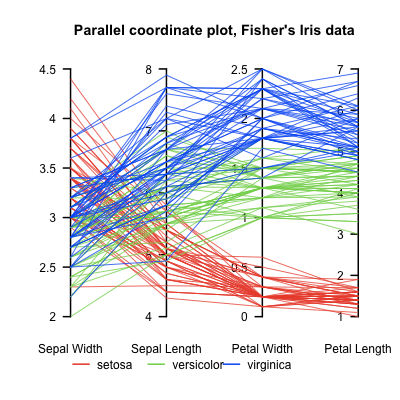
Parallel Coordinates Plot: Untangling High-Dimensional Data
A parallel coordinates plot turns high-dimensional data into a 2D image by laying axes out in parallel. Each data point becomes a line weaving across them. It helps find clusters in multivariate data, but overplotting can make it unreadable with too many…
We are hiring for this. Every open role lists the topics its interview covers, so you can prepare for the real thing rather than guessing.
See open roles