Concepts in AI & ML, page 14
Multi-Armed Bandits for Model Selection
Treat your candidate models like slot machines. A Multi-Armed Bandit (MAB) algorithm automatically allocates traffic to find the best one, balancing exploration of new options with exploiting the current winner.
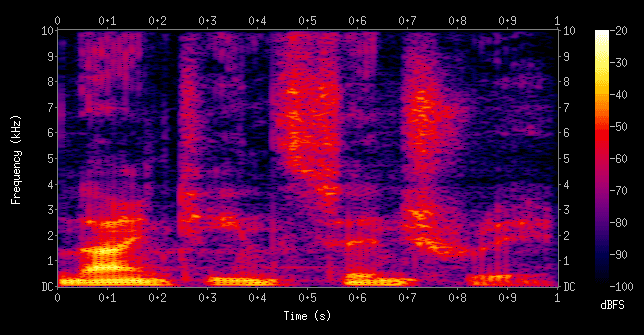
Audio Spectrograms: Turning Sound into Images for AI
A spectrogram turns sound into an image, plotting frequency against time, with color showing intensity. This lets vision-based AI models "see" audio for tasks like speech recognition or music generation. The footgun is mistaking it for a simple waveform.
Fully Convolutional Networks: From Image to Segmentation Map
An FCN turns a standard image classifier into a pixel-level labeler by replacing its final layers with convolutions to preserve spatial data. It's used for semantic segmentation, like identifying all cars and roads in a street scene.
U-Net: Segmentation with Less Data
U-Net retrofits fully convolutional networks to segment images precisely with fewer training examples. It runs a 512 by 512 frame in under a second on a 2015 GPU, fitting latency-sensitive pipelines.
NVIDIA Triton: A Universal AI Model Server
Triton Inference Server is like a universal remote for AI models, providing a standard API to serve models from any framework. Use it to deploy diverse models (PyTorch, ONNX) without custom serving stacks.
Text-to-Speech (TTS): Turning Text into Spoken Audio
Text-to-Speech (TTS) systems are digital voice actors, converting written language into artificial human speech. They are the core of any system that needs to speak text aloud.
k-Nearest Neighbors: You Are the Company You Keep
k-NN classifies new data by taking a vote from its closest neighbors. It's used for simple predictions where distance is meaningful, like product recommendations. The main footgun is choosing k: too small is noisy, too large blurs boundaries.

Load Balancing for Model Serving
A load balancer is a traffic cop for your AI model's API, directing requests to multiple model copies to prevent overload. It's essential for production systems to ensure high availability. The footgun is forgetting health checks, causing failed requests.
BLIP: Bootstrapping Better Vision-Language Models
BLIP is a pre-training framework that masters both image understanding and generation by creating its own training data. It uses a captioner and filter to generate clean image-text pairs from noisy web data.

Dilated Convolution: A Wider View Without More Parameters
Dilated convolution gives a filter a wider view by skipping pixels, like reading every Nth word to get the gist. This helps models in semantic segmentation see broader context without the resolution loss of pooling.
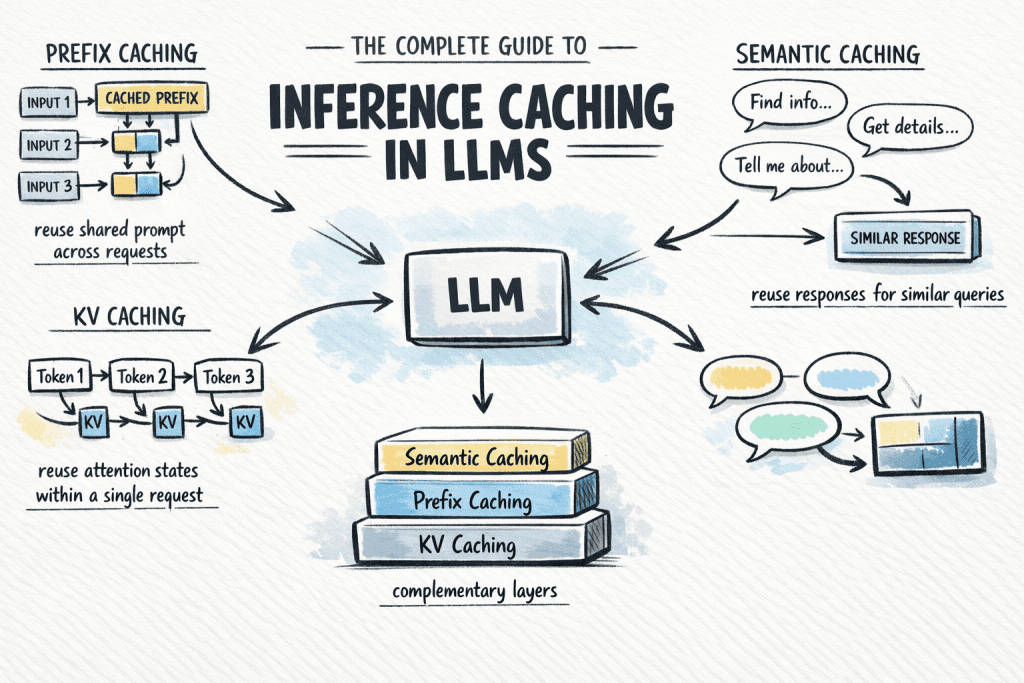
LLM Inference Caching: Pay for Computation Once
LLM inference caching reuses past computations to cut costs and latency. It avoids reprocessing shared system prompts or serves full answers for common queries without hitting the model. The footgun: semantic caches can return a "similar" but incorrect answer.
Flamingo: Few-Shot Learning for Vision-Language Models
Flamingo is a vision-language model that learns new visual tasks from a few examples, like a child seeing a picture book before the zoo. It can tackle multiple tasks without needing massive, task-specific datasets.

Dice Loss: Measuring Overlap for Image Segmentation
Dice Loss measures pixel overlap between predicted and true segmentation masks, like a Venn diagram for images. It excels in medical imaging with imbalanced classes, like finding a small tumor. The footgun: it can be unstable with very small objects.
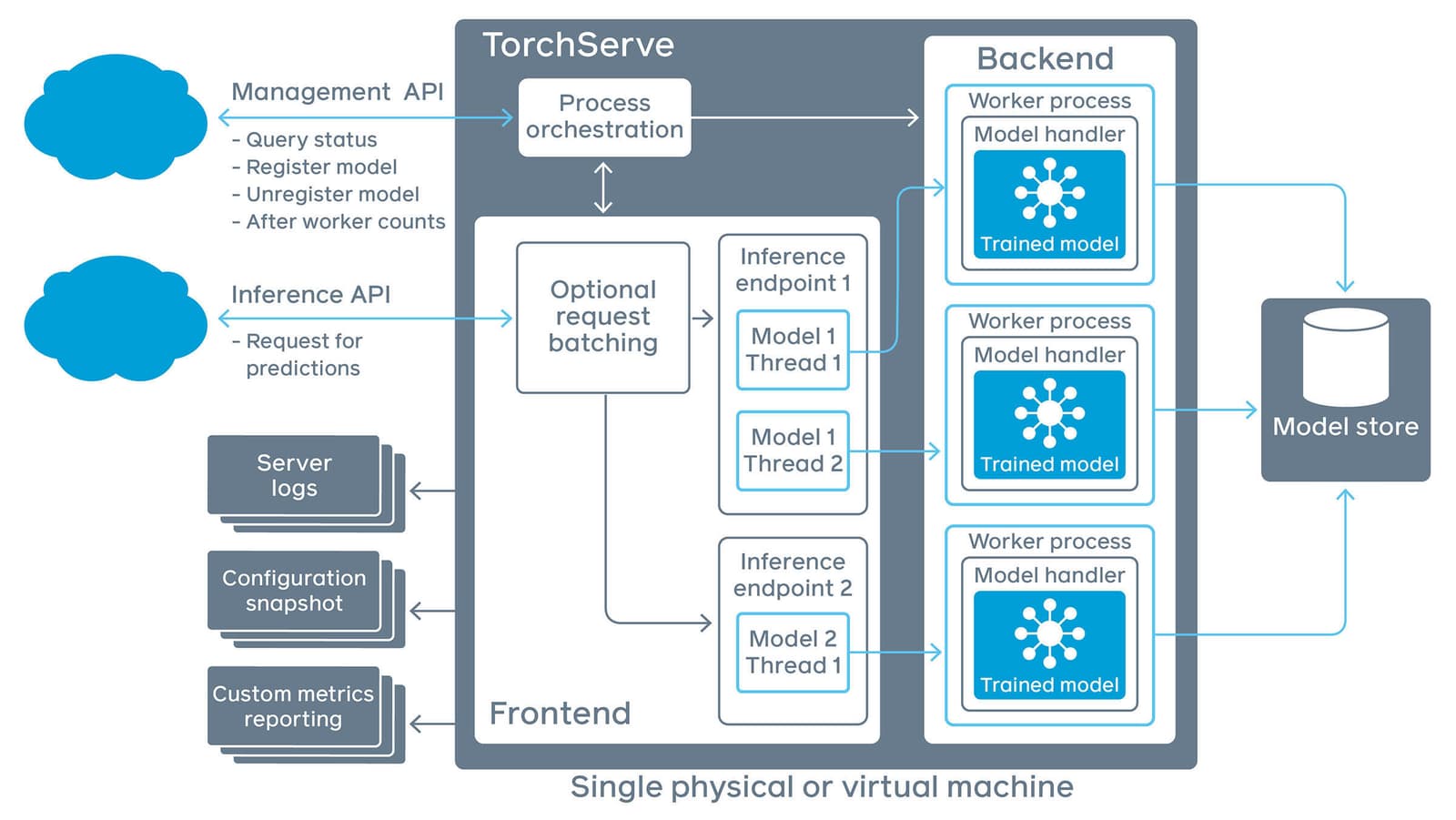
TorchServe: Serving PyTorch Models in Production
TorchServe is a web server for your PyTorch models, turning them into production-ready API endpoints. It's used to expose trained models over a network via REST or gRPC for inference, handling batching and multi-model serving.
Text-to-Video Generation: From Prompt to Picture Show
Text-to-video models are like a film director in a box, turning written descriptions into moving pictures. This tech, powered by video diffusion models, is used for creating short-form content or prototyping visual ideas from a simple text prompt.
Cross-Validation: Don't Test on Your Training Data
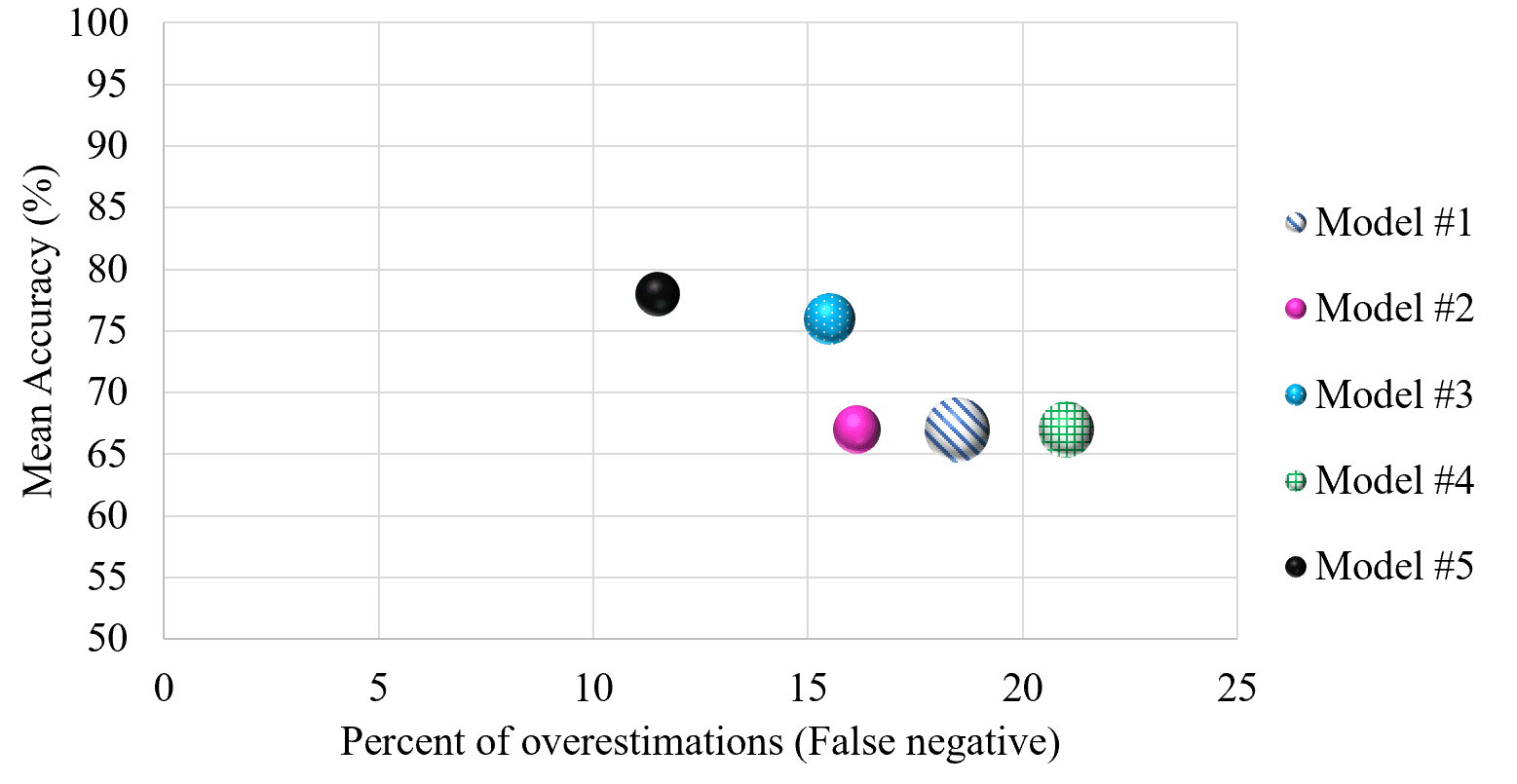
Cross-validation stops a model from 'cheating' by testing it on unseen data. It repeatedly splits your dataset into training and testing portions to simulate real-world performance.
Panoptic Segmentation: A Unified View of a Scene
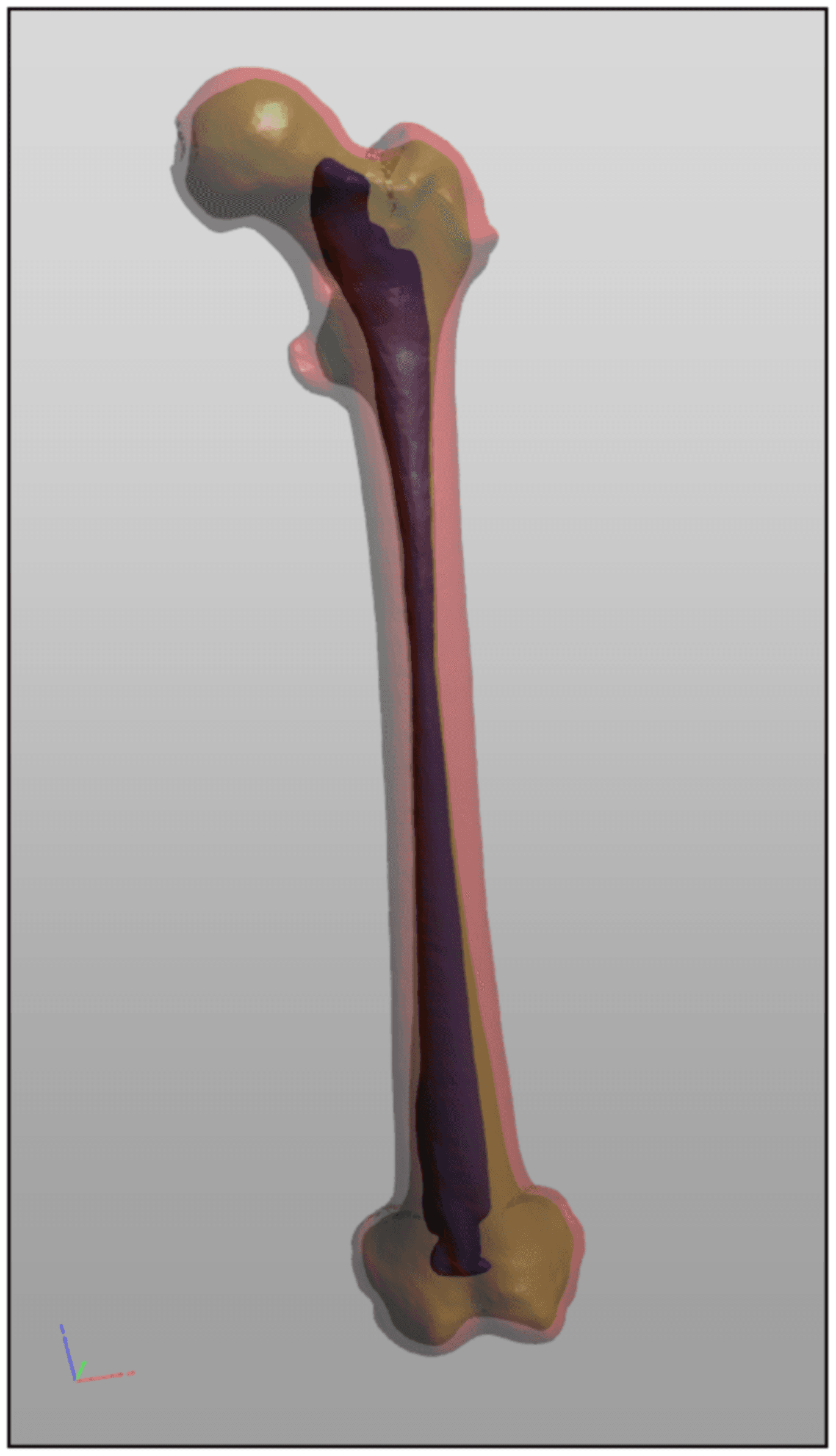
Panoptic segmentation unifies two tasks: it labels every pixel with a class ('stuff' like road, sky) and also identifies individual object instances ('things' like car 1, car 2). It provides a complete scene understanding for autonomous driving and robotics.

Inference Batching: Grouping Requests for Throughput
Think of inference batching as a carpool for your ML model. Instead of sending each request in its own car, you wait a few microseconds to fill a bus, dramatically improving GPU efficiency.
Support Vector Machine: Finding the Widest Street
A Support Vector Machine (SVM) finds the widest possible "street" to separate data classes. It's used for classification tasks like text analysis. The footgun is forgetting the "kernel trick," which lets SVMs solve non-linear problems, not just draw lines.

DeepLab: Pixel-Level Semantic Image Segmentation
DeepLab assigns a class label like 'road' or 'person' to every pixel in an image. This powers features like smartphone portrait mode by precisely outlining objects. The key challenge is achieving sharp object boundaries, not just coarse bounding boxes.
We are hiring for this. Every open role lists the topics its interview covers, so you can prepare for the real thing rather than guessing.
See open roles