Concepts in AI & ML, page 22
MaaS: Renting AI Brains via API
Model-as-a-Service (MaaS) is like renting a pre-trained AI expert via an API. Instead of building and training your own models, you pay to use powerful, ready-made ones for tasks like text generation or image analysis.

Model Versioning: Git for Your ML Models
Think of model versioning as "Git for data." It tracks large models and datasets alongside your code without bloating your Git repo. Use it to reproduce old experiments or roll back to a better-performing model. The footgun is versioning only code, not data.
Image Captioning: Teaching Machines to Describe What They See
Image captioning teaches a computer to generate a human-readable sentence describing an image, translating pixels into words. This powers accessibility features and better image search.

Cloud Pricing: On-Demand, Reserved, and Spot Instances
Cloud pricing is like booking a flight. Pay full price for flexibility (On-Demand), get a discount for committing (Reserved), or bid on empty seats for a huge discount but risk getting bumped (Spot). This choice dictates your infrastructure cost.
Amazon Bedrock: One API for Many AI Models
Amazon Bedrock is an API gateway for foundation models, letting you switch AI providers without rewriting code. It's used to build generative AI apps while avoiding vendor lock-in.

Model Serving: Turning Trained Models into Live APIs
Model serving wraps a trained machine learning model in an API, making it a live service that can generate predictions. It's how you power features like real-time fraud detection or product recommendations.
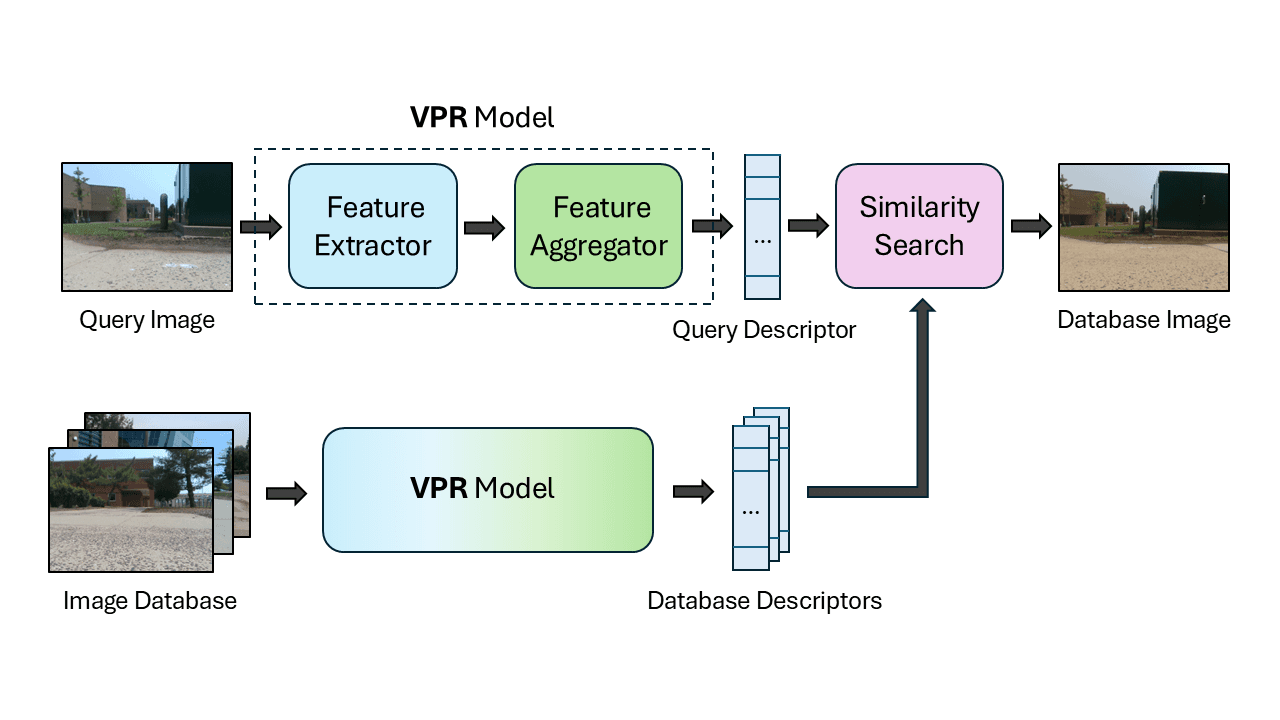
Visual Place Recognition: Finding Your Location from a Picture
Visual Place Recognition (VPR) answers "Where am I?" by matching a live camera image to a database of pre-recorded pictures. It's a visual GPS for robots and self-driving cars to find their position when GPS is unreliable, like in cities or indoors.
Showback vs. Chargeback: Who Pays for Compute?
Showback tells teams what their resource usage costs; Chargeback makes them pay for it. It's the difference between a receipt and a bill. These models help manage cloud costs, but implementing chargeback without granular tracking leads to disputes.
Model Merging: Combine LLM Skills Without Retraining
Model merging blends specialized LLMs into one, like creating a custom alloy from different metals. It's used to combine a coding expert with a legal expert, for example, without costly retraining.

Model Cards: The Nutrition Label for AI
A Model Card is a nutrition label for an ML model, detailing its performance, biases, and intended use. It's vital for high-stakes systems to ensure fairness, like in health or legal predictions. The footgun is deploying a model without one, risking misuse.

Scene Parsing: Labeling Every Pixel in an Image
Scene parsing is like digital coloring-by-numbers, assigning a category like 'road' or 'sky' to every pixel. It's used by autonomous vehicles to understand the road and AR apps to place objects.

ML Pipeline: Systematic Model Delivery
A machine learning pipeline is the systematic workflow that carries models from data labeling through deployment inside MLOps. It keeps the AI lifecycle repeatable rather than ad hoc. The footgun is treating a one-off notebook as a production pipeline.
Unit Economics: Tying ML Costs to Business Value
Unit economics connect your ML spending to business outcomes. Instead of a total cloud bill, you see cost per prediction or per token. This helps product owners make pricing tradeoffs and engineers spot efficiency gains.
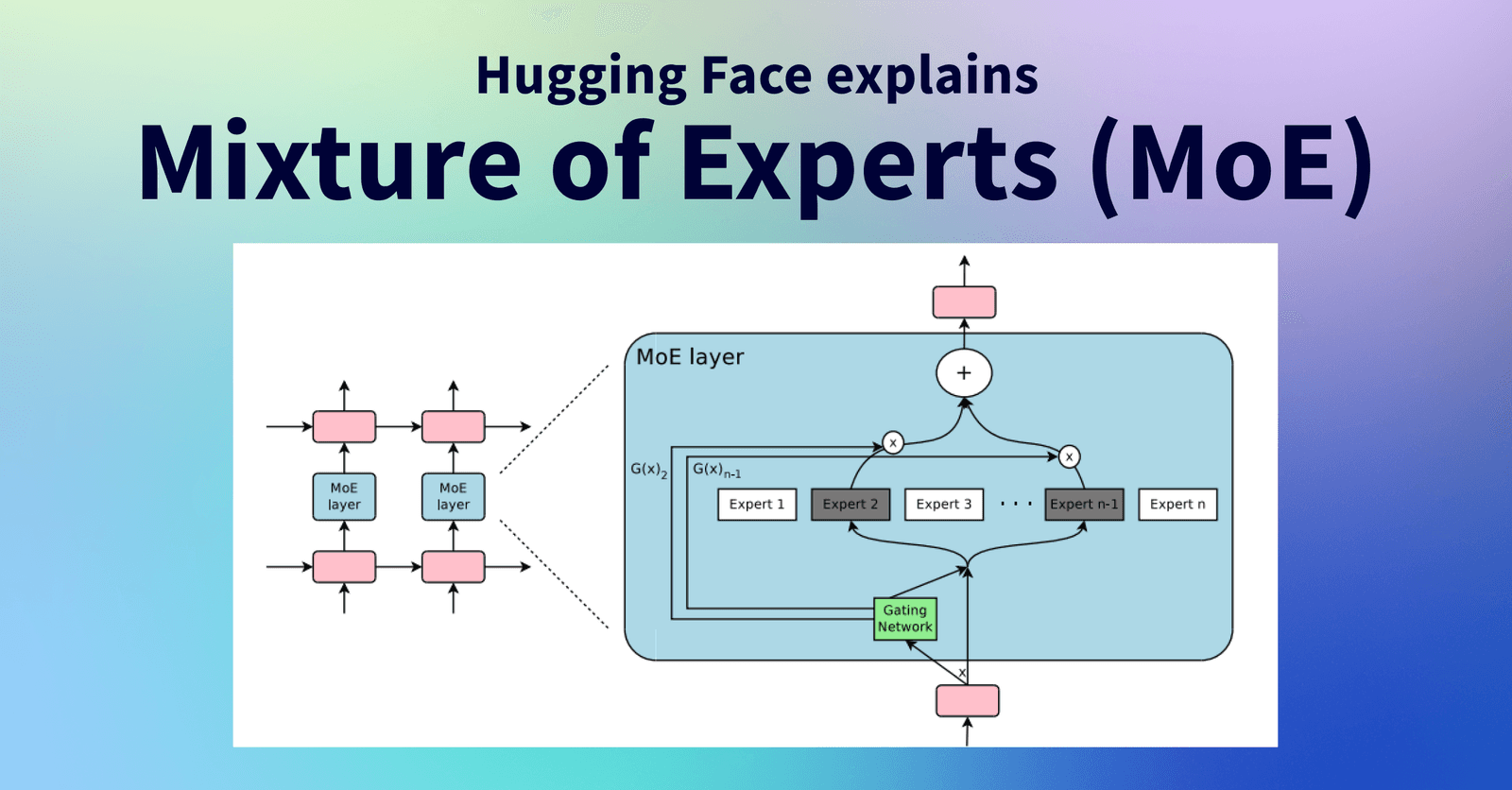
Mixture of Experts: Scaling Models by Activating Specialists
A Mixture of Experts (MoE) model acts like a team of specialists instead of one generalist. A router sends each token to a few expert sub-networks, enabling faster training and inference for massive models.

Visual Question Answering (VQA): Teaching AI to See and Reason
VQA models combine vision and language to answer questions about an image, like a visual Turing test. It's used in assistive tech and advanced image search. The footgun is models learning to answer based on language patterns, not visual content.
GPU Utilization: Are You Wasting Your Most Expensive Resource?
GPU utilization isn't just a percentage; it's a measure of your return on investment. It tells you if your expensive hardware is computing or just waiting for data. Use it to diagnose slow training jobs and right-size cloud instances for ML workloads.
World Models: An AI's Internal Simulator for Planning
A world model is an AI's internal simulator, letting it 'dream' about how actions change its environment. This powers robots and autonomous cars, letting them plan complex tasks without real-world trial and error.

Model Monitoring: A Health Check for Production AI
Model monitoring is a smoke detector for your AI, alerting you when its performance degrades. It compares live data to training data to catch data drift or shifts in user behavior. The footgun is assuming a model, once deployed, performs well forever.
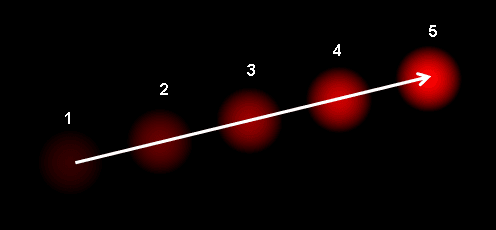
Visual Odometry: Estimating Motion from Pixels
Visual odometry is dead reckoning with a camera. It estimates movement by tracking how features shift between images, without GPS or maps. It's used in robotics and AR, but its biggest footgun is that small errors accumulate, causing it to drift over time.

Stop Paying for Idle Cloud Resources
Stop paying for idle cloud servers. Automated shutdown is like turning off the lights in an empty office, running compute only when needed. It's ideal for dev environments or scheduled batch jobs. The footgun is applying this to stateful production services.
We are hiring for this. Every open role lists the topics its interview covers, so you can prepare for the real thing rather than guessing.
See open roles