Concepts in AI & ML, page 8
API Authentication: Who Goes There?
API authentication is the bouncer at your application's door, checking IDs to prove who is making a request. It's used to protect any networked service, from weather data to banking.
The Stereo Correspondence Problem: How Cameras See in 3D
The stereo correspondence problem is how computers see in 3D, like your two eyes. It involves matching the same point in a left and right image to calculate depth. This is key for self-driving cars and robotics. The footgun: textureless walls create ambiguity.
Python Virtual Environments: Isolate Project Dependencies
A Python virtual environment is a self-contained directory with its own Python interpreter and packages, preventing dependency conflicts between projects. The biggest mistake is checking the environment folder into source control; it's disposable and meant to…

ReAct: Teaching LLMs to Think, Act, and Observe
ReAct teaches an LLM to solve problems by interleaving thought, action, and observation. This is key for agents that search the web or query APIs to answer questions with external data.
HTML Parsing: Turning Web Pages into Data
Think of HTML parsing as X-ray vision for web pages, revealing the underlying data structure. It's used for web scraping and automated testing. The main footgun is using regex; a real parser is robust against markup changes.
Disparity Map: Seeing Depth from Two 2D Images
A disparity map is a grayscale image encoding 3D depth from two 2D images. Brighter pixels mean objects are closer, because they appear to shift more between the left and right camera views. This is key for robotics and autonomous navigation.
Conda Environments: Isolate Your Project Dependencies
Think of a Conda environment as a separate workshop for each project, with its own tools (packages) and Python version. This prevents dependency conflicts when Project A needs a different library version than Project B.
Supervised Fine-Tuning (SFT): Teaching a Model to Chat
Supervised Fine-Tuning (SFT) teaches a general LLM to be a helpful assistant by training it on high-quality conversations. This turns a base model into an instruction-following chatbot.
GraphQL Queries: Ask for Exactly What You Need
GraphQL lets clients ask for exactly the data they need in a single call, like a flexible SQL query for your API. It avoids the over-fetching of fixed REST endpoints, making apps faster. The footgun: complex client queries can overload your server.
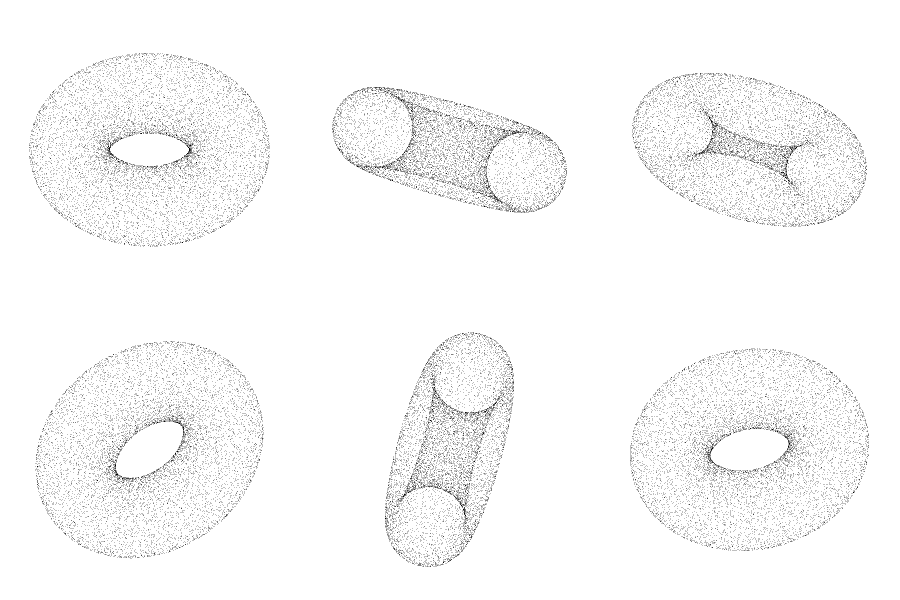
Point Cloud: A 3D Shape as a Dust Cloud of Data
A point cloud represents a 3D object as a cloud of individual data points in space. It's the raw output from 3D scanners, used to create CAD models or GIS maps. The footgun is assuming it's a solid model; it has no surfaces, only disconnected.

ETL: The Three-Phase Data Pipeline
ETL is a three-phase pipeline: extract from sources, transform, and load into containers. It supports many sources and destinations and runs as automated software, manual jobs, or scheduled batches. The footgun is manual execution of recurring jobs.
Docker Bind Mounts: A Portal to Your Host Filesystem
A bind mount is a portal from your host machine's filesystem directly into a container, where changes on either side are reflected instantly. Use it for live code development, but never for production data, as it creates a major security risk.
Catastrophic Forgetting: The AI's Amnesia Problem
Catastrophic forgetting is when an AI, trained on new information, abruptly forgets what it previously knew. It's like overwriting a file instead of appending to it. This happens when fine-tuning a model on a narrow dataset, erasing its general knowledge.
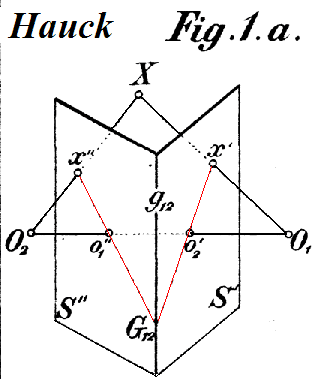
Homography: Mapping Flat Surfaces Between Images
A homography is a 3x3 matrix that maps points between two images of a flat surface. It's used for panorama stitching and perspective correction. The footgun: it only works for planes or pure camera rotation, failing on scenes with depth.
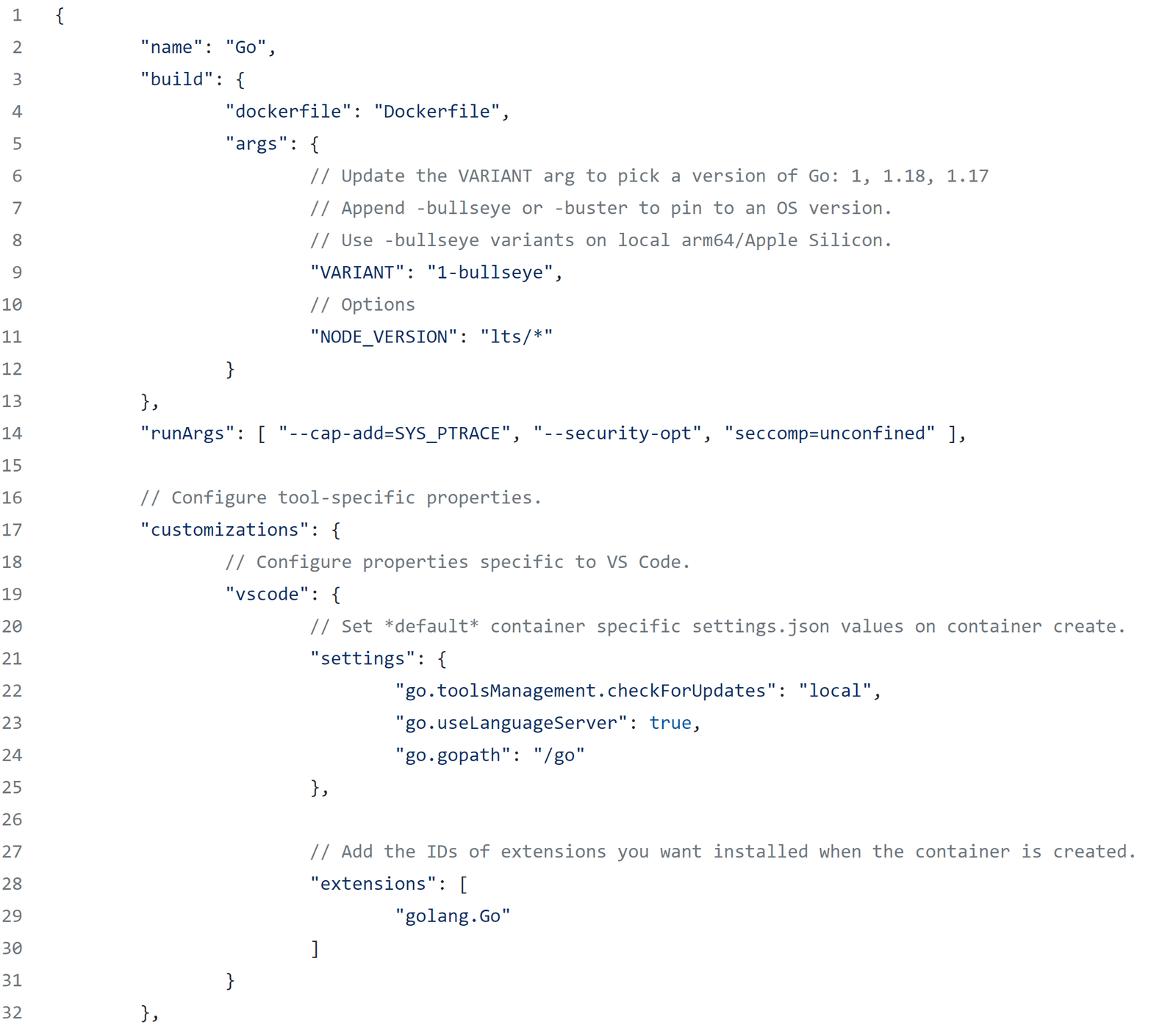
Dev Containers: Your Dev Environment as Code
A dev container packages your entire development environment—tools, libraries, and settings—into a single, portable container. Use it to standardize team environments, simplify onboarding, and ensure consistency between local dev and CI.
PEFT: Fine-Tune Large Models on a Budget
Parameter-Efficient Fine-Tuning (PEFT) adapts huge models without retraining everything. It's like adding a task-specific cheat sheet to a genius brain. Use it to specialize LLMs on consumer GPUs.
Webhooks: Don't Call Us, We'll Call You
A webhook is an automated HTTP callback from a service to your app when an event happens. Instead of polling for updates, the service calls you. This is how Stripe signals a payment or GitHub a commit.
The Fundamental Matrix: Constraining 3D Search to a Line
The Fundamental Matrix reduces a 2D search for a point in a second image to a 1D search along a line. It's the geometric glue linking two uncalibrated camera views of the same scene, crucial for stereo vision and 3D reconstruction.
Configuration as Code: Version Control for Your Settings
Configuration as Code treats your system settings like source code: defined in files, versioned, and automatically applied. It's used to manage app settings or service credentials across environments, preventing manual errors.

Instruction Fine-Tuning: Teaching LLMs to Follow Orders
Instruction fine-tuning teaches a base LLM to follow commands, not just predict the next word. It turns a raw text-completion engine into a helpful assistant, enabling it to answer questions or summarize text. The footgun: it learns style, not facts.
We are hiring for this. Every open role lists the topics its interview covers, so you can prepare for the real thing rather than guessing.
See open roles