Advanced everything in AI & ML, page 12
Feature Engineering: Better Inputs, Better Models
Feature engineering preps raw data for a model, like a chef preps ingredients. It transforms raw inputs into a more effective set of predictive signals. The footgun is creating irrelevant features, which can harm model performance more than using raw data.
Log Aggregation and Parsing: From Chaos to Clarity
Log aggregation gathers scattered system events into one place; parsing turns that raw text into structured, searchable data. This is essential for debugging distributed systems or analyzing security incidents.
gRPC: High-Performance RPC with Contracts
gRPC is a typed, high-performance function call between services. Instead of crafting JSON, you define a contract and gRPC handles the efficient binary transport. It's for low-latency microservice communication.

Streaming Ingestion: Catching Data as It Happens
Streaming ingestion is a conveyor belt for data, catching events as they happen instead of in batches. It's used for real-time fraud detection and IoT monitoring. The footgun is confusing ingestion (getting data in) with processing (acting on it).
Scraping Dynamic Sites: Find the API, Not Just Render
To scrape a dynamic site, find the hidden API call its JavaScript makes to fetch data instead of rendering the whole page. This is faster and more reliable. This applies when your scraper gets empty HTML but you see data in your browser.

R & Python Interoperability with Reticulate
Reticulate embeds a Python session inside R, letting you use Python libraries as if they were native R objects. Use it when a team uses both languages or you need a Python library in an R workflow.
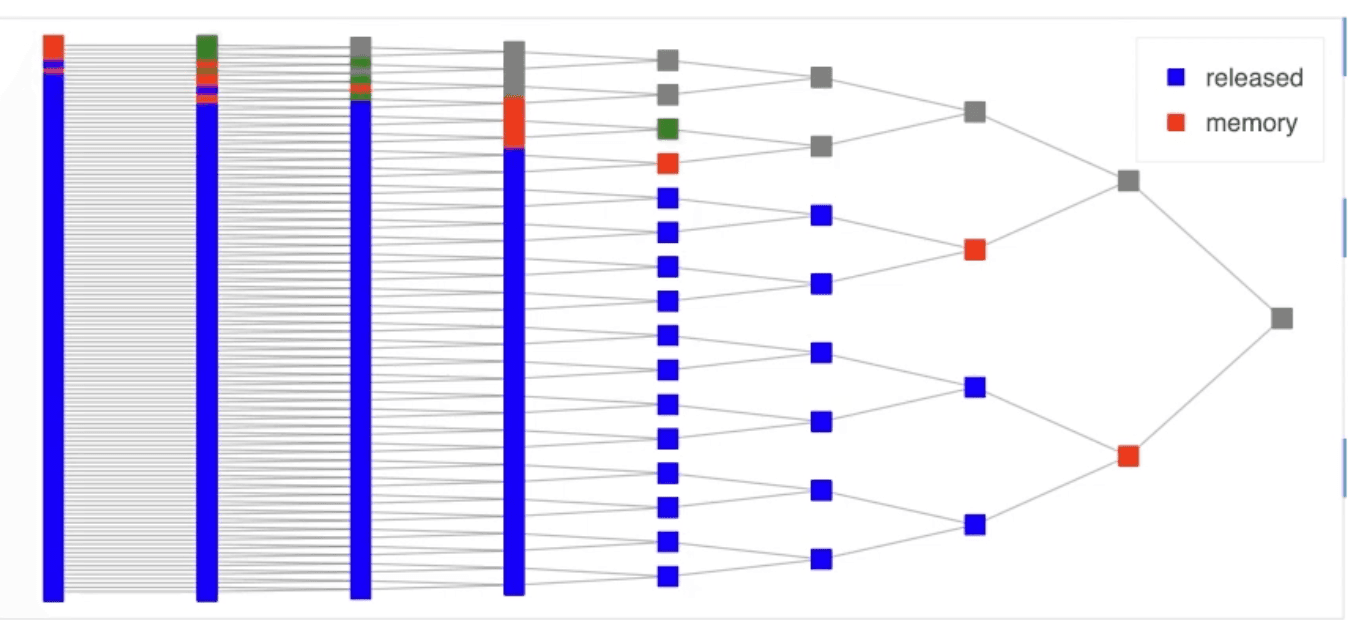
Dask: Parallel Computing with Familiar APIs
Dask parallelizes Python analytics by breaking data into chunks and building a task graph of operations. It's like giving Pandas and NumPy superpowers for data too big for RAM. The footgun: its lazy evaluation means you must explicitly call .compute().
The Jacobian Matrix: A Derivative for Multiple Dimensions
The Jacobian matrix is the multi-dimensional version of a derivative. It's a grid of partial derivatives showing how a small change in each input locally affects each output of a vector function. Don't confuse the matrix with its determinant.
Uplift Modeling: Who to Target, Not Just Who Will Convert
Uplift modeling finds who to target by predicting the *change* in behavior from an action, not just the final outcome. It's used in marketing to decide who gets a discount, optimizing spend. The footgun is confusing it with a simple conversion model.
Causal Inference: Proving Cause, Not Just Correlation
Causal inference goes beyond correlation to ask "did X *cause* Y?". It's used to prove a new feature drove engagement or a drug improved outcomes. The main footgun is mistaking association for causation, ignoring confounding variables.
FPGA in Computer Vision
An FPGA is reconfigurable silicon wired into a custom digital circuit rather than programmed as instructions, letting a vision pipeline like demosaicing and feature extraction run in dedicated hardware with low latency and high throughput per watt.
TensorRT: From Trained Model to Production Speed
TensorRT is a compiler that turns a trained model into a specialized, high-speed engine for a specific NVIDIA GPU. It's used to deploy models in production where low latency is critical.
Knowledge Distillation: Shrinking Models, Not Performance
Knowledge Distillation trains a small "student" model on the nuanced outputs of a large "teacher" model. This is how huge, accurate models are shrunk to run on phones. The footgun is assuming performance is identical; there's always a trade-off.
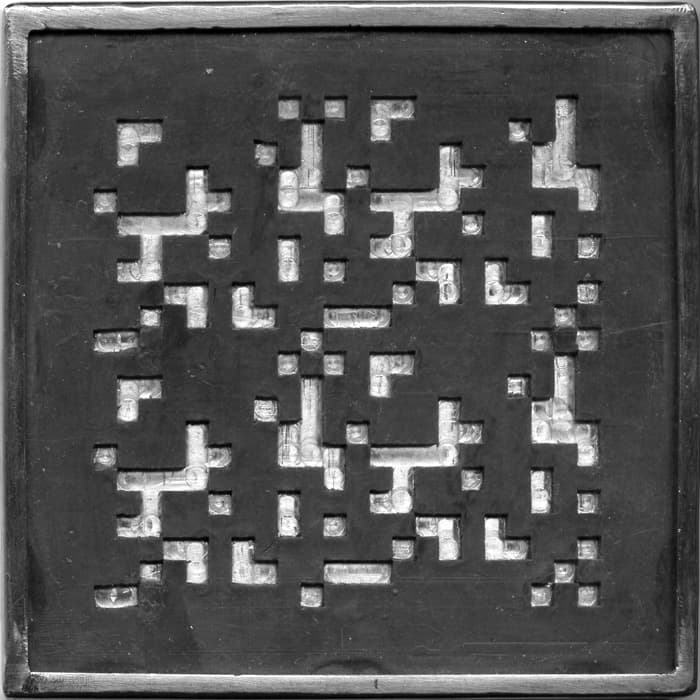
Coded Aperture: Imaging Without a Lens
A coded aperture images radiation that can't be focused, like X-rays. Instead of a lens, it uses a patterned mask to cast a complex shadow, which is then mathematically decoded into an image. It's crucial for X-ray astronomy.
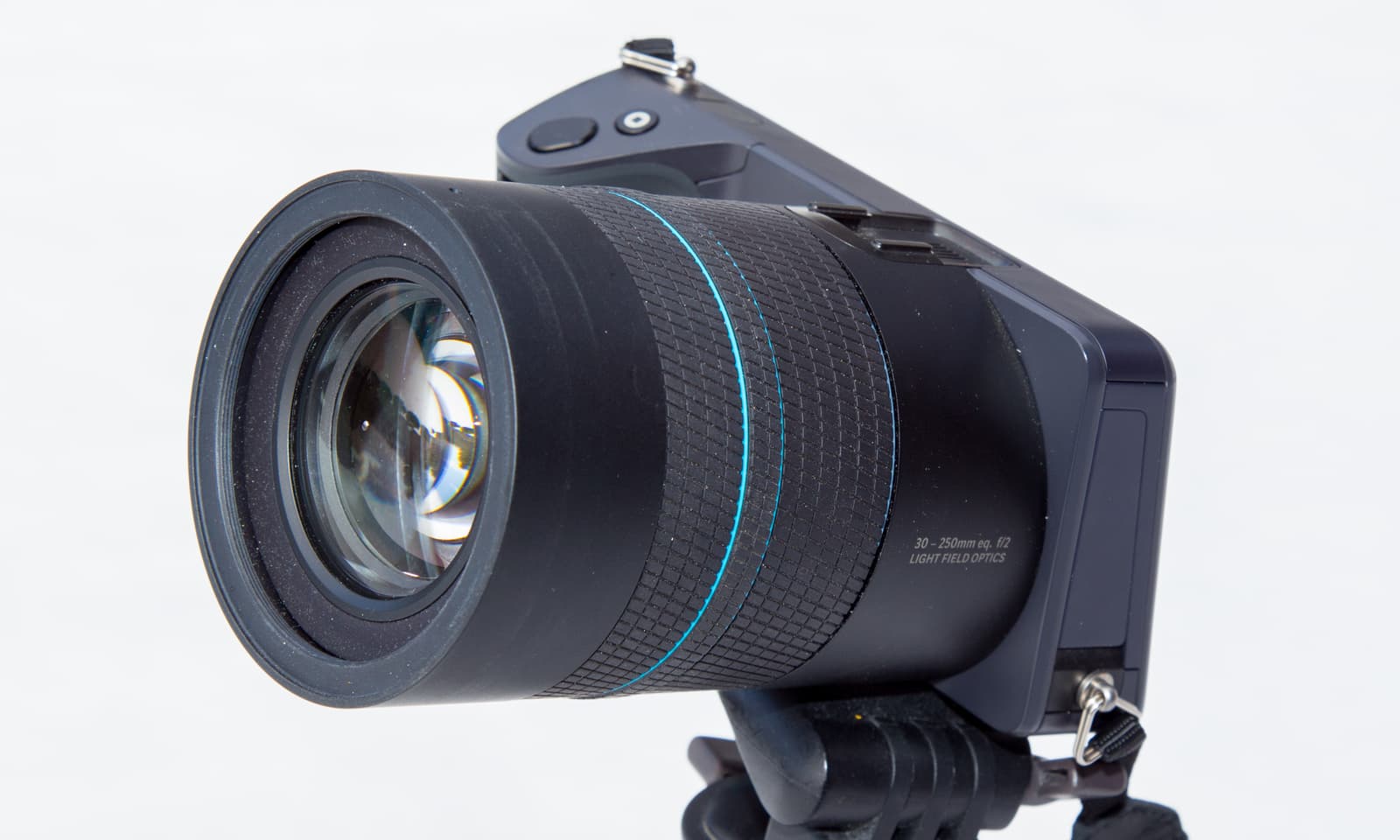
Light Field Photography: Capturing Light's Direction
A light field camera captures not just what light hits the sensor, but where it came from. It records both the intensity and direction of every ray, unlike conventional cameras that only see intensity. The footgun is thinking it's just a better 2D camera.
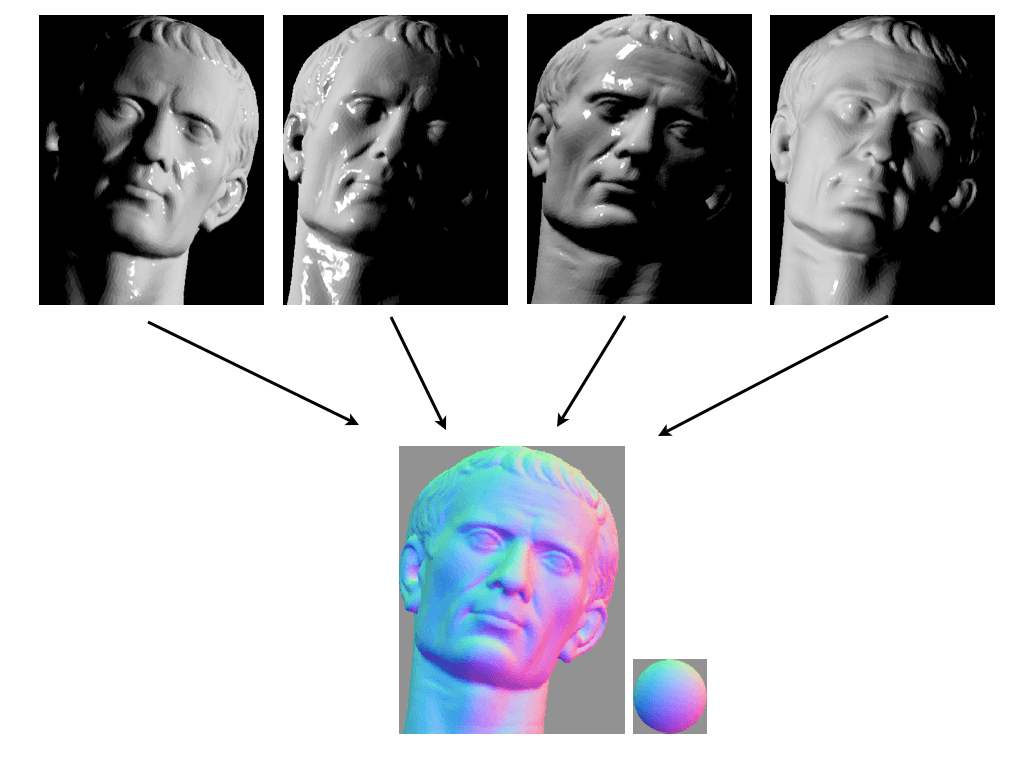
Photometric Stereo: Reconstructing Shape from Light
Photometric stereo deduces an object's 3D shape by watching how its surface reflects light from different directions. It’s used in industrial inspection and computer graphics to capture detailed surface geometry. The footgun is assuming it works on any object.
Seam Carving: Resizing Images Without Distortion
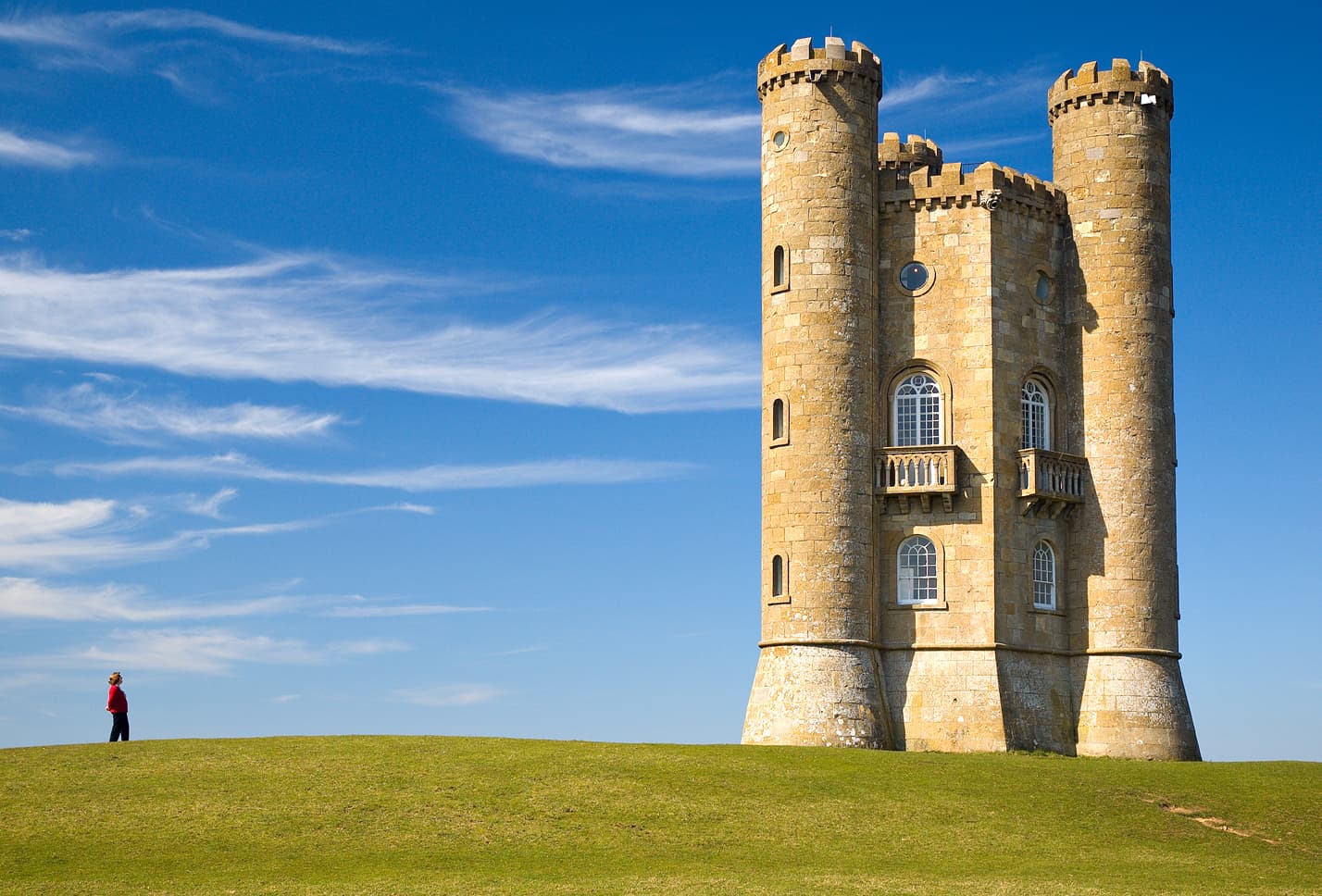
Seam carving resizes images by removing or adding pixel "seams" of low importance, not by squashing or cropping the whole frame. It's used in content-aware tools to change aspect ratios without distorting key subjects like faces or buildings.
MAML: Learning to Learn Quickly
MAML trains a model to be easy to fine-tune, finding an initial set of parameters that serve as a great starting point for many new tasks. It's used in few-shot learning where models must adapt with minimal data.
Masked Autoencoders: Learning Vision by Filling in the Blanks
Masked Autoencoders (MAEs) teach models vision by playing "fill-in-the-blanks" with images, masking most of an image (e.g., 75%) and learning to reconstruct it. This is used for self-supervised pre-training of large Vision Transformers on unlabeled data.
Momentum Contrast (MoCo): A Dynamic Dictionary for Unsupervised Learning
MoCo learns visual features without labels by treating contrastive learning as a dynamic dictionary lookup. A momentum-updated encoder creates a large, consistent set of keys on-the-fly, enabling powerful pre-training on unlabeled data for downstream vision…
We are hiring for this. Every open role lists the topics its interview covers, so you can prepare for the real thing rather than guessing.
See open roles