Intermediate everything in AI & ML, page 23

Learning Rate Scheduling: A Gearbox for Model Training
Think of a learning rate schedule as a training 'gearbox,' starting fast and slowing for precision. It's used when fine-tuning large models to adapt them without breaking them.
AdamW: Decoupling Weight Decay for Better Generalization
AdamW fixes a flaw in the Adam optimizer by decoupling weight decay from the gradient update, improving model generalization. It's a go-to for training large networks like Transformers. The footgun is thinking it's the same as Adam with L2 regularization.
Mixed-Precision Training: Faster Training with Less Memory
Mixed-precision training is like using rough estimates (FP16) for most math and a calculator (FP32) for critical steps. This speeds up deep learning on GPUs by cutting memory use, but naively switching can cause training to fail as small gradients vanish.
Residual Connections & Layer Norm: The Transformer's Stabilizers
Residual connections are shortcuts that let information bypass layers, while Layer Normalization rescales a layer's outputs. Together, they prevent training from breaking in very deep networks like Transformers, enabling signals to flow without vanishing.
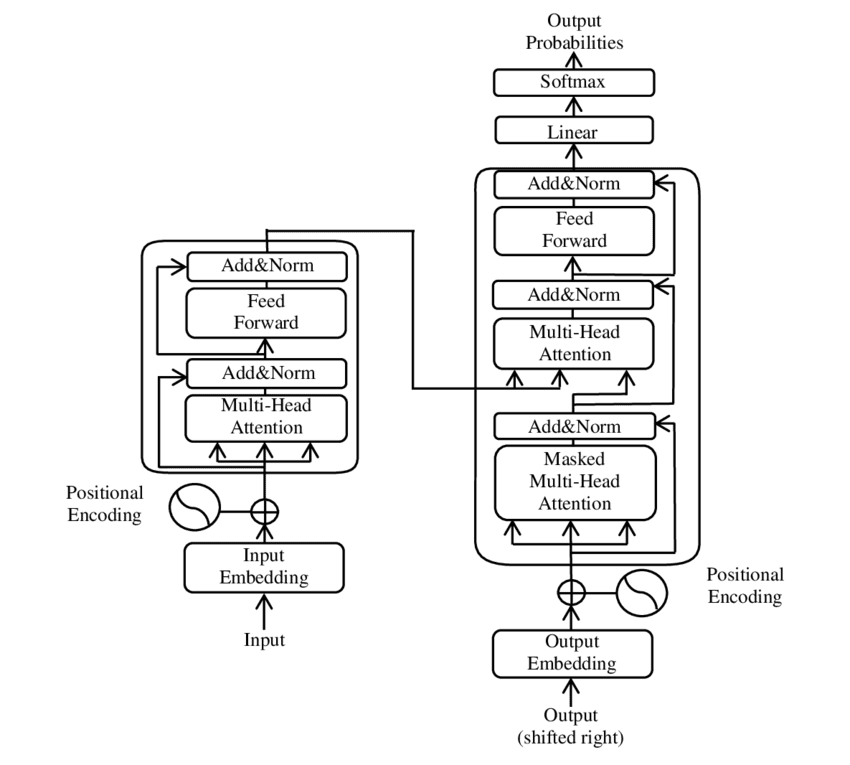
Self-Attention: The Transformer's Core Idea
Self-attention lets a model weigh the importance of different words in a sequence to understand context. This core mechanism of the transformer architecture powers LLMs for translation and generation.
Word2Vec: Word Meaning as a Point in Space
Word2Vec turns words into numerical vectors, where semantic similarity becomes spatial proximity. It powers synonym detection and analogy tasks by learning from a word's context in a large text corpus.

Regularization: Penalizing Complexity to Prevent Overfitting
Regularization penalizes model complexity to prevent overfitting. It's used in training to help models generalize to new data, rather than just memorizing training examples. The footgun is applying too much, causing the model to become too simple and underfit.
The Big Idea: Your Presentation's Single-Sentence Core
The "Big Idea" is a single sentence distilling your presentation's core message. It must state your point of view and what's at stake, telling your audience what to know and what to do.

How a SQL SELECT Query Actually Runs
A SQL SELECT query runs in a different order than you write it. It first builds the dataset with FROM/JOINs and filters it with WHERE, only then computing the final columns in SELECT. This is crucial for debugging.
Data Sonification: Hearing Your Data's Story
Data sonification is data visualization for your ears, mapping data points to sound properties like pitch or volume. It helps find patterns in complex datasets, like network traffic, where visuals fail.
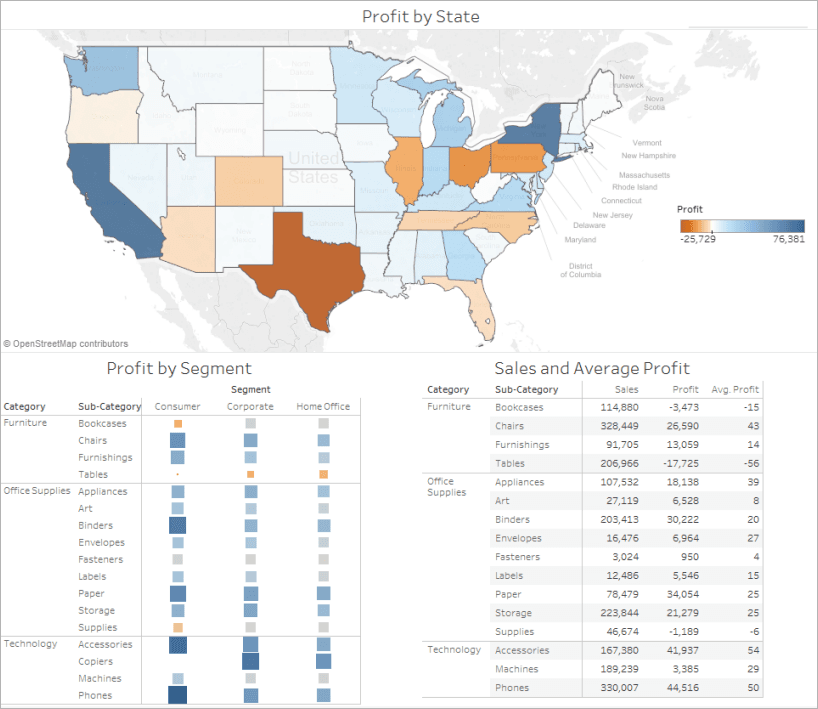
Dashboard Design: Guide, Don't Overwhelm
A good dashboard guides users to an insight, not just displays charts. Place your key takeaway in the top-left and limit views to 2-3 to maintain focus. The biggest mistake is including too many views, which clutters the message and slows down the dashboard.
Data Partitioning: Spreading Data for Scalability
Partitioning splits a huge dataset across many machines, like assigning phonebook sections to different librarians. This allows systems to scale beyond a single server.
Spark DataFrame API: SQL Smarts on Distributed Data
The DataFrame API is like giving Spark a schema for your distributed data, letting its Catalyst optimizer plan queries like a database would. Use it for structured data processing with column-based operations.
Data Pipeline Orchestration: Beyond Cron Jobs
Data pipeline orchestration is the conductor for your data workflows, ensuring tasks run in the right order with full dependency awareness. It manages complex chains, like triggering analytics only after an ETL job succeeds.
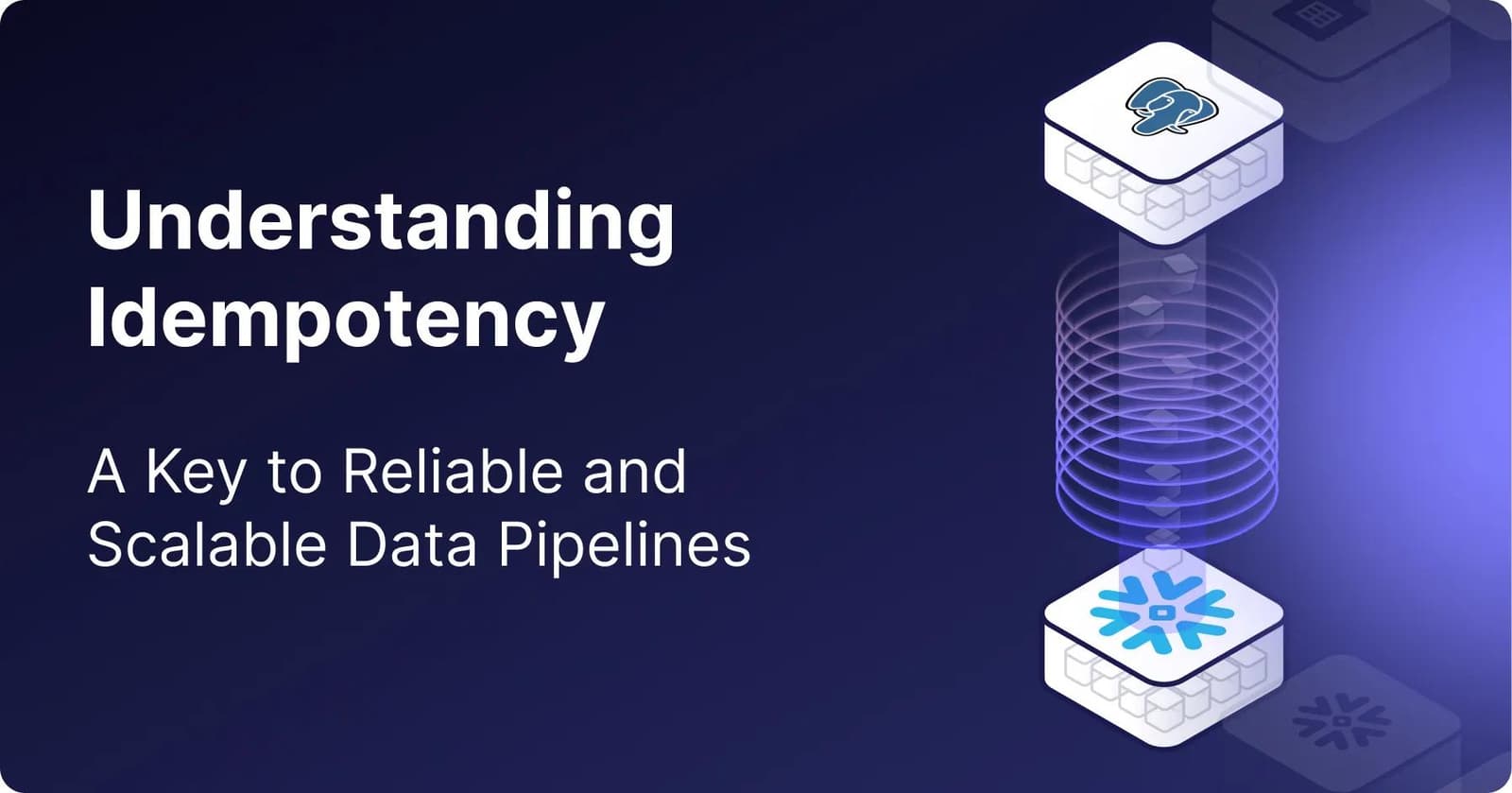
Idempotency: Making Data Pipelines Retry-Safe
Idempotency means an operation has the same effect whether run once or multiple times, like closing an already-closed door. It's essential for data pipelines where retries are common. The footgun is assuming retries are safe, leading to data corruption.
Log Transformation: Taming Skewed Data for Better Models
A log transform tames skewed data by compressing large values and spreading out small ones. It's used on data like income or web traffic to help it meet the assumptions of linear models. The footgun: it fails on zero or negative values.
Missing Data Imputation: Filling in the Blanks
Instead of deleting rows with missing values, imputation makes an educated guess to fill the blanks, preserving your sample size. It's used in survey analysis or time-series data where dropping records would introduce bias.
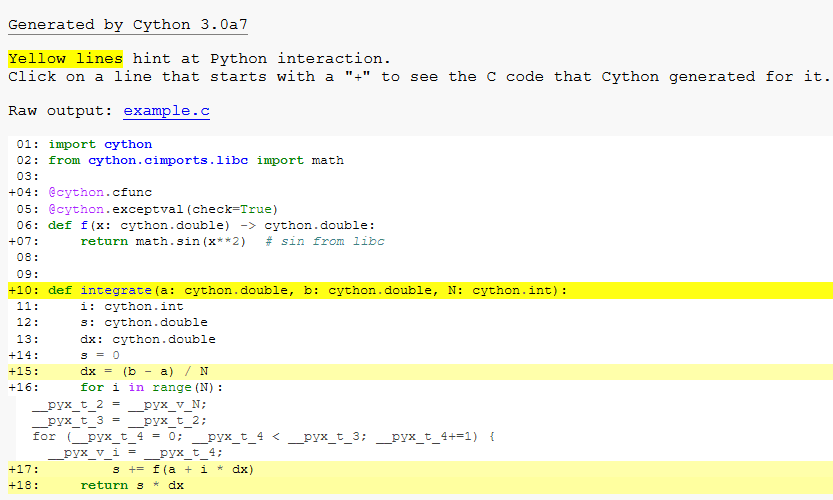
Cython: Static Typing for Faster Python
Cython speeds up Python by compiling it to C, especially when you add static types to bypass Python's dynamic overhead. Use it for CPU-bound bottlenecks like tight loops in numerical code.

Proxy Metrics: Estimate Long-Term Impact Now
A proxy metric uses a model to estimate a slow, long-term outcome, like annual revenue. It lets you quickly judge an A/B test's impact without waiting months for the true result. The footgun is trusting a biased model or ignoring its error, giving you false.
AI Safety: Preventing Unintended Consequences
AI Safety is the engineering discipline for preventing intelligent systems from causing harm, by accident or misuse. It's crucial for autonomous systems like self-driving cars or large models that can amplify bias.
We are hiring for this. Every open role lists the topics its interview covers, so you can prepare for the real thing rather than guessing.
See open roles