Interview questions in Backend Dev, page 20
Zero-copy string to []byte conversion via unsafe in Go
Use unsafe.StringData/Slice (or reflect headers) to alias the string's bytes without copying; assumes shared backing array; risk is mutating an immutable string.
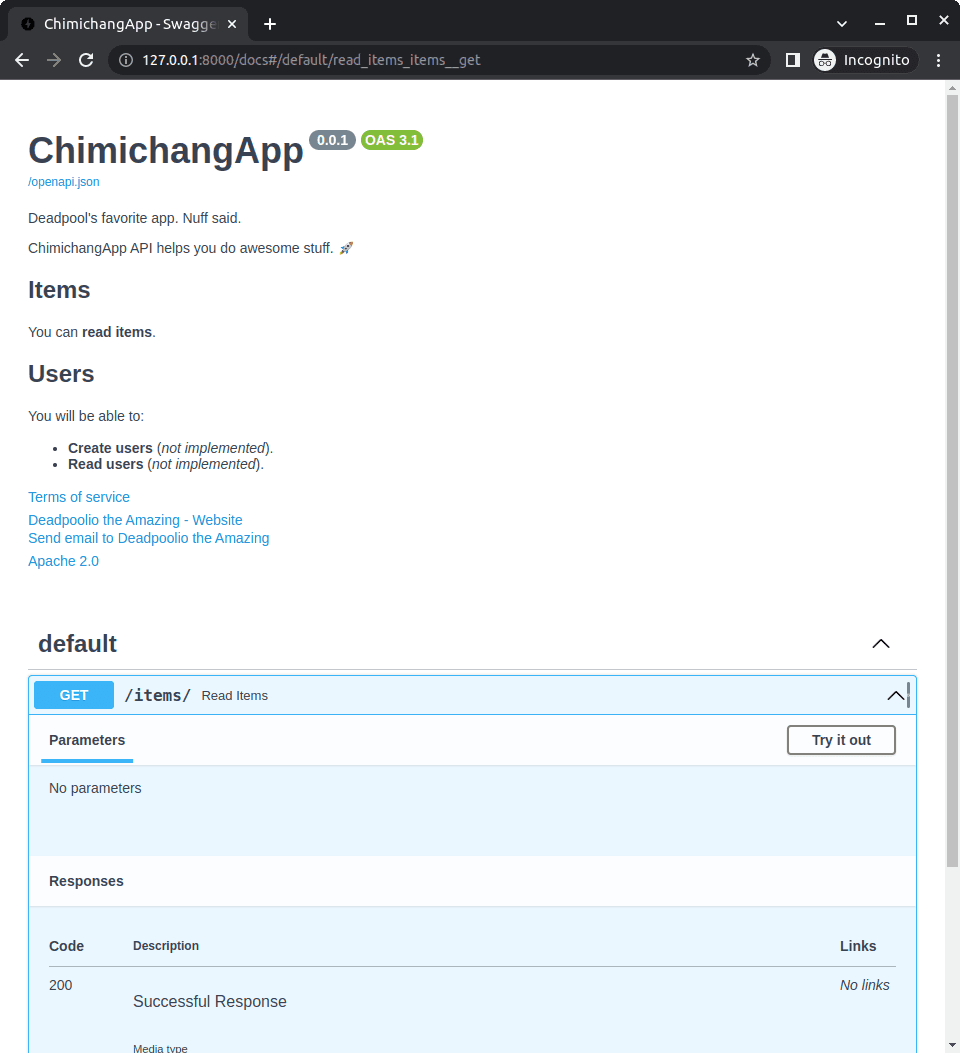
How do you add a title, description, and version to FastAPI auto-docs?
Tests if you know FastAPI's metadata kwargs for OpenAPI docs. Pass title, description, and version to the FastAPI() constructor; Swagger UI and ReDoc render them automatically.
Purpose of the Node.js cluster module
Cluster forks worker processes sharing one listening port, so requests spread across CPU cores via the OS, raising throughput and adding resilience.
Schema-on-read in data lakes
Structure is applied at query time not ingest, enabling flexible raw storage and ML, but costing query-time validation and risking data swamps.
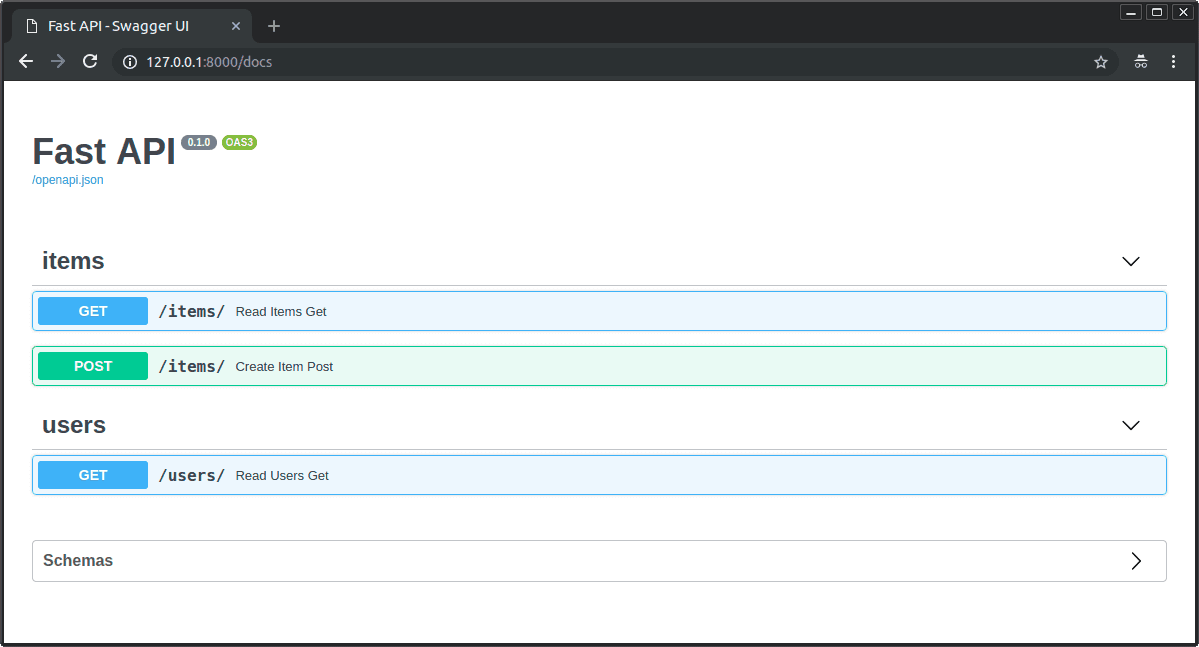
Add summary and description to a FastAPI endpoint for Swagger UI
This tests FastAPI path operation decorator configuration. Pass summary and description to @app.get, or use function docstring for description. A red flag is setting metadata inside the function body or confusing docs with Pydantic Field descriptions.
Design a safe Rust wrapper taking &[i32] and returning Vec<i32>
Tests Rust FFI buffer-output encapsulation. A strong answer declares an unsafe extern C block, allocates a Vec with capacity, passes as_mut_ptr and a local size_t, validates returned length, then calls set_len.
Clickstream architecture for real-time and batch
Ingest events into a log like Kafka, fan out to a real-time path for dashboards and a batch path to a lake for ad-hoc analysis.
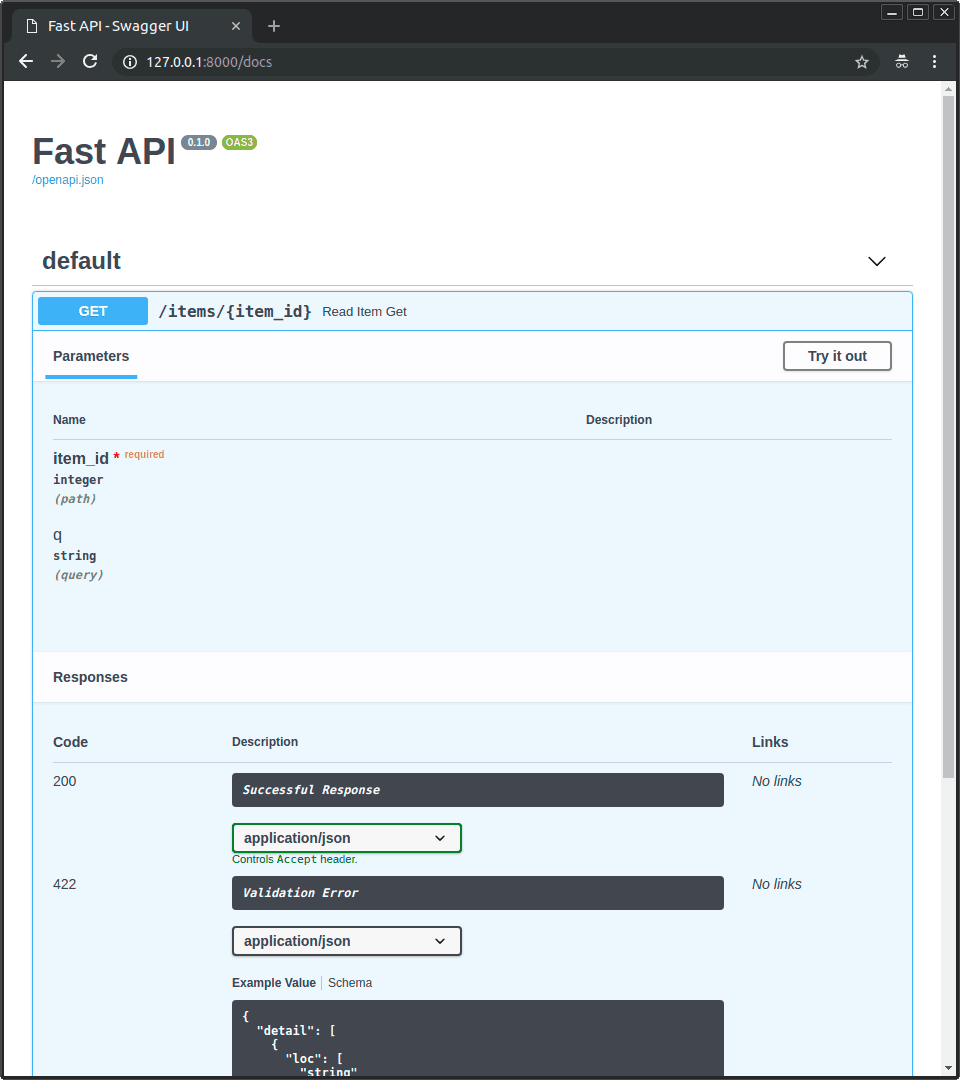
What are FastAPI's two default interactive documentation UIs and URL paths?
This tests whether you know FastAPI's built-in auto-generated docs. A strong answer names Swagger UI at /docs and ReDoc at /redoc, then notes the OpenAPI schema at /openapi.json. A weak answer confuses these with external tools or custom routes.
Purpose of Go import C and Rust equivalent mechanism
This tests FFI entry points: Go's import "C" activates cgo to reference C symbols directly, while Rust uses an unsafe extern "C" block to declare external functions. A red flag is calling either a normal import or omitting unsafe in Rust.
Offloading CPU work with worker_threads
Heavy sync work blocks the single event loop and stalls all requests; move it to a Worker, message the input, await the result asynchronously, and ideally pool workers.
Exactly-once semantics in stream processing
Exactly-once means each event affects state once despite retries, it is hard because of failures between processing and committing, and you achieve it via idempotency or atomic…
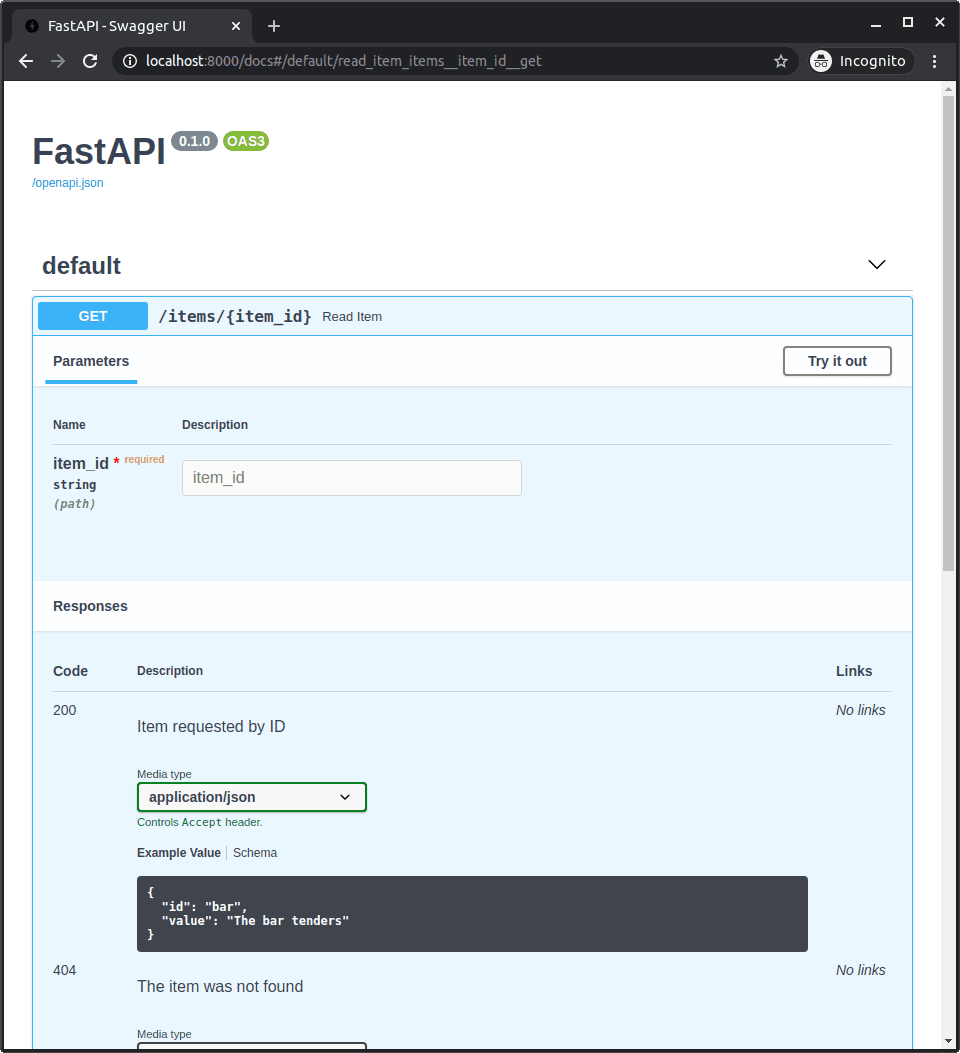
How do you document multiple response schemas in OpenAPI?
This tests FastAPI OpenAPI schema generation for error responses. A strong answer covers the decorator responses dict mapping status codes to Pydantic models and descriptions, plus manually returning JSONResponse with that code.
Pass a string from Go and Rust to C safely
This tests FFI ownership and null-termination. In Go, use C.CString then C.free it. In Rust, create a std::ffi::CString, bind it to a let, then pass as_ptr while the binding lives. Red flag: claiming Rust is auto-safe without mentioning the temp-drop gotcha.
worker_threads versus cluster: when to use each
Worker_threads offloads CPU-bound compute within one process with shared-memory transfer; cluster forks processes to scale IO-bound request throughput across cores.
The small files problem in data lakes
Many tiny files create per-file overhead and metadata pressure, hurting scans; fix via compaction, batching writes, and tuning partitioning.
How can you provide a Swagger UI example for a Pydantic body?
Tests whether you know FastAPI generates OpenAPI schema from Pydantic metadata. A strong answer names Field(example=...) for per-field samples and Body(example=...) for the full payload.
Use a C malloc'd char* in Go and Rust, then free it
Tests FFI allocator discipline. In Go, copy with C.GoString then C.free the *C.char. In Rust, read via CStr::from_ptr, copy to String, then libc::free. Red flag: letting Go GC or Rust Drop manage C memory, or using CString::from_raw on C malloc'd pointers.
Implementing a custom filtering Transform stream
Subclass Transform with objectMode, implement _transform to parse each chunk, push only matching objects, and call the callback; handle parse errors.
Iceberg vs Delta Lake metadata and ACID
Iceberg uses a tree of metadata and manifest files with atomic pointer swaps and optimistic concurrency; Delta uses an ordered transaction log of JSON commits with optimistic concurrency.
How do you group FastAPI endpoints under tags and describe groups?
Tests FastAPI's two-step tag system: decorators label routes, and openapi_tags supplies group descriptions. Good answers cover tagging paths with tags=["users"], then defining metadata in FastAPI(openapi_tags=[...]) with matching names.
We are hiring for this. Every open role lists the topics its interview covers, so you can prepare for the real thing rather than guessing.
See open roles