More in Backend Dev — page 50
Database as a Service (DBaaS): Rent, Don't Build
DBaaS is like leasing a database instead of owning it. A cloud provider handles the backups, patching, and scaling, so you can focus on your app. The main footgun is assuming "managed" means you can ignore configuration, query performance, and costs.
Database Proxies: A Manager for Your Database Traffic
A database proxy is a manager between your app and database, handling requests to improve performance and security. It pools connections, caches queries, and balances load, preventing any single server from being overwhelmed.
Data Mapper Pattern: Decoupling Your Domain from Your DB
A Data Mapper is a dedicated layer that moves data between in-memory objects and a database. This decouples your business logic from persistence, keeping domain objects clean and unaware of the database schema. It's the opposite of the Active Record pattern.
Active Record: Your Object is the Database Row
The Active Record pattern treats an object as a self-managing database row, bundling data with persistence logic. It's great for simple CRUD apps, but tightly couples your business logic to your database schema, making complex refactors difficult.
ORM Lazy Loading: Defer Queries Until Needed
An ORM's lazy loading fetches related data only when you access it, not with the initial query. This speeds up the first query if you don't need related objects. The footgun is the N+1 problem, where a loop triggers many hidden, slow database queries.
Database Cursors: Row-by-Row Result Processing
A database cursor is an iterator for a query's results, letting you process a large dataset one row at a time. It's for batch jobs on huge record sets that would otherwise crash your app.
SQL Query Builders: Write SQL Without Writing SQL
An SQL query builder is a translator for your database, converting visual clicks or chained code methods into raw SQL. It's used to write safer, database-agnostic code or to let non-technical users build queries. The footgun is generating inefficient queries.
The Object-Relational Impedance Mismatch
The Object-Relational Impedance Mismatch is the friction between how SQL databases see data (tables, rows) and how OO code sees it (objects, inheritance). It's the core problem ORMs solve. The footgun is thinking an ORM makes the database disappear.
Connection String: Your App's Key and Address to Data
A connection string is your app's address and key to a data source. It bundles the host, port, database name, and credentials into a single string for a driver to use. The main footgun is committing credentials to version control by hardcoding the string in.

ODBC: The Universal Translator for Databases
ODBC acts as a universal translator, letting one application speak to many different relational databases. Your app uses the standard ODBC interface, and a specific "driver" handles the unique protocol for each database. The footgun is performance overhead.
JDBC: Java's Universal Translator for Databases
JDBC is Java's universal adapter for databases, letting your app speak SQL to any database via a standard API. It's used for connecting, querying, and managing transactions. The biggest footgun is building SQL strings directly; always use PreparedStatements.

Database Parameter Tuning: Beyond the Defaults
Database defaults are a compromise. Parameter tuning tailors the database to your specific workload, hardware, and reliability needs. It's used to optimize memory, WAL settings, or query planning.
Database Disaster Recovery: Planning for Total Failure
Database Disaster Recovery (DR) assumes your primary site is gone for good, focusing on restoring service at a secondary location. It's for critical systems where regional outages are unacceptable. The footgun is confusing DR with High Availability (HA).
Database High Availability: Surviving Server Failure
High Availability (HA) means having a hot standby database ready to take over instantly upon failure. It's essential for critical systems like payment gateways where downtime is unacceptable.
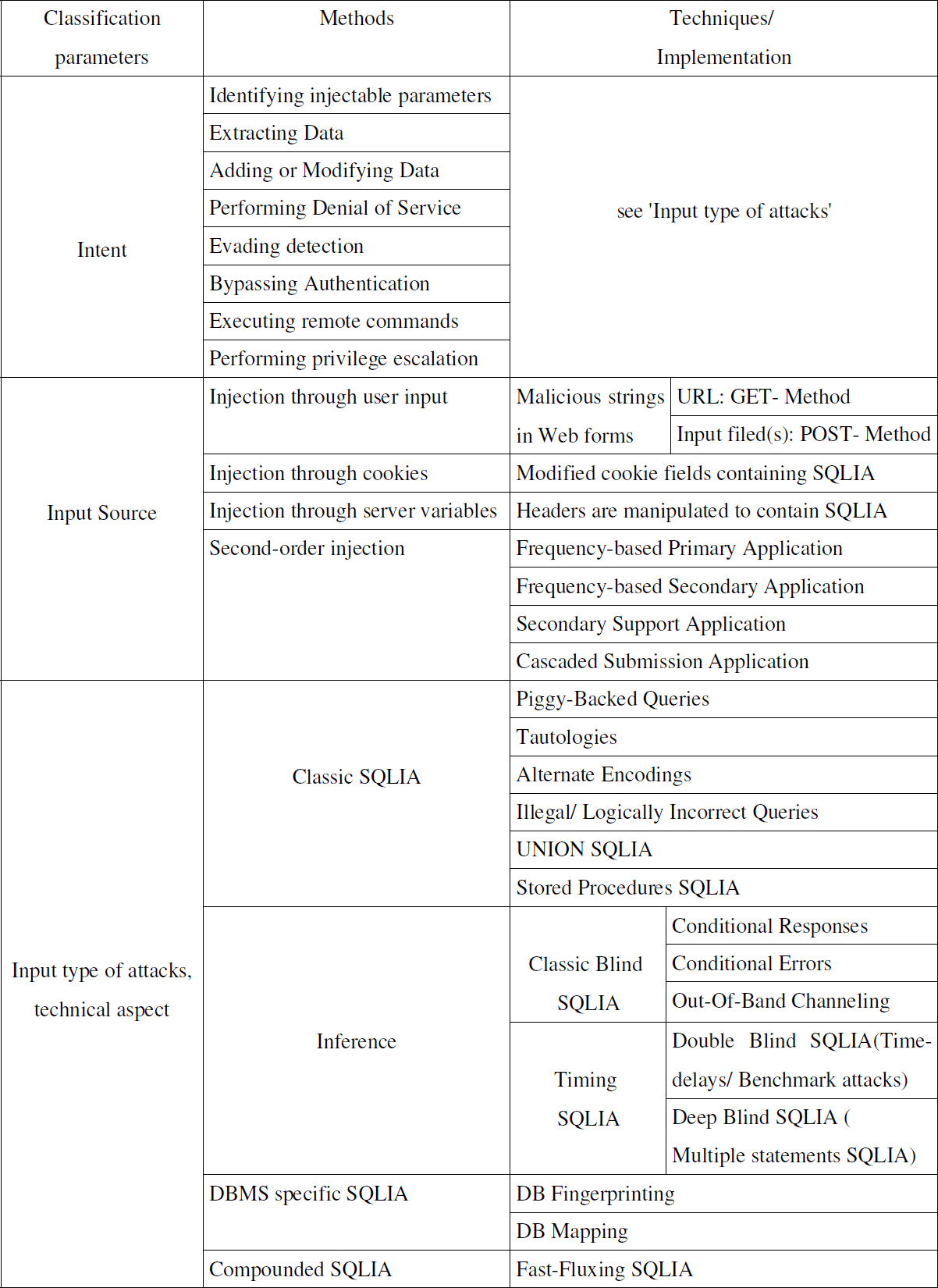
SQL Injection: When User Input Becomes a Command
SQL injection tricks a database into running unintended commands by sneaking them into user input. It's a common attack on websites where user data is directly stitched into SQL queries. The footgun is trusting input; always use prepared statements instead.
Database Encryption: Protecting Data at Rest
Database encryption turns your data into useless gibberish for anyone without the key. It protects sensitive data at rest, like PII or financial records, from direct theft of the database files.
Database Auditing: Your Database's Security Camera
Think of database auditing as a security camera for your data, recording who did what and when. It's essential for security investigations and compliance, but the footgun is treating it as a substitute for access control—it only records a breach, it doesn't…
How Database Indexes Rot and How to Fix Them
Your database indexes rot over time, making queries slower. Frequent writes cause fragmentation (disordered pages) and low page density (half-empty pages), forcing more disk I/O.
Point-in-Time Recovery: Rewind Your Database to a Specific Second
Point-in-Time Recovery (PITR) is a database time machine, restoring data to a specific second, not just the last snapshot. It's crucial for reversing application-level errors.
Connection Pooling: Don't Re-Open, Reuse
A connection pool is a valet service for database access. Instead of creating a new connection for every request, you borrow a ready-made one and return it. This avoids costly setup/teardown in web apps.