Intermediate concepts in Content & Copywriting, page 3
Scripting B-Roll: Show, Don't Just Tell
Think of B-roll as the visual evidence for your main narrative. It's the supplemental footage that shows what a speaker is talking about, breaking up static shots in interviews or demos.

Podcast Show Notes: Your Episode's Clickable Companion
Podcast show notes are the clickable, searchable companion to your audio, turning passive listening into action. They house affiliate links, guest bios, and resources, boosting SEO and monetization.

Table Read: Hear Your Words Before You Ship Them
A table read is a dress rehearsal for your words. You gather stakeholders and read text aloud to catch awkward phrasing and unclear flow before it goes live. Use it for high-stakes content like API docs. The footgun is reading it yourself—you need fresh ears.
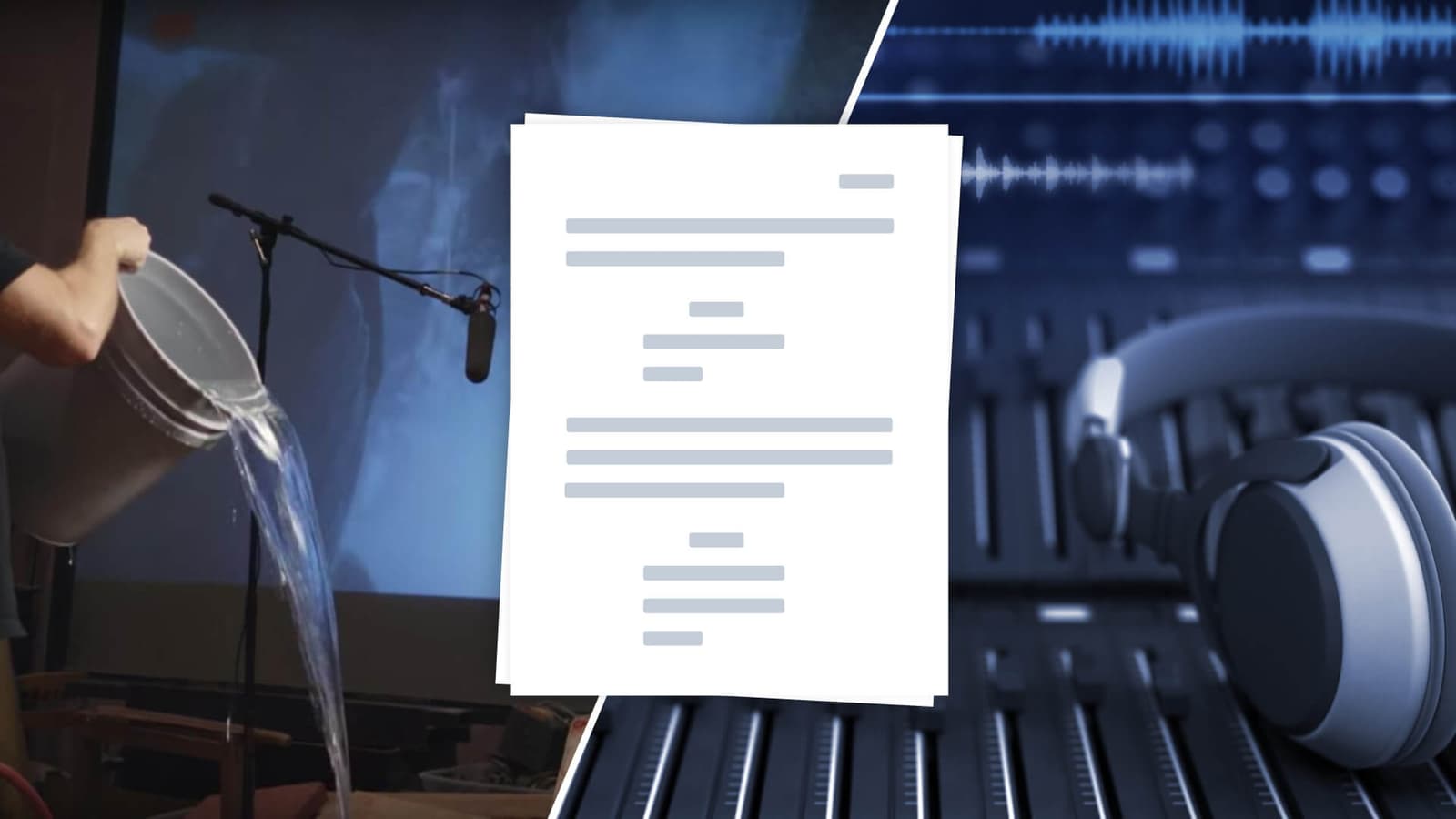
Writing Sound Cues: When to Yell 'BANG!' on the Page
Don't just describe a sound; make it heard. In screenplays, write plot-critical sounds as capitalized onomatopoeia in the action lines, like a gunshot (BANG!). The footgun is capitalizing ambient noise or using it to direct an actor's vocal delivery.
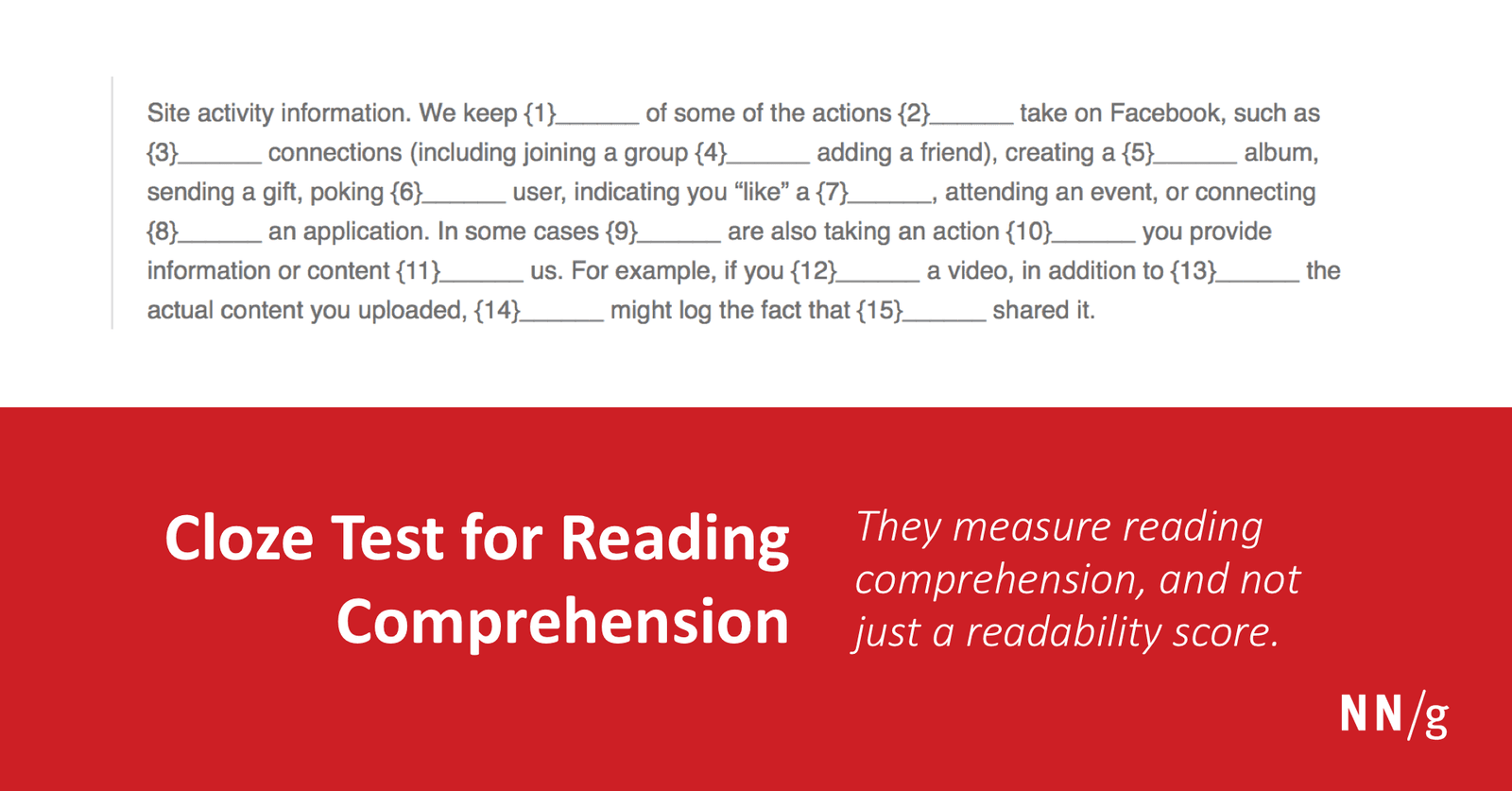
The Cloze Test: Measuring Comprehension, Not Just Readability
A Cloze test measures if users truly understand your text, not just if it's easy to read. By replacing every Nth word with a blank and asking users to guess, you can test comprehension directly.
A/B Testing: Calculating Your Sample Size
Calculating A/B test sample size ensures your results are statistically significant, not just random noise. It's vital before testing anything from button colors to headlines. The biggest footgun is stopping a test early when a variant looks like it's winning.
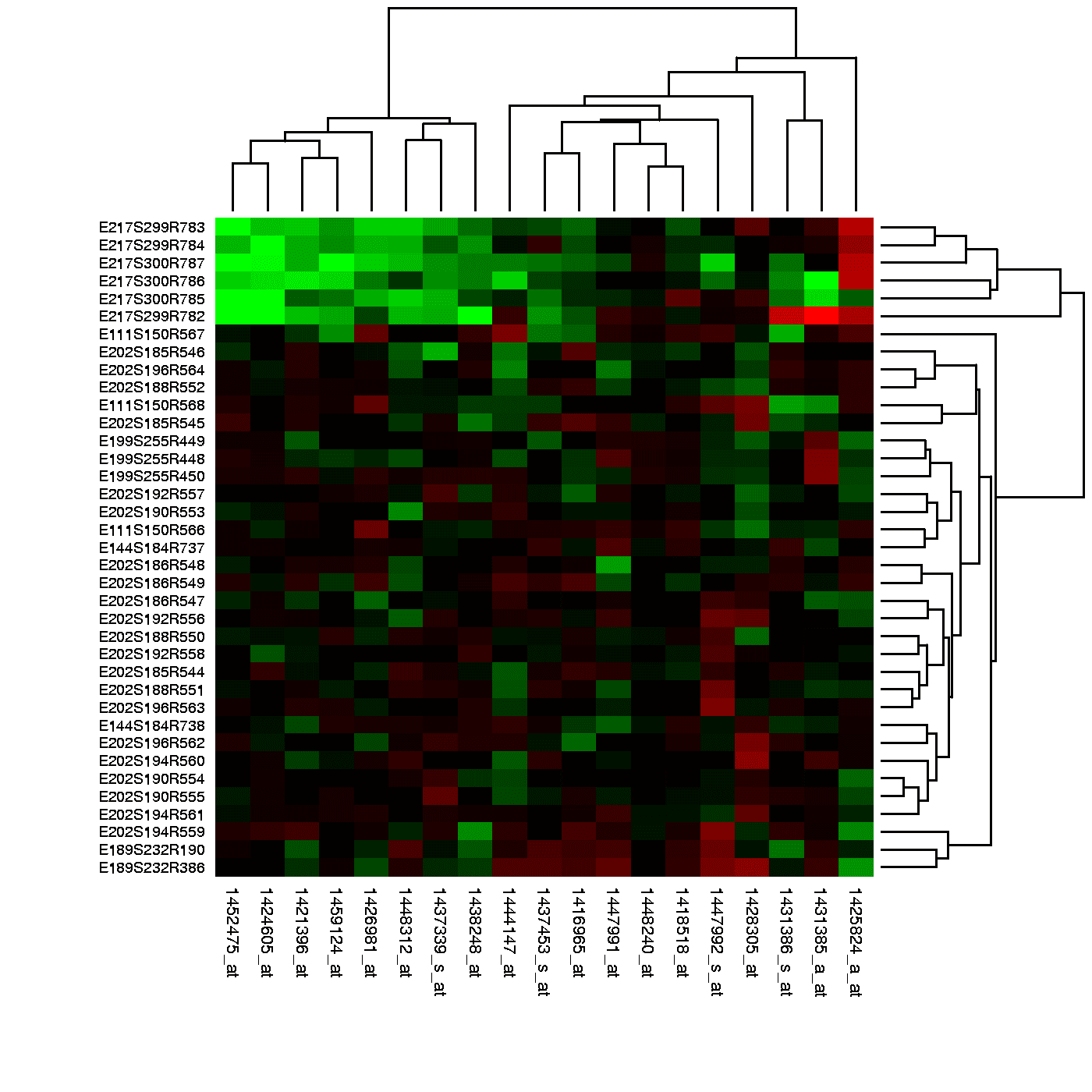
Heatmap Analysis: Seeing Where Your Users Look
A heatmap is a weather map for your webpage, showing 'hot' spots of high engagement and 'cold' spots users ignore. Use it to see which headlines get clicks or how far down a sales page users scroll.
Session Replay: A DVR for Your User's Experience
Session replay is like a DVR for your website, letting you watch a user's exact journey. It's used to debug issues, find conversion blockers, and understand user behavior. The footgun is watching aimlessly; without a hypothesis, you're just invading privacy.
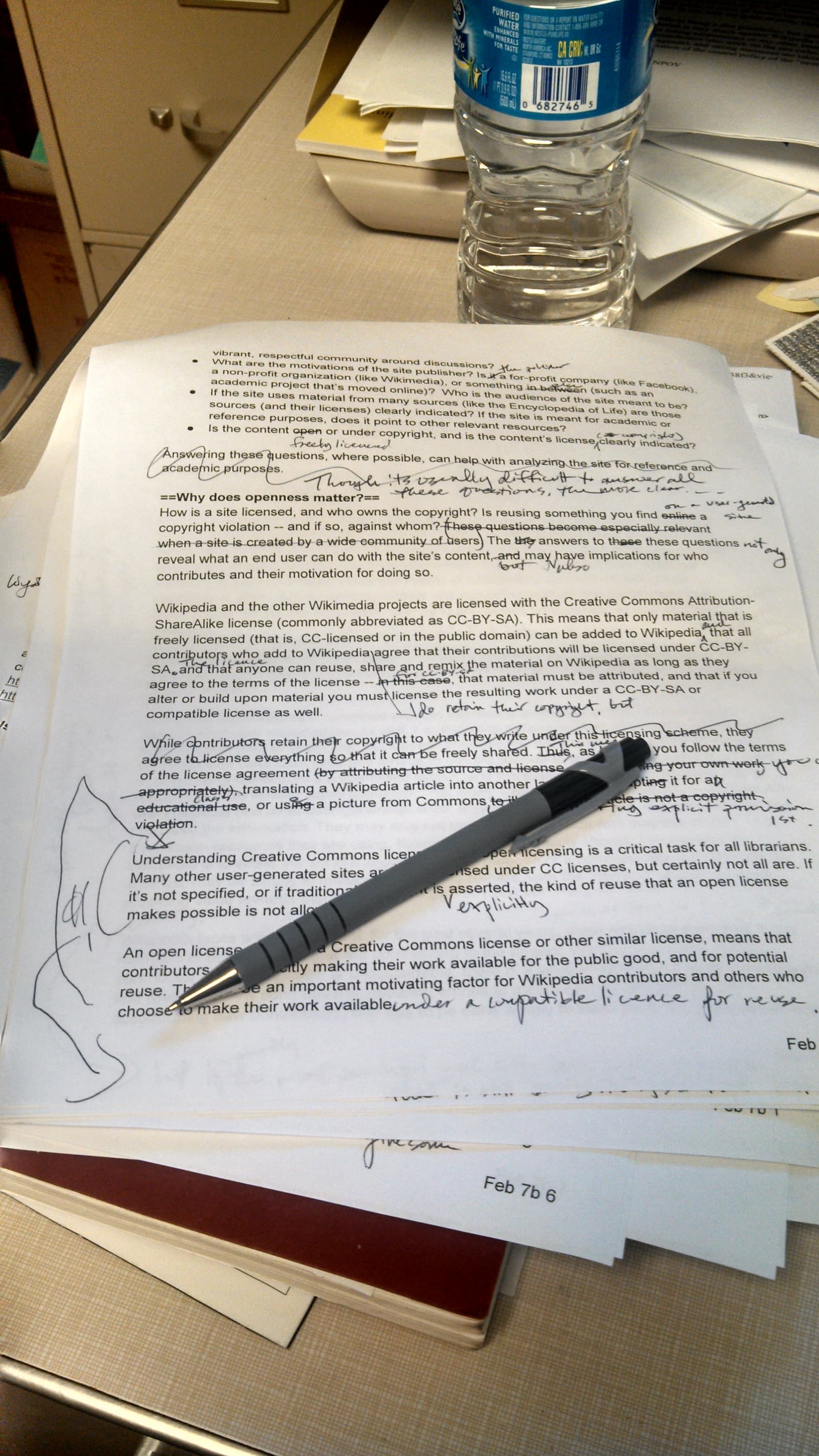
Copy Editing: More Than a Spell Check
Copy editing is structural work on your writing, fixing clarity, flow, and accuracy—not just a final spell check. It happens after drafting but before layout, ensuring the core message is sound. The footgun is asking for a proofread when you need a copy edit.
Goal Tracking: From User Clicks to Business Conversions
Goal tracking translates user actions into business metrics. Analytics platforms use automatically collected events (like ad_click) as building blocks to track these goals. The footgun is confusing any interaction with a valuable, defined conversion.
Scroll Depth Tracking: Measure Engagement Beyond the Fold
Scroll depth tracking measures how much of a page a user actually sees, not just that they landed on it. It fires analytics tags at specific scroll points, like 25% or 75% down the page, to gauge engagement on long articles.

Fair Use: Using Copyrighted Work Without a License
Fair use is a legal defense, not a right, allowing unlicensed use of copyrighted work for criticism, commentary, or education. It's essential for reviews or tutorials.

Creative Commons: Granting Permissions Beyond 'All Rights Reserved'
Creative Commons licenses provide a standard way to grant permissions for your work, moving beyond copyright's 'all rights reserved' default. They're used on platforms like Wikipedia and Flickr to allow sharing while defining terms.

Trademark Usage: Treat Brands as Adjectives
A trademark is an adjective, never a verb. When writing copy or UI text, use ™ for unregistered and ® for registered marks, and distinguish them from surrounding text. The footgun is treating brands as verbs or implying endorsement when citing third parties.
Truth in Advertising: Claims Must Be Substantiated
Don't just say it, prove it. Advertising claims must be truthful, not misleading, and substantiated with evidence *before* you publish. This applies to all ads, from product performance claims to influencer endorsements.
CAN-SPAM Act: The Rules for Commercial Email
The CAN-SPAM Act sets the rules for commercial email, not blocks it. It requires clear identification as an ad, a physical address, and an easy opt-out method. The law applies to all promotional emails, not just bulk campaigns.
WCAG: The Technical Standard for Web Accessibility
WCAG is the technical rulebook for making web content usable by people with disabilities. It provides testable criteria for websites and apps, often required by law. The footgun is aiming too low; Level AA is the standard target, not just Level A.
Native Advertising Disclosures
Native advertising disclosures are the clear labels, like Sponsored or Ad, that must appear on content designed to blend into a publisher's normal articles or feed, so readers can tell paid promotion from independent editorial before they engage with it.
Hiring Writers: Freelance vs. In-House
Choosing between freelance and in-house writers is a strategic trade-off. Freelancers offer cost-effective, specialized talent on demand, while in-house writers provide deep brand knowledge and consistent availability.
Beyond Per-Word: A Framework for Setting Freelance Rates
Price your work based on value, not just word count. Rates vary widely by service (editing vs. consulting), genre, and your expertise. This applies when quoting any project.
We are hiring for this. Every open role lists the topics its interview covers, so you can prepare for the real thing rather than guessing.
See open roles