Everything in Content & Copywriting, page 5

Build a system to send 1M personalized emails in 2 hours
This tests async distributed throughput and deliverability. Cover partitioned queues, auto-scaling workers, per-ESP rate limits, IP rotation, and exponential backoff with dead-letter queues. Red flags: synchronous sends, skipping IP warmup, or no retry logic.
Explain SPF, DKIM, and DMARC roles and implementation tasks
SPF authorizes IPs, DKIM signs content, DMARC aligns both to the From domain and enforces policy plus reporting.
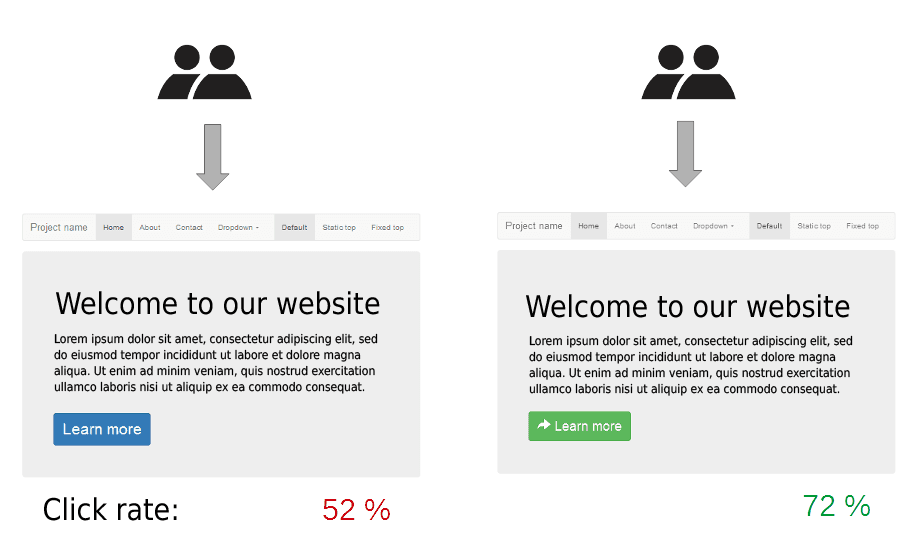
Architect email subject line A/B testing for a large user base
Tests distributed systems and statistical rigor. Covers deterministic user bucketing, isolated variant delivery, deduplicated tracking, and pre-powered significance. Red flag: daily re-randomization or using open rate without confidence intervals.
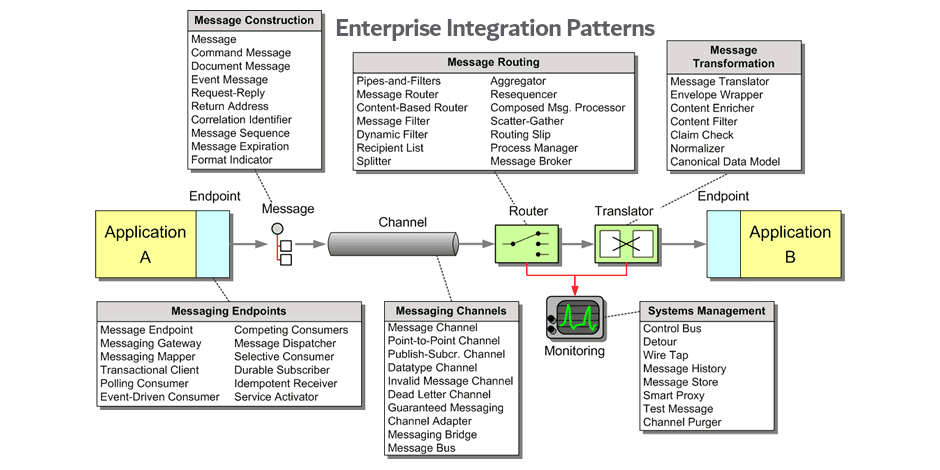
How would you design an idempotent order confirmation email sender?
Tests preventing duplicate side effects in distributed systems. Strong answers use deduplication keys, idempotency windows, and distinguish client retries from broker redelivery. Red flag: using a read-before-write check without unique constraints or TTLs.
How does email open and click tracking work?
This tests beacon and redirect mechanics plus event schema design. A strong answer covers a 1x1 pixel fetched on open, a redirect link that logs then forwards, and data like IP, timestamp, and UA. A red flag is omitting image blocking or privacy implications.

How would you programmatically populate an HTML email template?
Pick a template engine, bind the user object as context, render HTML, and send via a mailer.

Technical differences: transactional email vs marketing newsletters
Transactional uses SMTP or API for fast alerts; marketing sends millions via segmented lists needing IP warm-up, spam checks, and unsubscribes.
Architect a secure draft preview system for a headless CMS
It tests safe headless CMS draft previews on production frontends. A strong design uses authenticated preview APIs, SSR middleware with JWT sessions, CMS preview tokens, and cache-busting. Relying on obfuscated URLs or disabling preview auth is a red flag.
How would you architect a related articles feature?
Start with tag overlap for speed; move to embeddings with ANN for semantics; compare latency, cost, and coverage.

Design a system to A/B test headlines for a single article URL
Hash users for sticky variants; store separately; emit events; compute CTR.

Outline a strategy to improve LCP and CLS for blog article pages
Fix LCP with server speed, resource hints, critical CSS; fix CLS with explicit sizes and font-display.
How would you design an auto-generated sitemap.xml for a large blog?
This tests scalable SEO automation. A strong answer proposes an async pipeline, sitemap index files past 50,000 URLs, and loc, lastmod, and priority. Red flag: manual edits, static files in git, or ignoring the 50,000 URL limit.
How do you dynamically populate Open Graph and Twitter Card meta tags?
This tests server-side meta injection from article data. A strong answer covers the four required og properties, Twitter Card name-attribute equivalents, and structured image metadata like width, height, alt.

Build a dynamic table of contents from article h2 tags
Query h2s with querySelectorAll, assign ids, map to anchor links, append a nav list.

Design a centralized Copy Service with versioning, segmentation, and experiments
This tests separation of editorial workflow from runtime delivery. A strong answer covers immutable versioned records, a resolution API evaluating segmentation rules, and delegating experiment bucketing externally.

Caching and performance challenges in SSR with personalized copy
Segment-level cache keys, short TTLs with stale-while-revalidate, and edge personalization to protect origin.
Architect a real-time multi-armed bandit and compare trade-offs to A/B testing
Sketch a fast arm router, streaming feedback, and model updates; contrast MAB regret minimization with A/B's unbiased estimates.

How would you track multiple CTAs to the same conversion goal?
Tests granular event attribution beyond aggregate counts. A strong answer uses unique data attributes per CTA, routes clicks through GTM into GA4 events, and ties them to the conversion. Red flag: relying only on destination URLs, which fails if paths match.
Explain a conversion pixel, click-to-signup flow, and failure points
Tests cross-session attribution state. Strong answers trace the GCLID from URL parameter to cookie or local storage, then to the conversion tag, plus list failure modes like ITP, ad blockers, and race conditions.
A/B test copy in a native app without app store releases
Tests native release friction versus web. Strong answers cite app store review, binary caching, and stale config; then remote fetch, local defaults, and user targeting. A red flag is assuming updates are instant like the web.
We are hiring for this. Every open role lists the topics its interview covers, so you can prepare for the real thing rather than guessing.
See open roles