Everything in Content & Copywriting, page 4
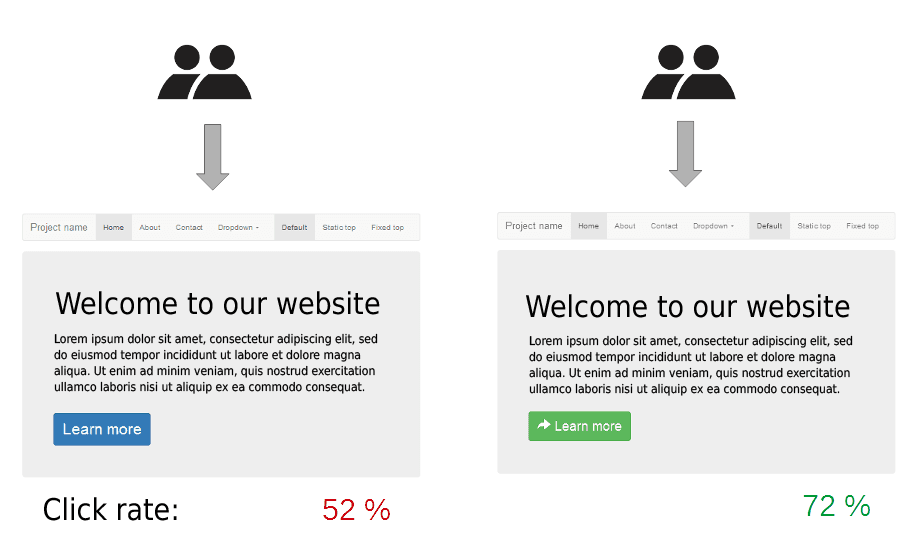
Explain statistical significance in copy A/B tests and why one day fails.
This checks if you distinguish signal from noise. A strong answer defines statistical significance as confidence a difference is real, warns that one-day samples are small and skewed by variance, and cites false positive risk.
What CTA metric wins an A/B test and how to log it?
This tests connecting instrumentation to business outcomes via a click metric and tracked event. An answer picks click or conversion rate, fires an event with variant ID, and notes uniqueness. A red flag is using views without linking the event to the button.
How would you structure an interactive non-linear tutorial script?
Tests separation of content from branching logic via node graph and user model. Outline: addressable state nodes, error edges, drama manager querying user history for contextual help. Red flag: nested conditionals or hardcoding branches in video files.

Propose a script template and review process for 20 tutorial videos
This tests scalable content ops with distributed engineers. A strong answer gives a modular script template with locked sections, a tiered review pipeline using a style guide and peer review. Red flag: a single flat review or no tone calibration.
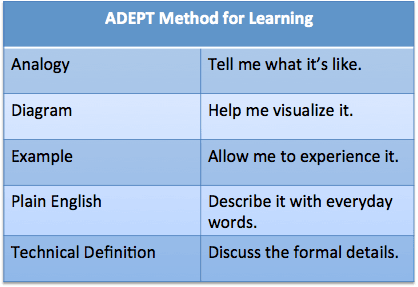
How would you script a concurrency analogy for junior developers?
This tests scaffolding hard ideas via ADEPT. A strong answer sequences analogy, diagram, example, plain-English reasoning, and technical notation while flagging where metaphor breaks. A red flag is treating the analogy as proof or ignoring its failure modes.

What techniques make complex technical topics understandable in audio-only podcasts?
Great answers cite relatable analogies, vocal signposting, and narrative framing without visual references.

How do you convert dense documentation into a spoken video script?
Shorter sentences, inline context instead of footnotes, conversational second-person voice, verbal signposts, and visual cues.
Design a CI/CD step to auto-lint application content
Rule types (terminology, placeholders, i18n), tools (TextLint, Vale, AST), and failure mode (block vs warn).

Describe architecture for live UI text updates without deployment
Structured API, webhook sync, client or edge rendering with cache versioning, and rollback.

How do you implement a CTA A/B test and attribute conversions?
This tests experiment architecture from bucketing to attribution. A strong answer covers: stable user bucketing, server or client-side rendering, and conversion events tagged with experiment and variant IDs.
How do you handle UI text pluralization with ICU Message Format?
This tests i18n depth beyond adding an 's'. A strong answer names ICU MessageFormat, lists the six CLDR plural cases, and notes translators provide strings per case. Red flag: hard-coding suffixes or simple if/else logic that breaks in Polish or Arabic.
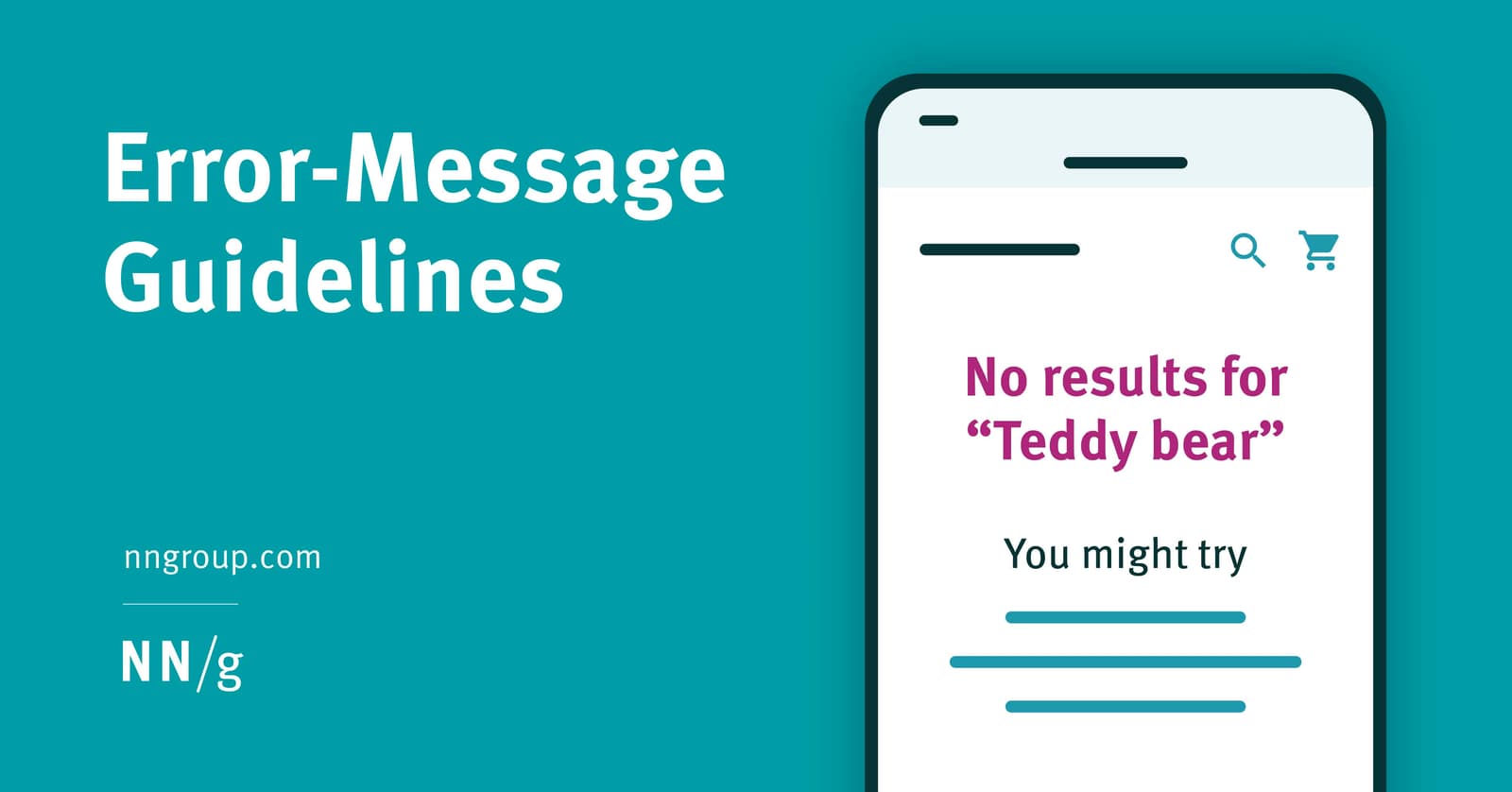
How would you implement specific error messages for failed validation rules?
Error codes from validators, a mapping layer separating logic from copy, and accessible inline rendering.
How would you model cross-platform ad campaign data and adaptation logic?
Propose a canonical model, platform adapters mapping copy to each schema, and an async pipeline with validation.
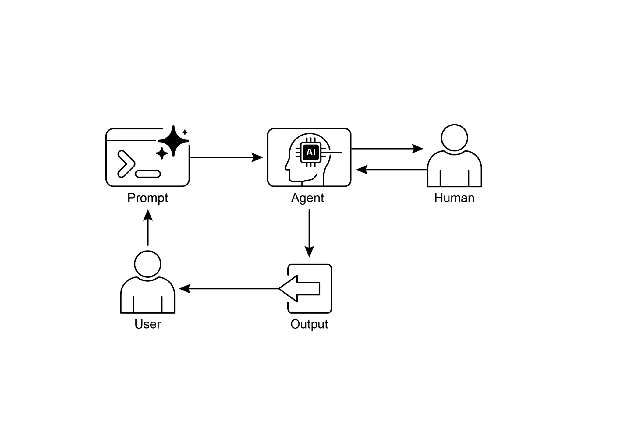
Design an LLM ad copy system with human-in-the-loop
LoRA on approved copy, inference guardrails, human review, feedback as preference pairs for RLHF.

How would you implement a multi-armed bandit for real-time ad optimization?
Use Thompson Sampling or UCB1; split low-latency inference from async updates; track regret.
How do you attribute a delayed direct conversion to original ad copy?
Persist copy IDs in first-party cookies at landing, read at conversion to fire server-side events in a 90-day window.
Outline the architecture of a Dynamic Creative Optimization system
Tests distributed system design for combinatorial ad optimization. A strong answer maps a creative asset service, combination engine, real-time ad server with A/B testing, performance feedback pipeline, and campaign config UI.

Design a simple templating system for ad copy generation
Tests separation of concerns and API design. A good answer: data model separate from template, placeholder syntax, graceful missing-value handling, and HTML escaping. Red flag: naive string concatenation without validation or extensibility.
Design a database schema for an ad A/B test
Tests separating high-volume events from slow-changing experiment metadata. Strong answer: distinct tables for variants, impressions, and clicks; clicks link to impressions; a user-assignment table avoids duplicating variant data per event.
Design a personalized newsletter recommendation pipeline
Tests batch versus stream tradeoffs and send-time personalization constraints for millions of recipients. A strong answer covers event capture, 24-hour aggregation, lightweight rec generation, and template injection before send.
We are hiring for this. Every open role lists the topics its interview covers, so you can prepare for the real thing rather than guessing.
See open roles