Advanced concepts in Design & UX, page 4
Long-Form Sales Letter: Closing Without a Salesperson
Think of a long-form sales letter as your best salesperson, cloned on paper. It anticipates every question for a high-value purchase. It's the final step for selling complex services or courses, meant to secure commitment.
The Johnson Box: Your Letter's Executive Summary
A Johnson Box is the key message of a direct mail letter, placed at the top to grab attention. It's for when you have seconds to make your case before the reader discards it. The footgun is burying the lead; the Johnson Box forces it.
Grounded Theory: Build Theory from Raw Data
Grounded theory builds hypotheses from data, not from prior assumptions. UX researchers reach for it when exploring messy human behavior without existing models. The footgun: forcing early categories onto data instead of letting patterns emerge inductively.
Discourse Analysis in UX Research
Discourse analysis treats language as a design artifact, revealing how users construct meaning. Apply it to interviews and support logs to find unstated needs. Footgun: mining for confirming quotes rather than analyzing how the narrative is built.
Measuring Design System ROI: From Cost to Investment
Frame a design system not as a cost but as a force multiplier for your team's time. Calculate its ROI to show management how much money reusable components and clear standards will save.

Design System Governance: Preventing UI Drift
Design system governance is the rulebook that stops your UI from becoming a free-for-all. It's used to manage contributions, maintain consistency, and ensure updates are intentional, preventing drift as teams and products scale.

Service Blueprint: The Wiring Diagram Behind User Journeys
A service blueprint X-rays the hidden machinery behind a customer journey. Use it for omnichannel services crossing departments. The footgun is producing generic diagrams untethered from a specific business goal like reducing redundancy.
Contributor License Agreement (CLA): A Legal Pre-Nup for Code
A Contributor License Agreement (CLA) is a legal pre-nup for code contributions, giving the project owner clear rights to use your work. It's used by projects like Angular or Go to avoid legal ambiguity. The footgun is confusing it with the project's license.

The Skyscraper Technique: Out-Ranking with Superior Content
Find the best content for a keyword, then build a taller "skyscraper" by making yours dramatically better. This SEO technique is used to earn backlinks from sites linking to the original, inferior content.

Licensing Your Open Source Design System
An open-source license legally defines how others can use, modify, and share your design system. It's essential when sharing a system publicly to encourage adoption. The biggest footgun is not choosing one, which defaults your work to 'look but don't touch'.
Effect Size: How Large Is the Difference?
Effect size measures how much a phenomenon actually matters, not just whether it exists. In UX research, it quantifies the real-world impact of a design change beyond hypothesis testing. Ignoring it leads to chasing tiny, meaningless wins.
Screen Readers: Designing for a Non-Visual UI
A screen reader navigates your UI's invisible DOM structure, not its visual layout. Think of it as a text adventure where headings are rooms and links are doors. This is essential for all web UIs, checked via alt text and keyboard focus.

Designing for Reduced Motion
Treat UI animations as an enhancement some users must disable for comfort. The prefers-reduced-motion media query lets you respect system-level accessibility settings, preventing vestibular triggers.
Figma Accessibility Annotations: Spec for Developers
Accessibility annotations embed a11y specs directly into your Figma file, translating visual design into build instructions. They're used during handoff to specify screen reader order and roles. The footgun is inconsistency; use a plugin or a system.
Gamification for Design System Engagement
Turn design system adoption from a chore into a challenge by applying game mechanics. Use it to track component usage or encourage contributions with leaderboards and achievements.
Codemods: Automate Design System Upgrades
A codemod is a script that refactors your code for you, using an Abstract Syntax Tree for surgical changes. Use it to automate painful design system migrations, like renaming components across many apps.
Data Visualization for Qualitative Data
Visualizing qualitative data turns coded themes, quotes, and patterns from interviews into affinity maps, theme matrices, and journey artifacts. It makes non-numeric findings scannable and persuasive without distorting nuance into false precision through…

Re-engagement Campaigns: Winning Back Inactive Subscribers
A re-engagement campaign is a targeted effort to win back inactive subscribers, as it's cheaper to reactivate an old lead than find a new one. Use it when a segment of your list stops engaging.
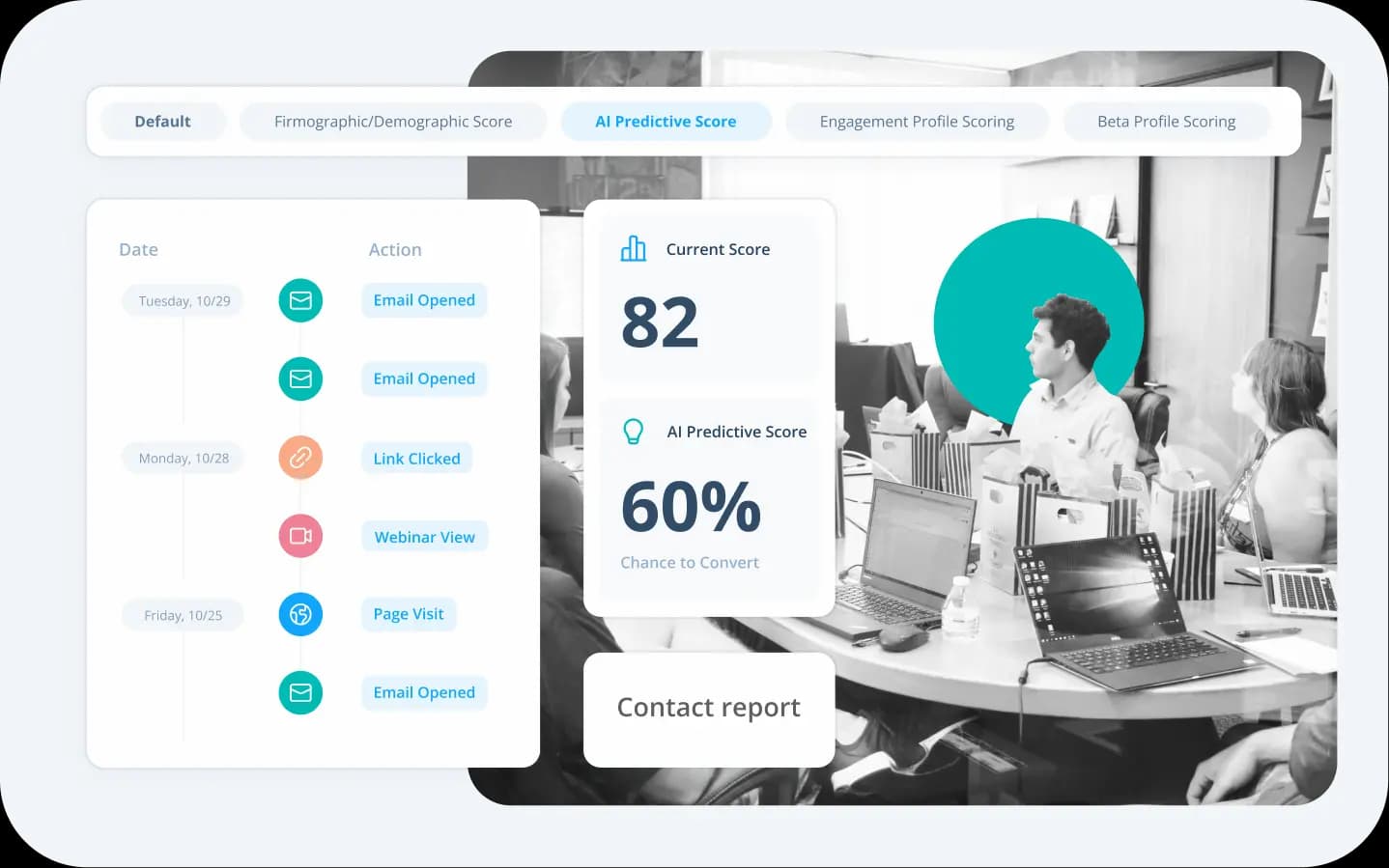
Email Deliverability: Getting Into the Inbox
Email deliverability is your sender reputation, determining if your message lands in the inbox or spam folder. It's crucial for all automated email, as a poor reputation means users miss critical info. The footgun is confusing delivery with deliverability.

Research Democratization: Scale Without Diluting Quality
Research democratization is controlled expansion, not chaos. Non-researchers run simple interviews while pros own complex design. It helps teams move fast when researchers are scarce, but the footgun is untrained staff picking methods or running quant studies.
We are hiring for this. Every open role lists the topics its interview covers, so you can prepare for the real thing rather than guessing.
See open roles