Concepts in Design & UX, page 2
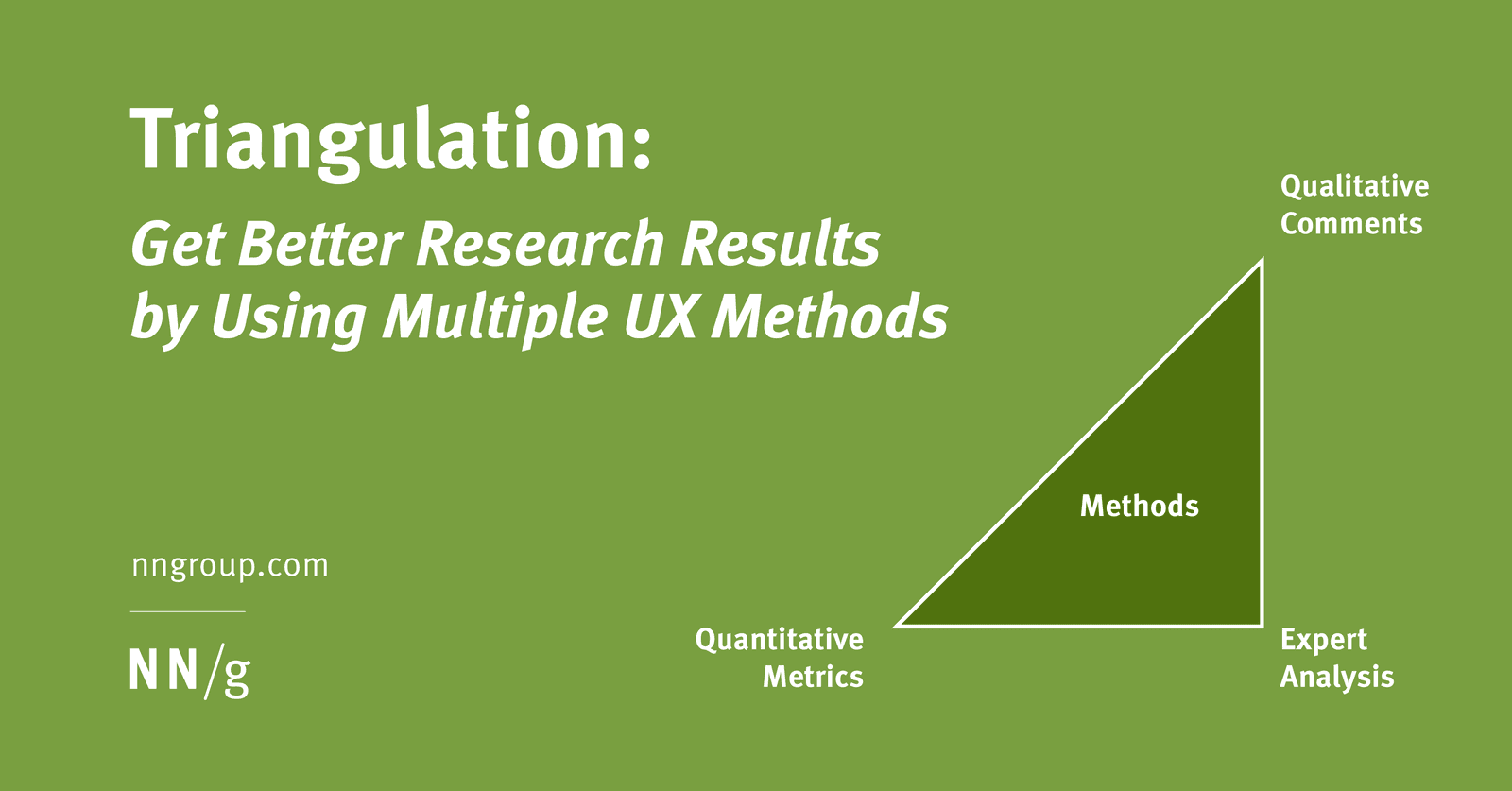
Triangulation: Stronger UX Insights from Multiple Angles
Triangulation strengthens research by combining methods to cover each one's blind spots. For example, pair a quantitative study showing *what* users do with a qualitative one explaining *why*. The footgun is treating a single data source as definitive proof.
Affordances Are Actions, Signifiers Are Clues
An affordance is what's possible (a door can be pushed), while a signifier is the clue telling you how (the flat plate). In UI, a button's styling is a signifier for its click affordance. The footgun is saying 'affordance' when you mean 'signifier'.
Design Systems: Your UI's Single Source of Truth
A design system is the single source of truth for UI, giving designers and developers a shared toolkit of reusable components and standards. It ensures consistency and efficiency across projects.

Cialdini's Principles: The Science of Persuasion
Persuasion isn't an art; it's a science based on six universal principles for building relationships. Use them to ethically increase profits in business or get a "yes" in daily life, like asking a neighbor for a favor.

UX Research Repository: Your Team's Shared Brain
A research repository is your team's shared brain for user insights, preventing knowledge from getting lost. It centralizes reports, recordings, and notes, making them searchable to prevent duplicate studies. The main footgun is poor adoption.

Jakob's Law: Don't Reinvent the UI Wheel
Users spend most of their time on other sites, so they expect yours to work like everything else they already know. Leverage familiar patterns for navigation, icons, and workflows.

Theming: One Design System, Many Visual Styles
Theming lets one component library wear many visual styles, like skins on a character. You can support multiple brands or dark/light modes by swapping design tokens instead of rebuilding components.

The Hero's Journey: A Blueprint for Compelling Stories
The Hero's Journey is a narrative blueprint: a character leaves their world, overcomes a crisis, and returns transformed. It's the structure behind blockbuster films and persuasive case studies.
Debriefing: Closing the Loop in Research
Debriefing is a structured conversation after a research session to gather feedback and clarify observations. Use it after usability tests to understand a user's thought process and answer their questions.
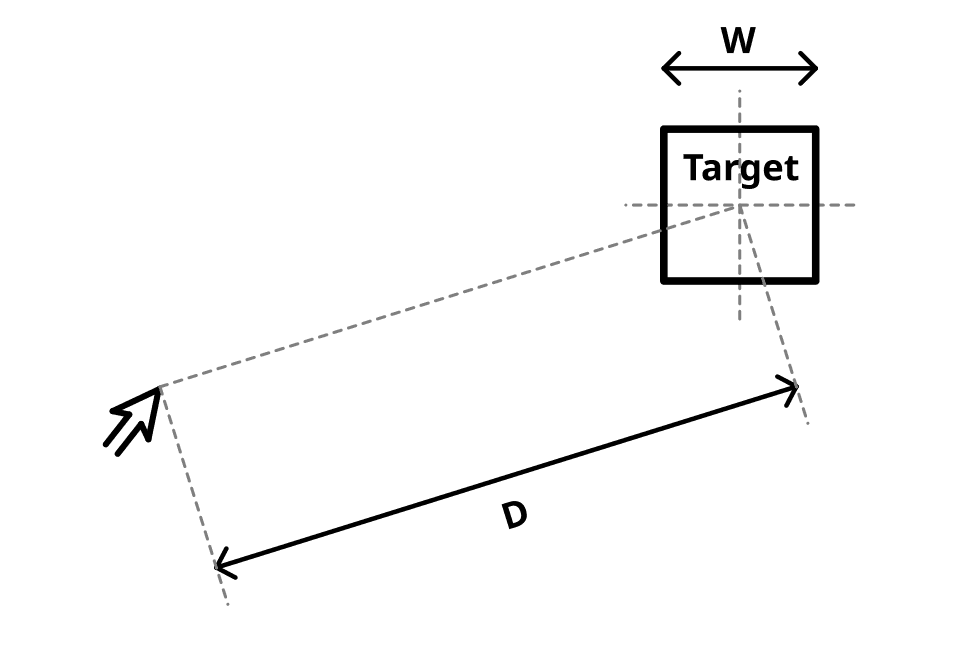
Fitts's Law: Bigger, Closer Targets Are Faster to Hit
Fitts's Law predicts that the time to hit a target depends on its distance and size. This is why mobile buttons are large and context menus appear at your cursor. The footgun is making everything huge, which sacrifices information density and visual hierarchy.

Measuring Design System Health and ROI
A design system isn't a one-off project; it's a product that decays without measurement. Track metrics like component adoption and design-to-code parity to prove its value and guide maintenance.

StoryBrand: Make the Customer the Hero of Your Message
Stop talking about your company; make the customer the hero of a story where your brand is the guide. Use this for website copy and sales pitches to turn a confusing message into one that drives growth. The footgun is making your brand the hero.
Data Minimization: Collect Only What You Need
Treat user data like a liability, not an asset. The Data Minimization principle states you should only collect personal data that is strictly necessary for a specific purpose. This is a core tenant of GDPR. The footgun is collecting data "just-in-case".
Hick's Law: More Choices, Slower Decisions
Hick's Law states that decision time increases logarithmically with the number of choices. It's why complex menus slow users down, forcing them into analysis paralysis.
System of Systems: Managing Design Systems at Scale
A "system of systems" isn't one giant design system, but a fleet of interconnected ones. It's how large organizations manage multiple brands or products without total fragmentation.

Readability Formulas: Scoring Text Complexity
Readability formulas are like a linter for prose, scoring your text's complexity based on sentence and word length. They're used to check if documentation or UI copy is appropriate for the target audience.
Securing Research Data with a Management System
Treat data security as a living system for managing risk, not a one-off checklist. A framework like ISO 27001 helps you systematically protect sensitive research data by defining policies and controls.
"Miller's Law" is Ambiguous and Often Misused
"Miller's Law" isn't one rule, but a name for four distinct, unrelated principles. This ambiguity causes confusion in fields like psychology and computer science.

Typographic Scale: A System for Consistent Text
A typographic scale is a predefined set of font sizes and line heights that creates visual harmony. Design systems use it for consistent, readable text across devices. The footgun is adding one-off font sizes, which breaks the system's rhythm and consistency.

User Personas: Designing for Someone, Not Everyone
A user persona is a semi-fictional character built from real user data to represent a target group. It helps teams design for "Sarah the busy manager," not a vague "user." The footgun is forgetting the persona is an archetype, not a literal person.
We are hiring for this. Every open role lists the topics its interview covers, so you can prepare for the real thing rather than guessing.
See open roles