Easy interview questions in Design & UX

What is the primary purpose of UX research before starting development?
Tests if you see pre-dev research as risk reduction. Strong answer: it validates real user needs before code, exposes unknown requirements while changes are cheap, and avoids building for imaginary users.
What is a design system's purpose and how does it enforce consistency?
This tests if you see a design system as a single source of truth for design, not just a UI kit. A strong answer cites components and style guides that standardize output. Calling it only a Figma file without developer adoption is a red flag.
What is a design system and its primary engineering components?
Tests if you treat design systems as engineering infrastructure, not just UI kits. Strong answers cite reusable coded components, design tokens, documentation, and governance as the core. Red flag: calling it just a component library or style guide.

Explain qualitative vs quantitative user data with engineering examples
Contrast the two modes and give one example per type.

Explain UI feedback and implement immediate feedback for API calls
Define feedback as real-time state communication; describe optimistic UI or spinners resolving to success or error after the API call.
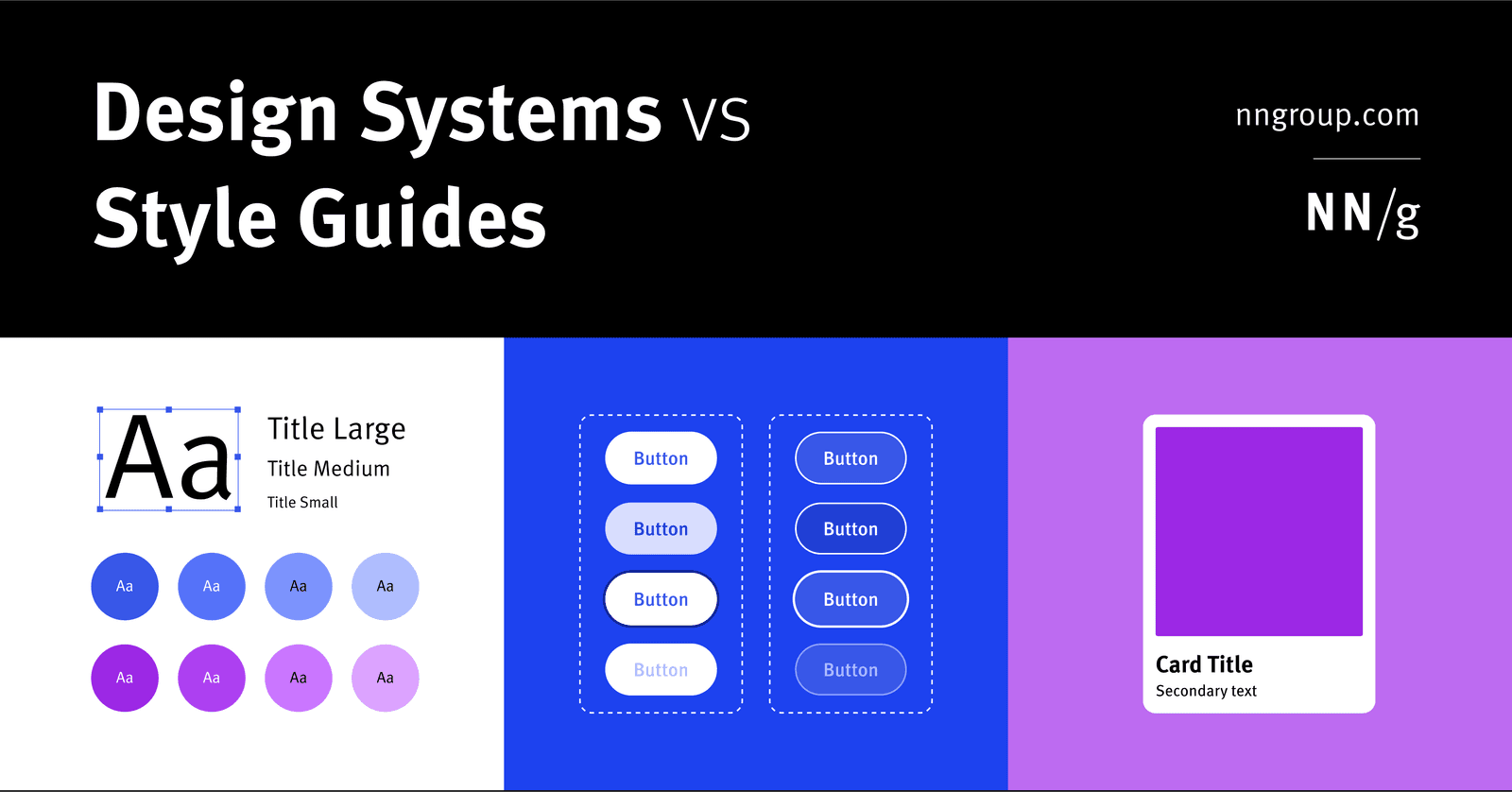
Component library vs style guide vs design system
A design system is holistic parent for scale; a style guide is a narrow visual/content child; a component library is a coded child of reusable UI elements.
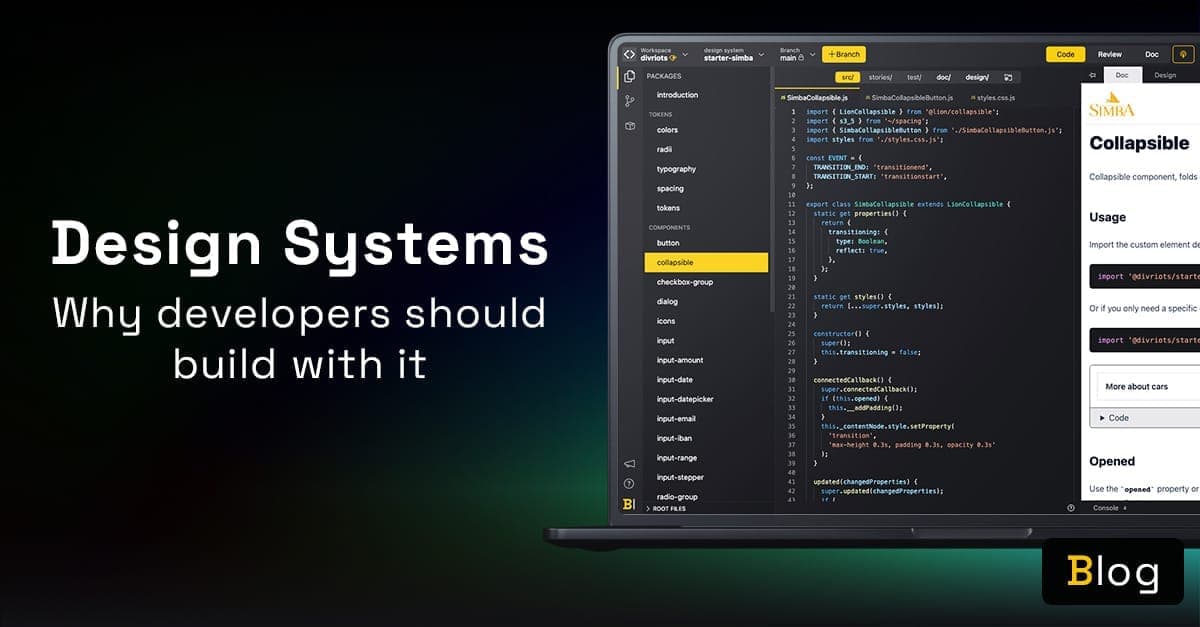
What are the main benefits of consuming a design system?
Cite tokens for theming, isolated components, live docs, and designer collaboration.

How would you A/B test sign-up button copy and measure results?
This tests basic experimental design. A strong answer covers: random assignment, serving variant copy, tracking impressions and conversions, and measuring lift. A red flag is sequential testing or vanity metrics like clicks without sign-ups.
What is PII and how to keep it out of logs
Define PII, redact or mask at the logging boundary, and avoid logging sensitive fields at the source.

How would you track clicks on headlines and calls-to-action?
This tests DOM event handling and basic telemetry design. A strong answer covers event delegation with addEventListener, data attributes for element IDs, and a payload with timestamp and page context.

Implement verifiable informed consent before a remote usability test
This tests whether you treat GDPR consent as an architectural gate. Strong answers cover CMP-powered pre-session disclosure, gating the test on active consent, server-side recording for auditability, and first-party data alignment.
Explain data minimization and how to apply it to a survey schema
Tests translating GDPR adequacy into schema design. Strong answers: define survey purpose first, map each column to a specific need, exclude PII unless essential, and plan periodic review.

Line-height vs letter-spacing: impact on readability and values for body vs headings
This tests whether you distinguish vertical rhythm from horizontal glyph spacing. A strong answer sets body line-height to at least 1.5x per WCAG with minimal tracking, while headings use tighter line-height and tighter tracking. Red flag: identical values.
What is a design token versus a CSS or Sass variable?
Whether you understand abstraction layers in design systems and cross-platform interoperability. Define tokens as vendor-neutral design decisions that generate platform-specific code; contrast with CSS variables (runtime, web-only) and Sass (compile-time…

Implement a typographic scale using design tokens and accessible properties
Token-driven typography and accessibility. Start with base size (14-16px) and ratio token, compute sizes, then bundle font-size with line-height, letter-spacing, weight, and family in composite tokens. Red flag: ignoring line-height, spacing, or composites.
How would you design a centralized copy service for consistent UI text?
This tests separation of UI and content. A strong answer uses a key-value map with semantic IDs, a lookup hook, and context injection so components call copy.button.save. Red flag: raw strings in JSX or a database for static English-only copy.

What trade-offs matter between moderated usability tests and surveys?
Whether you align research method to product risk and insight type. Great answers contrast surveys for scalable opinions against moderated tests for behavioral observation, weighing fidelity and speed.

Essential UX research plan components for engineering scope
Name parts—problem, goals, method, users, timeline, metrics, risks—and map them to scope, workload, or instrumentation.

When should data in a reusable component be a prop or state?
This tests controlled versus uncontrolled patterns. Great answers ask who owns the data: props when parent must drive or observe it, state only for private details.
Two strategies to prevent style leakage in reusable components and their trade-offs
This tests style encapsulation in design systems. A strong answer contrasts Shadow DOM, which fully isolates CSS via a shadow root, with scoped naming like BEM or CSS Modules. Red flag: proposing global resets or !important as a solution.
We are hiring for this. Every open role lists the topics its interview covers, so you can prepare for the real thing rather than guessing.
See open roles