Intermediate interview questions in Design & UX

Outline README sections for a migration CLI and explain persuasion
Tests information architecture and developer persuasion. Strong answers sequence: hook, one-line install, runnable quickstart, comparison table, then config. Front-loads time-to-value and tackles migration pain.
How would you apply progressive disclosure to UI copy and tooltips?
Tests tiering copy by expertise. Good answers: show plain labels and short tooltips for common tasks; hide advanced settings, risks, and edge-case definitions behind expanders or secondary sheets. Red flag: dumping all help text inline to eliminate clicks.

How does UX research integrate into a two-week agile sprint?
This tests if you see research as ongoing discovery, not a predev phase. A good answer covers backlog work across sprints, outcome-based prioritization, and engineer touchpoints in refinement. Red flag: saying research happens only before coding starts.
How would you show system status during a multi-megabyte file upload?
Tests turning Nielsen's heuristic into concrete frontend patterns for uncertain waits. Cover granular progress like percent and bytes, distinct states for upload versus processing, time estimates, and error recovery.
How would you document a destructive API endpoint safely?
This tests balancing legal safety and usability for irreversible API operations. Strong answers use signal words like WARNING, direct imperatives, and distinct formatting. Red flag: vague phrases like 'be careful' or burying warnings in prose.

Generative versus evaluative research: when to use each
Generative precedes design to find needs; evaluative follows a build to test it.

How do you apply progressive disclosure and hierarchy in complex data tables?
This tests layered UI decomposition. Strong answer: default to essential columns with horizontal dividers; disclose sort and filter on interaction; paginate at 48-56px row height; apply contrast and color cues sparingly.

How would you build a design system business case for leadership?
Audit inefficiencies with metrics, map the pitch to stakeholder priorities like ROI and velocity, and contrast build cost with projected savings.
Write a conventional commit for a non-US date sorting bug
Pick fix(locale): imperative subject; body explains root cause, impact, and SemVer mapping.

How does affordance guide choosing a native button over a styled div?
This tests if you see affordance as built-in behavior, not only looks. A strong answer picks the native button for free keyboard, focus, and reader support, noting a div needs tabindex, role, and keydown logic. A red flag is treating it as purely visual.
What are design tokens and why standardize them?
Tests whether you treat tokens as API contracts between design and engineering. Strong answers define platform-agnostic decisions, cite W3C DTCG spec for cross-platform codegen, and note aliasing prevents drift.
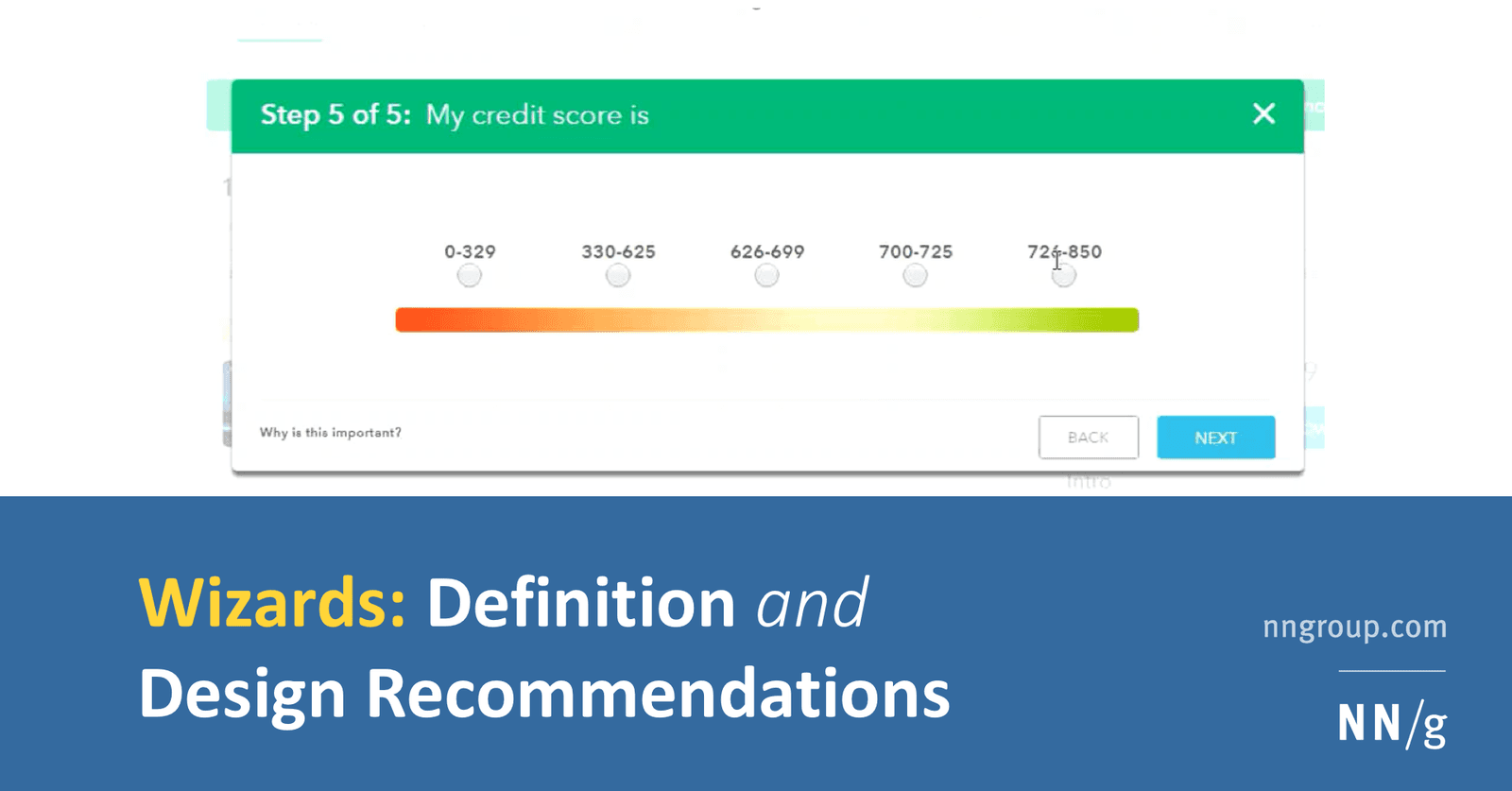
How do you design a low-cognitive-load wizard and implement it technically?
Pairing progressive disclosure with solid architecture. A strong answer hits step validation, URL-synced navigation, and isolated step components.

What metrics measure design system success and adoption?
Tests if you connect design system health to delivery speed and consistency. Strong answers hit adoption rate, component usage, design-to-code parity, and accessibility compliance tied to team behavior.

How to merge analytics and CRM data to auto-segment users by persona
This tests multi-source data unification and identity resolution. A strong answer covers ID stitching, a unified profile, deterministic or ML segmentation, and data quality.
Design backend logic for personalized hero by industry
Tests multi-signal segmentation and graceful degradation. Strong answers list explicit profile data, IP or domain enrichment, behavioral inference, and a default fallback. Red flag: proposing heavy ML for a binary rule or skipping fallback entirely.
Anonymization vs pseudonymization and key handling
Anonymization is irreversible and exits GDPR scope; pseudonymization is reversible via a separated key; secure that key in a KMS with strict access.

How would you establish a modular typographic scale for a design system?
This tests systems thinking and contextual ratio choice. A strong answer picks a ratio by contrast—high for marketing, low for dashboards—rounds values, adds sizes for dense UIs, adjusts base size across breakpoints.
Build a competitor sitemap scraper for H1 and word count
Tests architecture of a polite, resilient scraper with clear legal guardrails. Strong answers cover throttled async fetches, robots.txt checks, HTML parsing, and copyright review. Red flag: ignoring rate limits, retry logic, or legal risk entirely.

How do you fulfill a GDPR erasure request across data stores?
This tests cross-system deletion under GDPR's 30-day SLA. A strong answer maps PII lineage across S3, databases, and analytics; uses soft deletes for backups; and handles dashboards via reprocessing.
Assess WCAG AA contrast for light grey text on off-white
Tests your fluency in WCAG relative luminance and design collaboration. A strong answer extracts sRGB values, computes contrast ratio, checks 4.5:1 or 3:1 by text size, and suggests a darker tint preserving hue.
We are hiring for this. Every open role lists the topics its interview covers, so you can prepare for the real thing rather than guessing.
See open roles