Interview questions in Design & UX, page 14
Quantifying migration cost for a major release
Pre-release, scan codebases for affected usages and estimate engineer-hours; post-release, track actual upgrade lead time and effort.
What metrics and models link onboarding to long-term retention?
Track activation-to-D90 metrics; use Cox/AFT or diff-in-diff; control censoring.

How would you automatically audit WCAG AA contrast in Figma?
This tests Figma plugin vs REST API color extraction limits. Good answers contrast live traversal with export-based analysis, cite WCAG AA ratios of 4.5:1 and 3:1, and note opacity. A red flag is assuming the REST API can sample pixels without image export.
How do you attribute a delayed direct conversion to original ad copy?
Persist copy IDs in first-party cookies at landing, read at conversion to fire server-side events in a 90-day window.
First technical questions to scope a journey-map pain point
Ask how widespread and severe it is, where in the system it originates, and what constraints bound a fix.
Constructing a design system ROI formula
ROI equals (benefits minus cost) over cost; benefits from time saved, defect reduction, and faster onboarding; gather data via analytics and tickets.
Automatically moderate user-generated ad copy
A layered pipeline of fast keyword/regex filters plus an ML text classifier, with human review for borderline cases.

What's the functional difference between wireframes, mockups, and prototypes? Describe a scenario.
This tests whether you distinguish structure, visuals, and interactivity. A strong answer defines each by fidelity and function, then names a lifecycle stage like using wireframes in discovery to align scope before visual design.
Isolating the design system's velocity impact
Use comparison groups, difference-in-differences or before-after baselines, and control for confounders; cite mechanism data like component reuse.
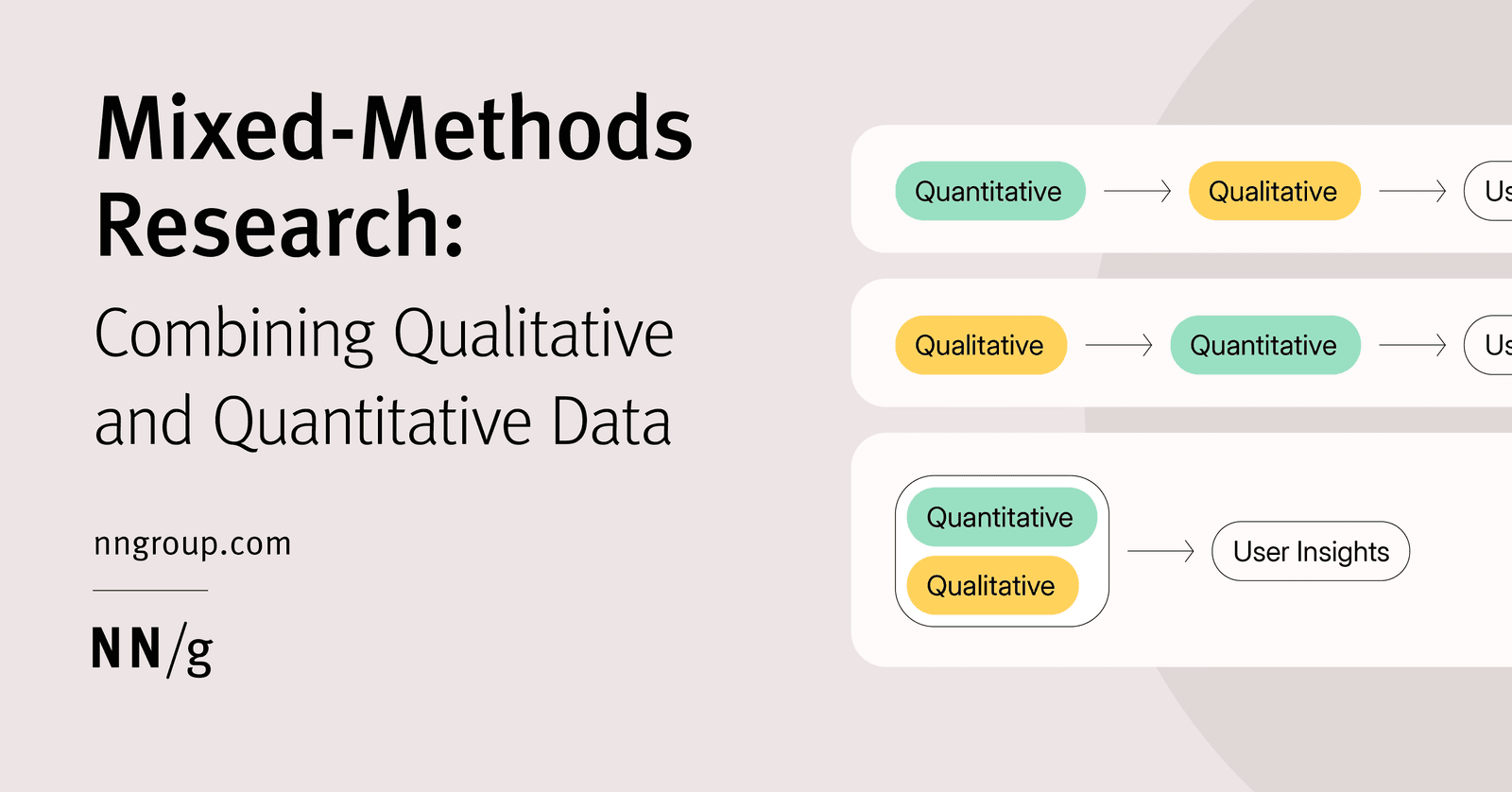
How do you reconcile conflicting qualitative stories with quantitative data?
Integrating mixed-methods without picking sides. A strong answer triangulates definitions, scope, and timing; uses qualitative context to explain outliers; and treats conflict as a signal to dig deeper.

How do you process usability feedback into concrete Figma iterations?
Turning usability findings into traceable Figma iterations. A strong answer triages by severity and frequency, maps issues to annotated frames, and versions options in branches.

How would you implement a multi-armed bandit for real-time ad optimization?
Use Thompson Sampling or UCB1; split low-latency inference from async updates; track regret.
Quantifying the cost of a missing component
Scan repos for duplicate hand-rolled tables, count implementations and lines, estimate redundant build and maintenance hours plus defect rates.
How do you use research to build a case for architectural investment?
Quantify churn, tie UX debt to revenue, propose phased rollout, anchor to strategy.
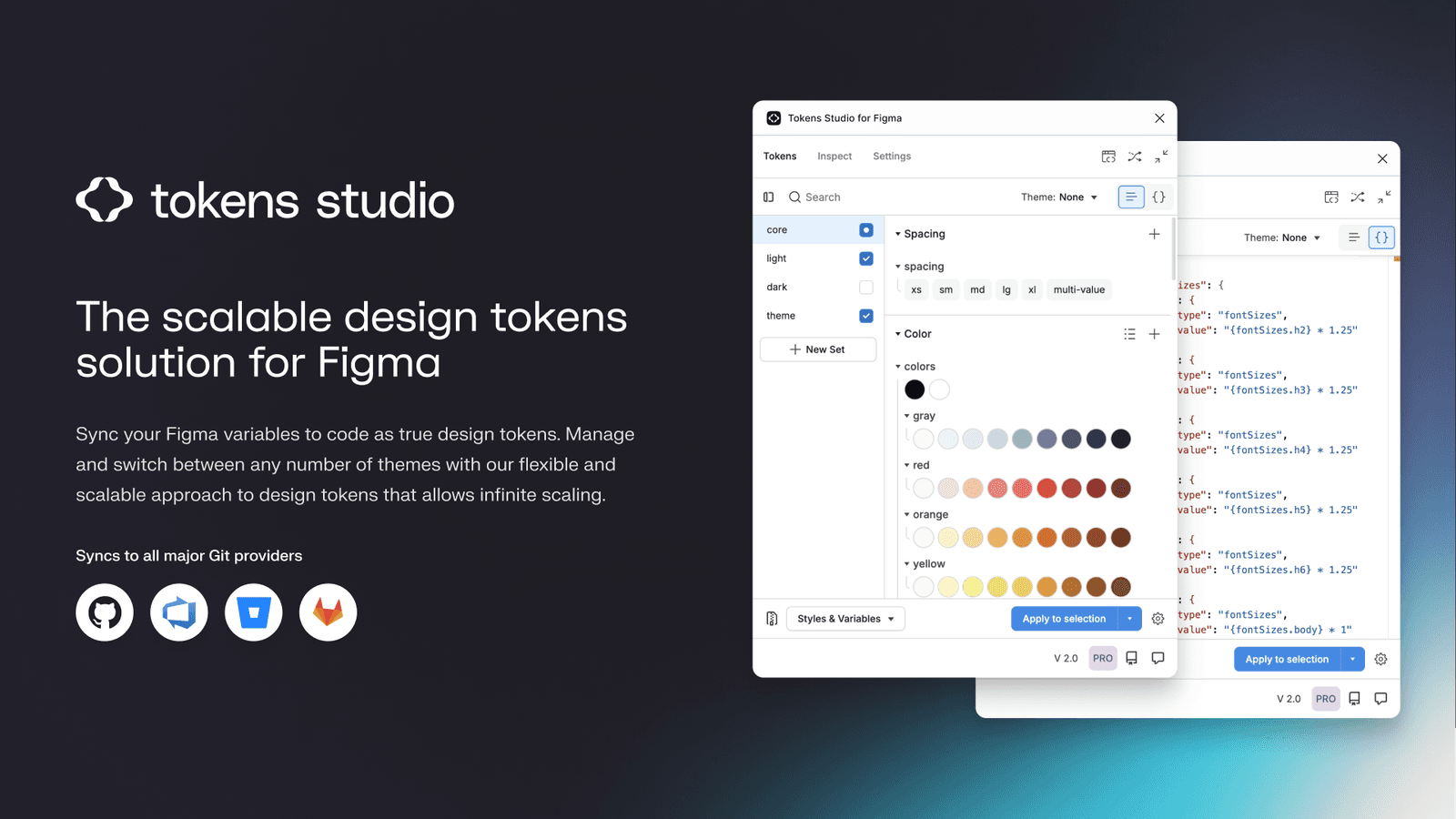
How would you establish design tokens in Figma and sync with production?
Tests design-to-code architecture. A strong answer outlines primitive-to-semantic tokens in Tokens Studio, W3C DTCG JSON synced to Git, and Style Dictionary transforms in CI/CD. Red flag: manual exports or treating Figma styles as the source of truth.
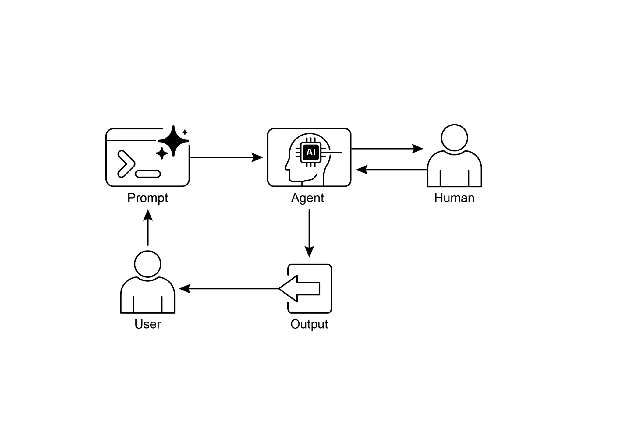
Design an LLM ad copy system with human-in-the-loop
LoRA on approved copy, inference guardrails, human review, feedback as preference pairs for RLHF.
SVG icons versus icon fonts: technical trade-offs
SVG is vector markup, crisp, multicolor, accessible, and tree-shakeable; icon fonts ship as glyphs, risk anti-aliasing blur, accessibility hacks, and load-failure boxes. Advocate SVG for modern apps.
SemVer bump for a non-breaking bug fix
A backward-compatible bug fix is a PATCH, the third number; major is breaking, minor is new compatible features.
Design a database schema for a research participant panel
Your ability to normalize relational data without over-engineering. Propose a participants table for contact and demographics; a participation_history table with foreign keys; and a consent_log table.
How would you model cross-platform ad campaign data and adaptation logic?
Propose a canonical model, platform adapters mapping copy to each schema, and an async pipeline with validation.
We are hiring for this. Every open role lists the topics its interview covers, so you can prepare for the real thing rather than guessing.
See open roles