Interview questions in Design & UX, page 2
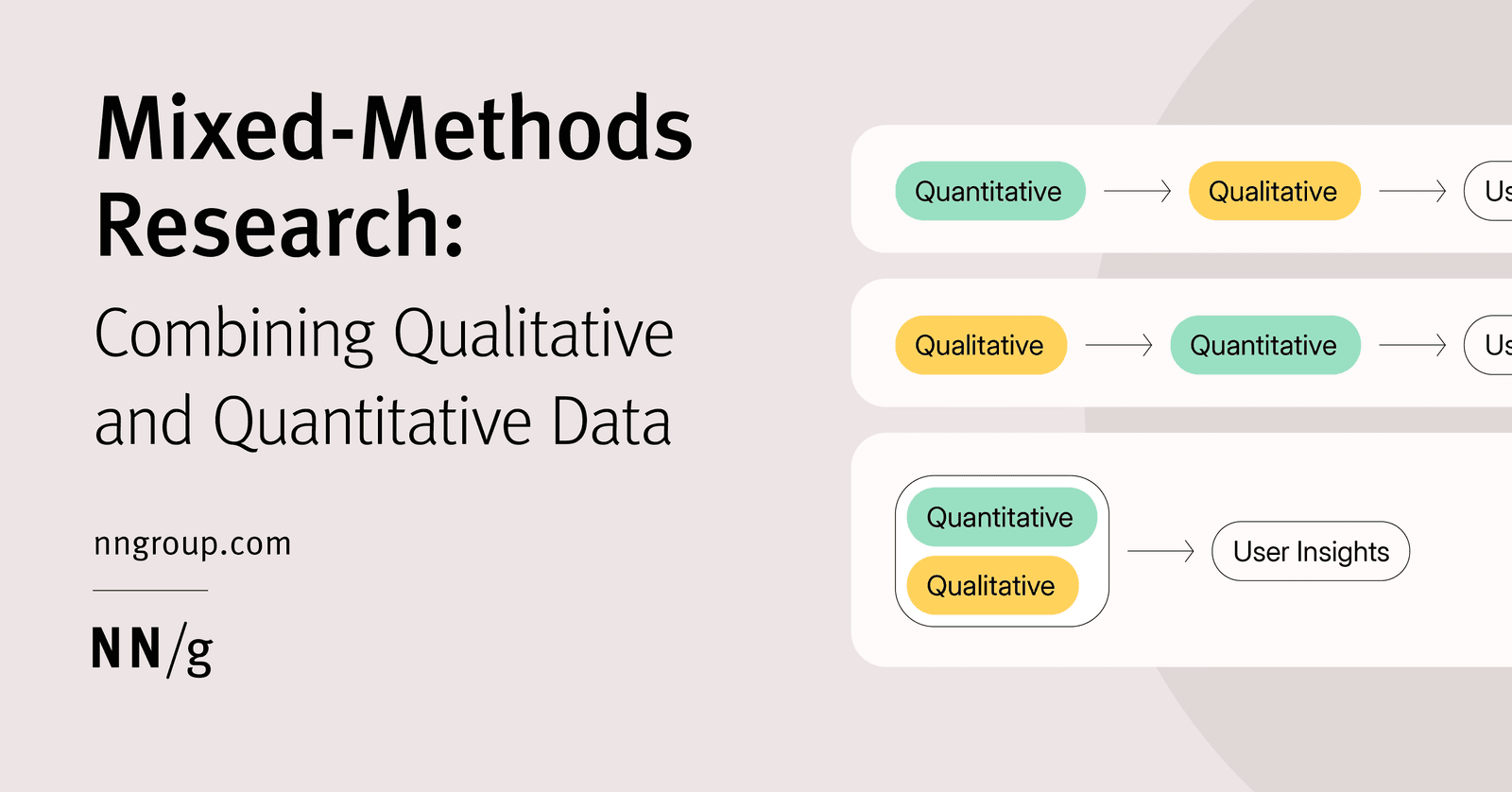
How would you instrument a feature to validate qualitative findings quantitatively?
Mapping themes to events, picking guardrail and success metrics, and sampling.
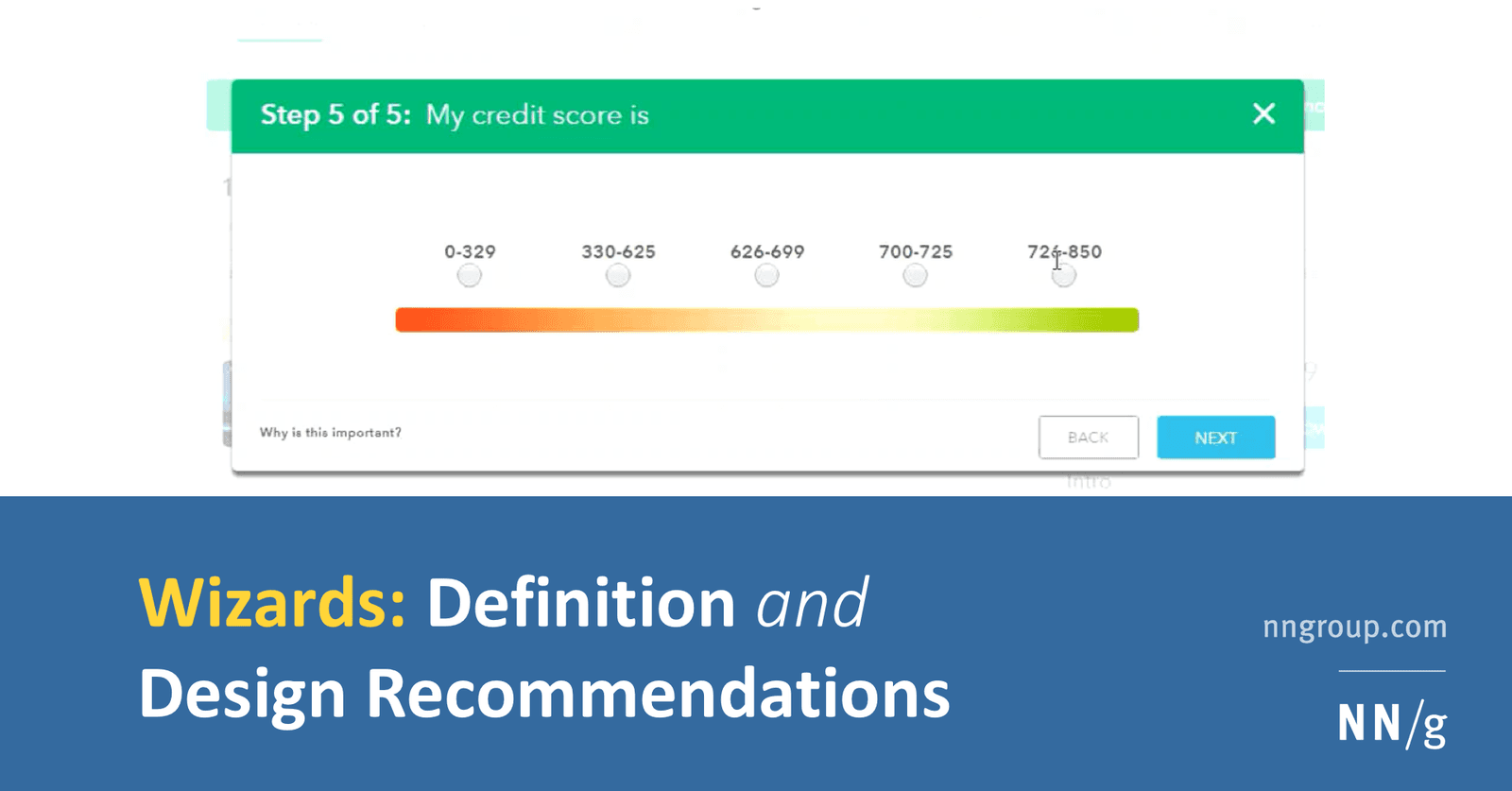
How do you design a low-cognitive-load wizard and implement it technically?
Pairing progressive disclosure with solid architecture. A strong answer hits step validation, URL-synced navigation, and isolated step components.

What metrics measure design system success and adoption?
Tests if you connect design system health to delivery speed and consistency. Strong answers hit adoption rate, component usage, design-to-code parity, and accessibility compliance tied to team behavior.

How would you A/B test sign-up button copy and measure results?
This tests basic experimental design. A strong answer covers: random assignment, serving variant copy, tracking impressions and conversions, and measuring lift. A red flag is sequential testing or vanity metrics like clicks without sign-ups.
What is PII and how to keep it out of logs
Define PII, redact or mask at the logging boundary, and avoid logging sensitive fields at the source.
How do you model and articulate long-term design debt cost to stakeholders?
Estimate refactor hours and support tickets; show fixes cost 3-5x more later; map inconsistency to trust erosion.

What governance model would you propose for a centralized design system?
Tests balancing standardization with autonomy across legacy silos. A strong answer proposes a hybrid model with a core team and contribution rules, weighing consistency against migration cost.

How would you track clicks on headlines and calls-to-action?
This tests DOM event handling and basic telemetry design. A strong answer covers event delegation with addEventListener, data attributes for element IDs, and a payload with timestamp and page context.

Implement verifiable informed consent before a remote usability test
This tests whether you treat GDPR consent as an architectural gate. Strong answers cover CMP-powered pre-session disclosure, gating the test on active consent, server-side recording for auditability, and first-party data alignment.
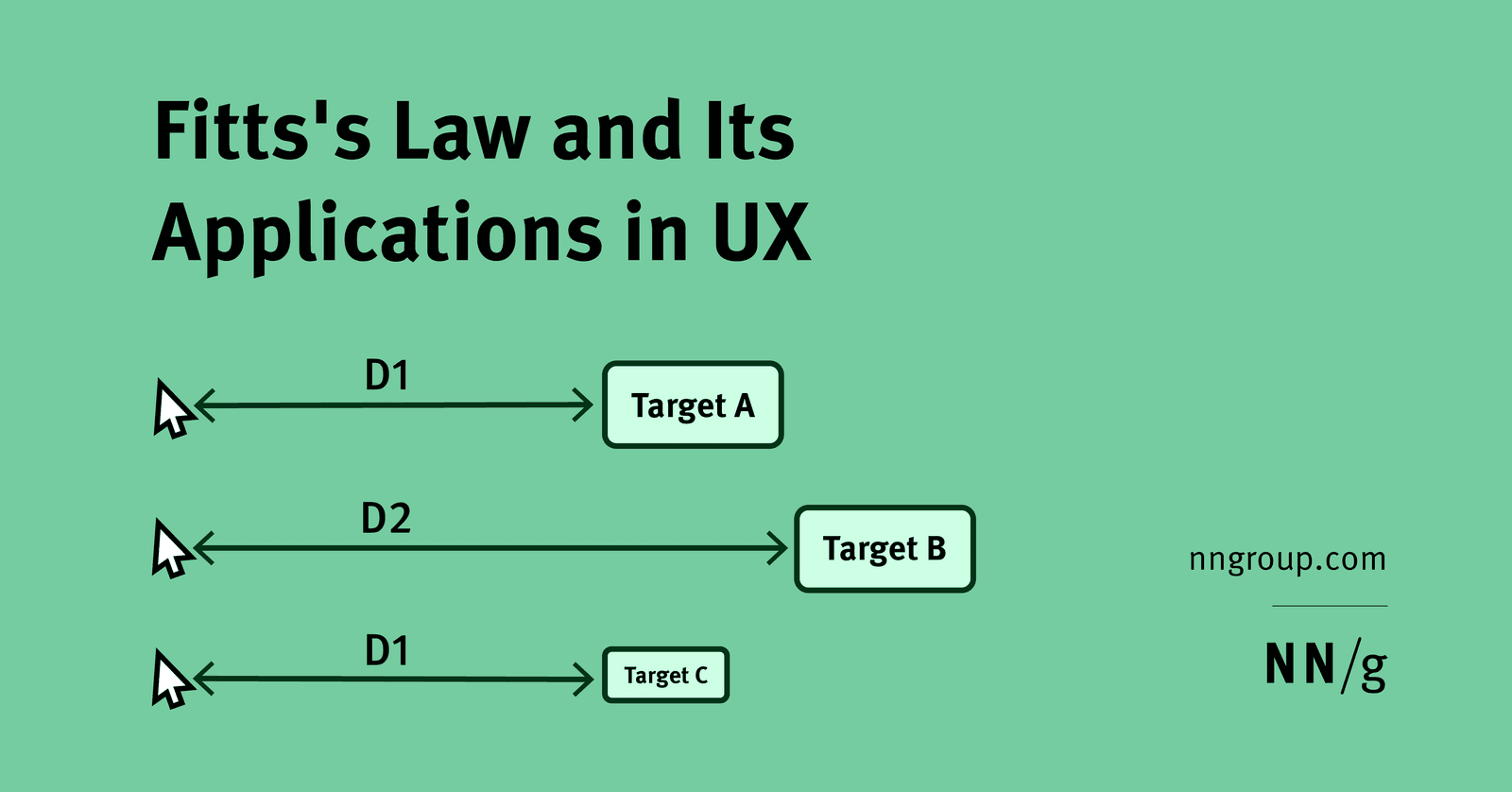
Use Fitts's Law to size and place primary vs secondary mobile actions
Large primary actions in easy thumb zones; secondary actions farther but keep minimum targets.

How do you handle a product team requesting a custom Button?
This tests governance discipline. A strong answer asks context questions to separate misuse from a real gap, uses a decision tree for actions and CTAs, and extends the system with a documented variant. A red flag is instantly greenlighting a custom fork.

How to merge analytics and CRM data to auto-segment users by persona
This tests multi-source data unification and identity resolution. A strong answer covers ID stitching, a unified profile, deterministic or ML segmentation, and data quality.
Explain data minimization and how to apply it to a survey schema
Tests translating GDPR adequacy into schema design. Strong answers: define survey purpose first, map each column to a specific need, exclude PII unless essential, and plan periodic review.

Line-height vs letter-spacing: impact on readability and values for body vs headings
This tests whether you distinguish vertical rhythm from horizontal glyph spacing. A strong answer sets body line-height to at least 1.5x per WCAG with minimal tracking, while headings use tighter line-height and tighter tracking. Red flag: identical values.
.avif&w=1600&q=75)
How does a mature design system change cross-functional collaboration?
Tests whether you view maturity as a collaborative operating framework, not just components. Strong answers hit shared definitions of done, living documentation, code/design parity, and trust-based adoption. Red flag: calling it a docs or enforcement problem.
Design backend logic for personalized hero by industry
Tests multi-signal segmentation and graceful degradation. Strong answers list explicit profile data, IP or domain enrichment, behavioral inference, and a default fallback. Red flag: proposing heavy ML for a binary rule or skipping fallback entirely.
Anonymization vs pseudonymization and key handling
Anonymization is irreversible and exits GDPR scope; pseudonymization is reversible via a separated key; secure that key in a KMS with strict access.

How would you establish a modular typographic scale for a design system?
This tests systems thinking and contextual ratio choice. A strong answer picks a ratio by contrast—high for marketing, low for dashboards—rounds values, adds sizes for dense UIs, adjusts base size across breakpoints.
What is a design token versus a CSS or Sass variable?
Whether you understand abstraction layers in design systems and cross-platform interoperability. Define tokens as vendor-neutral design decisions that generate platform-specific code; contrast with CSS variables (runtime, web-only) and Sass (compile-time…
Build a competitor sitemap scraper for H1 and word count
Tests architecture of a polite, resilient scraper with clear legal guardrails. Strong answers cover throttled async fetches, robots.txt checks, HTML parsing, and copyright review. Red flag: ignoring rate limits, retry logic, or legal risk entirely.
We are hiring for this. Every open role lists the topics its interview covers, so you can prepare for the real thing rather than guessing.
See open roles