More in Design & UX — page 21

Which Figma plugin populates tables with realistic user data?
Tests Figma content automation. Name a plugin like Content Reel, select layers to apply text strings and image collections for names, emails, and avatars at once, and cite grouped content to keep rows aligned. Red flag: manual entry or mismatched placeholders.
How would you implement a light and dark mode theme switcher?
Tests scalable theming via Figma variable modes, not manual duplication. Create a color collection with Light and Dark modes, bind variables to component fills, then switch modes to toggle themes.

Difference between duplicating a page and branching in Figma
This tests version control hygiene in design files. A strong answer contrasts file-bloating duplication with isolated, reviewable branches, and names branching as superior for active projects where main must stay stable and changes need review before merge.
Difference between detaching and pushing overrides to main?
Tests component governance: detaching severs the link for local one-offs, while pushing overrides sends instance changes back to the main component globally. Strong answers contrast local versus library-wide scope and name specific scenarios.
How would you structure Figma files for a new design system?
Tests Figma memory limits and library publishing. Strong answers split files by type—tokens, icons, components—and publish each as shared libraries to limit memory and enable parallel ownership.
How would you use variants, booleans, and instance swap for a Button?
This tests fluency in Figma component properties for scalable design systems. Map variant properties to states, booleans to toggle the icon layer, and instance swap to change the icon type. Never suggest detached overrides or separate components per state.
How would you create a dismissible modal dialog over the current screen?
This tests modal architecture beyond visuals. A strong answer covers: dimming the inert background, trapping focus, returning focus on close, and supporting Escape plus a visible close button.
What is component nesting? Build a profile header from nested components.
Tests atomic design and system scalability. Answer: define nesting as instances inside a parent; describe a profile header using Avatar, Text, and Button instances; note base edits propagate globally. Red flag: one-off layers instead of reusable instances.
How do you let designers swap a component's icon without detaching?
Tests Figma component properties. Answer: apply an instance swap property to the nested icon, set preferred instances from your icon library, and keep it as a component instance. Red flag: suggesting boolean properties or detaching.

How would you structure a complex reusable Figma table with Auto Layout?
Tests nested Auto Layout and component properties for scalable Figma tables. Build atomic hug/fill cells in horizontal row Auto Layout, then stack rows vertically. Expose cell-type swaps via component properties. Red flag: manual resizing or variant bloat.
Main components vs instances: how to use Component Properties for multi-state Buttons?
This tests Figma component architecture. A main component is the source; an instance is a linked copy. Use variant properties for state and style, plus booleans for optional layers. Red flags: separate components per state or ignoring property controls.
Create a crescent moon in Figma using Boolean operations
Tests Figma vector workflow and layer hierarchy. A strong answer picks Subtract selection, places the cutter shape above the base, and notes the bottom layer sets fill and stroke. Confusing Subtract with Exclude or ignoring layer order is a red flag.

Figma Constraints vs Auto Layout: when are Constraints preferable?
This tests resizing logic in Figma. A strong answer states Auto Layout resizes frames to fit content, while Constraints make objects respond to parent frames. It then cites responsive containers, say fluid inputs.
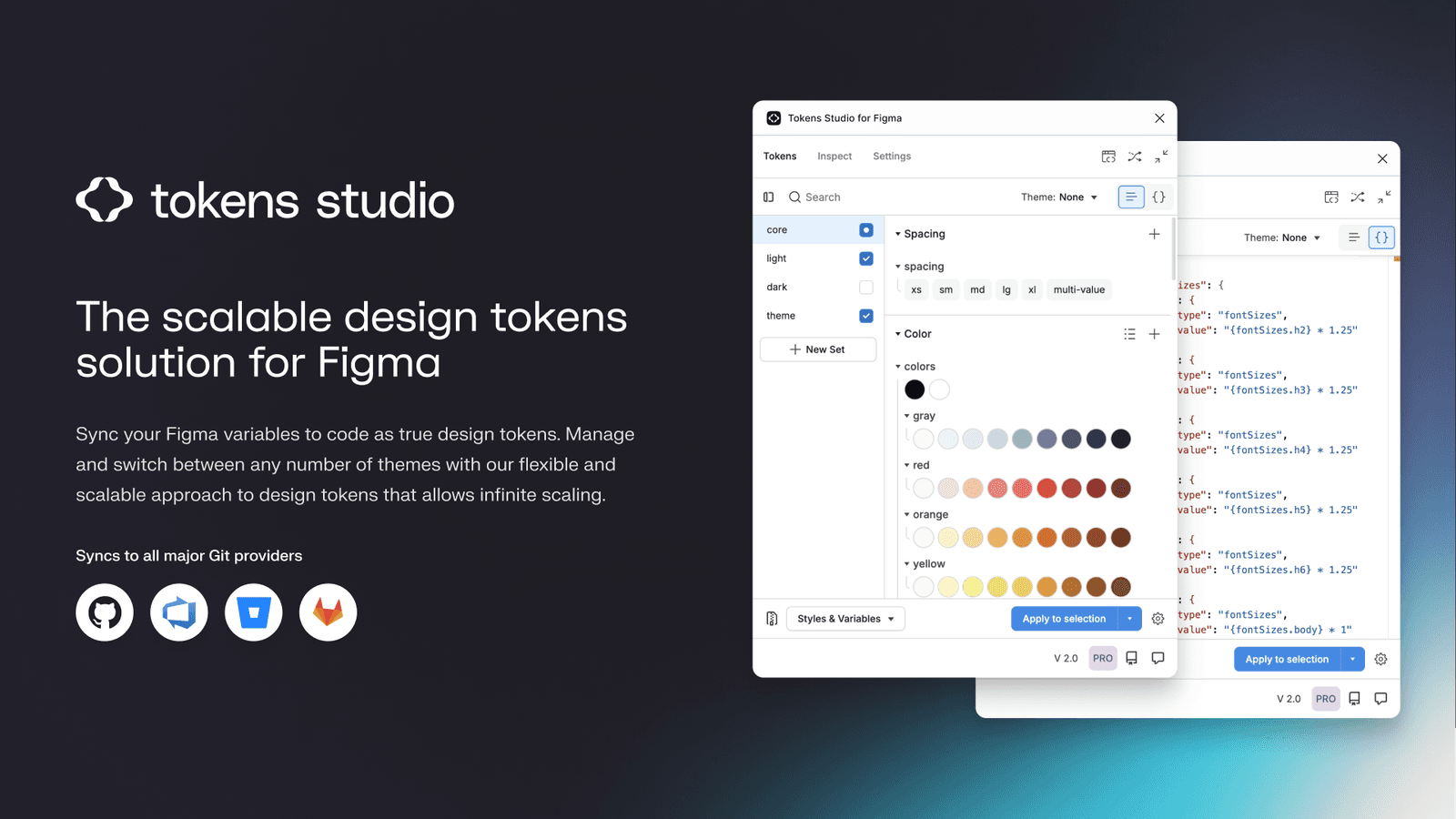
How would you establish design tokens in Figma and sync with production?
Tests design-to-code architecture. A strong answer outlines primitive-to-semantic tokens in Tokens Studio, W3C DTCG JSON synced to Git, and Style Dictionary transforms in CI/CD. Red flag: manual exports or treating Figma styles as the source of truth.

How do you process usability feedback into concrete Figma iterations?
WHAT IT TESTS: Turning usability findings into traceable Figma iterations. A strong answer triages by severity and frequency, maps issues to annotated frames, and versions options in branches. RED FLAG: Redrawing screens immediately without triage.

What's the functional difference between wireframes, mockups, and prototypes? Describe a scenario.
This tests whether you distinguish structure, visuals, and interactivity. A strong answer defines each by fidelity and function, then names a lifecycle stage like using wireframes in discovery to align scope before visual design.

How would you automatically audit WCAG AA contrast in Figma?
This tests Figma plugin vs REST API color extraction limits. Good answers contrast live traversal with export-based analysis, cite WCAG AA ratios of 4.5:1 and 3:1, and note opacity. A red flag is assuming the REST API can sample pixels without image export.
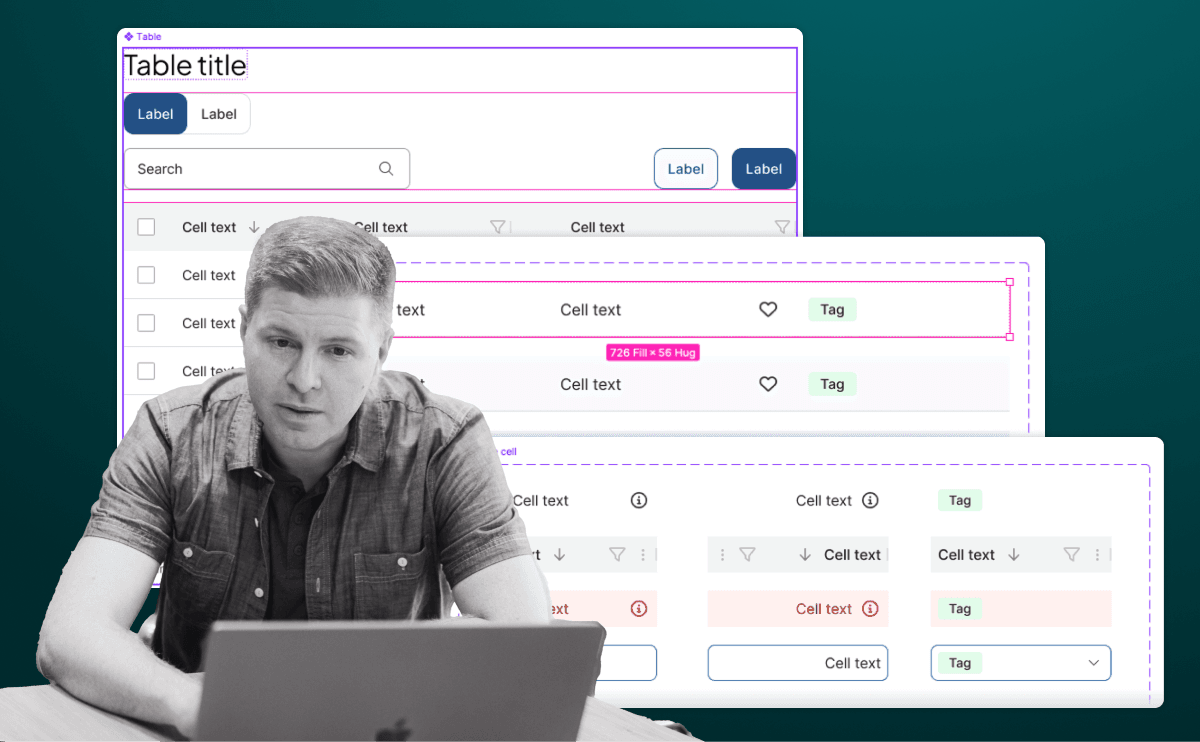
Design a flexible Table component in Figma with slots
Tests Figma Slots to avoid variant bloat. Answer: Cell variants; Row as a horizontal Slot with zero padding for dividers/hover; Table as a vertical Slot for rows plus a header Slot; componentize the configured row for bulk edits.

Describe a workflow to sync Figma tokens to front-end code
Tests if you see tokens as version-controlled code. Strong answer: Tokens Studio pushes W3C DTCG JSON to Git; CI runs Style Dictionary to emit CSS or JS. Red flag: saying the artifact is a Figma file or manual spec sheet.
How do you change a nested Button's state from a Card instance?
Tests knowledge of nested component properties in Figma. A strong answer adds a variant property to the nested Button inside the Card main component so its state appears in the Card instance panel.