Concepts in DevOps & Cloud, page 10
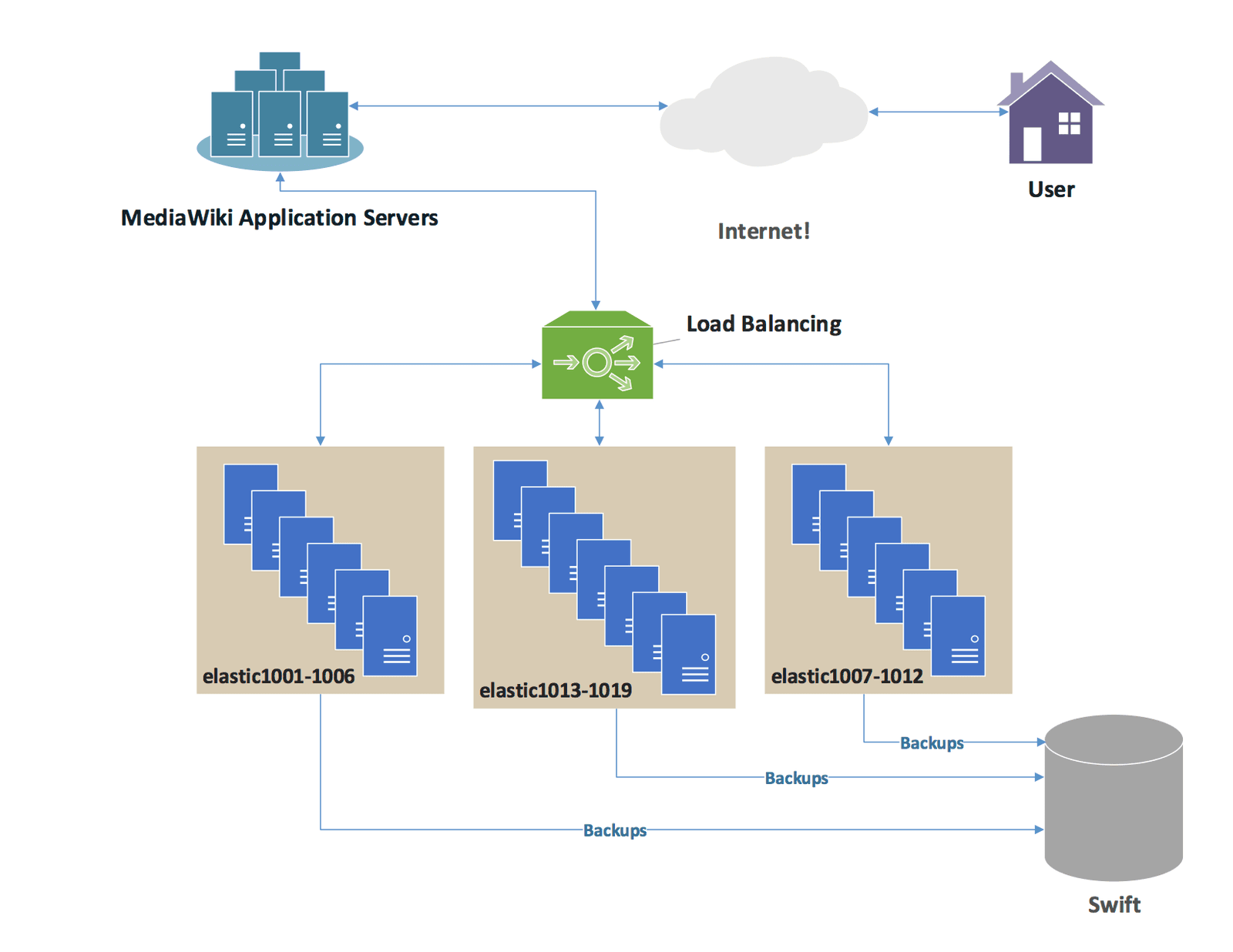
Global Server Load Balancing (GSLB): DNS for High Availability
Global Server Load Balancing (GSLB) uses DNS to route users to the best data center, not just the best server. It considers geography, health, and load to provide disaster recovery and lower latency.
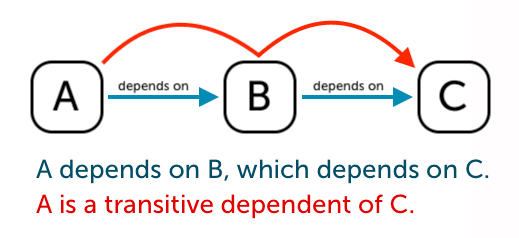
Transitive Dependencies: The Hidden Baggage in Your Code
Think of transitive dependencies as your dependency's dependencies. You add one library, but it pulls in others you didn't explicitly ask for. This happens in any project using a package manager.

On-Call Management Platforms: Who Wakes Up?
An on-call platform is a smart switchboard for production alerts, ensuring the right engineer gets paged when things break. It connects monitoring tools to on-call schedules and escalation rules.
Kubernetes Controllers: The Reconciliation Loop
A Kubernetes controller acts like a thermostat for your cluster, constantly working to make the actual state match your desired state. It's the engine behind Deployments and ReplicaSets, ensuring the right number of pods are always running.
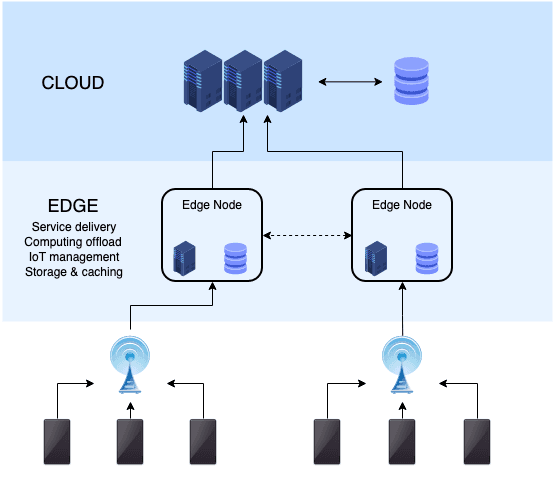
CDN Edge Computing: Code at the Cache
CDN Edge Computing runs your code at the network edge, not just caches files. It's for low-latency tasks like A/B testing or auth checks. The footgun is treating it like a full backend; it's stateless and resource-constrained.
Maven Coordinates (GAV): The Address of Your Code
Maven Coordinates (GAV) are like a postal address for a software library. You use them in a pom.xml to declare your project's identity and specify its dependencies.
IAM: The Gatekeeper Framework
IAM is the framework that decides who gets through the door and what they can touch inside your systems. It governs every employee transition, from onboarding to departure. The trap is treating IAM as a one-time setup rather than an ongoing lifecycle process.
kube-scheduler: The Cluster's Matchmaker
The kube-scheduler is your cluster's matchmaker, assigning new Pods to the best possible Node based on their needs. This is the default workload placement engine. The footgun is thinking it runs Pods; it only *assigns* them to a Node.
Package Lock Files: Ensuring Reproducible Builds
A package lock file is a snapshot of your dependency tree, ensuring everyone on your team and your CI server installs the exact same package versions. It's crucial for preventing "works on my machine" bugs.
Mean Time to Acknowledge (MTTA): Your First Response Clock
MTTA measures the time from an alert firing to a human acknowledging it. It's about reaction speed, not fix time. On-call teams use this to ensure issues are seen quickly, minimizing downtime.
kube-controller-manager: The Cluster's Reconciliation Engine
The kube-controller-manager is Kubernetes' reconciliation engine, running multiple control loops to make the cluster's actual state match your desired state. It handles tasks like ensuring a Deployment has the correct pod count.

RBAC: Manage Permissions with Roles, Not Users
RBAC manages permissions by assigning users to roles (e.g., "editor"), not by giving permissions directly. This simplifies security in large systems like AWS IAM. The footgun is creating overly broad roles that grant excessive, unintended access.
Maven SNAPSHOTs: Versions for Active Development
A SNAPSHOT version tells Maven 'this is a work-in-progress,' allowing newer builds to replace it without a version bump. Use it in CI for active development so dependent projects get the latest changes.
Mean Time To Repair (MTTR): Measuring Your Fix Velocity
MTTR measures how quickly your team can fix a problem once active work begins. It's the 'wrench time' of incident response, not total outage duration. SREs track it to gauge runbook and diagnostic effectiveness.
ReplicaSet: Kubernetes' Pod Thermostat
A ReplicaSet is Kubernetes' thermostat for pods, ensuring a specific number of replicas are always running. It replaces crashed pods or removes excess ones to maintain a stable state.
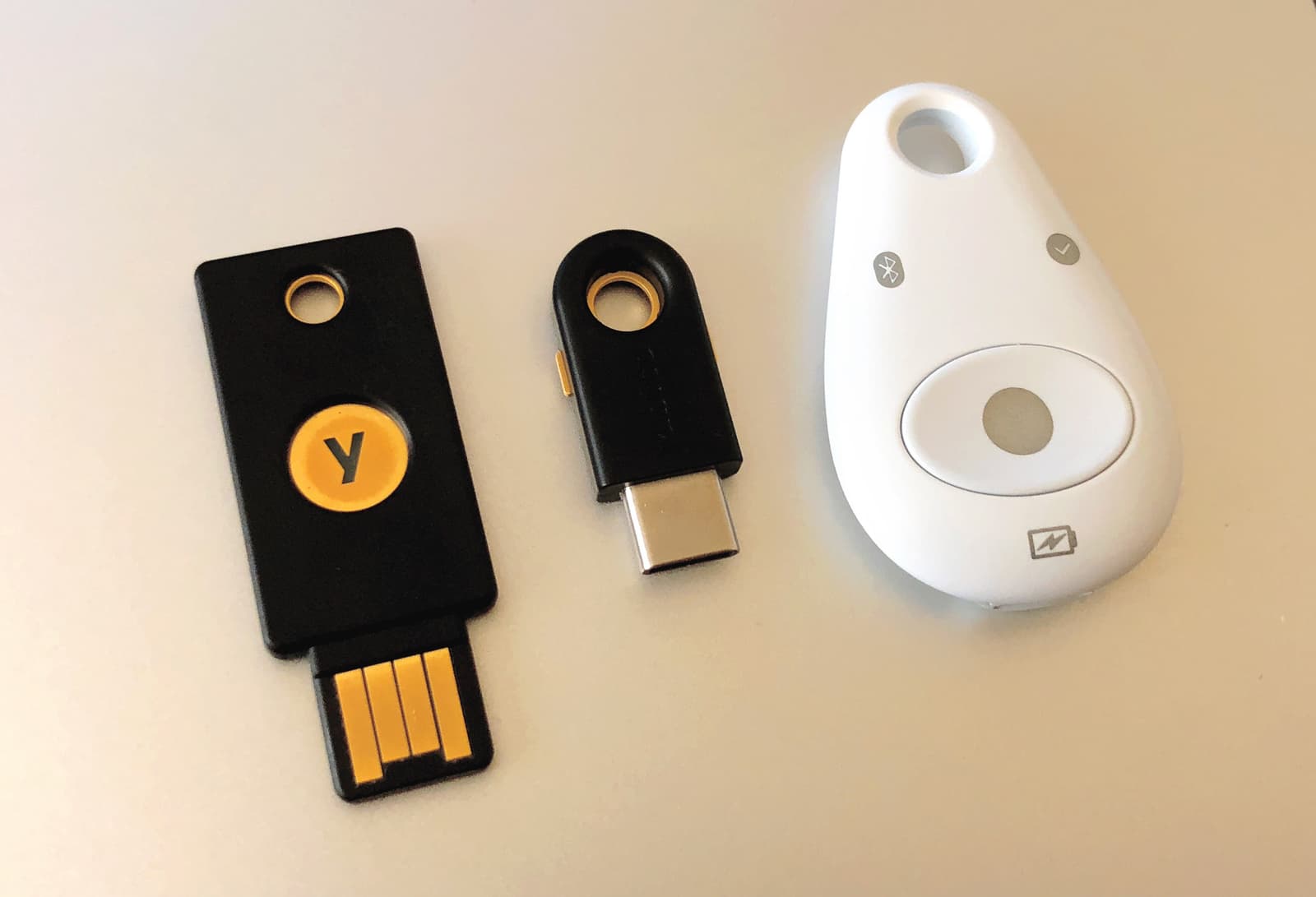
Multi-Factor Authentication (MFA): Defense in Depth for Logins
MFA adds a second layer of security on top of your password, like needing a key and a secret handshake. It's crucial for protecting sensitive accounts like email and banking from attackers who have stolen your password.

Software Bill of Materials (SBOM): An Ingredient List for Your Code
An SBOM is a nutrition label for your code, listing every library and dependency. It's crucial for security audits and managing supply chain risk, letting you instantly find systems affected by a new vulnerability.
The Incident Commander: Direct the Response, Don't Debug
The Incident Commander (IC) is a conductor, not a soloist. During an outage, they coordinate the response, delegate tasks, and manage communication, not fix the bug themselves. This prevents chaos from uncoordinated heroics.
Kubernetes Requests and Limits: Your Pod's Resource Contract
Kubernetes Requests and Limits are your pod's resource contract: requests guarantee a minimum for scheduling, while limits enforce a maximum at runtime. This prevents one greedy app from crashing others.
Encryption in Transit: Protecting Data on the Move
Encryption in transit acts like a locked box for data moving across a network. It secures everything from website connections (HTTPS) to data moving between services inside a cloud network.
We are hiring for this. Every open role lists the topics its interview covers, so you can prepare for the real thing rather than guessing.
See open roles