Concepts in DevOps & Cloud, page 5
Git Cherry-Pick: Copy a Commit to Another Branch
Think of git cherry-pick as copying a single commit's changes from one branch and reapplying them as a new commit on another. It's for backporting a bug fix without merging an entire feature branch.
SLO Burn Rate: Alerting on Budget Consumption
SLO burn rate measures how fast you're using your error budget. A burn rate of 2 means you're consuming budget twice as fast as allowed. It's used to trigger alerts for both fast outages and slow-burning problems to prevent SLO breaches.
Docker Compose: Orchestrate Multi-Container Apps Locally
docker compose is a conductor for multi-container apps, using a single YAML file to define and run all the parts of your stack together. It's ideal for local development to spin up a database and API with one command.

AWS Placement Groups: Control Where Your Instances Run
AWS Placement Groups let you control where EC2 instances run relative to each other. Use a Cluster group for low-latency HPC, or Spread/Partition groups to reduce correlated hardware failures. The main footgun is picking the wrong strategy for your workload.
Monorepo vs. Polyrepo: One Repository or Many?
A monorepo is one repository for all projects, like a city; a polyrepo is one per project, like separate towns. Monorepos simplify code sharing and atomic refactors but require complex tooling. Polyrepos offer autonomy but can create dependency hell.
Error Budget Burndown: Your Service's Reliability Fuel Gauge
An error budget burndown chart is a fuel gauge for your service's reliability. It shows how much 'allowable downtime' you've used, helping you decide when to ship features versus fix bugs. The footgun is ignoring a steep burn rate until it's too late.
Docker Compose Networking: How Services Talk to Each Other
Docker Compose puts your services on a private network, letting them communicate using service names as hostnames. This is how a 'web' container finds your 'db' container. The footgun is using localhost; always use the service name for inter-container calls.
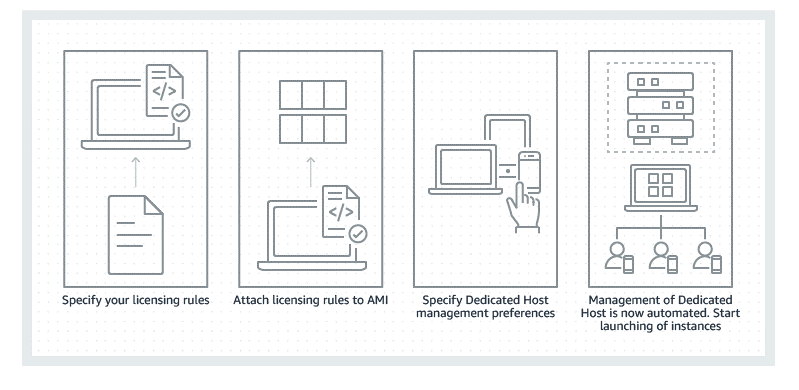
AWS Dedicated Hosts: Your Own Physical Server in the Cloud
An AWS Dedicated Host is your own physical server in the cloud, providing single-tenant hardware. Use it for "bring your own license" (BYOL) software tied to physical cores, or for compliance rules that forbid multi-tenancy.
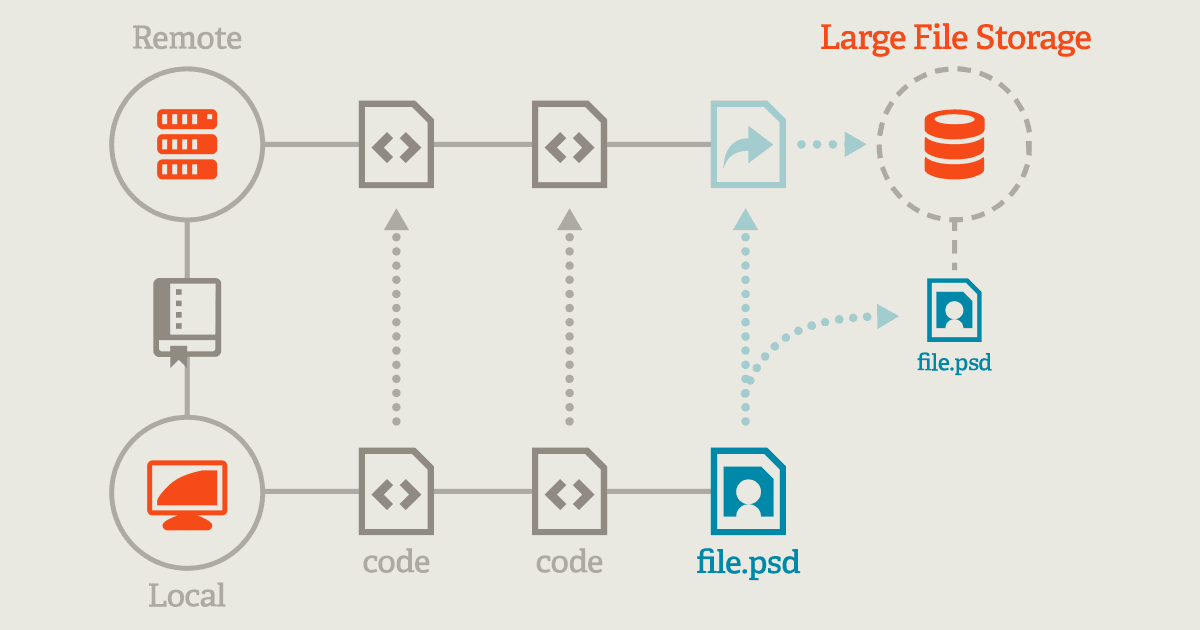
Git LFS: Versioning Large Files Without Bloating Your Repo
Git LFS replaces large files with text pointers in your repo, storing the actual data on a remote server. This keeps clones fast when versioning videos, datasets, or graphics. Footgun: git lfs track only affects new files, not existing ones.
Object Storage: Data Without a File Hierarchy
Object storage is like a valet system for data. You get a unique ID for a self-contained 'blob' of data and metadata, instead of navigating a file path. It's the backbone of cloud storage (like S3) for images and backups. The footgun: objects are immutable.

Build Artifact: The Packaged Output of a CI Run
A build artifact is the packaged result of a CI run, like a compiled binary or a zipped web app. Pipelines use artifacts to pass this output between stages, from building to testing and deploying.
Environment Variables in Docker Compose
Environment variables are the runtime knobs for your Docker Compose services, letting you pass configuration like API keys or database URLs without rebuilding your image. Use them to connect services or set feature flags.
Block Storage: Your Virtual Hard Drive in the Cloud
Think of block storage as a raw hard drive in the cloud. It's the foundation for virtual machine disks (like AWS EBS) and databases that need direct control over their storage. The footgun is treating it like a web-accessible file share; it's a raw device.
Make: The Original Task Runner
Make automates tasks by following a recipe in a makefile. It intelligently runs only the necessary steps by checking dependencies, saving time during builds. While common for compiling code, it can run any shell command.
Docker Compose: Control Startup with `depends_on`
depends_on controls service startup order in Docker Compose, ensuring a database starts before your app. The footgun: it only waits for the container to start, not for the application inside to be ready. Use healthcheck for true readiness.
Cloud File Storage: A Shared Drive on the Internet
Think of cloud file storage as a shared network drive, but managed by a provider and accessible over the internet. It's for shared content, user home directories, and apps needing a traditional file system.
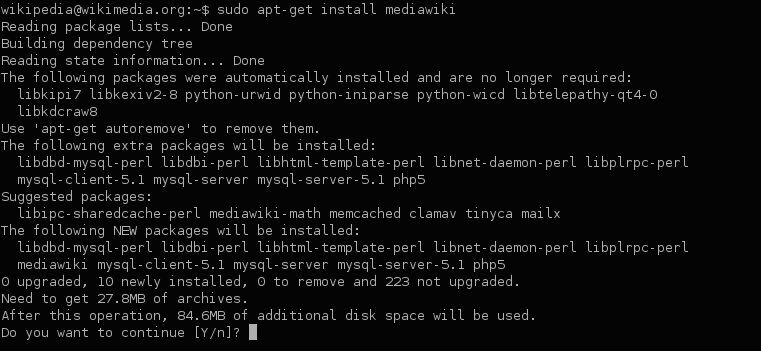
Build Dependency Management: Your Project's Recipe
Dependency management is your project's recipe, ensuring everyone uses the same library versions. It's used everywhere from web apps pulling React via npm to Java services using Maven.
OpenTelemetry API: The Stable Interface for Your Code
The OpenTelemetry API provides stable interfaces for your code to generate telemetry. This lets you instrument your application once, while the SDK implementation handles the actual data processing and export, which can be swapped out later.
Building Images with Docker Compose
Docker Compose builds images from a compose.yml file, turning a Dockerfile into a runnable service within a multi-container app. It's for local dev where you need a database and backend to start together. The footgun: up won't rebuild without --build.
Data Durability vs. Availability: Lost vs. Unreachable
Availability is "can I reach my data right now?" while durability is "will my data still exist tomorrow?". Cloud storage systems are designed for both, but they solve different problems: network outages vs. data corruption.
We are hiring for this. Every open role lists the topics its interview covers, so you can prepare for the real thing rather than guessing.
See open roles