Easy everything in DevOps & Cloud, page 12

AWS Cost Explorer: Visualize and Forecast Your Cloud Spend
Cost Explorer is your cloud bill's interactive dashboard, turning raw data into trend graphs and forecasts. Use it to find which service is driving up costs or to predict next quarter's bill. The main footgun: once enabled, it cannot be disabled.
Consolidated Billing: Combine Cloud Bills for Bigger Discounts
Consolidated Billing is like a family phone plan for AWS accounts. It rolls multiple accounts into one bill, letting you share volume and savings plan discounts across the entire organization.
Centralized Logging: A Universal Inbox for Your Systems
Centralized logging is a universal inbox for all your system events. Instead of SSHing into each server, agents forward logs to one searchable location, making it possible to debug issues that span multiple services. The footgun is inconsistent log formats.
Dead-Letter Queues: A Message Queue's Lost-and-Found
A Dead-Letter Queue (DLQ) is a message queue's lost-and-found, catching messages that can't be delivered. It's used to isolate "poison pill" messages that crash consumers or messages that have expired.
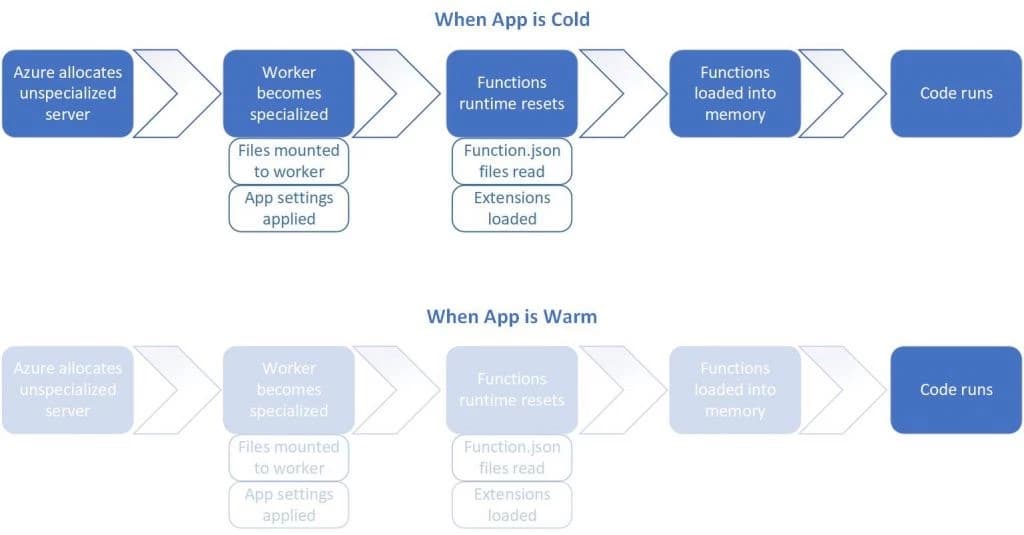
Serverless Cold Starts: The Price of 'Pay-per-Use'
A serverless cold start is the initial delay when a function boots from scratch, like waking a computer from being off versus asleep. It happens on the first request or after inactivity.

API Gateway: The Front Door for Your Microservices
An API Gateway is the single front door for all your backend services. It handles tasks like authentication and rate limiting before routing requests to the correct microservice. The footgun is treating it as a simple proxy; it can become a bottleneck.
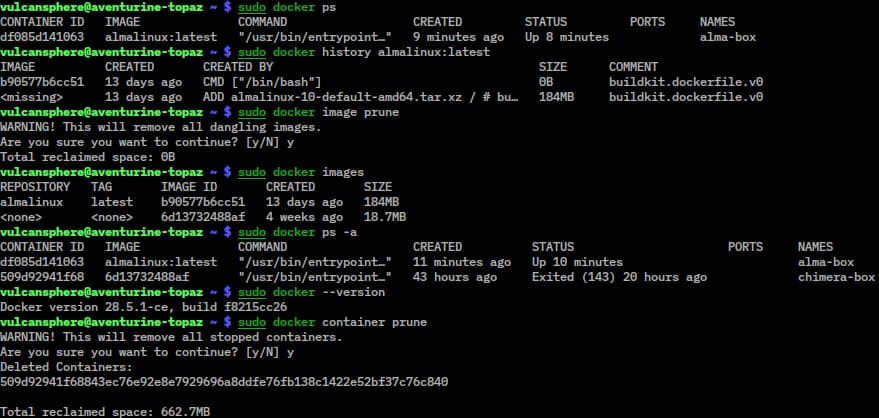
Docker Engine: Shipping Your Code in a Standard Box
Think of Docker as a standard shipping container for your code. It packages an app and all its dependencies into one unit that runs anywhere, solving the classic "it works on my machine" problem. The footgun is confusing it with a full VM; it's lighter.
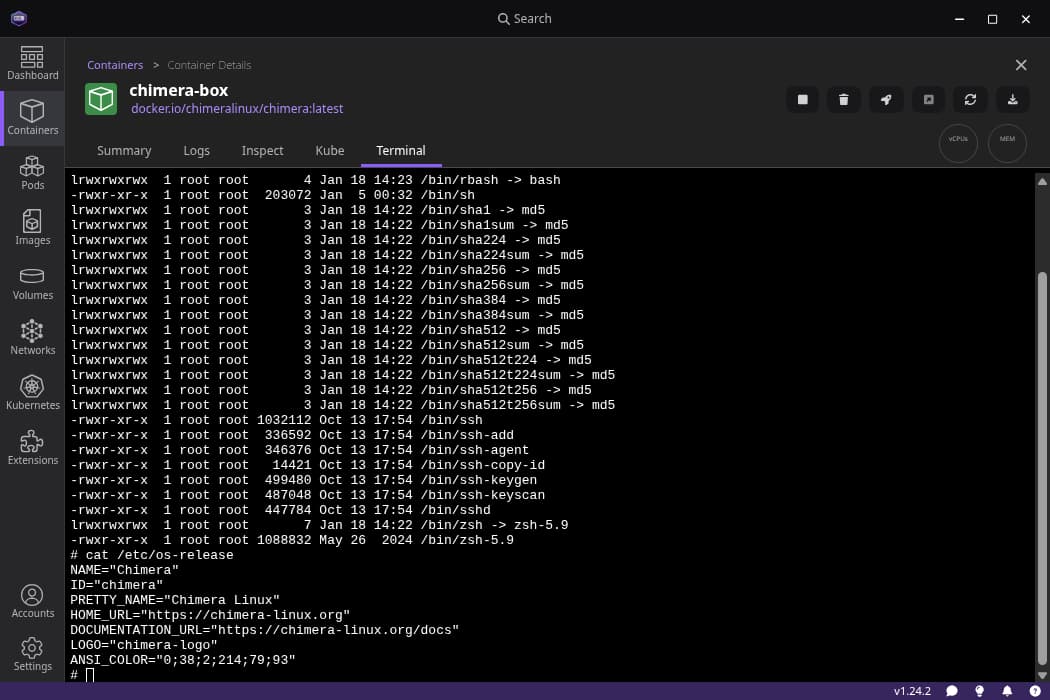
Containerization: Packaging Apps to Run Anywhere
Think of a container as a standardized box for your app, bundling its code and all dependencies. This ensures it runs the same everywhere, solving "it works on my machine" problems. The footgun is confusing them with VMs; containers are less isolated.
Procfile: Declare Your App's Startup Commands
A Procfile is the start script for your cloud app, telling the platform what commands to run. You use it to define processes like a web server for HTTP traffic or workers for background jobs.
AWS Elastic Beanstalk: Your App, Not Your Servers
Elastic Beanstalk is a PaaS-like wrapper for AWS infrastructure. You upload your code, and it handles provisioning servers, load balancers, and scaling. It's great for standard web apps but its abstraction is leaky; debugging often requires knowing the…
Managed Database Backups: Your Cloud's Undo Button
Think of managed backups as your cloud provider's automated safety net for your database. It periodically saves snapshots, letting you restore to a point in time after a failure.
Securing Cloud Database Endpoints
Treat your database endpoint like a public API, even if it's "internal." A Zero Trust approach verifies every connection request, granting access based on identity and context, not network location. This prevents unauthorized data access, a top cloud threat.
Managed Databases: Let the Cloud Handle Ops
A managed database is like leasing a car with a full-service plan instead of fixing it yourself; you trade control for convenience. This is the model for AWS RDS or GCP Cloud SQL.
Encryption in Transit: Protecting Data on the Move
Encryption in transit acts like a locked box for data moving across a network. It secures everything from website connections (HTTPS) to data moving between services inside a cloud network.
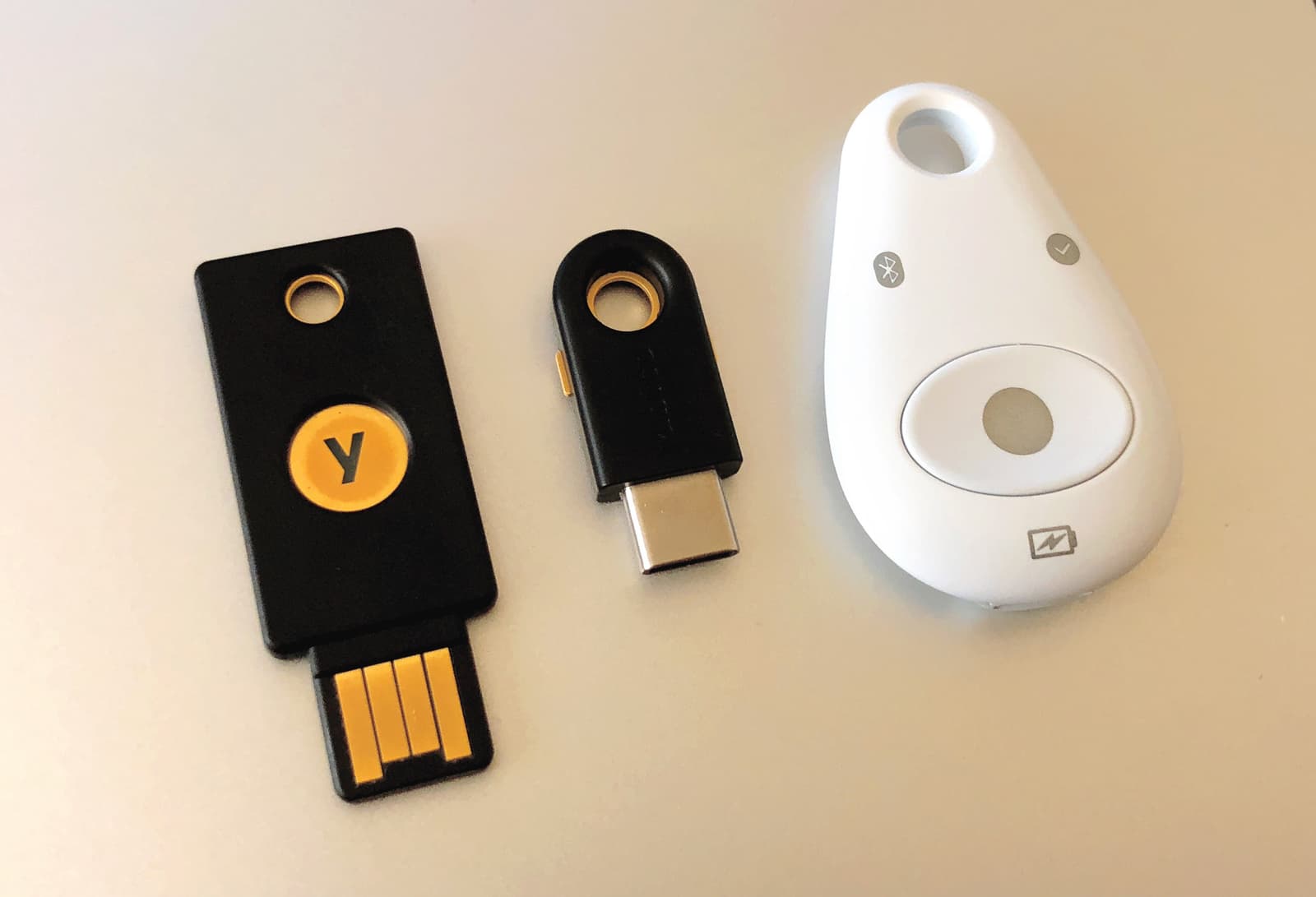
Multi-Factor Authentication (MFA): Defense in Depth for Logins
MFA adds a second layer of security on top of your password, like needing a key and a secret handshake. It's crucial for protecting sensitive accounts like email and banking from attackers who have stolen your password.

RBAC: Manage Permissions with Roles, Not Users
RBAC manages permissions by assigning users to roles (e.g., "editor"), not by giving permissions directly. This simplifies security in large systems like AWS IAM. The footgun is creating overly broad roles that grant excessive, unintended access.
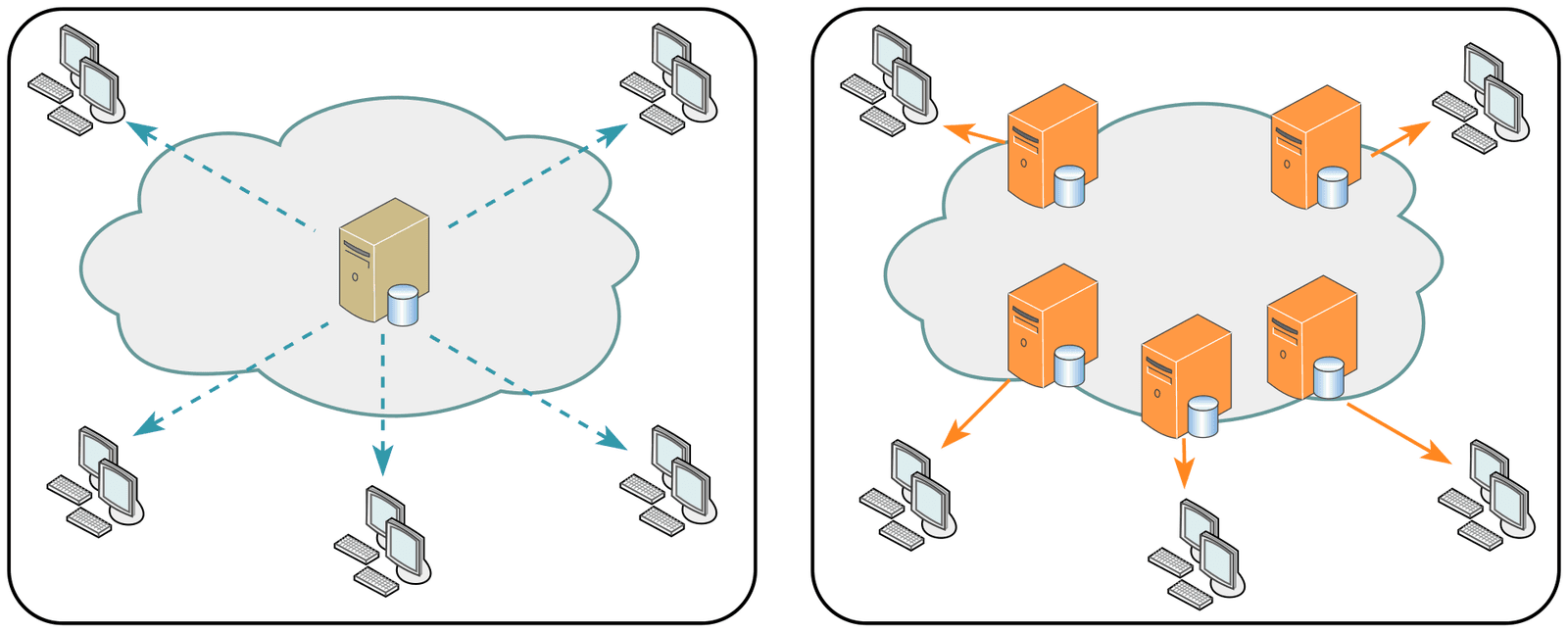
Content Delivery Network (CDN): Serving Content from the Edge
A CDN is like a global chain of convenience stores for your website's assets. It caches copies closer to users for faster delivery, speeding up images, CSS, and video. The footgun: accidentally caching private user data and serving it to everyone.
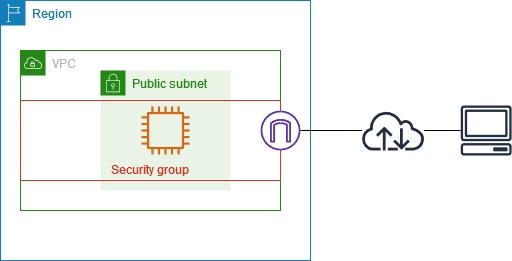
Security Groups: Stateful Firewalls for Your Cloud Resources
A security group is a stateful firewall for your cloud resources, like a bouncer with an allow-list. Use it to let a web server accept traffic or a database talk to app servers. The footgun: opening SSH to the entire internet (0.0.0.0/0).
Cloud Subnets: Your Virtual Network's Neighborhoods
Think of a subnet as a neighborhood in your virtual network (VPC), giving a block of IP addresses to a group of resources. Use them to isolate web servers from databases or apply specific firewall rules.
CIDR: Flexible IP Address Blocks
CIDR groups IP addresses into flexible blocks, replacing rigid A/B/C classes. You use it to define network ranges like 10.0.0.0/16 for a VPC. The footgun: a smaller slash number like /16 means a *larger* network than a bigger number like /24.
We are hiring for this. Every open role lists the topics its interview covers, so you can prepare for the real thing rather than guessing.
See open roles