More in DevOps & Cloud — page 54
Deployment Rollbacks: Your CI/CD Undo Button
A rollback strategy is your CI/CD's undo button, letting you revert to a known good state when a new deployment fails. It's essential for production environments. The biggest mistake is not having one, forcing a frantic 'hotfix' under pressure.

Rolling Deployment: Update Servers Without Downtime
A rolling deployment upgrades servers one by one, like swapping train cars while the train moves. A load balancer directs users to active servers, keeping the app online. The main footgun is incompatibility between old and new code running at the same time.
Kubernetes Operators: SREs in a Box
Think of an Operator as an automated site reliability engineer for your app, encoding human knowledge into software. It's used to manage complex stateful applications like databases, automating tasks like backups and upgrades.
CNI: The Universal Plug for Container Networking
CNI is the standard API that decouples container runtimes from network implementations. In Kubernetes, it lets you swap networking plugins like Calico or Flannel.
Service Mesh: The Network Layer for Your Microservices
A service mesh acts as a dedicated network layer for microservices, handling complex communication logic outside your application. It enables features like mTLS and canary releases.
Kubernetes StatefulSets: Stable Identity for Pods
A StatefulSet gives pods a stable, unique identity and persistent storage, unlike a Deployment's interchangeable replicas. Use it for clustered databases or queues where members need stable network names.
Kubernetes Ingress: The Cluster's Front Door
Kubernetes Ingress is the smart receptionist for your cluster. It routes external HTTP/S requests to internal services based on hostnames or paths, letting you expose multiple apps under one IP.
Helm: The Package Manager for Kubernetes
Helm is the package manager for Kubernetes. It uses a packaging format called Charts to define, install, and upgrade applications, making it the standard way to manage software on a K8s cluster. It is a Cloud Native Computing Foundation (CNCF) project.
Kubernetes Service: A Stable Address for Ephemeral Pods
A Kubernetes Service provides a stable IP address and DNS name for a group of ephemeral Pods. It acts like a load balancer, distributing traffic so you don't have to track individual Pod IPs, which can change at any time.
Kubernetes Deployment: Declarative App Updates
A Kubernetes Deployment is your app's blueprint. You declare the desired state—like '3 replicas of image v2'—and Kubernetes makes it happen. It's the standard for stateless apps like APIs. The footgun: don't manage Pods directly; manage the Deployment.
Kubernetes Pods: The Atomic Unit of Deployment
A Kubernetes Pod is the atomic unit of deployment, a logical host for containers sharing a network and storage. This is ideal for co-locating a main app with a helper "sidecar" container. The footgun: a Pod is not a container; you scale by adding more.
Kubernetes: The Operating System for Your Cluster
Think of Kubernetes as an OS for your entire datacenter. It automates deploying, scaling, and managing containerized applications across a fleet of servers. The footgun is adopting it for simple projects, where its complexity outweighs its benefits.
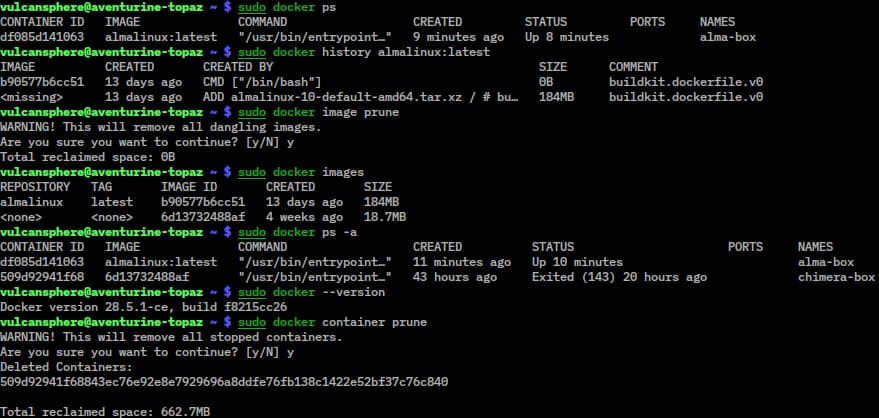
Docker Compose: A Tool for Containerized Applications
Docker Compose is a tool in the Docker suite for running applications in containers. It ensures your app runs the same everywhere by packaging it with its dependencies, solving the 'works on my machine' problem.
Container Image: A Blueprint for Your Application
A container image is a static blueprint for your application, bundling code, runtime, and settings. You build images to ship software for Docker or Kubernetes, which then run them as live containers.
Dockerfile: The Recipe for Your Container
A Dockerfile is a recipe for building a container image. It's a text file of commands that automates an application's environment setup, ensuring it runs identically anywhere. The footgun is creating bloated images with unnecessary build tools.
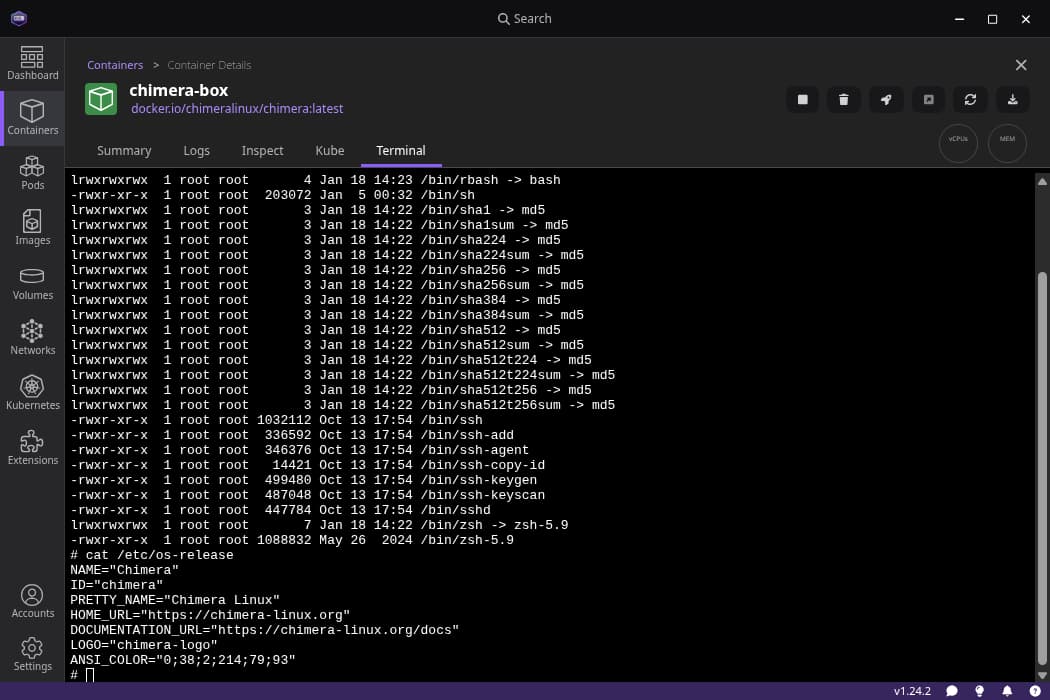
Software Containers: Portable, Isolated Applications
Think of a container as a standardized box for your app, bundling its code and all dependencies. This lets you run it consistently anywhere, from your laptop to the cloud.
External Secrets Operator: Sync Secrets into Kubernetes
The External Secrets Operator (ESO) acts as a bridge, syncing secrets from an external store like Vault or AWS Secrets Manager into native Kubernetes Secrets. This keeps secrets out of Git and centralizes management.
Kubernetes Sealed Secrets: Git-Friendly Secret Management
Sealed Secrets let you safely commit encrypted Kubernetes secrets to a public Git repo. A one-way lockbox: anyone can add a secret, but only the target cluster can unlock it. Essential for GitOps, but remember: a Sealed Secret is tied to its cluster.
AWS Secrets Manager: Stop Hardcoding Credentials
AWS Secrets Manager is a digital vault for your app's credentials. Instead of hardcoding API keys or database passwords, your app fetches them at runtime. It's used for storing sensitive data securely, with built-in rotation and auditing.
Configuration Drift: When Servers Go Rogue
Configuration drift is when a server's live settings diverge from your version-controlled 'source of truth.' This happens from manual hotfixes or inconsistent deployments, creating snowflake servers that are hard to debug.