Easy concepts in Product Management, page 3
PII: Data That Identifies a Real Person
PII is any data that can identify a real person. Email addresses, IP addresses, and device IDs all count, so analytics systems must mask or hash them before storage. A leaked salt can still expose a hashed email, so do not assume hashing removes PII.
Data Cleansing: Fixing Your Data Before It Fails You
Data cleansing is quality control for your dataset, finding and fixing errors before they skew your analysis. It's a crucial first step in any data pipeline, from training an ML model to generating business reports. The footgun is assuming data is clean.
Data Validation: Garbage In, Garbage Out
Data validation is the bouncer for your app, checking data at the door to ensure it's correct and useful. It's used on user forms, API requests, and file imports. The footgun is skipping it, which risks corrupted data, security holes, and future crashes.
Search Engine Optimization (SEO): Earning, Not Buying, Traffic
SEO is the practice of making your website attractive to search engines to earn unpaid traffic, not buy it with ads. It's crucial for being discovered via Google or Bing. The biggest footgun is treating it as a one-time trick, not a continuous process of.
Search Engine Marketing (SEM): Paying for Clicks
Search Engine Marketing (SEM) is paying to place your website at the top of search results. It drives immediate, targeted traffic for product launches or lead generation, unlike the slow build of SEO.
Your Product's North Star: The Mission Statement
A product mission is your team's compass: a short statement of why the product exists, who it serves, and its core goal. It aligns stakeholders and guides development. The footgun is confusing it with a vision; a mission is what you do now, not a.
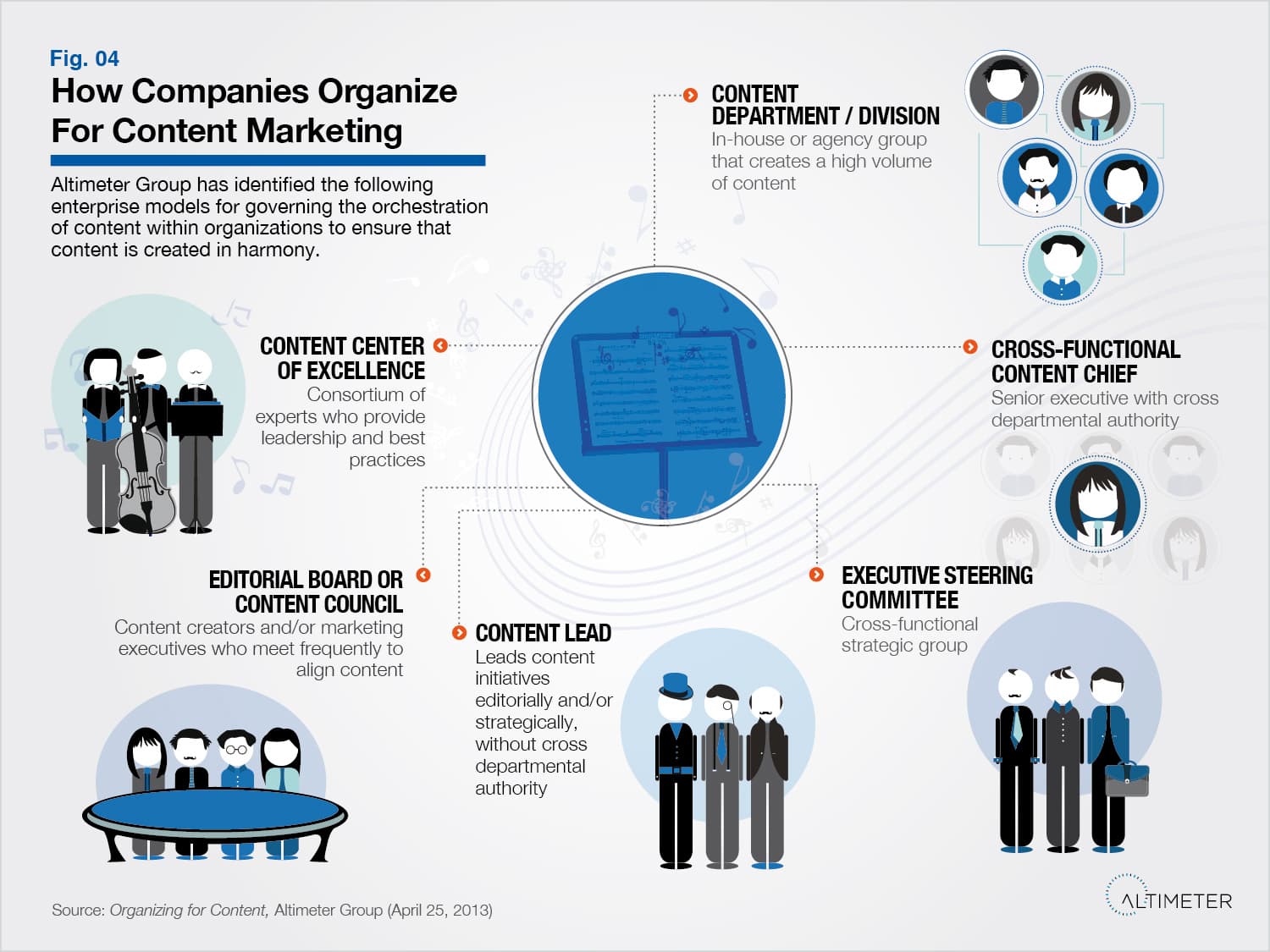
Content Marketing: Earn Trust, Not Just Clicks
Content marketing earns trust by giving away valuable information for free. It's used in company blogs or whitepapers to attract an audience by solving their problems, not just pushing a product.
Social Media Marketing (SMM)
Social media marketing (SMM) is a two-way conversation, not a digital billboard. It uses platforms like Instagram or TikTok to build a brand, launch products, and gather feedback directly from customers.
Email Marketing: Your Direct Line to Customers
Email marketing is your owned communication channel, a direct line to customers not controlled by an algorithm. Use it to nurture leads, announce features, or drive sales. The footgun is sending generic blasts instead of segmenting for relevance.
Technical Debt: The Hidden Cost of Shipping Fast
Technical debt is like a loan on your codebase: you ship faster now by taking a shortcut, but pay 'interest' later as slower development. It's often a choice to meet a deadline. The footgun is thinking all debt is bad; strategic debt is fine if.

Planning Poker: Avoid Groupthink in Estimates
Planning poker avoids groupthink in effort estimation. Team members reveal estimates simultaneously using cards, preventing the first number spoken from anchoring everyone else. It's used in Agile to size up tasks.

Burndown Chart: A Project's Fuel Gauge
A burndown chart is a project's fuel gauge, showing work left versus time. Scrum teams use it to track sprint progress and predict completion. The footgun is treating it as a performance report instead of a conversation starter about blockers.
Positioning Statement: Your Product's Internal Compass
A positioning statement is an internal compass, not a public slogan. It defines your product's unique place in the market for a specific customer, guiding all marketing and product decisions.
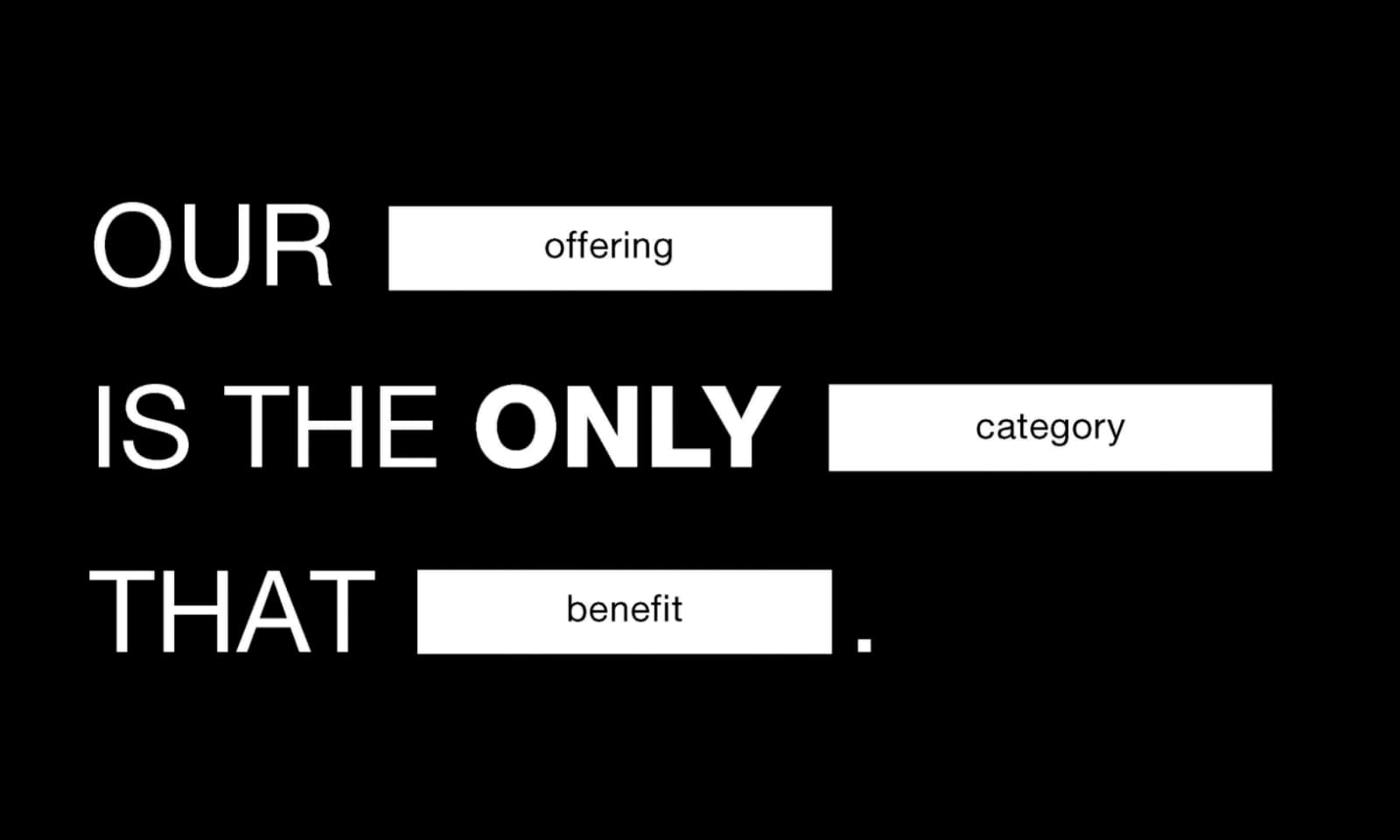
The Onlyness Statement: What Makes You Unique?
The Onlyness Statement forces you to define what makes your product the *only* choice in its category. It's a test of your core business, not just marketing. Use it in strategy meetings to clarify your unique value.
Report Generation: Turning Raw Data into Human-Readable Documents
Report generators translate raw data into formatted documents for human eyes. They power business dashboards and sales summaries. The main footgun is forgetting the report is a stale snapshot, not the live data source itself.
Descriptive Statistics: What Your Data Looks Like
Descriptive statistics summarize the data you have, painting a picture of your sample without making guesses about the wider world. It's used for calculating things like average age or max response time.
Business Intelligence (BI) Tools: From Raw Data to Dashboards
BI tools turn raw company data into visual dashboards and reports. They let non-technical teams explore sales trends or user behavior from a data warehouse, but remember: a slick dashboard built on messy data is just a pretty lie.

Business Model Canvas: Your Business on a Single Page
The Business Model Canvas puts your entire business strategy onto a single page, showing how value, customers, and money connect. It's used by startups to map out a plan or by established companies to launch new products.
Onboarding Checklists: Guide Users to Their 'Aha' Moment
An onboarding checklist is a guided to-do list showing new users the key actions to find value. It bridges the gap between a first tour and independent use, increasing task completion by 20-30%.
Epic: The Agile Placeholder for Big Ideas
An Epic is a large user story that's too big for a single sprint, acting as a placeholder for a major feature. Use it to group related stories for features like 'user profile management.'
We are hiring for this. Every open role lists the topics its interview covers, so you can prepare for the real thing rather than guessing.
See open roles