Concepts in Product Management
Product Strategy: The 'Why' Behind Your Product
Product strategy is the 'why' behind your product, connecting its vision to business goals. It's the compass that guides development, not the feature-by-feature map. The common footgun is confusing strategy (the why) with the roadmap (the what and when).

High-Tempo Testing: Move Faster Than Your Channels Decay
High-tempo testing treats growth as a continuous experiment, not a one-time campaign. Since marketing channels decay quickly, this lets you find new wins across the entire user journey.

Key Performance Indicators (KPIs)
A KPI isn't just any metric; it's a measurable value showing how effectively you're achieving a key business objective. It's used to track things like website uptime or customer acquisition cost.
The Agile Manifesto: A Shift in Software Values
The Agile Manifesto is a value system, not a rigid process. It prioritizes people, working software, customer collaboration, and adapting to change over rigid plans and documentation. This philosophy underpins frameworks like Scrum.

ICE Score: A Quick Framework for Prioritizing Ideas
The ICE score is a quick framework for ranking ideas by asking: what's the potential Impact, our Confidence in the outcome, and the Ease of implementation? Growth teams use it to prioritize experiments, balancing big bets with quick wins.
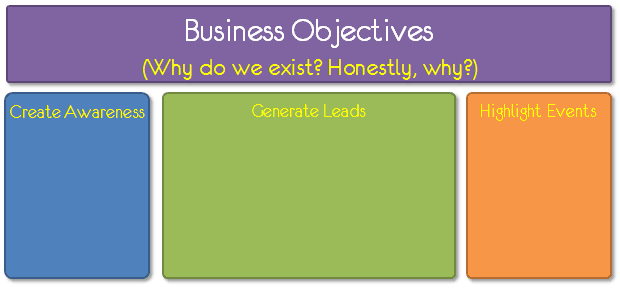
Analytics Measurement Plan: From Why to What
An analytics measurement plan forces you to define success before you look at data. It connects high-level business objectives to specific user actions and sets clear targets.
Waterfall Model: Build Software Like a Building
The Waterfall model treats software development like building a house: each phase is fully completed before the next begins. It suits projects with fixed requirements, but its major footgun is that late-stage changes can force a costly restart from the…

Strategy vs. Tactics: The Map vs. The Directions
Strategy is your destination and why you're going; tactics are the turn-by-turn directions. A product strategy defines the long-term goal, like 'capture the enterprise market,' while tactics are the specific feature launches to get there.
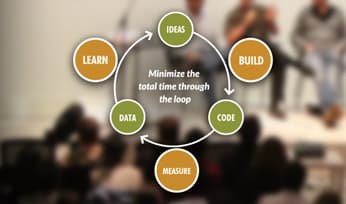
The Pivot: A Structured Change in Strategy, Not Vision
A pivot is a structured course correction, not a restart. You change strategy based on validated learning from your MVP when data shows your initial hypothesis was wrong. The footgun is pivoting on a whim instead of data, or failing to pivot despite it.
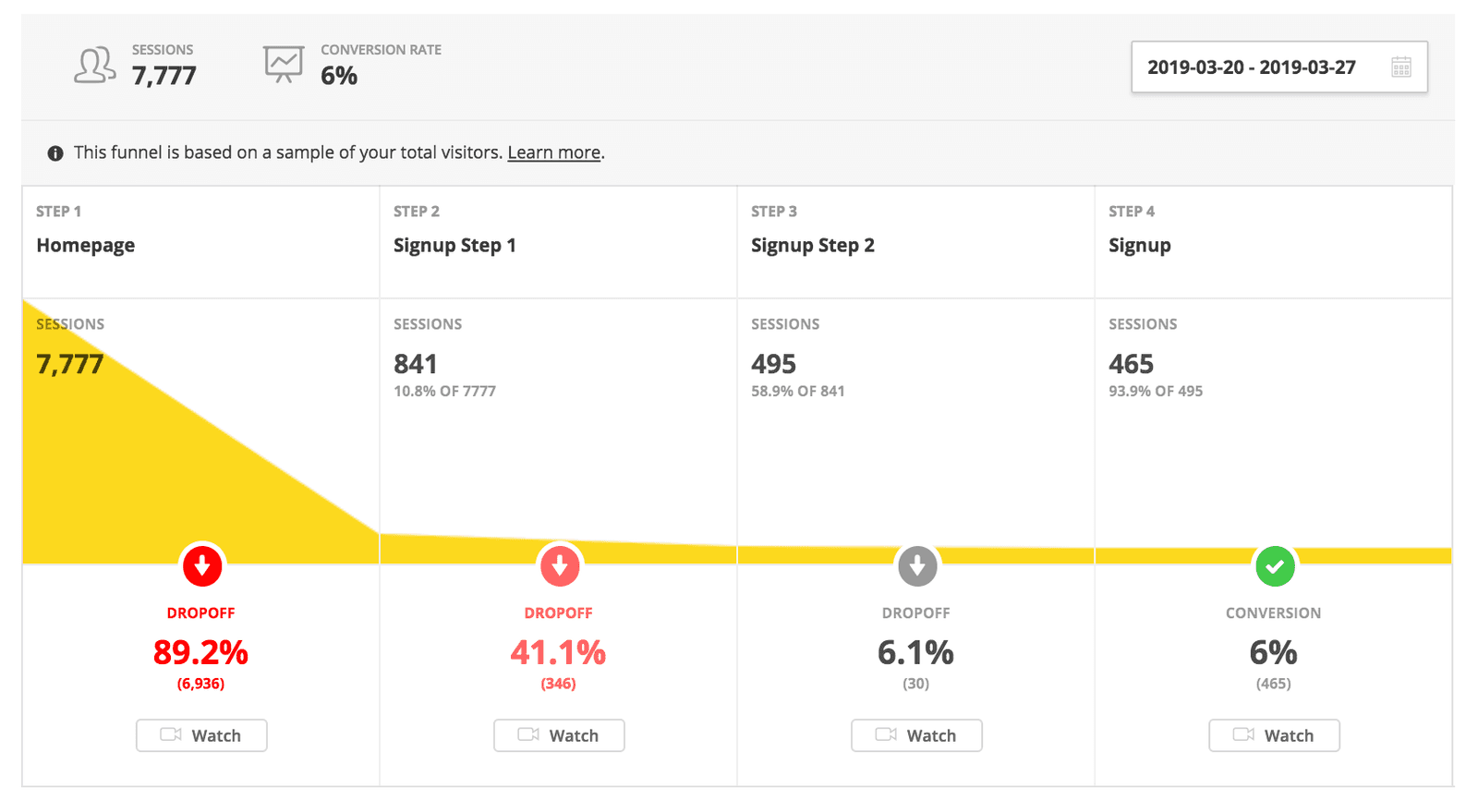
Funnel Analysis: Pinpointing Where Users Drop Off
Funnel analysis treats a user journey like a real-world funnel, showing exactly where people 'leak' out before reaching a goal. It's key for optimizing e-commerce checkouts or app sign-ups. The footgun is only looking at the final conversion rate.
Lean Software Development: Focus on Value, Not Waste
Lean Software Development applies manufacturing principles to code, focusing on maximizing value by systematically eliminating waste. It's the philosophy behind Kanban-style pull systems and delaying decisions.
Product Roadmap: A Strategic Plan, Not a Feature List
A product roadmap is a strategic guide, not a rigid timeline, showing how work achieves long-term goals. It's used to align engineering, product, and leadership on priorities.
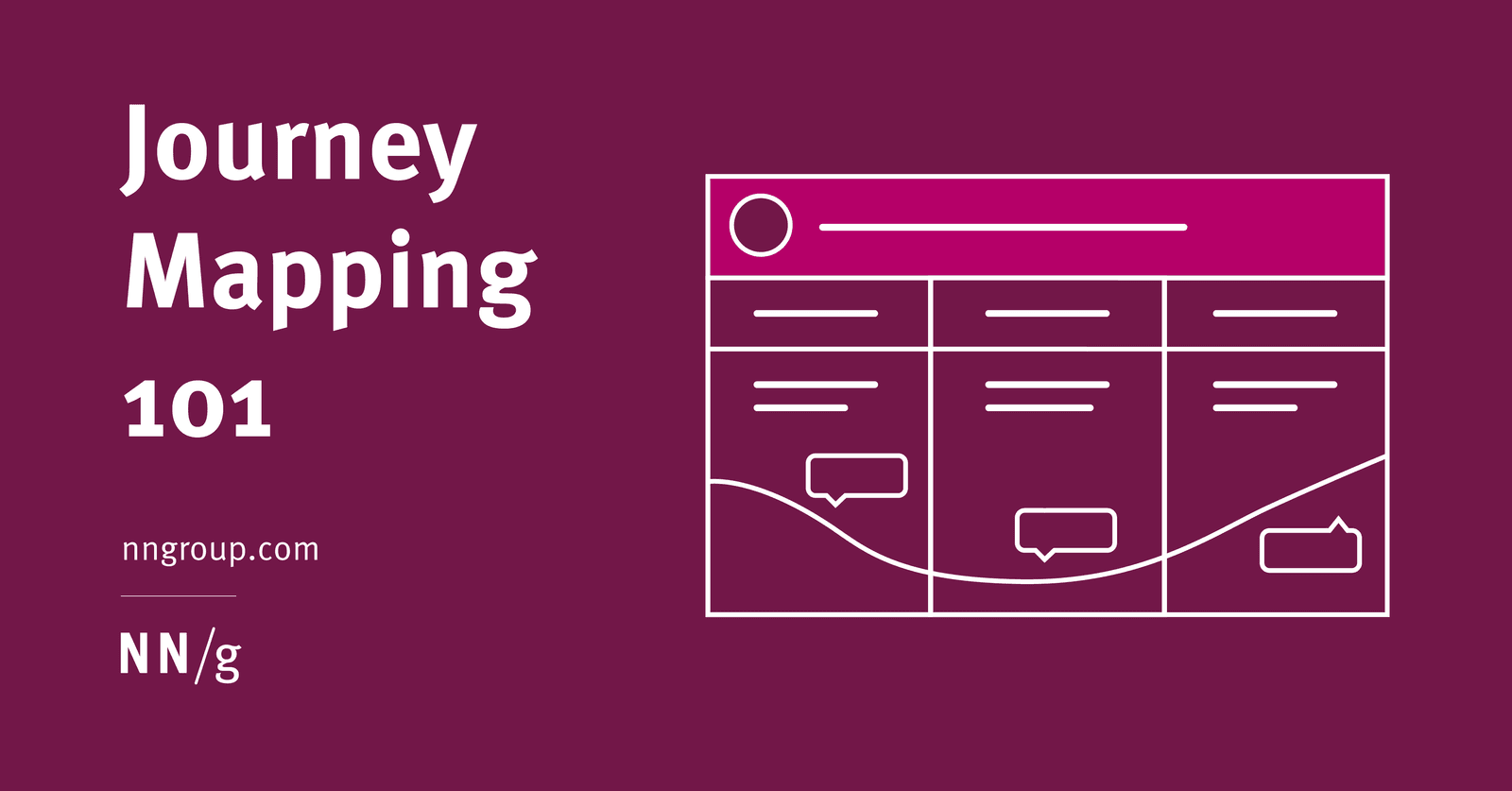
User Journey Mapping: Seeing Your Product Through a User's Eyes
A user journey map tells the story of a user achieving a goal, visualizing their actions, thoughts, and feelings from start to finish. It's essential for understanding complex, multi-channel processes.
Leading vs. Lagging Indicators: Looking Forward vs. Backward
Leading indicators predict the future; lagging indicators confirm the past. This distinction is key for analyzing business cycles or system health. The main footgun is relying only on lagging data, forcing you to react to problems that have already occurred.
The Seven Wastes of Software Development (Muda)
Think of "Muda" as anything consuming resources without adding customer value. This Lean concept helps agile teams spot inefficiencies like partially done work and context switching.
Market Segmentation: Don't Sell to Everyone
Market segmentation means you don't sell to everyone. It's about dividing your market into smaller, meaningful groups to target them with tailored strategies. This is used for focused ads or niche product features.
The Customer Lifecycle: From Prospect to Advocate
The customer lifecycle maps the journey from first contact to loyal advocate. It's used to decide when to send a welcome email (acquisition), a loyalty discount (retention), or a 'we miss you' offer (win-back). The footgun is focusing only on acquisition.
Cohort Analysis: Comparing User Groups Over Time
Instead of averaging all user behavior, cohort analysis groups users by a shared starting point, like their sign-up month. This reveals how product changes affect retention for specific groups. The footgun is lumping everyone together, which hides real trends.
Cycle Time vs. Lead Time: Team Speed vs. Customer Wait
Lead Time is the total time a customer waits for a feature, from request to delivery. Cycle Time is the portion of that time your team is actively working. The footgun is optimizing only for Cycle Time, which can hide major customer-facing delays in the.

The Strategy Kernel
The strategy kernel, from Richard Rumelt, is the minimal structure of a real strategy: a diagnosis of the actual obstacle, a guiding policy for addressing it, and coherent action that carries it out, separating genuine strategy from a list of goals.
We are hiring for this. Every open role lists the topics its interview covers, so you can prepare for the real thing rather than guessing.
See open roles