Easy concepts in Product Management, page 6

The Test Pyramid: Fast Feedback, Stable Code
The Test Pyramid is a strategy for balancing automated tests: write many fast unit tests, fewer integration tests, and very few slow end-to-end tests. It guides CI/CD pipelines to catch failures quickly. The footgun is over-relying on slow E2E tests.
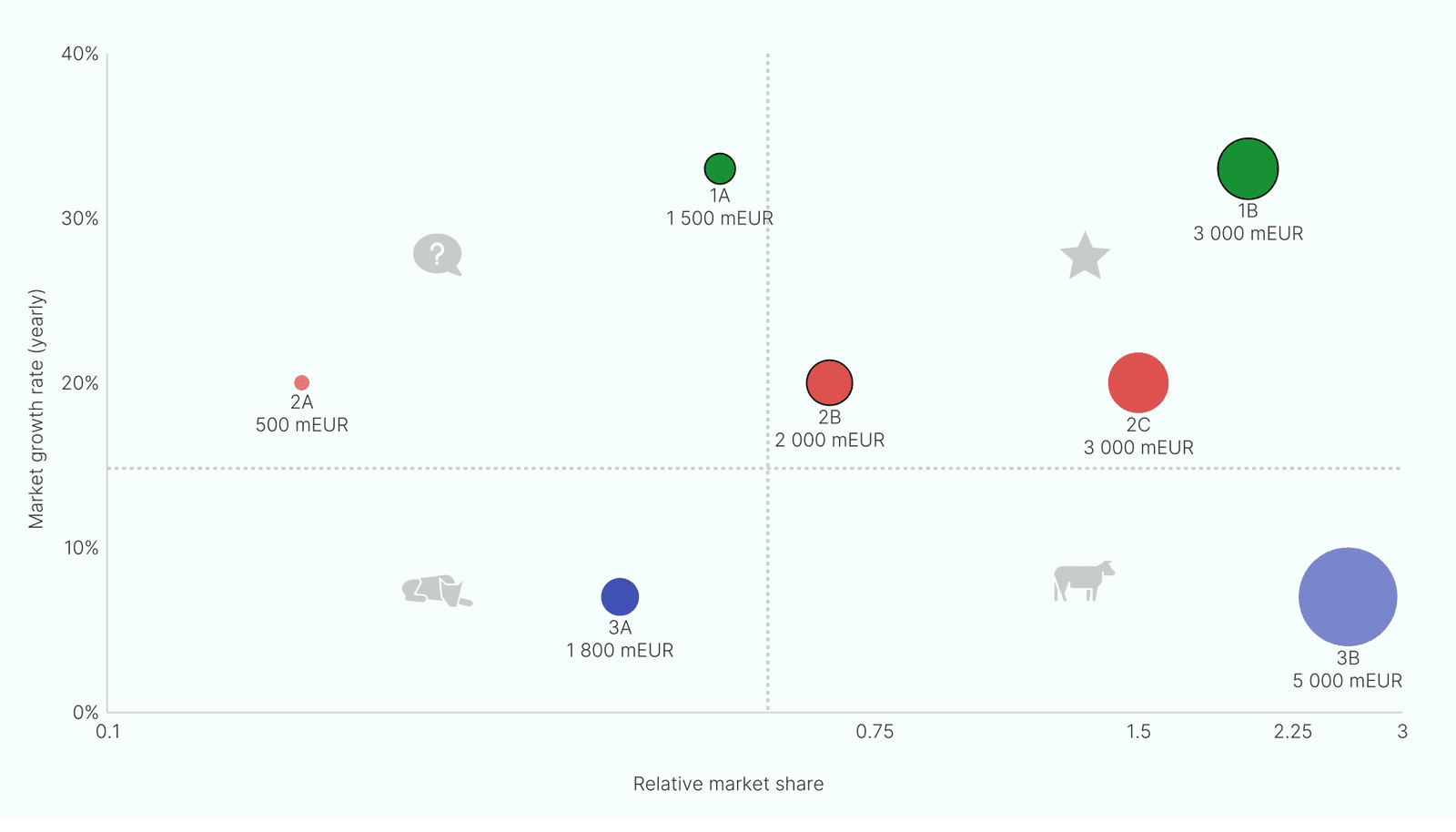
BCG Growth-Share Matrix: A Map for Your Product Portfolio
The BCG Matrix plots products on a 2x2 grid of market growth vs. market share to decide where to invest. It's used to categorize products as Stars, Cash Cows, Question Marks, or Dogs. The footgun is treating it as a static, predictive tool.
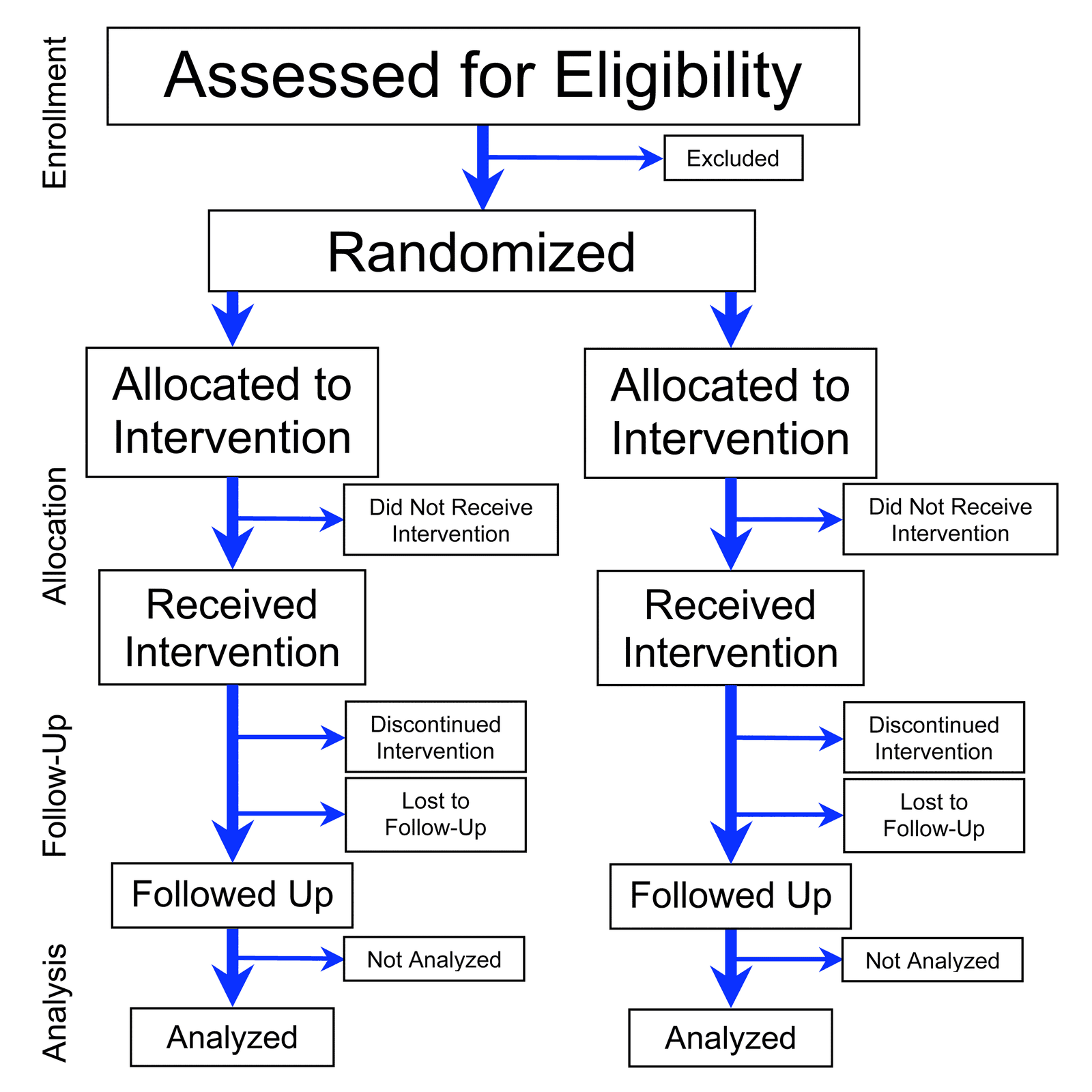
Randomized Controlled Trials: The Gold Standard for 'Did It Work?'
An RCT is a science fair experiment for business decisions, isolating one change to see its true effect. It's used in A/B tests to prove a new feature worked. The biggest footgun is peeking at results early, which can lead to false conclusions.

Product Sunsetting: Retiring Products Gracefully
Product sunsetting is the managed process of retiring a product to free up resources. It's used when a product is no longer profitable or strategically relevant. The biggest footgun is a sudden shutdown without a clear migration path, which alienates users.
Empathy Mapping: Seeing Through Your User's Eyes
An empathy map is a tool for a team to build a shared picture of a user's mind, not just their actions. It's used in UX design to align on user needs before building. The footgun is treating it as a one-time checklist instead of.
Selection Bias: When Your Sample Skews Your Results
Selection bias occurs when your data sample isn't random, leading to flawed conclusions. This happens when surveying only volunteers or analyzing a non-representative group. The footgun is assuming your data reflects the whole population when it doesn't.

Value Proposition Canvas: Map Customer Needs to Product Features
The Value Proposition Canvas maps customer needs to product features to ensure you're building something people want. It connects customer "jobs," "pains," and "gains" to your product's features.

ETL vs. ELT: When to Transform Your Data
ETL (Extract, Transform, Load) preps data before storage, like a chef prepping ingredients. ELT loads raw data first, transforming it inside the warehouse. Use ETL for structured reporting; use ELT for flexibility with raw data.
Twyman's Law: Interesting Data is Usually Wrong
Twyman's Law states that any data point that looks interesting is probably wrong. Before celebrating a sudden 10x spike in user engagement, first suspect a bug in your analytics pipeline or a bot attack.

Lean Canvas: A Startup's Reality Check on a Page
A Lean Canvas is a one-page business plan that forces you to define and test your riskiest assumptions first. Startups use it to validate their core idea before building. The biggest mistake is treating it as a one-time exercise instead of a living document.
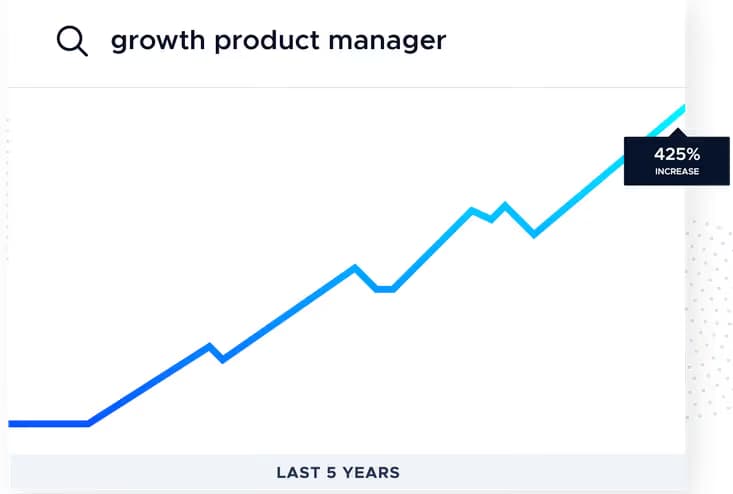
Growth Product Manager: Driving Metrics, Not Just Features
A Growth PM is a business optimizer for an existing product. They focus on moving a single metric like user activation or retention, often through rapid experimentation. This role is key in product-led companies where the product must sell itself.

Platform Business Model: Connecting, Not Owning
A platform business connects groups (like buyers and sellers) instead of making its own products. It's a marketplace, not a store. This model powers ride-sharing apps and app stores.
Growth Meeting Cadence: Focus on Learnings, Not Updates
Run your weekly growth meeting like a learning synthesizer, not a status report. Focus on extracting insights from experiments to drive future impact. The biggest mistake is wasting time on "what" you're doing; handle status updates asynchronously.
Two-Sided Markets: Playing Matchmaker for Value
A two-sided market plays matchmaker, connecting two distinct groups like buyers and sellers. It creates value by enabling their interaction, growing stronger as more users from each side join.
DevRel: Building For and With Developers
DevRel is the bridge between a company and the developers using its tools, treating them as partners, not just customers. You see it in API docs, tutorials, and community forums. The footgun is treating it as just marketing, not a feedback loop to improve the.
.png&w=1600&q=75)
Kanban: A Strategy for Optimizing Flow
Kanban isn't just a board with columns; it's a strategy for optimizing the flow of value through your process. It helps teams visualize work, manage bottlenecks, and deliver value predictably.

Moving Average: Smoothing Out the Noise in Data
A moving average smooths out noisy data by replacing each point with the average of its neighbors, revealing the underlying trend. It's used to track stock prices or server metrics without overreacting to short spikes.

Kanban Board: Visualize Your Workflow
A Kanban board is a visual system for managing work as it moves through a process, making bottlenecks obvious. It's used in software development to track features from 'To Do' to 'Done'.
Training vs. Test Sets: Judging a Forecast's True Accuracy
Don't judge a forecast by how well it fits the data it was trained on. To measure true accuracy, split your data into a training set for model fitting and a test set for evaluation, using data the model has never seen before.

Pull System: Make Only What's Needed, When It's Needed
A pull system works like a restaurant kitchen: you only start work when the next step in the process places an order. This approach, core to lean manufacturing and Kanban, prevents overproduction. The footgun is pulling new work before finishing old tasks.
We are hiring for this. Every open role lists the topics its interview covers, so you can prepare for the real thing rather than guessing.
See open roles