Interview questions in Product Management, page 24
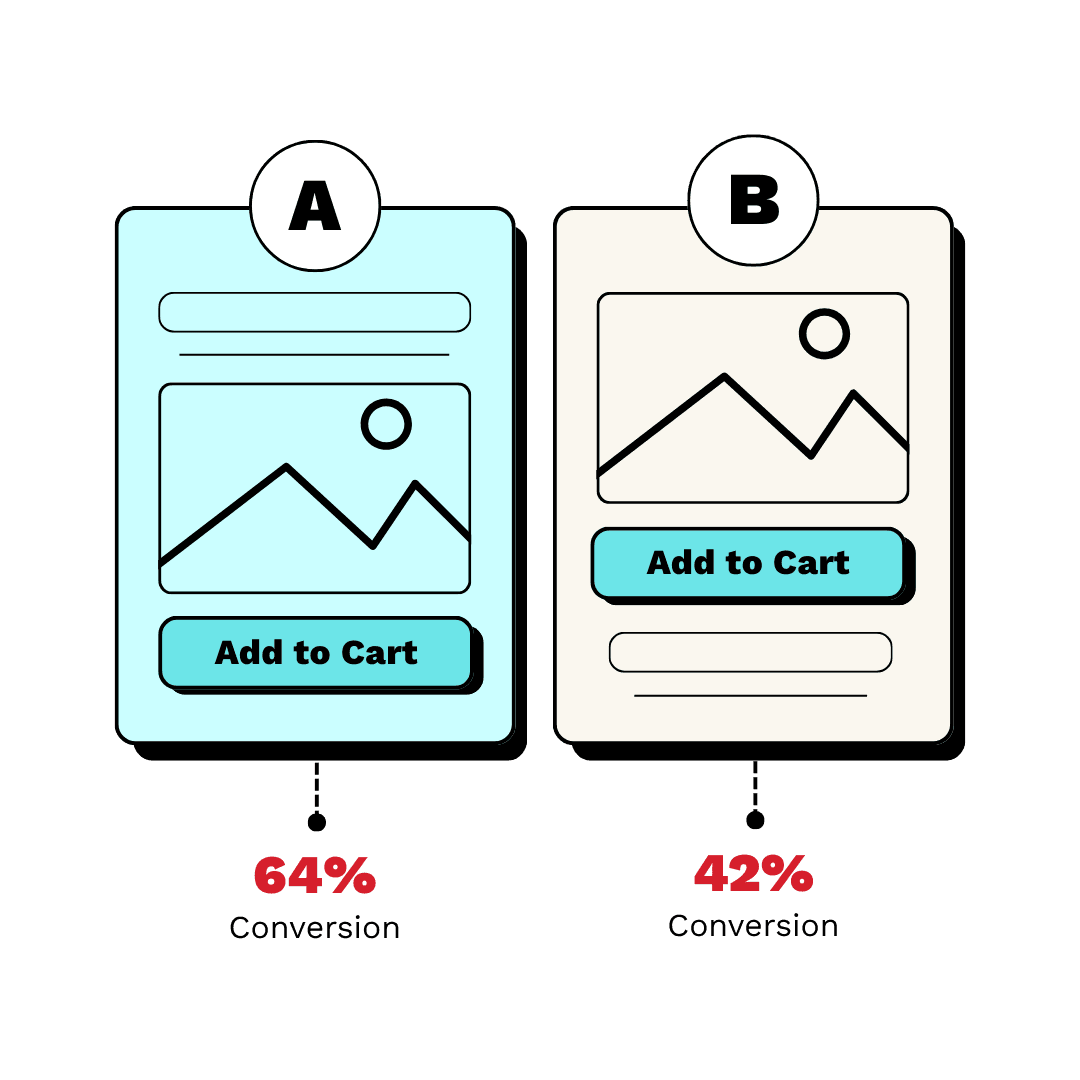
How would you A/B test a 'Buy Now' button color change?
Tests your grasp of the A/B testing lifecycle. A strong answer defines a clear hypothesis (e.g., 'a green button will increase clicks'), selects a primary metric (CTR), and considers guardrail metrics. A red flag is skipping the hypothesis and metrics.

What do you need in a user story beyond technical requirements?
This tests your product sense. A great answer asks for the user persona, the 'why' behind the request, and measurable success metrics. A red flag is focusing only on technical implementation details without understanding the core user problem.
How would you A/B test a 'Buy Now' button color change?
This tests structured thinking. A good answer defines a hypothesis, selects primary and guardrail metrics, and outlines the experiment's duration and analysis plan. A red flag is focusing only on clicks without considering business impact.
What information do you need in a user story?
This tests your ability to connect engineering work to user value. A great answer covers the user persona (who), their motivation (why), and measurable success criteria (what), explaining how this context informs technical decisions.
What artifacts and processes mitigate cross-team API dependency risks?
This tests de-risking external API dependencies via contracts. A strong answer proposes an OpenAPI spec as the source of truth, mock servers for parallel work, and automated CI validation.

What schema changes are needed to add a Pro subscription tier?
This tests normalization of billing data versus hardcoding tiers. Add a plans table with integer cents pricing, link subscriptions via plan_id, and leave users untouched. Red flag: adding a tier string column to users or storing prices in subscriptions.
How do you determine sample size and duration for an A/B test?
This tests statistical power literacy. A strong answer names baseline rate, MDE, alpha, and beta; explains the duration versus sensitivity trade-off; and notes traffic allocation. A red flag is ignoring power or stopping early when results look significant.
Describe your role as an engineer in story refinement
Mention feasibility probes, acceptance criteria checks, and splitting for forecast clarity.
How do you determine sample size and duration for an A/B test?
This tests your grasp of statistical power and business trade-offs. A good answer defines the four inputs (baseline, MDE, significance, power) to calculate sample size, then uses traffic to find duration.
Describe your role in user story refinement.
This tests your understanding of refinement as a collaborative de-risking process. A great answer details your role in clarifying requirements, identifying technical risks, breaking down work, and providing estimates. A red flag is passively receiving tasks.
How do you determine A/B test sample size and duration?
This tests your ability to connect business goals to statistical parameters. A good answer defines the four power analysis inputs (baseline, MDE, alpha, power) and explains trade-offs, then converts sample size to duration using business cycles.
What is an engineer's role in story refinement?
Tests your role in translating needs to tech specs. A great answer covers clarifying questions, task breakdown, sizing, and acceptance criteria. A red flag is passively waiting for tasks instead of proactively de-risking the work.
Your feature launches but engagement doesn't move. What's engineering's role in diagnosis?
Validate data, segment users, test tech and behavioral hypotheses, propose experiments.
Model a 3-month 20% promo discount and apply it at billing
This tests separating coupon rules from per-user redemptions. Good answers use a coupons table for the 20%/3-month rule, a redemptions table for usage, and apply the discount to the first three invoices. A red flag is hard-coding the discount on the user row.
Why is stopping an A/B test at first significance problematic?
Tests peeking and Type I error inflation. Name peeking; explain daily looks inflate false positive rates above nominal alpha; note p-values assume one look at fixed sample size; recommend pre-committed runtimes or sequential testing.
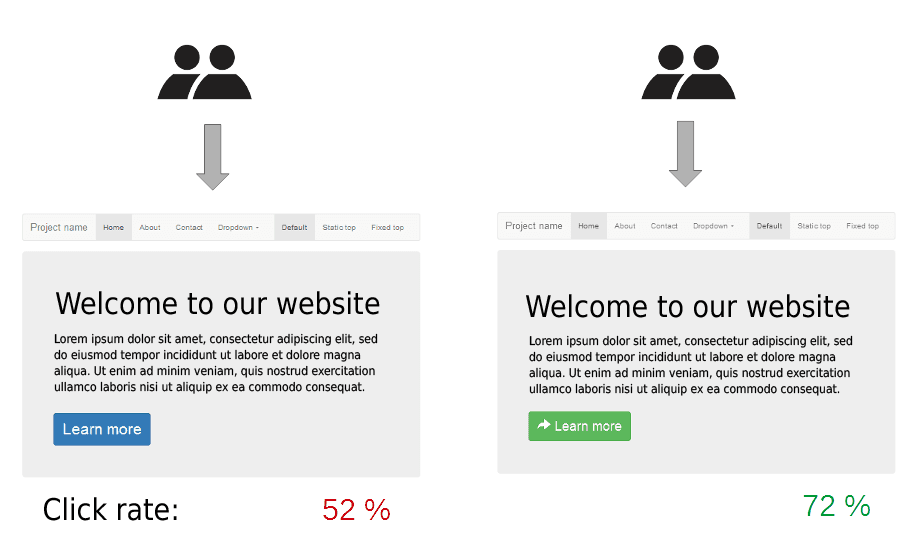
How would you implement an A/B test for a redesigned dashboard?
Tests experiment rigor: randomize stable user buckets, pick one primary metric and guardrails like latency, pre-calculate sample size and runtime with a minimum detectable effect, and validate via backend logging.
Why is stopping an A/B test early problematic?
Tests understanding of the 'peeking problem' in A/B testing. A good answer defines peeking, explains how it inflates false positive rates, and contrasts it with waiting for a pre-determined sample size. A red flag is not explaining the statistical mechanism.
How would you A/B test a redesigned dashboard?
Tests translating a vague goal ('more engagement') into a concrete engineering plan. A good answer defines key metrics first, then outlines user bucketing, instrumentation, and statistical analysis.
Why is stopping an A/B test when it hits significance problematic?
Tests your understanding of the 'peeking problem' in A/B testing. A great answer defines peeking, explains how it inflates the Type I error rate (false positives), and states the need for a predetermined sample size.
How would you A/B test a redesigned dashboard?
This tests your ability to translate a product goal into a technical plan. A good answer defines "engagement" with metrics, outlines the bucketing and instrumentation strategy, and discusses statistical significance.
We are hiring for this. Every open role lists the topics its interview covers, so you can prepare for the real thing rather than guessing.
See open roles