Interview questions in Product Management, page 8
What is data partitioning in a cloud data warehouse?
Tests your grasp of physical data layout optimization. A good answer defines partitioning as dividing a table by a column (e.g., date), then explains how this enables partition pruning to improve query speed and reduce cost by scanning less data.
How do you handle an urgent, mid-sprint stakeholder request?
Tests your understanding of Scrum roles and stakeholder management. First, acknowledge the request's urgency. Then, redirect the stakeholder to the Product Owner, who manages all new work. A red flag is saying 'yes' and derailing the sprint, or a flat 'no'.
What is data partitioning in a cloud data warehouse?
Tests your grasp of performance and cost trade-offs in data systems. A good answer defines partitioning, explains partition pruning for performance, and links it directly to reduced data scan costs.
How do you handle an urgent request during a Sprint?
This tests your ability to protect team focus while managing stakeholders. Acknowledge the request, explain its impact on the Sprint Goal, and redirect the stakeholder to the Product Owner, who owns the backlog. A red flag is saying 'yes' or 'no' directly.
Engineering input in a Jobs to be Done workshop
Frame the underlying job and measurable outcomes the user wants, decouple from any solution, then let features compete to serve them.
Compare data warehouses and data lakes. How does a lakehouse merge benefits?
Tests schema tradeoffs. Warehouses enforce ACID for BI but cost more; lakes store raw cheaply but lack governance. Lakehouses add ACID metadata on object storage to unify ML and BI.

What causes client order_completed events to diverge from backend records?
Tests end-to-end event reliability. Separate client failures (network, ad blockers, duplicates) from backend gaps (idempotency, validation, races) and propose timestamped join analysis. Red flag: blaming users or fixing before measuring gap direction.
What is Definition of Ready and why must the PO uphold it?
Tests grasp of backlog refinement as a team agreement. Strong answers define ready as value, scope, and acceptance criteria; explain it stops mid-sprint churn; and cite dependencies mapped and designs attached.
Data Warehouse vs. Data Lake vs. Lakehouse
Tests your grasp of modern data architectures. A great answer defines warehouses (structured, schema-on-write) and lakes (raw, schema-on-read), then explains how a lakehouse adds ACID transactions and governance on top of a lake.
What is the Definition of Ready for a backlog item?
Tests your grasp of upstream quality gates in Agile. Define DoR as a team's checklist for sprint-ready items, explain it protects dev focus and predictability, and give examples like clear acceptance criteria.
Compare a data warehouse, data lake, and lakehouse
Tests your grasp of data architectures for BI vs. ML workloads. Contrast warehouses (structured) and lakes (raw), then explain how a lakehouse adds ACID/schema features to a lake's storage. A red flag is confusing schema-on-write vs. schema-on-read.
What is the 'Definition of Ready' for a backlog item?
This tests your understanding of Agile team contracts and preventing sprint waste. A great answer defines 'Definition of Ready' as a team checklist for actionable work, explains how it enables predictable sprints, and gives examples like clear acceptance…
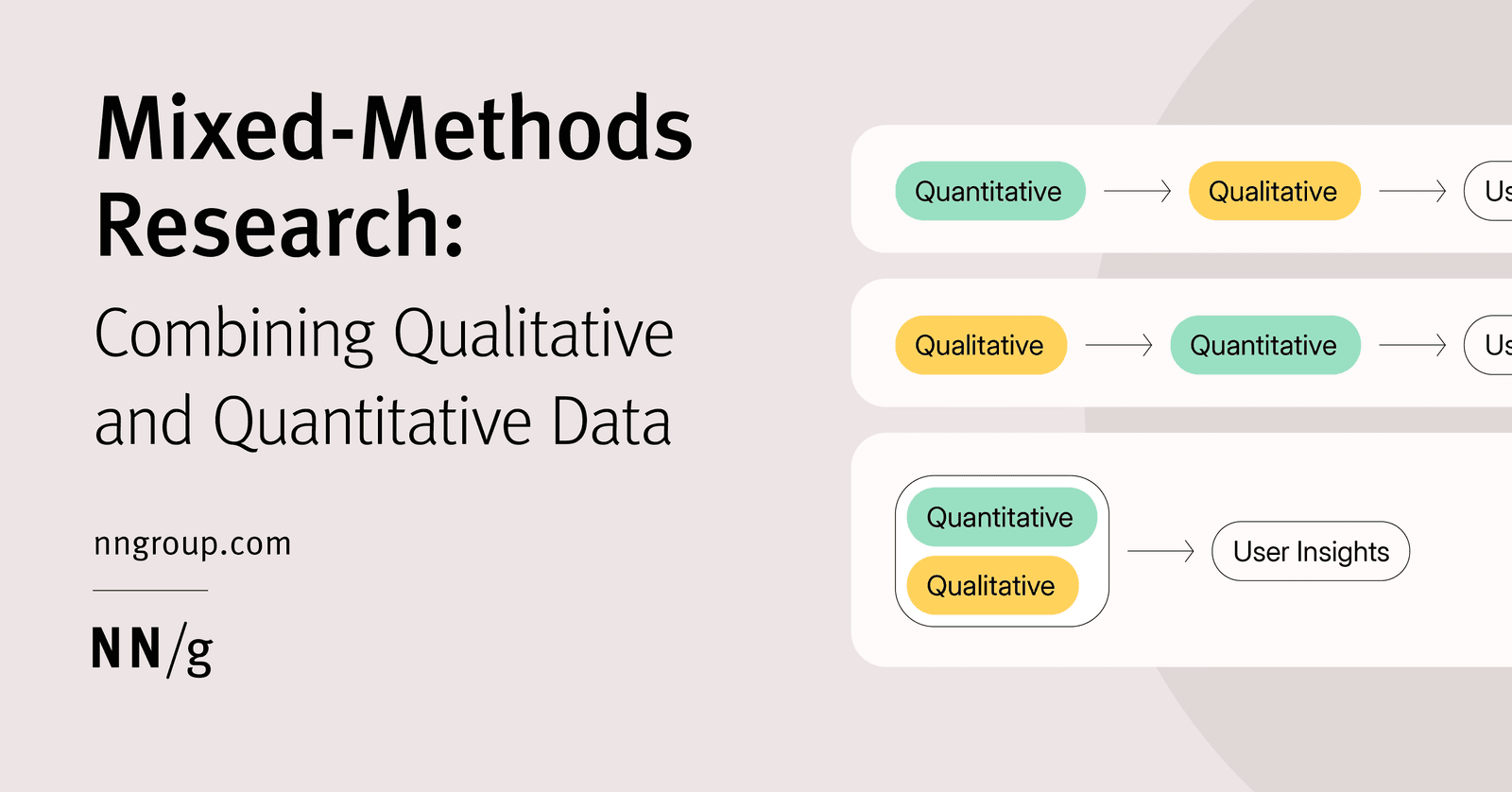
Design a follow-up experiment to resolve conflicting qualitative and quantitative data
This tests mixed-methods integration. Strong answers sequence experiments: observe users in the low-engagement flow for friction, then run a higher-fidelity quantitative test with behavioral metrics tied to stated intent.
Explain user identity stitching across devices and SDK roles
Tests event-level identity resolution. A strong answer covers anonymousId per device, the identify call binding anonymous events to userId, and backend merge handling out-of-order events. Red flag: claiming cookies alone stitch mobile and web.
Diagnose out-of-memory errors in a growing Spark job
Inspect plans for skewed partitions and joins; tune shuffle partitions, batch sizes, and join strategies; leverage AQE and statistics.
Describe your engineering contribution in backlog refinement and needed PO info
This tests if you treat refinement as collaborative planning. A strong answer covers feasibility feedback, sizing, dependency flags, and the business value or priority you need from the PO. Red flag: claiming engineers only receive requirements.
Diagnosing Out-of-Memory Errors in a Spark Job
This tests your systematic debugging of distributed systems. A great answer first diagnoses the failure location via the Spark UI, then investigates data skew and code inefficiencies, and finally tunes memory configs.
Your Role in a Product Backlog Refinement Meeting
This tests your proactive role in Scrum beyond just coding. A great answer covers decomposing work, asking clarifying questions, estimating effort, and identifying technical risks.
How do you debug out-of-memory errors in a Spark job?
Tests your systematic debugging of distributed systems. A great answer diagnoses via the Spark UI, investigates data skew and inefficient code (e.g., shuffles), and only then tunes memory or partition configs. Red flag: immediately increasing executor memory.
Your Contribution in Backlog Refinement
Tests your proactivity in shaping work, not just executing it. A good answer covers adding technical detail, estimating effort, and splitting stories. From the PO, you need the business goal and clear acceptance criteria.
We are hiring for this. Every open role lists the topics its interview covers, so you can prepare for the real thing rather than guessing.
See open roles