Advanced everything in Product Management, page 15
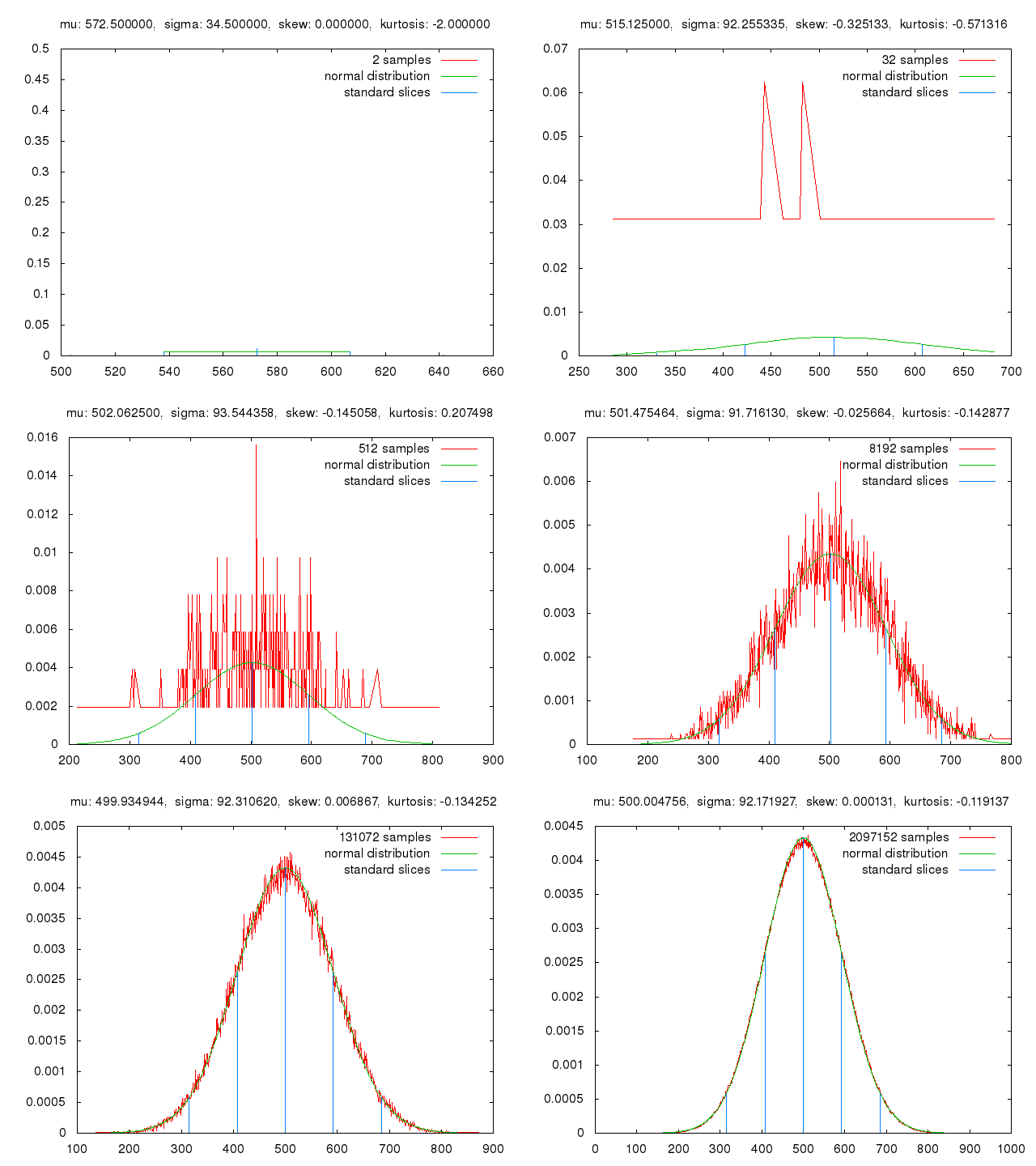
Forecasting with Monte Carlo Simulation
A Monte Carlo simulation forecasts outcomes by running thousands of 'what if' scenarios with random inputs. Use it to model complex systems like user growth with variable conversion rates.
Survival Analysis: Predicting When, Not Just If
Survival analysis predicts *when* an event like user churn will happen, not just *if*. It's used to model customer lifetime or hardware failure rates. The key mistake is using simple averages, which are skewed by users who haven't churned yet (censored data).
Entitlements: Use Feature Flags for Permanent Access Control
Entitlements use permanent feature flags to control long-term access, like a bouncer for your app's VIP section. This is how you manage premium tiers or special user permissions, ensuring the right customers always see the right features.

The Hybrid GTM Model: PLG Meets Enterprise Sales
A hybrid go-to-market model blends a self-serve product with a sales team, letting users start on their own and bringing in sales for big deals. B2B SaaS uses this for efficiency, but the footgun is creating friction if the handoff isn't seamless.
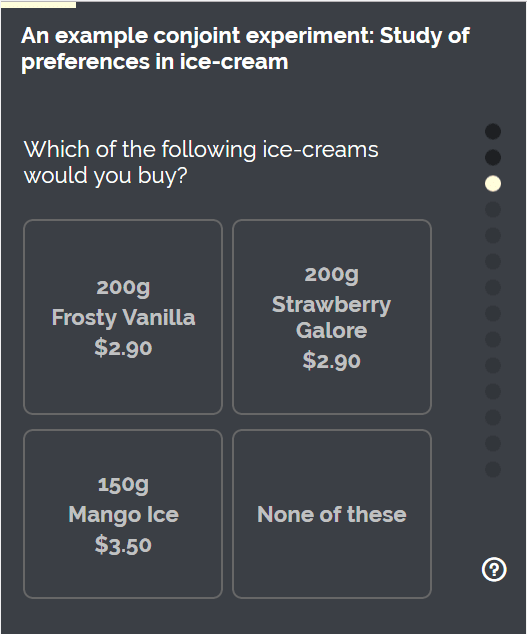
Conjoint Analysis: What Features Do Users *Really* Value?
Stop asking users what they want; make them choose. Conjoint analysis reveals true priorities by forcing trade-offs between product features, like price vs. battery life. It's used for pricing and roadmapping.
Price Elasticity: How Price Changes Affect Demand
Price elasticity measures how sensitive sales are to price changes. An elasticity of -2 means a 1% price increase causes a 2% drop in quantity sold. It's key for forecasting revenue from price tests, but the biggest footgun is assuming this ratio is constant.
Value-Based Pricing: Charge for Impact, Not Cost
Value-based pricing anchors your price to the customer's perceived benefit, not your production costs. It's used for unique goods like art or software where value is high. The main footgun is assuming value instead of researching customer willingness to pay.
Customer Health Score: A Predictive Churn Signal
A Customer Health Score is like a credit score for customer loyalty, predicting churn risk. SaaS companies use it to focus retention efforts on at-risk accounts before they cancel. The footgun is using vanity metrics like logins over true value signals.
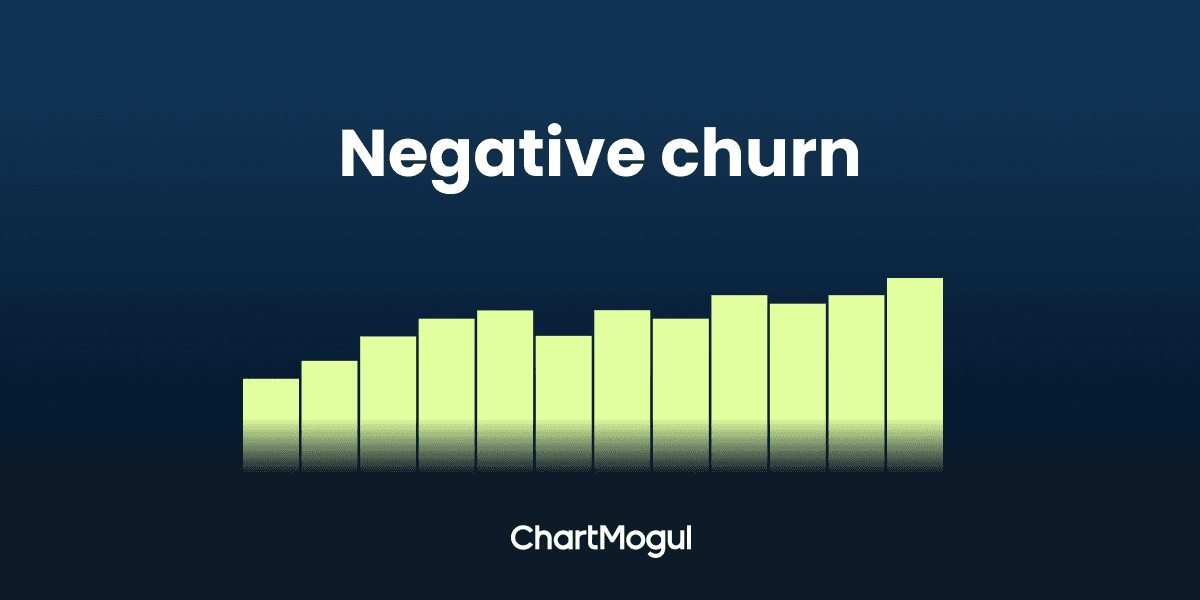
Negative Churn: When Losing Customers Still Means Growth
Negative churn means existing customers upgrade faster than others leave, growing your revenue even if you lose logos. It's a key SaaS metric for variable pricing models. The footgun: you can have negative revenue churn while still losing many customers.
Onboarding Gamification: Guiding Users with Game Mechanics
Onboarding gamification uses game-like elements to guide new users through key actions, turning a checklist into a challenge. It's used to boost activation by making initial setup feel rewarding, like earning a badge for completing your profile.

Personalized Onboarding: One Size Fits None
Personalized onboarding guides users based on their role or goal, not a generic script. It's key for apps with diverse user types, showing marketers and engineers different paths to value. The footgun is a one-size-fits-all tour that buries their "aha!"
Contextual Onboarding: Just-in-Time User Guidance
Contextual onboarding delivers guidance exactly when a user needs it, triggered by their actions. It introduces core features step-by-step as users explore, preventing overwhelm.
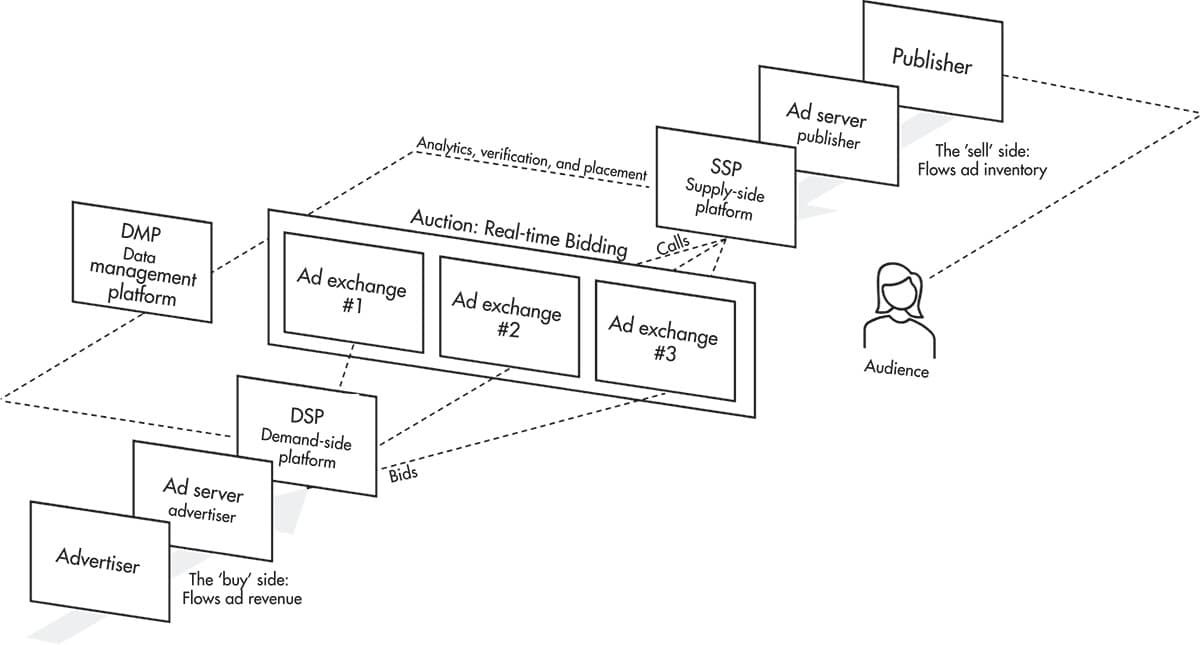
Real-Time Bidding (RTB): An Instant Auction for Every Ad
RTB treats every ad slot like a stock trade. The moment a page loads, an auction runs in milliseconds for advertisers to bid on showing their ad to you. It's how hyper-targeted ads appear instantly across different websites.
Lookalike Audiences: Find More of Your Best Customers
Lookalike audiences find new customers by algorithmically modeling your best existing ones. Ad platforms like Facebook use your "seed" list of high-value users to find a much larger group of statistically similar people to target with ads.
Demand-Side Platform (DSP): Your Ad-Buying Robot
A DSP is an automated bidding system for advertisers, like a stock trading bot but for ad space. It lets them buy impressions across many publisher sites from one interface, targeting users in real-time auctions.
Programmatic Advertising: A Stock Exchange for Ads
Think of programmatic advertising as a stock exchange for ad impressions. It automates buying ad space via real-time auctions, letting you target specific users across the web. The main footgun is paying for fraudulent bot traffic or appearing on unsafe sites.
Bonferroni Correction: Raising the Bar for Significance
The Bonferroni correction prevents finding false positives when running many tests by making your significance threshold stricter for each one. It's used in A/B tests with multiple variants.
Minimum Detectable Effect: How Small a Change Can You See?
Minimum Detectable Effect (MDE) is the smallest change your A/B test can reliably see. You calculate it *before* a test to determine the sample size needed.
The Endowment Effect: We Overvalue What We Already Own
We irrationally value things more simply because we own them. This appears in free trials that create a sense of ownership, making users less likely to cancel. The footgun is assuming users judge value objectively; they don't, and will resist switching.

The IKEA Effect: Why We Overvalue What We Build
The IKEA effect is our tendency to overvalue things we help build. It's used in products that let users customize profiles or dashboards, increasing their investment. The footgun: if the task is too hard or fails, users feel incompetent and abandon it.
We are hiring for this. Every open role lists the topics its interview covers, so you can prepare for the real thing rather than guessing.
See open roles