Advanced everything in Product Management, page 3

How would you design architecture to sidestep a competitor's proprietary dataset?
Tests architecture without data moats. Strong answers pick asymmetric plays like real-time loops, federated learning, or synthetic pipelines and link them to defensible design. Red flag: buying or copying the dataset.
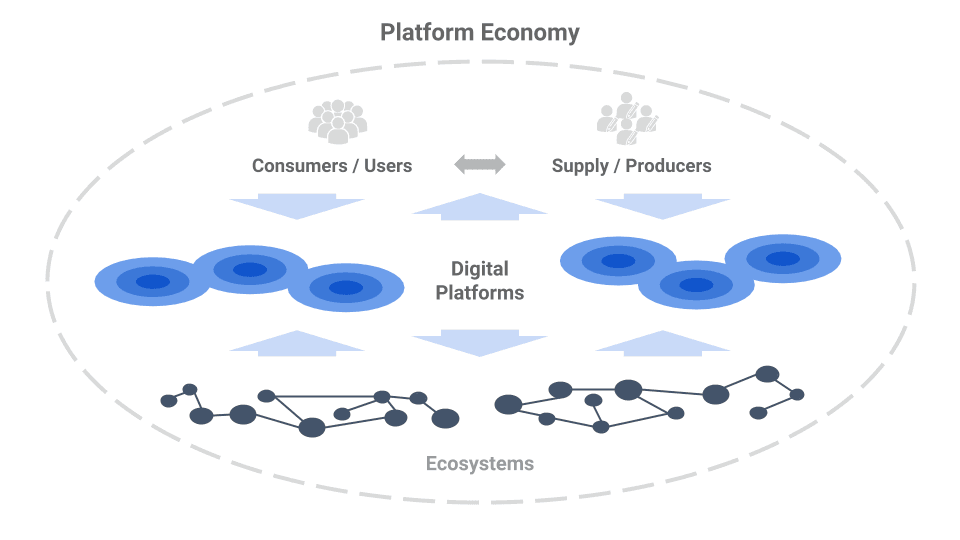
Propose a platform strategy to beat competitor feature velocity
Tests trading feature parity for architectural leverage. Strong answers frame the platform as an intermediary enabling interactions and innovation via self-service APIs, composable primitives, and data loops. Red flag: a shared library creating bottlenecks.

How would you architect a system for rapid experimentation and validation?
Tests designing decoupled experimentation infrastructure that scales past 1M users. Strong answers split assignment, flags, metrics, and analysis into independent event-driven services with change data capture isolating production.
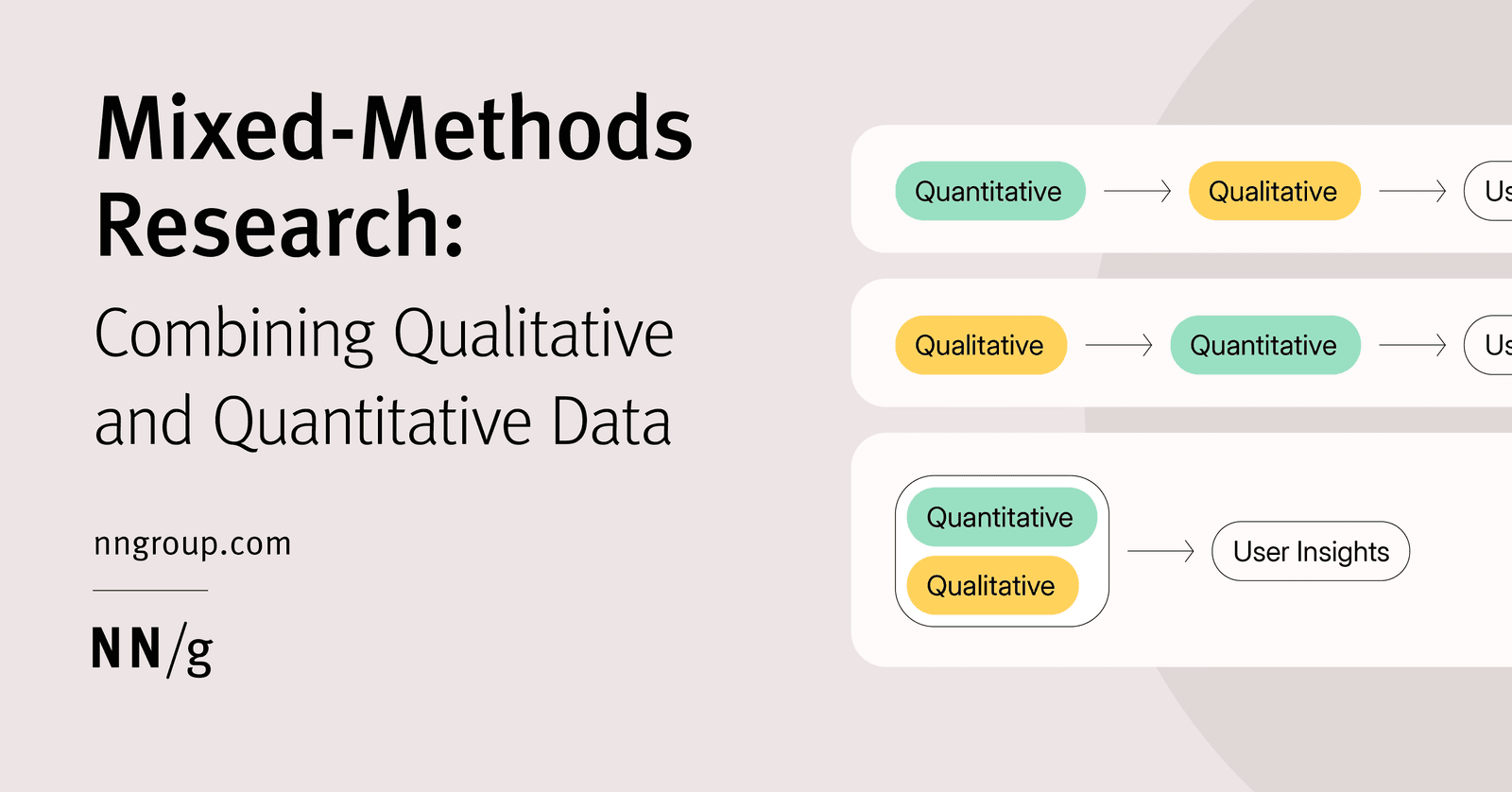
Design a follow-up experiment to resolve conflicting qualitative and quantitative data
This tests mixed-methods integration. Strong answers sequence experiments: observe users in the low-engagement flow for friction, then run a higher-fidelity quantitative test with behavioral metrics tied to stated intent.

How do you frame monolith vs microservices trade-offs under market uncertainty?
Connecting architecture to business strategy under uncertainty. Strong answers say monoliths offer cheap optionality when markets are unknown, but winner-take-all makes speed existential; microservices are a post-PMF scaling tax.

Critique the statement that product strategy should be fixed for two years
It tests adaptive strategy versus rigid roadmaps. A great answer notes short-term architecture stability, then details systemic risks: feature factories, wasted talent, telemetry blindness, and lock-in.

How would you validate strategic assumptions through shipped software?
Tests whether you embed validation into engineering delivery rather than treating it as pre-work. Strong answers cover assumption mapping, instrumented MVPs, tiered rollouts, kill criteria, and product-engineering feedback loops.

How do you assess architecture impact during a corporate pivot?
Tests business-technical alignment under strategic uncertainty. Strong answers map new outcomes to capability gaps, assess debt and migration cost, then co-own replanning with product. Red flag: proposing a full rewrite before understanding limits or ROI.

Compare server-side and client-side experimentation architectures
This tests rendering-layer architecture. A strong answer contrasts server-side zero-flicker and algorithm tests against client-side marketer agility and SEO safety, mapping each to release cycles. A red flag is claiming one approach dominates every dimension.
How do you mitigate peeking in experiment infrastructure?
Lock results behind minimum samples; auto-correct via sequential testing; hide early metrics and require stop approval.

Design a pre-aggregation architecture for low-latency experiment results
Tests OLAP-at-scale trade-offs. Strong answers design streaming rollups into a real-time OLAP store, use partial cubes for high-cardinality dimensions, and retain raw events.

Design a system to reduce large client-side experiment payload size
Tests edge evaluation and payload compression. Use server-side pre-evaluation or edge nodes sending only assigned variants; compact bucketing indexes or Bloom filters; lazy-load noncritical experiments. Never do full client-side evaluation of every flag rule.
Describe a strategy for reconciling different forecasts into one robust prediction
Tests synthesis of heterogeneous models into a consensus forecast. Strong answers diagnose divergence drivers first, then weight by track record or uncertainty, and output a distribution. Red flag: blind averaging without understanding why models disagree.

How would you adapt a growth model for network effects and k-factor?
Define K as invites x conversion; K over 1.0 explodes, yet K over 0.7 with fast cycle time still compounds; anchor at peak delight.

What data pipelines and infrastructure feed a viral user acquisition model?
Tests causal attribution architecture. Great answers cover invite instrumentation with identity resolution, streaming pipelines that split organic and viral signups, and feature stores for network-state features.

Architect real-time usage-based billing for a PLG company
This tests event-driven metering, idempotent aggregation, and pricing decoupling at scale. A strong answer outlines real-time ingestion, stream processing for micro-events, a rules-based pricing engine, and dashboards with reconciliation.

Design a multivariate experimentation platform with collision-free concurrent bucketing and cross-device consistency
Tests orthogonal layers and cross-session assignment persistence. Cover: deterministic hashing per layer, a user profile service for sticky bucketing, and stable ID resolution across devices. Red flag: random bucketing or local storage breaking consistency.
How would you design international monetization with multi-currency and tax?
Localized pricing, jurisdictional tax, gateway routing, async reconciliation.
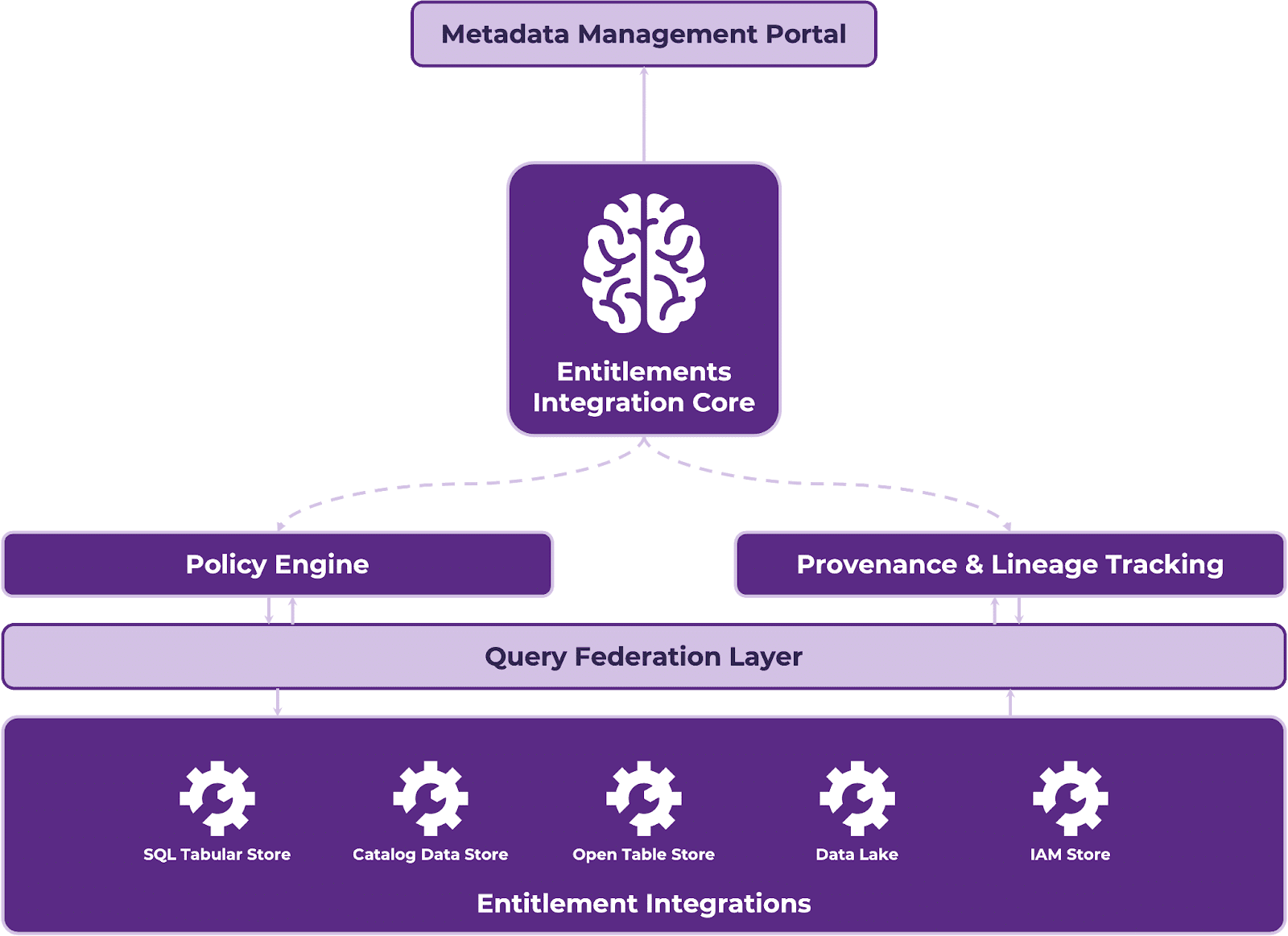
Design a highly available entitlements service with caching
This tests balancing read performance with consistency in access control. A strong answer proposes tiered caching with proactive invalidation, read-optimized hot paths, and event-sourced temporary grants.

Design a real-time personalized notification trigger system
Stream events to a delayed queue, expose a rule UI to non-technical users, and deliver idempotently.
We are hiring for this. Every open role lists the topics its interview covers, so you can prepare for the real thing rather than guessing.
See open roles