More in Product Management — page 54
Communities of Practice: Scaling Knowledge Across Teams
A Community of Practice is a cross-team guild for a specific skill, like 'frontend' or 'testing'. It's how large orgs prevent knowledge silos, standardize tooling, and mentor juniors. The footgun: they fail without dedicated time and a clear charter.
Nexus Integration Team: Air Traffic Control for Scrum
The Nexus Integration Team is like air traffic control for multiple Scrum teams, guiding them to a single, integrated product. It's used in the Nexus framework to coordinate 3-9 teams on one product, resolving cross-team dependencies and integration failures.
Nexus Framework: Scaling Scrum Without Breaking It
Nexus is a lightweight wrapper for 3-9 Scrum teams working on one product. It adds a coordinating Nexus Integration Team and shared events to manage dependencies and deliver a single, integrated increment each sprint.
Right-Shifting Forecasts: Why Your Deadlines Keep Moving
A forecast is like a GPS ETA in traffic; new tasks are like accidents ahead, pushing your arrival time further out. This happens when initial estimates are treated as fixed deadlines, ignoring new scope. The footgun is anchoring on the first date given.
Flow Efficiency: Are You Working or Waiting?
Flow efficiency measures the ratio of active work time to total lead time, revealing how much time tasks spend just waiting. Use it to diagnose why features take so long to ship. The biggest footgun is optimizing work speed when most delays hide in queues.
Classes of Service: Prioritize Work Beyond 'First In, First Out'
Classes of Service are policies that prioritize work by its business impact, not just arrival time. When a bug, a deadline, and normal work compete, CoS tells you which to pull first.
Throughput: Measuring What Gets Done
Throughput measures how many work items a team *finishes* in a time period, not how busy they are. It's used for forecasting future work and spotting bottlenecks. The footgun: never compare throughput between different teams, as item sizes and context vary.
Hypothesis-Driven Development: Stop Guessing, Start Learning
Hypothesis-Driven Development treats new features as experiments, not foregone conclusions. It's used to de-risk major changes by first testing the core assumption with a minimal product. The biggest footgun is writing vague, untestable hypotheses.
Five Whys: From Symptom to Root Cause
The Five Whys is a root cause analysis technique that traces a problem to its origin by asking 'Why?' repeatedly. It's used in post-mortems to find the underlying process failure, not just the surface-level symptom. The footgun is stopping at human error.
Agile Facilitation: Guiding Teams to Outcomes
An Agile Facilitator is a neutral guide, designing the *process* for a team to reach its own conclusions, not just running the meeting. They are crucial for sprint planning, retrospectives, and conflict resolution.
Evidence-Based Management (EBM): Measure Value, Not Just Velocity
Evidence-Based Management (EBM) is like a fitness tracker for your organization, using data to guide decisions instead of gut feel. It helps you measure progress toward goals and improve outcomes.
The Kano Model: Not All Features Are Created Equal
The Kano Model classifies features by their impact on user satisfaction, separating "must-haves" from "delighters." Use it in product planning to prioritize impactful work. The footgun is misclassifying a novelty as a core need, starving basic functionality.
Product Vision: The Why Behind Your What
A product vision is your team's North Star—an aspirational goal answering 'Why are we building this?' It guides the roadmap and aligns stakeholders by describing the future you're creating, ensuring everyone pulls in the same direction.
Scrum Master Stances: A Situational Toolkit
A Scrum Master isn't just a meeting facilitator. They're a situational leader who adopts different roles—teacher, coach, impediment remover—to serve the team. This toolkit helps them decide when to teach, when to coach, and when to clear a path for the team.
Shu-Ha-Ri: A Model for Mastery
Shu-Ha-Ri is a model for mastery: first follow the rules (Shu), then break them (Ha), and finally make your own (Ri). It's used to guide agile adoption, starting with strict adherence before innovating.

Objection Handling: Turning Customer 'No's into Trust
Objection handling turns customer feedback into trust, even when you say 'no.' Instead of just rejecting a feature request, you explain the 'why' behind your roadmap.

Influence Without Authority: Earn Your Influence Capital
Influence isn't rank; it's 'influence capital' you earn. Product managers use this to lead teams they don't manage by building expertise, strong relationships, and compelling data. The footgun is trying to make big asks before you've made these deposits.

Platform Governance: Enabling Scale Without Chaos
Platform governance provides guardrails for internal tools, letting teams build safely and quickly. It's crucial when a platform's growth creates security risks or duplicated effort. The footgun is reactive governance—only making rules after an incident.
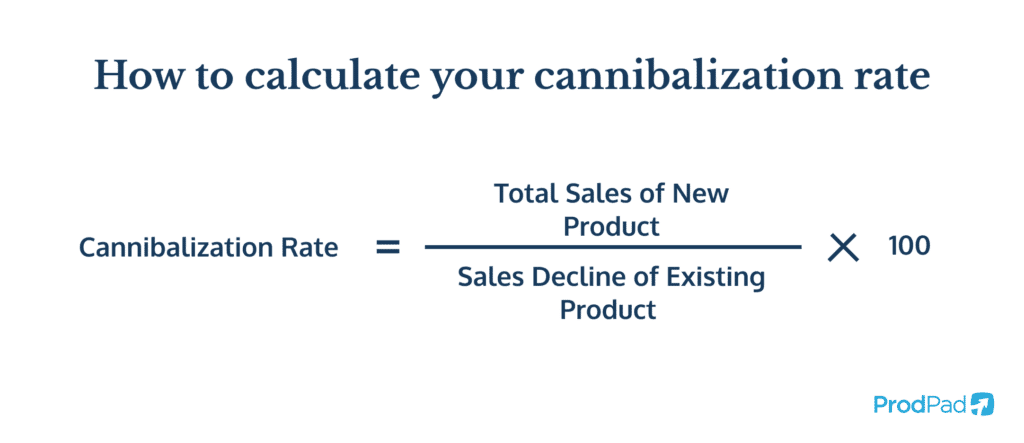
Product Cannibalization: Eat Your Own Lunch
Product cannibalization means competing with yourself before someone else does. Apple famously did this with the iPhone, knowing it would kill the iPod. The footgun is accidentally shrinking your total market share instead of growing it with new offerings.
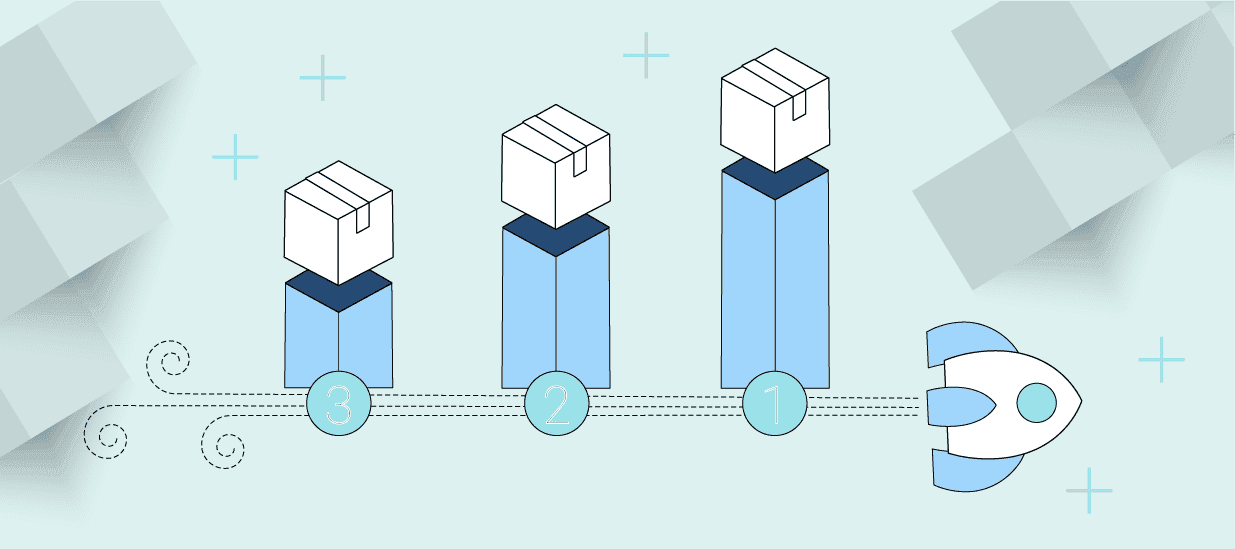
Product Launch Tiers: Right-Sizing Your Go-to-Market
Product launch tiers match marketing effort to business impact. Instead of a one-size-fits-all approach, you classify releases to allocate resources rationally, preventing burnout on minor updates while focusing big efforts on major products.