Intermediate interview questions in UX Research, page 2
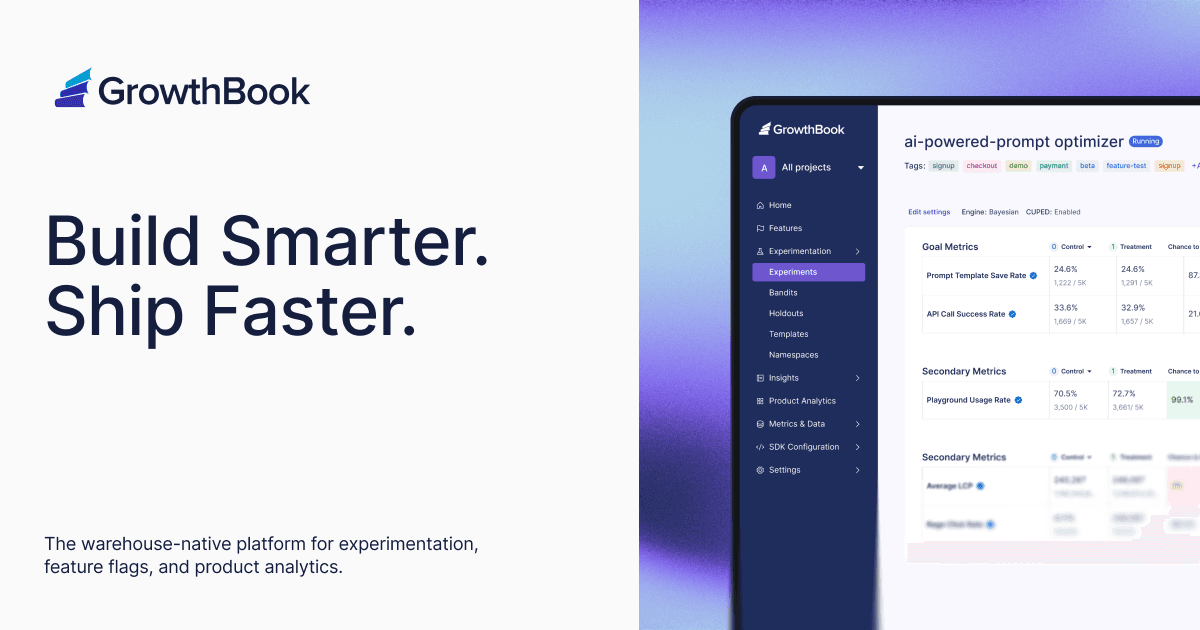
How would you design an experiment measuring API latency impact on retention?
Randomize users into control and delay groups; track D7 retention and P99 latency; analyze with quantile metrics.
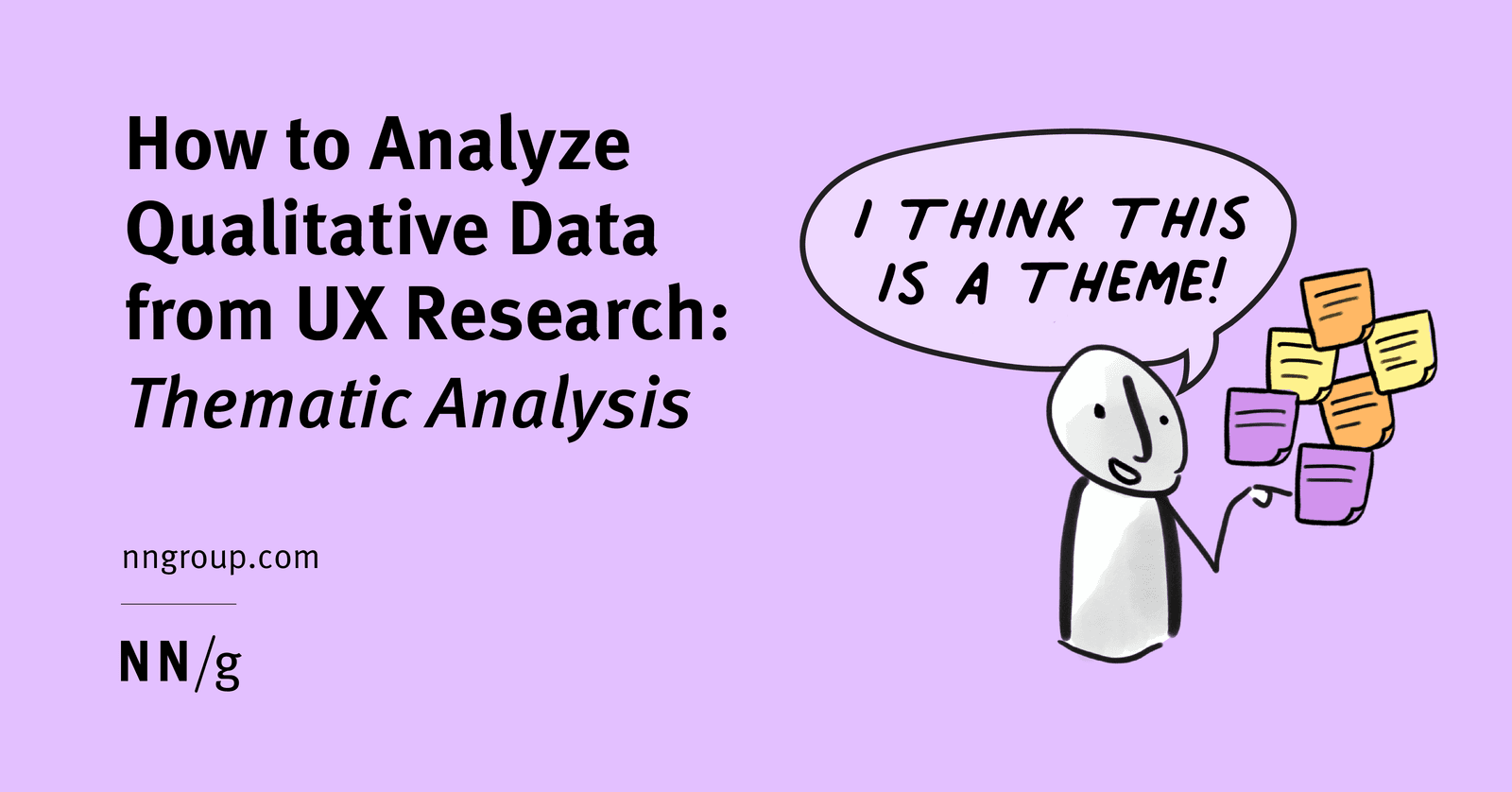
How do you synthesize low-level codes into high-level themes?
Tests systematic thematic analysis. Strong answers cover tagging observations with codes, grouping related findings into themes that emerge across participants, and choosing methods like affinity diagramming based on context.

What is your process for reconciling significant coding differences?
This tests intercoder reliability and systematic reconciliation. Quantify divergence via agreement metrics; convene to refine codebook definitions and edge-case rules; re-code a sample to verify alignment. Red flag: treating coding as pure subjective opinion.
How do you determine when you've reached thematic saturation?
This tests operationalizing saturation beyond gut feel. A strong answer cites Guest et al.'s Base Size, Run Length, and New Information Threshold, and flags consecutive interviews adding no new high-level themes.
How do you handle a powerful emergent theme outside original research questions?
Validate recurrence and density, weigh timeline and goals, then document separately, expand formally, or park.
Confidence intervals versus p-values, explained simply
Define a CI as a plausible range for the true effect with its precision, contrast it with a binary p-value, and read [-1%, 7%] as inconclusive because it spans zero.
How many users do we need to survey?
Tests pragmatism over guesswork. A strong answer asks if this is a census or sample, population size, whether stratified or multi-group designs apply, and cost, time, and power constraints. Red flag: blurting a number without probing scope, design, or budget.

What is the multiple comparisons problem in UX research?
This tests whether you know running many tests inflates false positives. Strong answers define family-wise error, give a UX example like comparing twenty metrics in one A/B test, and name a correction like Bonferroni.
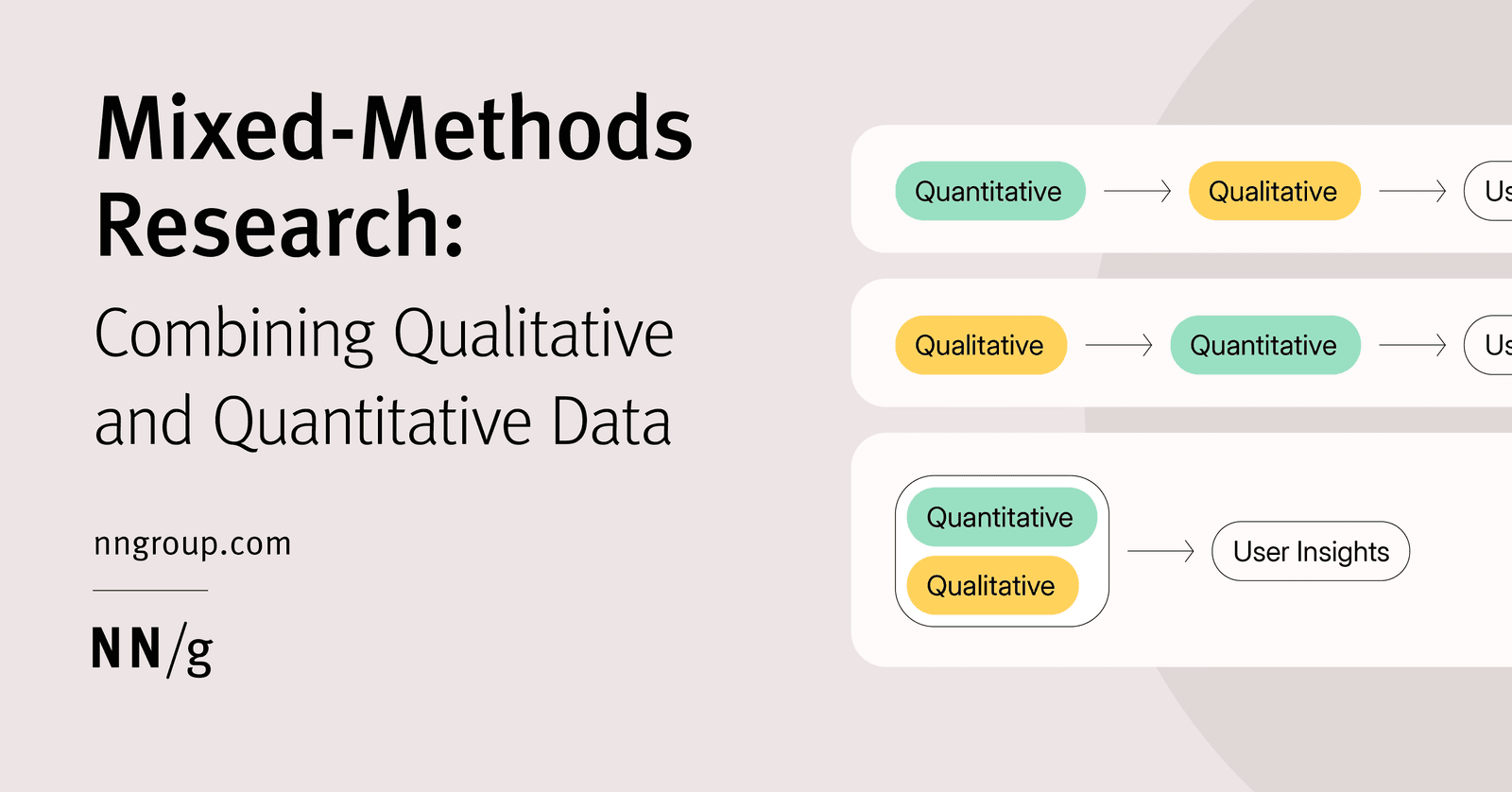
How do you reconcile conflicting qualitative stories with quantitative data?
Integrating mixed-methods without picking sides. A strong answer triangulates definitions, scope, and timing; uses qualitative context to explain outliers; and treats conflict as a signal to dig deeper.

How would you architect a centralized research repository for heterogeneous data types?
Tests designing systems that unify unstructured UX artifacts into a queryable graph. Cover: ingestion with transcription, a metadata schema linking insights to evidence, and faceted cross-type search. Red flag: a flat file dump without structured tagging.
How would you architect a unified quantitative and qualitative user experience view?
This tests intentional mixed-methods integration. A strong answer covers: shared research questions and user IDs; using quant struggles to guide qual interviews; linking datasets by session.
Generative versus evaluative research in sprints
Generative explores problems before building and feeds requirements; evaluative tests solutions during and after build and feeds fixes.

How do you translate field-study findings into user stories and acceptance criteria?
Tests turning qualitative findings into engineer-ready backlog items. Strong answers: synthesize personas from observations, map pain points to epics, break into As-I-want-so-that stories with acceptance criteria, and co-create with engineers.
What research validates a three-sprint feature without delaying engineering?
One week of interviews and prototype tests, with concept testing while engineering spikes.

How would you prioritize a live usability fix during a full sprint?
Cross-functional negotiation and prioritization under fixed capacity. Present failure-rate or ticket data, map the fix on an impact-effort matrix, and jointly swap a low-impact sprint item or schedule a hotfix.
Fix keyboard trap in a custom modal dialog
Tests accessible modal focus management. Strong answers: role="dialog" and aria-modal="true", move focus on open, trap Tab/Shift+Tab cycles inside, Escape to close, return focus to trigger. Red flag: CSS-only fixes or aria-hidden without JS focus control.

What instrumentation would you add to validate the user's 'job'?
This tests whether you instrument for intent and struggle, not vanity metrics. Strong answers log pre-export context, abandonment flows, post-export file usage, and workaround signals.

How would you mitigate latency in a low-bandwidth remote usability study?
Tests planning for 2-5Mbps rural 3G research constraints. Strong answers cover: lightweight prototypes with compressed assets; 3G-throttled environments plus backup comms; data-cost compensation. Red flag: heavy screen-share tools without offline fallbacks.

How would you quantify a critical UX issue to justify architectural work?
Tests translating UX findings into business metrics to prioritize engineering. Strong answers pair task-success rates with financial impact, benchmark against industry baselines, and frame the fix as risk mitigation.
Design a centralized research repository for discoverable, actionable insights
Tests knowledge-management system design and metadata taxonomy. Strong answers separate raw artifacts, insights, and reports; build faceted search; and integrate with engineering workflows.
We are hiring for this. Every open role lists the topics its interview covers, so you can prepare for the real thing rather than guessing.
See open roles