Advanced everything in UX Research, page 2

Design a centralized participant management system to prevent over-contacting
Tests ResearchOps governance at scale. Strong answers define unified data tracking contact history, consent, and segments; enforce hard frequency caps and cooling-off windows; and build automated guardrails. Red flag: siloed spreadsheets or soft guidelines.

Design a system integrating analytics data with participant recruiting
Tests system design for behavioral targeting in research ops. A strong answer covers: a warehouse-to-tool pipeline; consent and privacy gates; behavioral SQL segmentation; and frequency capping. Red flag: skipping GDPR and consent to focus only on data joins.

Outline a technical roadmap for an internal research participant panel
Tests systems design for research ops. Strong answers: CRM-synced opt-in, canonical data model with eligibility rules, communication orchestration, and incentive automation.
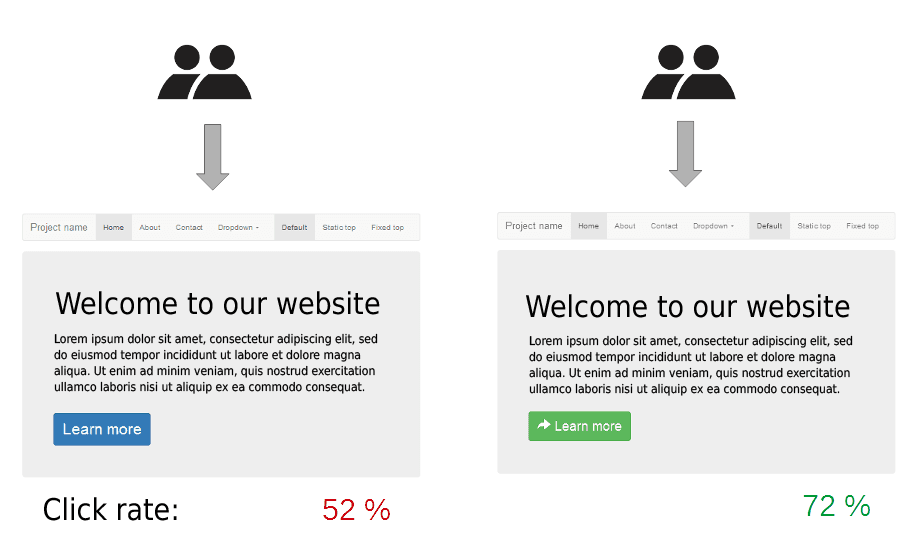
How would you structure a backend architecture A/B test and define metrics?
This tests causal inference rigor for infrastructure changes. A strong answer covers sticky user routing, controlling for geography and time, and paired primary metrics like P99 latency and error rate.
Design a one-week lean research plan for a high-risk decision
This tests trading rigor for speed without losing decision signal. A strong answer matches the riskiest assumption to a fast method, sequences generative and validation across five days, and defends bias.

Propose an automated de-identification pipeline for video interview recordings
Propose CV redaction, ASR/NLP for names, human QA, and consent tracking; note model bias and re-ID risk.
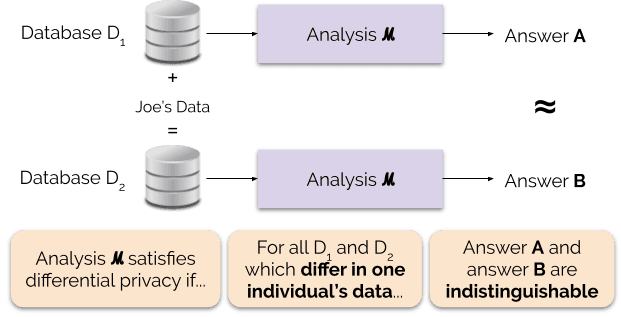
Apply differential privacy to user behavior queries and explain epsilon trade-offs
Mastery of formal privacy guarantees and noise-based query systems. Inject Laplace or Gaussian noise scaled to query sensitivity; track cumulative epsilon across queries; lower epsilon tightens privacy but increases variance and error bars.
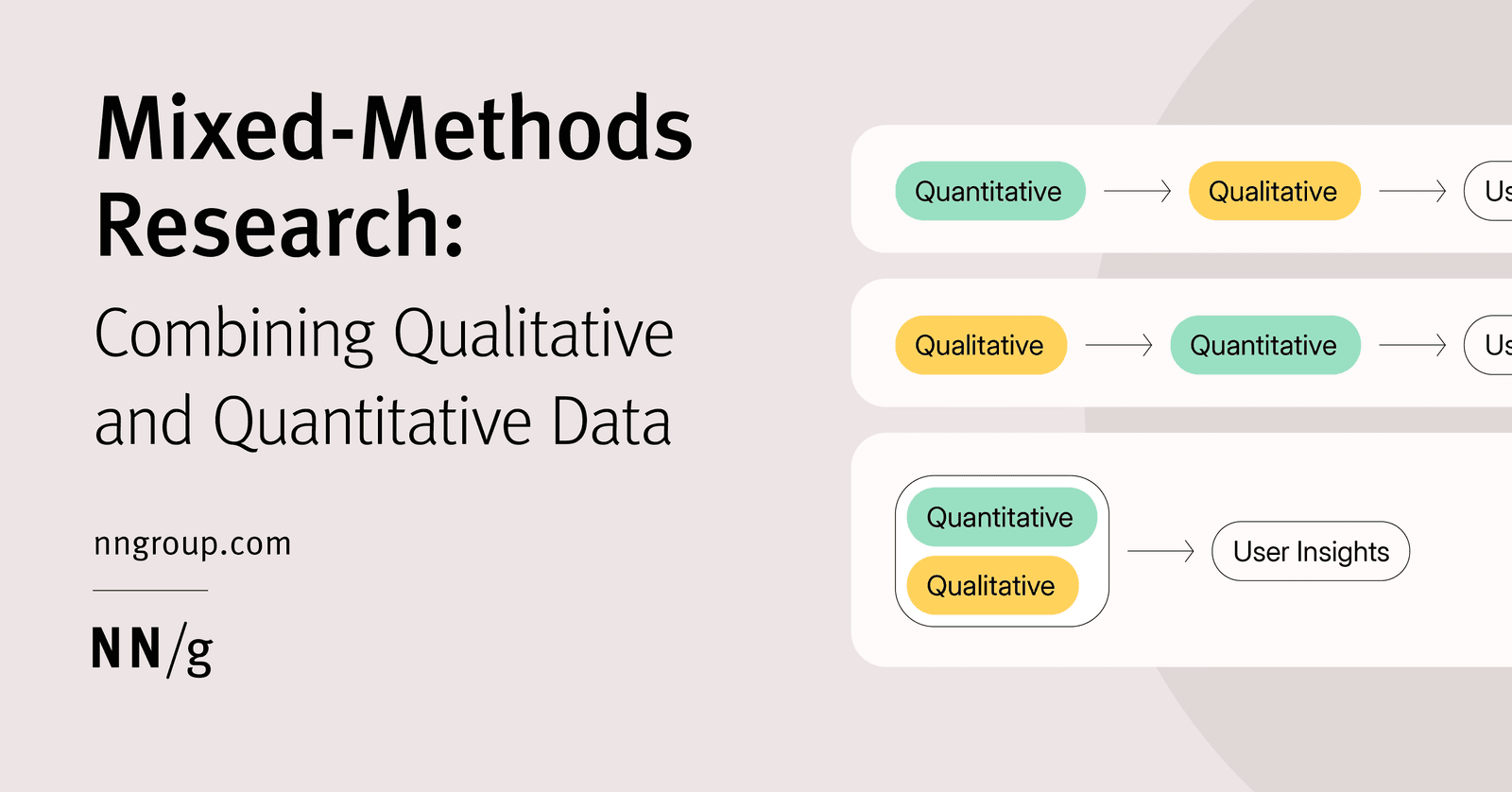
How would you instrument a feature to validate qualitative findings quantitatively?
Mapping themes to events, picking guardrail and success metrics, and sampling.
Describe a lightweight research method to validate a feature with no researcher
What it tests: bootstrapping validation without research headcount. Answer outline: unmoderated concept tests or concierge MVPs; behavioral vs attitudinal data; lightweight recruiting. Red flag: shipping A/B tests or using only internal opinions.

Cross-Study Synthesis: The Missing First Step
Research synthesis is the literature review academia requires but industry skips, forcing teams to rediscover what the organization already knows. Use it before primary research when entering new markets or distilling scattered knowledge.

Executive-Level UX Research Communication
Executives fund outcomes, not observations. Frame research by business risk and revenue, not methods. This applies when you need budget or strategic alignment. The footgun is drowning leaders in process details that bury recommendations and stall action.
Q-Methodology: Mapping Subjective Viewpoints
Q-methodology treats a person's viewpoint as the data. Clinicians track patient progress over time with it; researchers map how people think about a topic. The footgun is treating its findings as objective truth rather than captured subjectivity.
Facial Expression Analysis in UX
Facial expression analysis captures subjective reactions during interaction for UX assessment. Researchers select it for targeted domains to uncover dynamic perceptions. The footgun is using it without matching the method to the study's constructs and context.

GSR: Tracking Emotional Arousal Through Skin Conductivity
GSR reads unconscious arousal via skin conductivity you cannot control. UX teams use it to surface stress during usability tests users underreport. It measures intensity, not valence, so a spike alone cannot distinguish delight from frustration.
Experience Sampling: In-the-Moment User Reality
ESM captures in-the-moment states before memory distorts them. Use it when you need longitudinal data on behavior fluctuations, not just recalled summaries. The footgun is delay: even brief lag lets participants reconstruct instead of reporting experience.
Localization Testing Validates Regional Adaptation
Localization testing verifies that regional adaptation accounts for differences in distinct markets. It validates the second phase of internationalization and localization, catching the assumption that translation alone is enough.
RITE Method: Rapid Iterative Testing and Evaluation
RITE treats usability as a rapid feedback loop: test, evaluate, iterate. Championed in Microsoft game development, it suits teams shipping interactive products fast.

ResearchOps Maturity Matrix: Built for Operations
UX maturity scores insights; ResearchOps maturity scores the factory producing them. Use it to audit governance, participant pipelines, and tooling strategy. The mistake is judging research quality instead of operational infrastructure.

Research Democratization: Scale Without Diluting Quality
Research democratization is controlled expansion, not chaos. Non-researchers run simple interviews while pros own complex design. It helps teams move fast when researchers are scarce, but the footgun is untrained staff picking methods or running quant studies.
Effect Size: How Large Is the Difference?
Effect size measures how much a phenomenon actually matters, not just whether it exists. In UX research, it quantifies the real-world impact of a design change beyond hypothesis testing. Ignoring it leads to chasing tiny, meaningless wins.
We are hiring for this. Every open role lists the topics its interview covers, so you can prepare for the real thing rather than guessing.
See open roles