All bites
The whole library, newest first. Filter by what you are here for, or pick a topic if you already know.
8664 bites
Page 50
Decide between cutting a feature versus taking technical debt for a deadline
Quantify business risk of both paths, secure buy-in, and lock a time-boxed post-launch remediation plan.

Outcome-Based Roadmaps: Solve Problems, Not Ship Features
An outcome-based roadmap frames work around problems to solve, not a checklist of features to build. It gives teams autonomy to find the best solution for goals like increasing user engagement or improving conversion.

Use Cost of Delay to decide which project to start first
Tests if you quantify economic burn rate of sequencing, not raw ROI. Calculate CoD by dividing monthly value by duration: Project B is $5k/mo, Project A is $2.5k/mo, so start B first. Red flag: static NPV or "quick win" logic without computing delay cost.
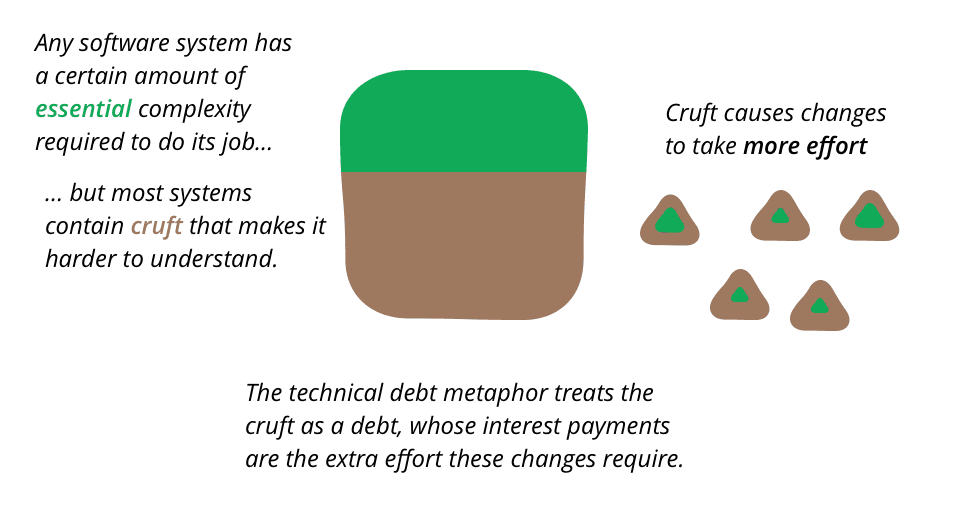
How do you justify API refactoring over new features to stakeholders?
Tests turning technical drag into business cost. Frame cruft as interest on velocity; quantify incident cost, MTTR, and lead time; advocate incremental cleanup with product work. Avoid demanding a six-month rewrite without product tie-in.
Roadmap Capacity Planning: Ideal vs. Reality
Capacity planning isn't about your team's ideal output (design capacity), but their actual output (effective capacity) after accounting for meetings, bugs, and on-call. Use it to build realistic roadmaps.
How does a fixed marketing launch date change your development approach?
Acknowledge the business case, fix time and flex scope via Iron Triangle, front-load risk.
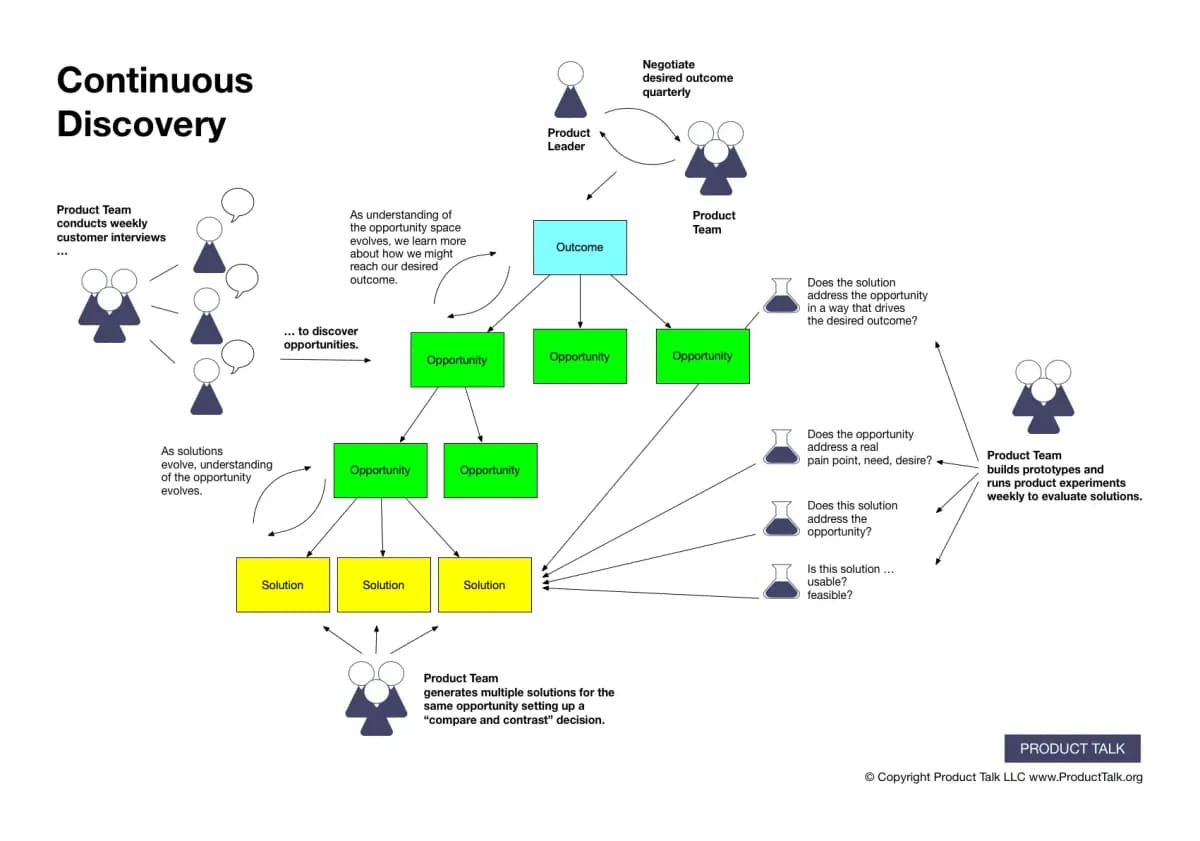
Continuous Discovery: Talk to Users Weekly, Not Yearly
Continuous discovery means small, weekly chats with customers, not a big upfront research phase. It's for teams building products that are never 'done,' like Netflix or your SaaS app. The footgun is treating discovery as a project, leading to stale insights.

How do you technically implement an A/B test for onboarding flows?
Tests experiment pipeline design: deterministic user bucketing, an exposure event before rendering, and an event schema linking actions to variant_id. Red flag: re-randomizing per session or skipping exposure logs.

Roadmap Commitment Levels: Now, Next, Later
Agile roadmaps replace fixed timelines with commitment levels: 'Now' (in progress), 'Next' (planned), and 'Later' (potential ideas). This structure communicates decreasing certainty, allowing teams to adapt without breaking promises.
.avif&w=1600&q=75)
What pre-launch tools prevent support ticket escalations to engineering?
Tests proactive operational design versus reactive firefighting. Great answers include real-time health dashboards, automated ticket triage with user context, self-service runbooks, and escalation guardrails with pre-populated logs.
The Eisenhower Matrix: Urgent vs. Important
The Eisenhower Matrix sorts tasks by urgency and importance, not just deadlines. Use it for daily or weekly planning to focus on what truly moves the needle. The biggest footgun is letting 'urgent but not important' tasks dictate your day.
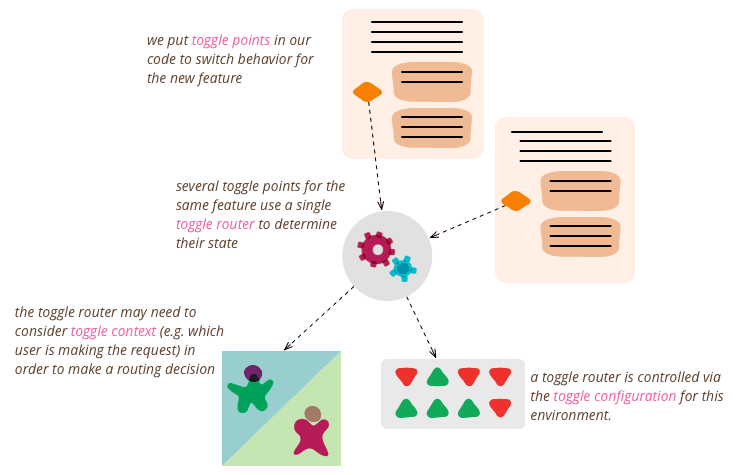
Describe an architecture that decouples business launch from code deployment
This tests feature-flag architecture separating deployment from release. Strong answers cover toggle categories and decision decoupling. They need lifecycle management to limit carrying cost. Red flag: treating flags as permanent or ignoring toggle debt.
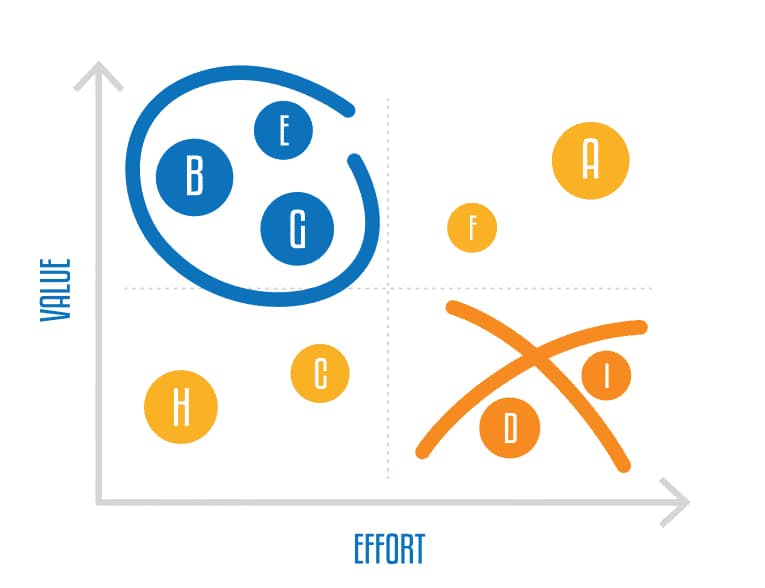
Value vs. Effort Matrix: Prioritize What to Build Next
A Value vs. Effort matrix is a 2x2 grid for deciding what to build, plotting features by their potential value against implementation complexity. Product teams use it to prioritize roadmaps and justify resource allocation.

Architect a 14-day Pro trial with abuse prevention
Tests stateful billing lifecycle and anti-abuse tradeoffs. Strong answers cover: idempotent trial state machine with scheduled expiry; retention on downgrade; progressive friction via device intel and rate limits; and behavioral monitoring.
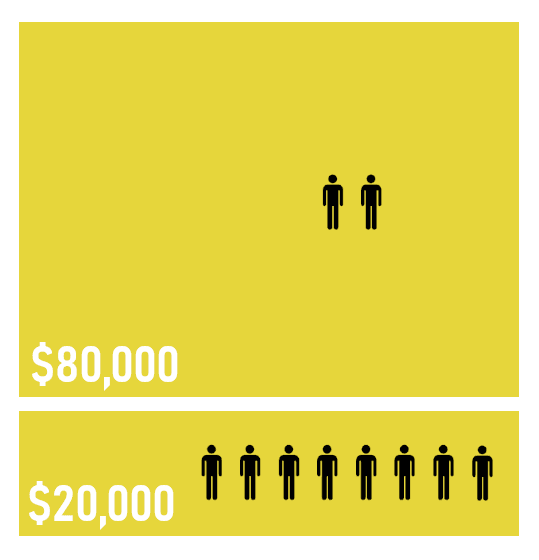
The 80/20 Rule: Find the Vital Few
The 80/20 rule states that most outcomes (80%) come from a few causes (20%). It's used to find high-impact work, like fixing the few bugs causing most crashes. The footgun is treating 80/20 as a precise law instead of a general heuristic.
Shared component library versus per-product builds
Shared libraries cut duplication and enforce consistency but add coupling, versioning, and a coordination tax; per-product code is fast but drifts.
Scope Creep: When 'Just One More Thing' Derails a Project
Scope creep is the uncontrolled growth of a project's requirements after it starts. It shows up as 'small tweaks' that balloon into major features, delaying schedules and increasing costs. The footgun is trying to prevent it entirely instead of managing it.
Platform team metrics versus product team metrics
Measure adoption, reliability SLOs, integration time, and self-service ratio over user engagement.
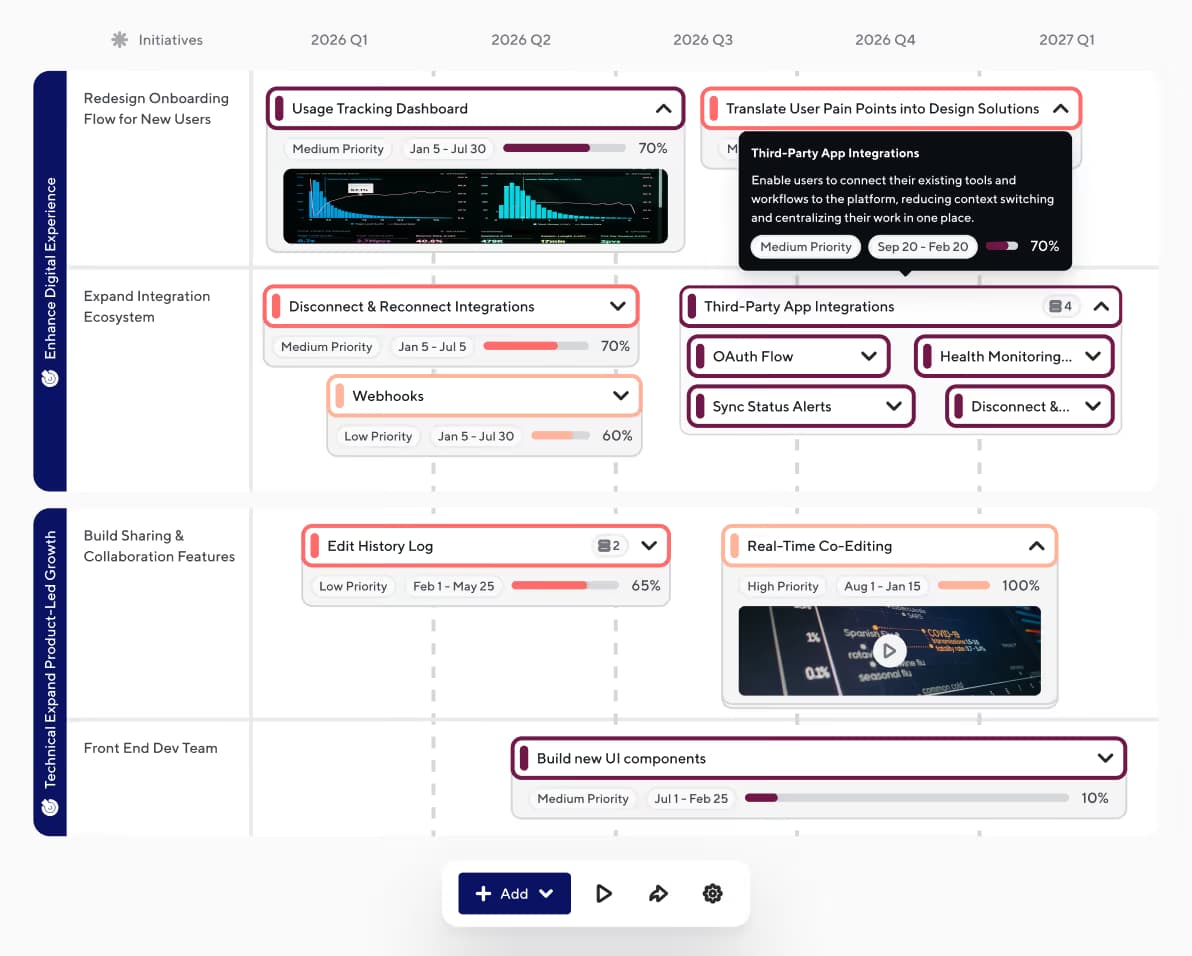
ICE Scoring: Prioritize Features with a Quick Gut Check
ICE scoring is a gut-check for prioritizing features by multiplying Impact, Confidence, and Ease. It helps teams rapidly sort experiments or backlog items. The main footgun is its bias towards easy wins, potentially ignoring high-effort strategic projects.
Design a cross-product feature flag strategy for coordinated release
This tests distributed coordination across service boundaries. A strong answer proposes a unified namespace, central config with local caches, and one user-scoped gate evaluated consistently in both products.