All bites
The whole library, newest first. Filter by what you are here for, or pick a topic if you already know.
8668 bites
Page 206

How would you frame technical debt for your manager's business case?
This tests translating debt into business risk and cost of delay. A strong answer quantifies velocity drag, proposes phased remediation via WSJF or capacity allocation, and offers roadmap trade-offs.

What is throughput and how does it differ from velocity?
Tests whether you know throughput is count-based and velocity estimate-based. Define throughput as items finished per sprint regardless of size, contrast velocity's point sum, pick throughput for forecasting and keep velocity for calibration.
How do you evolve a team from dependent to self-managing?
Tests situational leadership across Tuckman's stages. Answer: direct in Forming, facilitate conflict in Storming, observe in Norming, system-coach in Performing, and retire each stance as trust grows.
Velocity is fluctuating wildly. How would you coach the team?
Tests whether you treat velocity as a diagnostic, not a target. A strong answer checks story sizing, unplanned work, definition of done, and team stability before changing process. Red flag: demanding higher estimates or comparing teams to normalize velocity.

How would you advocate for decentralizing a deployment approval dependency?
Propose a pilot with guardrails; track lead time, defect rate, rollbacks; define escalation paths.
Manager wants to attend your Sprint Retrospective. Risk and response?
This tests your grasp of psychological safety in retrospectives. A strong answer cites the observer effect, proposes an alternative forum first, and sets ground rules if attendance is required.

What options exist when a story is too large for one sprint?
This tests vertical-slicing discipline versus architectural decomposition. A strong answer covers splitting by user value, checking INVEST criteria, and avoiding task-like layers. A red flag is proposing horizontal database or UI splits that defer feedback.
How should the team handle an oversized user story in Sprint Planning?
Split it vertically with the Product Owner, swarm the top slice, and renegotiate scope rather than overcommitting.
What structural impediments drive Zombie Scrum in agile transformations?
Spot project funding, component silos, absent real stakeholders, HR incentives that punish team autonomy, and a utilization culture killing improvement.

Quantify the cost of not addressing technical debt to a Product Owner
Model debt as velocity tax; forecast delays; map time to revenue; scope a slice.
How do you handle NFRs in the backlog and make them visible?
Write NFRs as measurable backlog items with acceptance criteria; embed in Definition of Done; decompose into tasks; automate validation.

How do blockers and impediments differ, and when do you escalate?
It tests whether you separate immediate task stops from chronic drag. Blockers are red-light stops for swarming; impediments are velocity drains surfaced in retrospectives and escalated with data.

How does an engineering manager's role change moving to agile autonomous teams?
Tests understanding of shifting from command-and-control to coaching and enabling teams. Strong answers cite three domains: team coaching, value investment, and environment shaping, plus servant leadership.
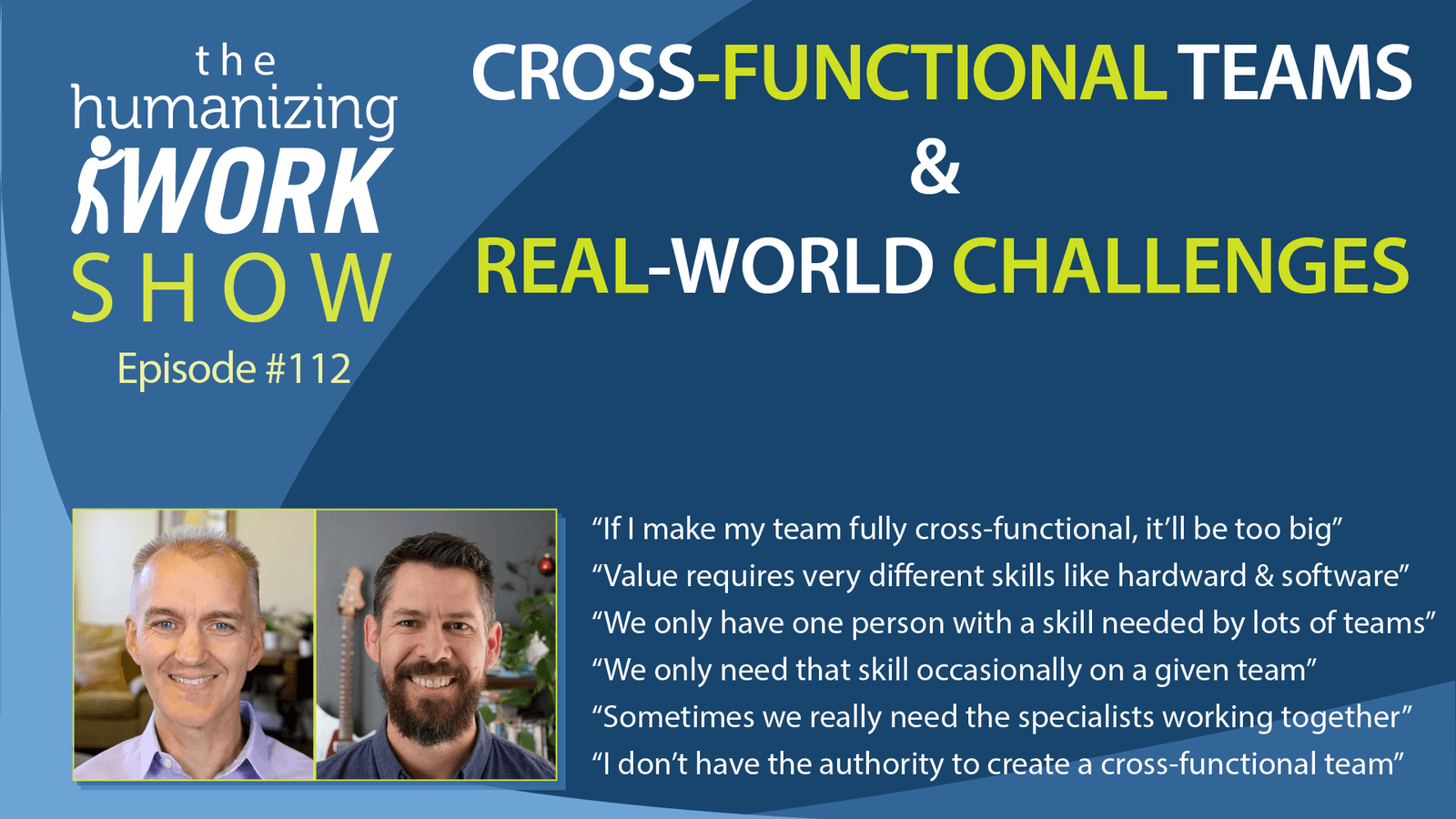
What technical and process challenges appear when forming cross-functional product teams?
Tests whether you see cross-functional integration as dissolving handoffs, not renaming teams. Strong answers mention testing in CI/CD, collective estimation, and social friction. Weak answers treat it as a staffing reshuffle that keeps siloed workflows.
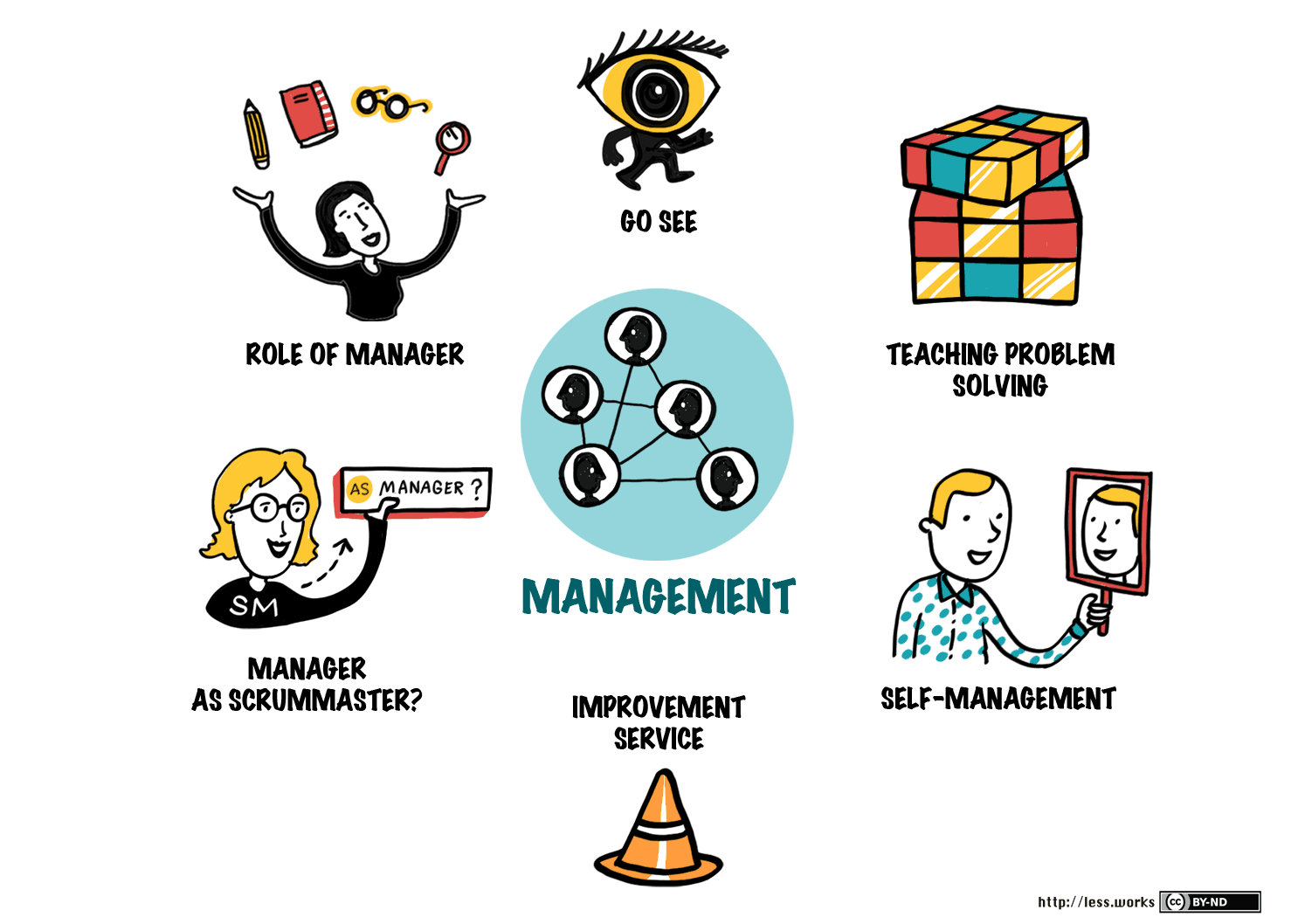
How does management evolve in scaled agile versus traditional program management?
This tests whether you see scaled agile shifting management from command to enablement. A strong answer contrasts LeSS manager-as-teacher supporting self-managing teams against traditional program-management command structures.
What is SAFe's Architectural Runway and how do engineers maintain it?
Tests balancing emergent design with intentional architecture at scale. Runway is existing code and infrastructure for near-term features; engineers contribute via enablers, refactoring, standards, and spikes.

How would you probabilistically forecast 40 stories using throughput data?
Tests probabilistic forecasting literacy using historical throughput. Good answers gather 8–12 periods of throughput, run Monte Carlo resampling, and present percentile delivery curves (e.g., 50th/85th/95th).

From an engineer's perspective, when does Cycle Time begin and end?
Tests if you set Cycle Time boundaries to expose wait states past coding. Strong answer: starts at In Progress, ends at Done or production, includes review/test, excludes backlog queues, and distinguishes from Lead Time. Red flag: starting at ticket creation.
Explain Little's Law and its practical application in Kanban
This tests your grasp of the WIP-throughput-lead time relationship in stable flow systems. State Lead Time = WIP / Throughput and show lowering WIP cuts lead time if throughput is flat. Beware claiming more WIP raises throughput without increasing lead time.
What is the primary purpose of a WIP limit in Kanban?
Tests whether you see Kanban as a flow system, not just a board. A great answer says WIP limits constrain multitasking to reduce cycle time and improve throughput by prioritizing finishing over starting. Red flag: saying limits are for tracking progress.