All bites
The whole library, newest first. Filter by what you are here for, or pick a topic if you already know.
8667 bites
Page 380
Ad Fatigue: When More Exposure Yields Less Engagement
Ad fatigue is your audience becoming "banner blind" to your creative. After seeing the same ad too many times, their brains tune it out, tanking engagement. The footgun is blaming fatigue for a bad ad; if it never worked, the creative is the problem.
Google Ads Quality Score: A Diagnostic, Not a KPI
Google's Quality Score is a report card for your ad's relevance, not a live auction factor. It's a 1-10 diagnostic at the keyword level that tells you where to improve. The biggest footgun is treating it as a core KPI to optimize directly.
Message Match: Don't Disrespect the Click
Message Match reassures visitors they've landed in the right place by mirroring the language from the ad or link they clicked. In PPC, this means your landing page headline must echo your ad copy. Failing to match the message wastes ad spend.
Hashtag Strategy: Metadata, Not Magic
Hashtags are metadata, not magic. A good strategy uses a few targeted tags to categorize content for search, signal relevance to algorithms, and connect with communities. The footgun is "spray and pray"—modern platforms favor 3-5 relevant tags over volume.
Click-Through Rate (CTR): Measuring What Resonates
Click-Through Rate (CTR) is the percentage of people who click a link after seeing it. It's a direct measure of how compelling your message is, used to gauge initial interest in ads, emails, and search results.

The Hook: Earning the Read After the Headline
A hook is the opening line that pulls a reader from the headline into your copy by creating a curiosity gap or emotional tension. It's critical in ads and sales pages where readers are distracted. The footgun: if the hook fails, the rest is ignored.

Email List Hygiene: Quality Over Quantity
Think of list hygiene as pruning a garden: you remove dead contacts so engaged users thrive. This maintains sender reputation with providers like Gmail, ensuring messages land in the inbox.
Dynamic Email Content: One Campaign, Many Messages
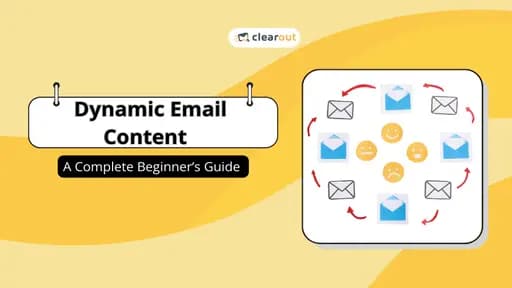
Dynamic email content swaps out blocks of a single email based on who's reading it, like mail merge on steroids. Use it for local events or product recommendations based on past purchases. The footgun: it fails with bad data, sending nonsensical messages.
Email Deliverability: Getting Into the Inbox
Email deliverability is your sender reputation, determining if your message lands in the inbox or spam folder. It's crucial for all automated email, as a poor reputation means users miss critical info. The footgun is confusing delivery with deliverability.
Re-engagement Campaigns: Winning Back Inactive Subscribers
A re-engagement campaign is a targeted effort to win back inactive subscribers, as it's cheaper to reactivate an old lead than find a new one. Use it when a segment of your list stops engaging.
Email Personalization: Beyond the First Name
Email personalization uses automation to send the right message to the right user. By segmenting your audience based on behavior or data, you can target them with relevant content, like abandoned cart reminders.

Abandoned Cart Sequence: Recovering Lost Sales
An abandoned cart sequence isn't just one email; it's a timed, multi-step campaign addressing different reasons for leaving. It's the highest-converting automation for e-commerce, moving from a simple reminder to reassurance, and finally, an incentive.

Welcome Email Series: Turn Signups into Customers
A welcome series is an automated email sequence that acts as a guided tour for new subscribers. It's used by e-commerce and SaaS to build trust and drive initial sales or activation. The biggest footgun is sending a single, generic email and stopping there.
Drip Campaigns: Automated, Triggered Conversations
A drip campaign is an automated conversation, sending pre-written messages over time based on user actions. It's used for onboarding new users or re-engaging inactive ones.
Email Marketing: A Conversation, Not a Megaphone
Email marketing uses email to nurture customer relationships, not just to send ads. It aims to build loyalty, acquire new customers, and drive sales by sending targeted commercial messages. The footgun is treating every email as a hard sales pitch.
Double Opt-In: Confirming User Consent
Double opt-in confirms a user wants your emails by making them click a confirmation link after signing up. This ensures the person owns the email address and truly consents, unlike opt-out methods which are often considered spam.
Email Spam: The Origin of Junk Mail
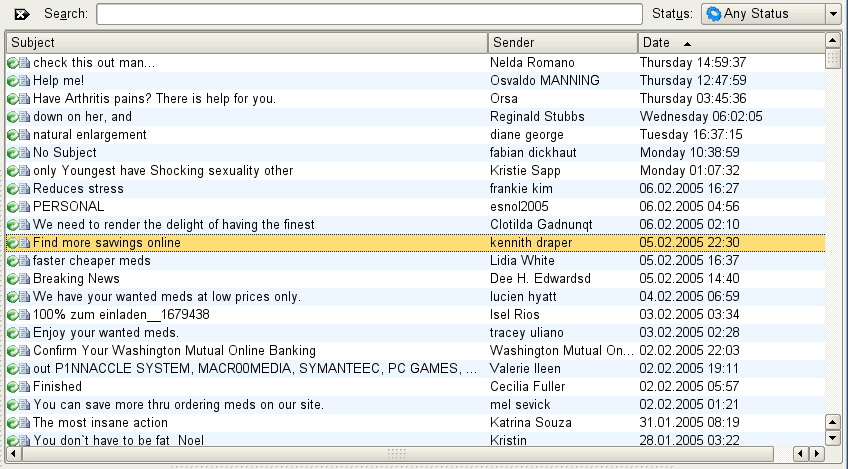
Email spam is any unsolicited message sent in bulk. Named after a Monty Python sketch for its intrusive nature, it grew to comprise 90% of all email by 2014, making spam filters a universal necessity.
Email Subject Lines: Your First Impression
Your subject line is the hook that gets an email opened. It's not a label, but a pitch. Boost open rates with personalization (like a name) and descriptive, concise language—ideally under 9 words. The footgun is overusing urgency, which looks like spam.

The Skyscraper Technique: Out-Ranking with Superior Content
Find the best content for a keyword, then build a taller "skyscraper" by making yours dramatically better. This SEO technique is used to earn backlinks from sites linking to the original, inferior content.

Cornerstone Content: Your Site's SEO Foundation
Think of cornerstone content as your site's SEO pillar: your single most comprehensive article on a competitive topic. It helps you rank for high-value keywords by consolidating authority from related posts.