All bites
The whole library, newest first. Filter by what you are here for, or pick a topic if you already know.
8667 bites
Page 379
Writing Sound Cues: When to Yell 'BANG!' on the Page
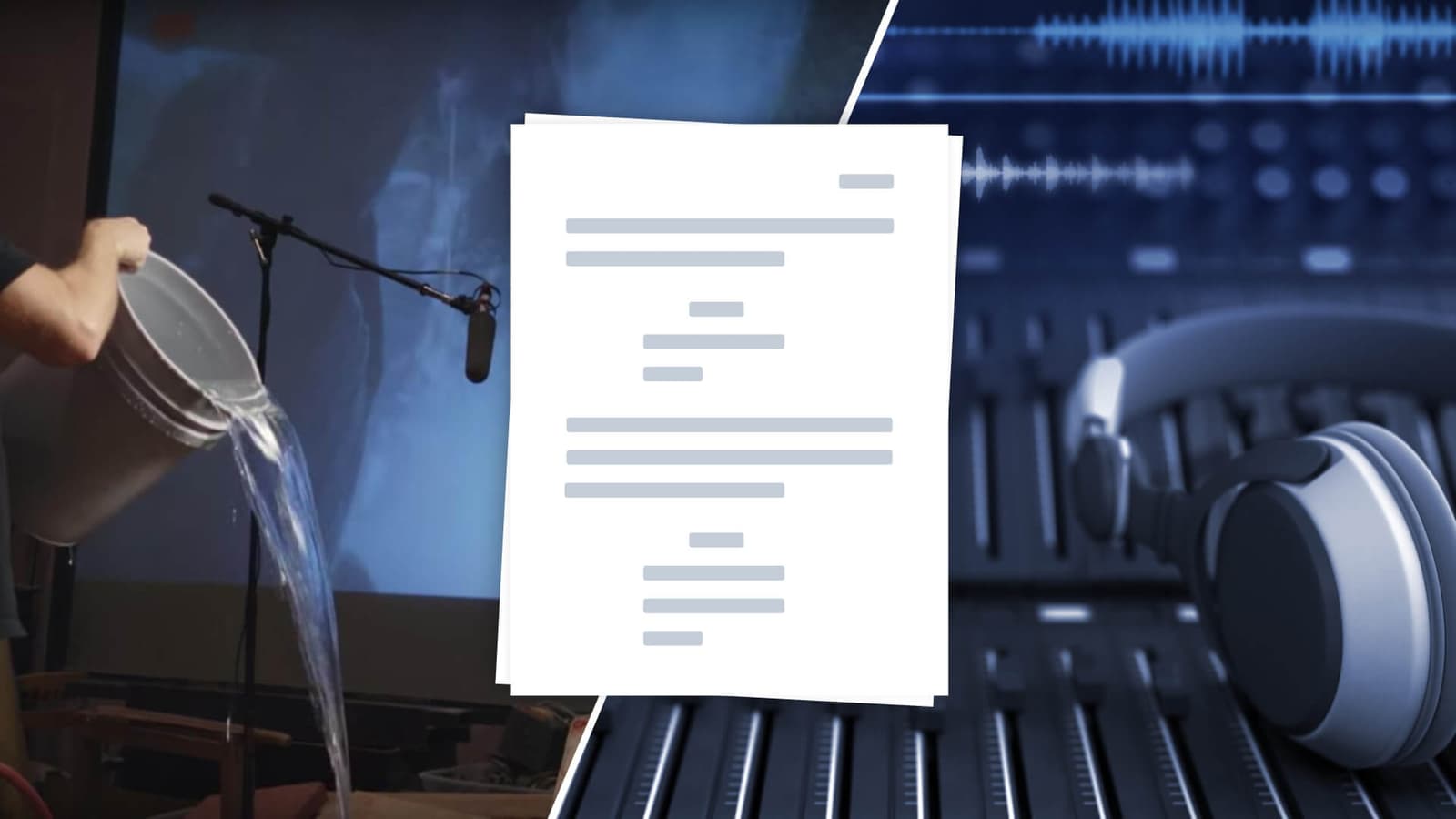
Don't just describe a sound; make it heard. In screenplays, write plot-critical sounds as capitalized onomatopoeia in the action lines, like a gunshot (BANG!). The footgun is capitalizing ambient noise or using it to direct an actor's vocal delivery.

Table Read: Hear Your Words Before You Ship Them
A table read is a dress rehearsal for your words. You gather stakeholders and read text aloud to catch awkward phrasing and unclear flow before it goes live. Use it for high-stakes content like API docs. The footgun is reading it yourself—you need fresh ears.

Podcast Show Notes: Your Episode's Clickable Companion
Podcast show notes are the clickable, searchable companion to your audio, turning passive listening into action. They house affiliate links, guest bios, and resources, boosting SEO and monetization.
Scripting B-Roll: Show, Don't Just Tell
Think of B-roll as the visual evidence for your main narrative. It's the supplemental footage that shows what a speaker is talking about, breaking up static shots in interviews or demos.
Cold Open: Hooking Viewers Before the Titles Roll
A cold open hooks the audience by jumping into the story *before* the opening credits. It's used in TV to prevent channel-surfing during early commercials or to recap past events. The footgun is an opening that confuses viewers instead of captivating them.
Logline: Your Story's Core in One Sentence
A logline is a one-sentence pitch that distills a story to its central conflict and emotional hook. It's used to sell a script or summarize a film in a TV guide. The common mistake is summarizing the plot instead of the core premise that drives.

Two-Column Script Format: Aligning Sights and Sounds
A two-column script is a production blueprint, aligning what the audience sees (video) on the left with what they hear (audio) on the right. It's used for ads, live TV, and corporate videos. The main footgun: capitalize everything *except* spoken dialogue.

Writing for the Ear: Simple Language for Listeners
Write for listeners, not readers. Use short, simple sentences because your audience can't reread a confusing phrase in a podcast or broadcast. The biggest mistake is using complex, print-style writing that forces listeners to tune out.
UX Copy Localization: More Than Just Translation
UX copy localization adapts UI text to a new market's cultural and linguistic norms, going beyond literal translation. It's critical for onboarding flows, error messages, and button labels.
Information Scent: Guiding Users to Their Goal
Users hunt for information like animals forage for food, following a trail of cues. This applies to website navigation, headlines, and link text, where clear 'scents' guide users to their goal. The footgun is using vague labels that weaken the scent.

Conversational Design: Scripting a Dialogue, Not Just a UI
Think of conversational design as scripting a dialogue where the user is the main character. It's how voice assistants and chatbots create natural, two-way interactions.

Content-First Design: Build the Page Around the Message
Content-first design means creating your interface around the actual text and media, not forcing content into a pre-made template. It prevents layouts from breaking when real data replaces placeholders.
Accessible Writing: Structure is Meaning
Accessible writing structures content for both humans and assistive tech. It applies to page titles, headings, and link text. The footgun is faking structure with visual styles instead of using semantic HTML, which leaves screen reader users lost.
Progressive Disclosure: Show, Don't Overwhelm
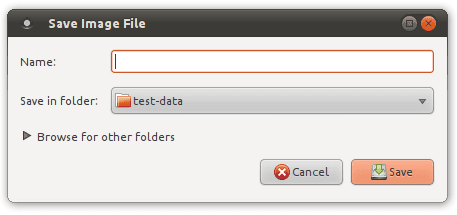
Progressive disclosure is a guided tour for your UI, revealing information only as needed. It simplifies complex forms and setup wizards by deferring advanced options, making apps easier to learn.
Tooltips: For Optional Hints, Not Critical Info
Tooltips are hover-activated hints providing optional, extra context for UI elements. Use them to explain why a form field is needed or what an ambiguous icon means. The footgun is hiding critical info, like password rules, inside them.
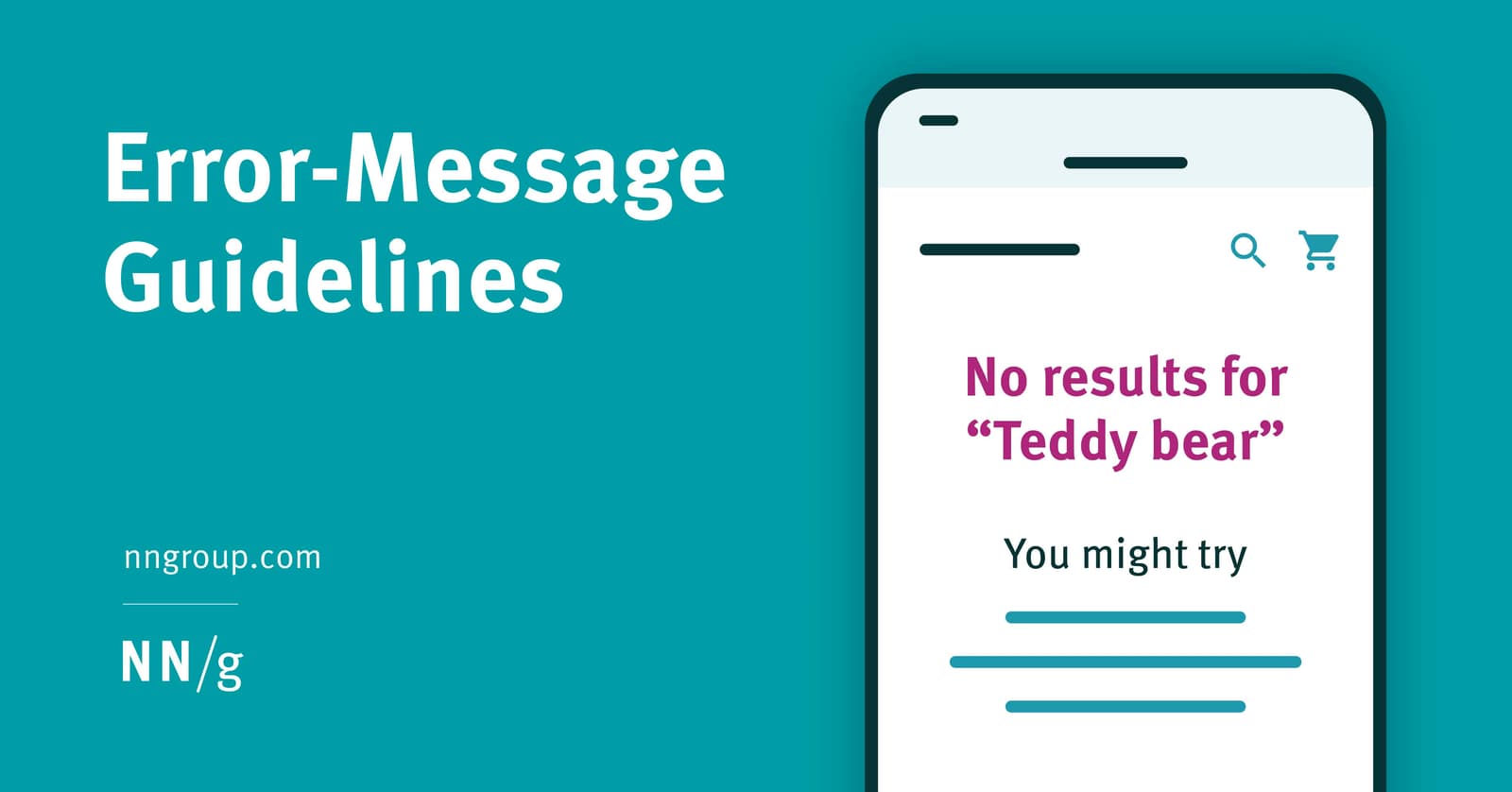
Designing Helpful UX Error Messages
An error message is a guide, not a dead end. Design them to be visible and constructive by placing them near the error's source with clear, high-contrast styling. The footgun is showing errors prematurely, which feels hostile and punishes exploration.
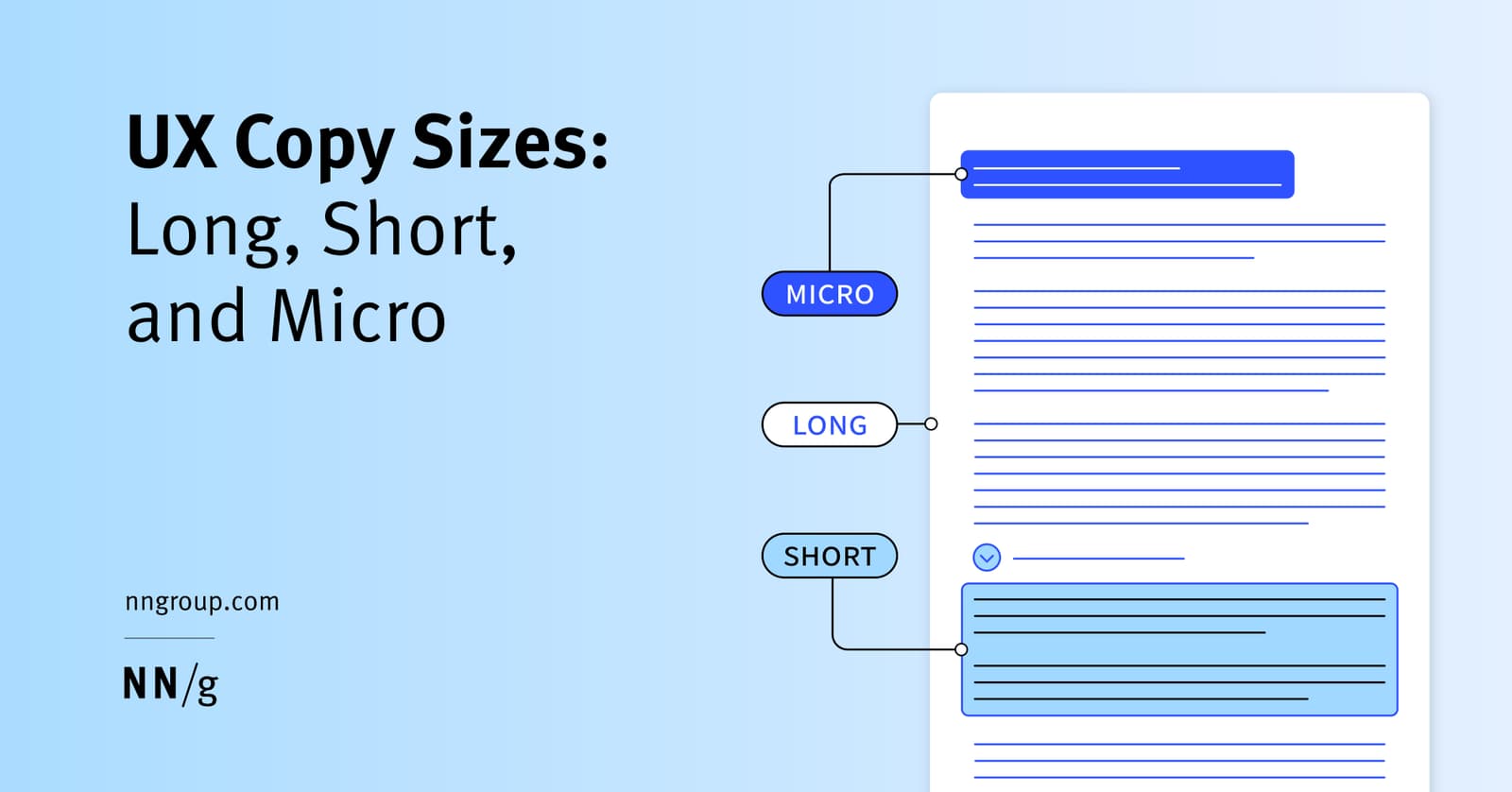
Microcopy: The Small Words with Big Impact
Microcopy is the small, functional text that guides users through an interface. It's the button labels, error messages, and tooltips that help users complete tasks.
Target CPA Bidding: Automate Bids to a Target Cost
Target CPA bidding tells Google Ads, "I'm willing to pay this much on average for a customer action." It automates bids to get as many conversions as possible at your target price. The footgun: individual conversions can cost more than your target.
Dynamic Creative Optimization (DCO)
Dynamic Creative Optimization (DCO) is a technology for programmatic advertising. It allows advertisers to automatically optimize the performance of their creative content using real-time systems, rather than serving a single static ad.
Ad Policy Compliance: Why Your Ads Get Rejected
Ad policy compliance is a gatekeeper system balancing commercial content with user safety. Platforms like Meta automatically review every ad for violations like discrimination, scams, or shocking content.