Advanced everything in Agile & Scrum, page 3
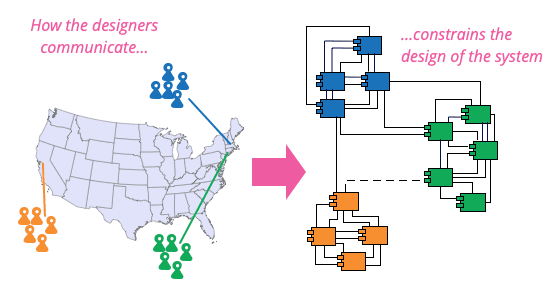
How would you apply Conway's Law to design team structures?
This tests applying organizational theory to technical strategy. A great answer defines the law, explains the 'Inverse Conway Maneuver' by structuring teams around business capabilities, and avoids imposing an architecture without changing team structure…
How do you manage performance in a self-organizing team?
This tests your ability to shift from individual performance management to fostering team-based career development. A great answer reframes the goal, uses frequent 1-on-1s for coaching, and decouples raises from feedback.

Decomposing a Monolith: Technical Strategy
This tests your ability to create a practical, phased migration strategy from monolith to microservices. A strong answer defines service boundaries via Bounded Contexts, manages data with events, and uses an API Gateway for contracts.
How would you handle a SAFe rule that hinders agility?
Tests your ability to pragmatically adapt process instead of just complaining. A great answer identifies a specific SAFe rule, explains how it can backfire, and proposes a concrete alternative that still achieves the original goal.
How would you apply Little's Law to a Kanban system?
This tests your ability to use metrics for process improvement. A great answer defines Little's Law for Kanban (Cycle Time = WIP / Throughput), explains how reducing WIP shortens cycle times, and gives a numerical example.
Design and Implement an Upstream Kanban Process
Tests your understanding of managing demand vs. capability. A great answer defines Upstream Kanban as a pre-commitment filter, outlines board stages and policies, and explains how vetting work improves downstream predictability.

Diagnosing a Widening CFD 'Testing' Band
Tests your ability to interpret a CFD and propose data-driven experiments. A widening 'Testing' band means work enters faster than it leaves. Diagnose with experiments (e.g., tracking test failures, environment downtime) before proposing solutions.
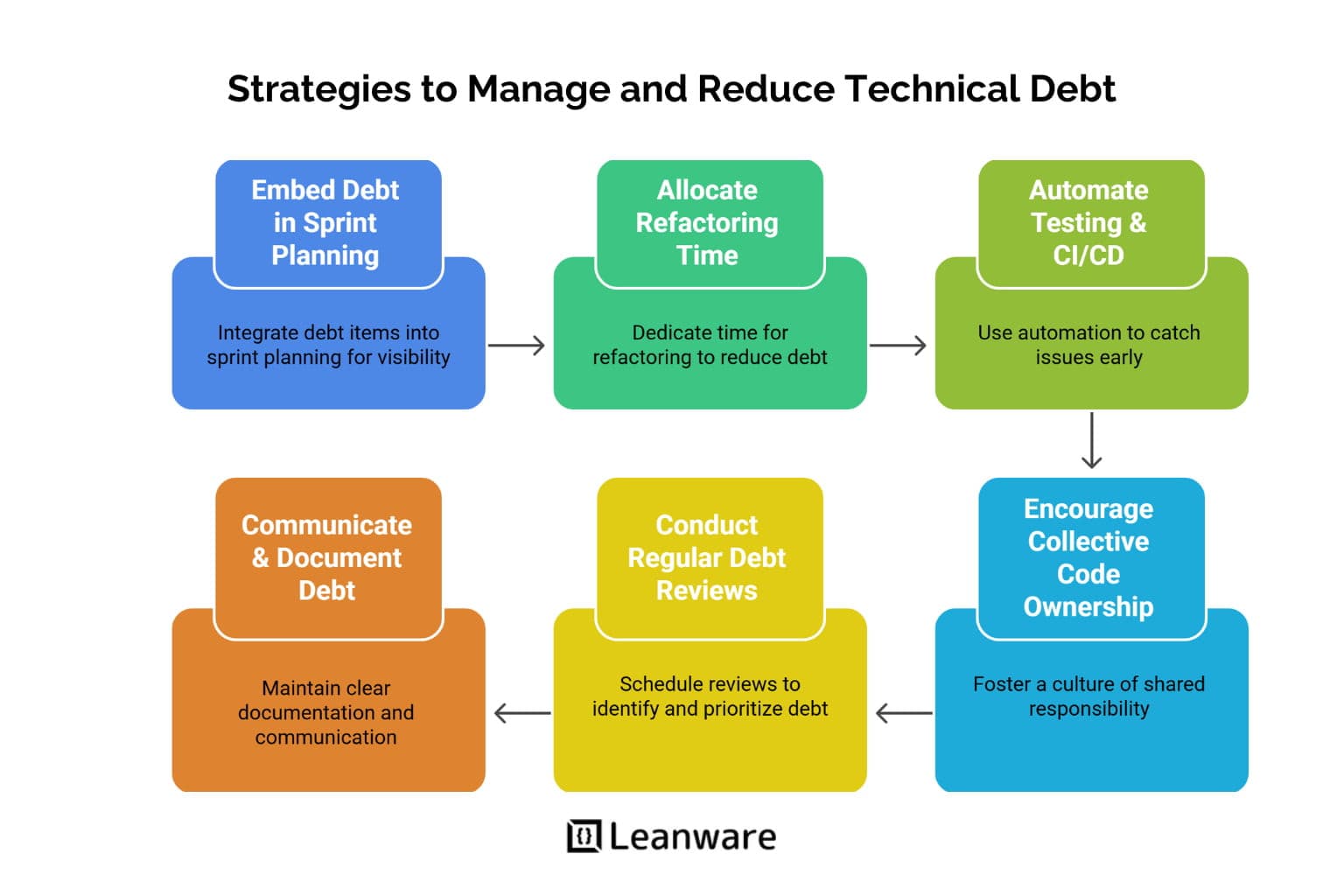
How do you strategically manage tech debt during product discovery?
This tests your strategic view of tech debt. A great answer defines intentional vs. unintentional debt, outlines a framework for tracking and repayment (like a debt backlog), and explains when it's a valid tool for MVPs.
Quantify and communicate a feature's cost/benefit trade-off
Tests your ability to influence product decisions with data. Quantify engineering cost (time, complexity, risk), then propose cheaper experiments like an MVP or fake door test to validate the hypothesis first.
When to formalize a cross-cutting concern?
Tests your judgment on architectural trade-offs. A good answer uses the "Rule of Three," weighs volatility and complexity to decide, and avoids dogmatic DRY. A red flag is immediately abstracting without considering the high cost of a shared solution.
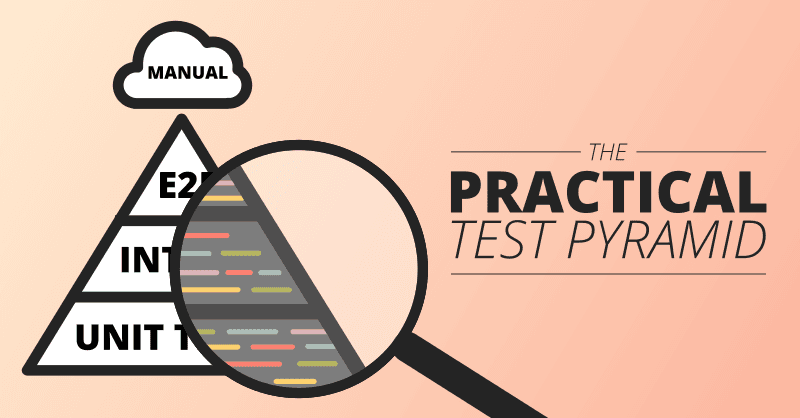
How do you fix an inverted test pyramid?
This tests your ability to create a pragmatic, multi-sprint plan to improve test suite health. A good answer involves analyzing tests, getting buy-in, then incrementally adding unit/integration tests while refactoring old E2E tests.

Trunk-Based Development vs. GitFlow for High-Frequency Releases
This tests your grasp of modern release strategy. Explain how TBD enables frequent merges to main, while feature toggles decouple deployment from release for safety. Contrast this with GitFlow's versioned release model.
How to Handle Poor Quality in a 'Successful' Sprint?
This tests your commitment to transparency and the Definition of Done. A great answer involves being honest about technical debt in the Sprint Review, then strengthening the DoD in the Retrospective. A red flag is hiding the problem from stakeholders.
Team Delivers 'Done' Work, But No Stakeholder Value
This tests your ability to diagnose why an efficient Scrum team isn't effective, focusing on the feedback loops that ensure value delivery. A great answer pinpoints failures in the Sprint Review, the Sprint Goal, and backlog refinement, not just the Product…
Handling a Mandated DoD on a Legacy System
This tests your ability to balance organizational standards with team reality and drive incremental improvement. Acknowledge the org DoD, create a realistic team DoD, and make the gap transparent with a concrete plan to close it.
How would you fix a long, unmanageable product backlog?
Tests your ability to fix a core process failure, not just list grooming tactics. Propose a dedicated workshop to define a clear Product Goal, ruthlessly prune the backlog against it, and establish a sustainable refinement process. Red flag: blaming the PO.

How do you fix a team that consistently overcommits in sprints?
This tests diagnosing process failures, not just bad estimates. A good answer investigates root causes like external pressure or poor refinement, then proposes using historical velocity and tracking actual capacity.

How does a self-managing team handle technical disagreements?
This tests your ability to facilitate productive conflict, not just win arguments. A great answer outlines structured techniques like timeboxing dialogue and multi-voting with reasoning. A red flag is suggesting the senior dev acts as the sole tie-breaker.
How would you change a mandatory, stage-gated release process?
Tests your ability to influence organizational change using data, not just advocate for a technical solution. Start small with a pilot, quantify the business impact (e.g., cycle time), and address stakeholder concerns around risk.
Who's accountable when an increment fails the user?
Tests your grasp of shared accountability in Scrum. A great answer avoids blame, highlighting the PO's role in value but also the whole team's duty to understand the 'why.' Propose concrete fixes like better backlog refinement.
We are hiring for this. Every open role lists the topics its interview covers, so you can prepare for the real thing rather than guessing.
See open roles